
1 Michelin Star
Our verdict
In Miyakojima Ward's quieter residential grid, Katamachi Kawaguchi earns its 2024 Michelin Plate through restraint rather than spectacle. Handmade fish sauces, Rishiri kombu dashi, and patient technique define a kitchen that prioritises lasting flavour over novelty. At ¥¥¥, it occupies a mid-premium tier that sits well below Osaka's three-star counters while offering a more considered approach than most neighbourhood Japanese restaurants.

Pearl is the En Primeur Club membership app — saves, bookings, and concierge access live there. Same editors, same standards.
- Address
- Japan, 〒534-0025 Osaka, Miyakojima Ward, Katamachi, 1 Chome−3−11 JC大阪ビル
- Phone
- +81 6-6136-1770
- Hours
- Daily 5–10 PM
- Directions
- Get directions
- Booking
- Book on TableCheck
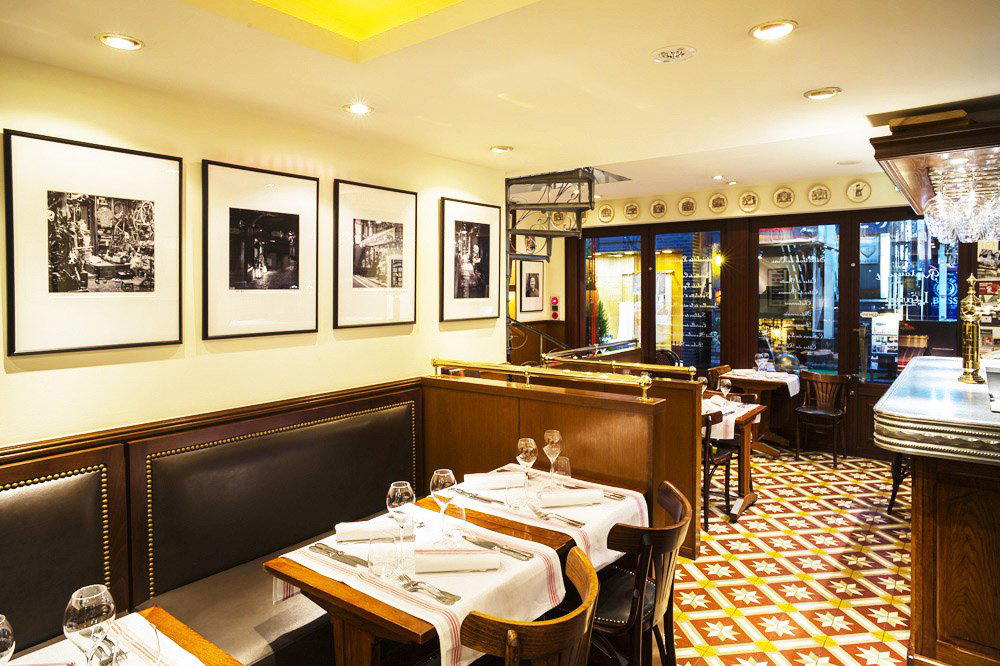
The menu
What to order
- Rishiri kombu dashi
- House-fermented fish sauces
Where Miyakojima Ward Sets the Table
Osaka's dining reputation is built, rightly, on excess — the takoyaki stalls of Namba, the beef courses of Kitashinchi, the kaiseki temples of Senriyama. But the city's residential wards operate on a different register. In Miyakojima, the streets north of the Okawa river are domestic in scale: small grocers, liquor shops, the occasional ramen counter with hand-written specials. Restaurants that survive here do so on the loyalty of local regulars, not on tourist traffic. The economics demand a different kind of value proposition — dishes that people want to return to, not dishes designed to photograph well once.
Katamachi Kawaguchi sits on that street logic. The address on Katamachi, inside the JC Osaka building, is the kind of location that passes without notice unless you are already looking for it. The exterior is deliberately low-key: a small billboard, stripped accoutrements, no attempt to signal ambition through facade. In a city where many restaurants communicate their tier through their entrance alone, this restraint is itself a signal, one directed at a specific kind of diner.
The Architecture of Restraint
Japanese restaurant aesthetics exist on a spectrum from the calculated minimalism of high-end kaiseki rooms to the cheerful clutter of izakaya. Katamachi Kawaguchi occupies a quieter point on that spectrum. The understated interior matches the exterior: the goal, as the kitchen frames it, is cuisine that one never tires of. That phrase carries more weight than it first appears. Dishes designed for a single impressive occasion are structured differently from dishes designed for the twentieth visit. The former can rely on novelty; the latter must rely on balance, on the kind of flavour that deepens with familiarity rather than fading.
This philosophy places Katamachi Kawaguchi in a coherent peer group: neighbourhood Japanese restaurants in Osaka that compete on craft consistency rather than headline ingredients or theatrical presentation. At ¥¥¥, it sits in a mid-premium bracket that includes Miyamoto and Oimatsu Hisano and operates well below the ¥¥¥¥ tier occupied by HAJIME and La Cime, where three- and two-star Michelin credentials command a substantially different price point. The comparison that matters more is with Tenjimbashi Aoki and Yugen: restaurants at a similar price register where technique and sourcing do the work that spectacle does elsewhere.
Dashi, Fish Sauce, and the Logic of Subtraction
The kitchen's clearest statement of intent is in the dashi. Rishiri kombu, harvested from the cold waters off Hokkaido's Rishiri Island, is the base for the soups. Kombu from Rishiri carries a lighter, cleaner flavour profile than Rausu or Hidaka varieties, producing a dashi that reads as gentle rather than assertive. In a cuisine where soup is both a course and a vehicle for reading the kitchen's sensibility, the choice of kombu is not incidental. It determines the register of everything that follows.
The fermented seasonings extend that logic. Handmade fish sauces, produced in-house rather than sourced from commercial suppliers, function as subtle background notes: they deepen flavour without announcing themselves. Fish sauce used well is nearly invisible, it adds the kind of low-frequency umami that makes a dish feel complete without pointing to any single ingredient. This is a more technically demanding approach than using high-grade commercial shoyu or miso, because the cook must calibrate the seasoning fresh rather than relying on a standardised product.
Michelin Plate recognition in 2024 reflects exactly this register. A Michelin Plate signals a kitchen where the inspectors found food worth eating, competent, purposeful cooking, without the elaboration of starred technique. For a neighbourhood Japanese restaurant positioning itself on craft consistency and repeat-visit appeal, the Plate is an appropriate credential. It contextualises the kitchen within Osaka's broader Michelin footprint, which at the upper end includes Kashiwaya Osaka Senriyama at three stars and multiple two-star addresses. Katamachi Kawaguchi is not competing in that bracket; it is doing something different and, within its own terms, doing it deliberately.
Osaka's Neighbourhood Restaurant Tradition
Kind of cooking Katamachi Kawaguchi represents has parallels across Japan's major cities. In Tokyo, restaurants like Myojaku and Azabu Kadowaki operate in a similar space: Japanese cuisine at a mid-premium tier where the reference points are tradition and craft rather than innovation. Harutaka in Tokyo and Gion Sasaki in Kyoto anchor the higher end of that tradition in their respective cities. Further afield, akordu in Nara, Goh in Fukuoka, 1000 in Yokohama, and 6 in Okinawa each illustrate how Japan's serious restaurant culture extends well beyond the three major urban cores.
What distinguishes Osaka's version of this tradition is the city's ingrained preference for substance over form. The phrase kuidaore, eating oneself into ruin, is Osaka's culinary self-description, and while it typically gets applied to street food and volume, it also describes a culture that measures restaurants by what ends up on the plate rather than the room around it. Katamachi Kawaguchi fits that value system. The neighbourhood setting, the understated exterior, the focus on patient craftsmanship: these are not compromises, they are the restaurant's argument.
Reading the Room Before You Go
Miyakojima Ward is not a dining destination in the way that Kitashinchi or Shinsaibashi are. Visitors arriving specifically for the restaurant will find a residential neighbourhood rather than a concentrated dining strip. That is part of the point. The walk from Miyakojimadori station takes less than ten minutes, and the area rewards a slower pace than Osaka's central districts. For a broader overview of where Katamachi Kawaguchi sits within the city's full dining picture, the full Osaka restaurants guide maps the range from neighbourhood tables to three-star rooms. Visitors planning a longer stay can cross-reference with the [full Osaka hotels guide](), [Osaka bars guide](), [Osaka wineries guide](), and Osaka experiences guide to build a fuller itinerary.
Know Before You Go
- Address: 1 Chome-3-11 Katamachi, Miyakojima Ward, Osaka (JC Osaka Building)
- Price range: ¥¥¥
- Recognition: Michelin Plate 2024
- Cuisine: Japanese
- Booking: Contact details not publicly listed, check current availability through local reservation platforms or the venue directly
- Hours:, verify before visiting
Frequently asked questions
Has Katamachi Kawaguchi won any awards?
Katamachi Kawaguchi has received recognition including: The low-profile exterior, small billboard and stripped-down accoutrements express an understated Japanese architecture aesthetic. The goal here is cuisine of which one never tires. Rishiri kombu kelp is selected for the dashi stock drawn fo….
What's the must-try dish at Katamachi Kawaguchi?
The kitchen's signature contribution is its dashi, drawn from Rishiri kombu sourced off Hokkaido and used as the base for soups. Alongside it, handmade fermented fish sauces act as the primary seasoning across dishes, providing depth without announcing themselves. Those two elements, more than any single plate, define what the kitchen is doing.
Comparable Spots, Quickly
| Venue | Cuisine | Price | Awards | Notes |
|---|---|---|---|---|
| Katamachi KawaguchiThis venue — the venue you are viewing | Refined Japanese Kaiseki | $200–300 | 1 Michelin Star | Not listed |
| HAJIME | Avant-Garde Japanese Fine Dining | $300–500 | 3 Michelin Stars · World's 50 Best #83 | French, Innovative |
| La Cime | Modern French with Japanese Ingredients | $150–200 | 2 Michelin Stars · World's 50 Best #13 | French |
| Kashiwaya Osaka Senriyama | Seasonal Kaiseki Omakase | $200–300 | 3 Michelin Stars · La Liste Top Restaurants | Japanese |
| Taian | Traditional Japanese Kaiseki Omakase | $150–200 | 3 Michelin Stars · La Liste Top Restaurants | Kaiseki, Japanese |
| Fujiya 1935 | Modern Japanese with European influences | $100–150 | 2 Michelin Stars · La Liste Top Restaurants | Innovative |
Recognition history
Dated appearances from independent guides and award organizations, with the underlying list record or original source where available.
Michelin 1 Star
Michelin
Full recognition history (2 entries)
Michelin Plate
Michelin
Continue exploring
More in Osaka
Restaurants in Osaka
Browse all →




Bars in Osaka
Browse all →




Hotels in Osaka
Browse all →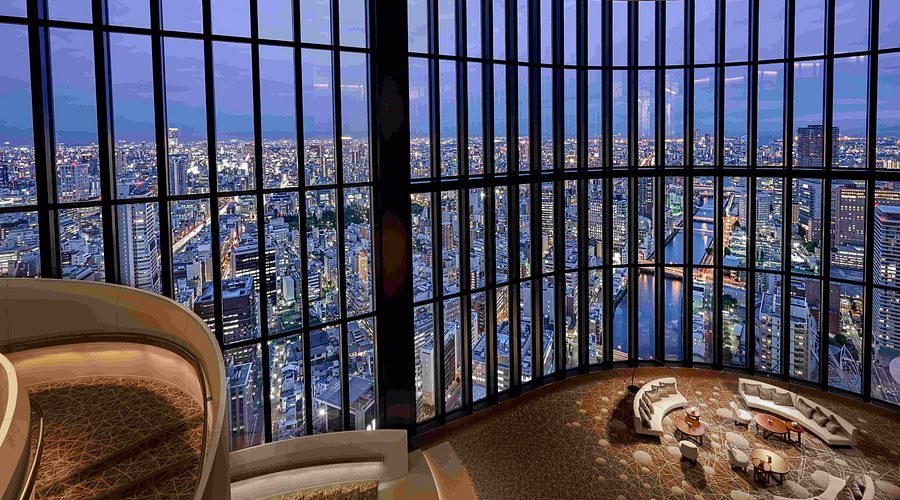




Wineries in Osaka
Browse all →
Details
- Quiet
- Elegant
- Intimate
- Sophisticated
- Minimalist
- Special Occasion
- Solo
- Date Night
- Chefs Counter
- Open Kitchen
- Local Sourcing
- Counter Dining
- Tasting Menu
- Set Menu
- Allergy Accommodating
Current opening hours
- Monday
- 5–10 PM
- Tuesday
- 5–10 PM
- Wednesday
- 5–10 PM
- Thursday
- 5–10 PM
- Friday
- 5–10 PM
- Saturday
- 5–10 PM
- Sunday
- 5–10 PM
Hours can change for holidays and private events. Last verified .
Serene and tranquil with warm wooden counter illuminated by soft, dim lighting; understated Japanese aesthetic with clean lines and calm glow that contrasts with Osaka's bustling atmosphere.