1 Michelin Star · Tabelog Bronze #156
Our verdict
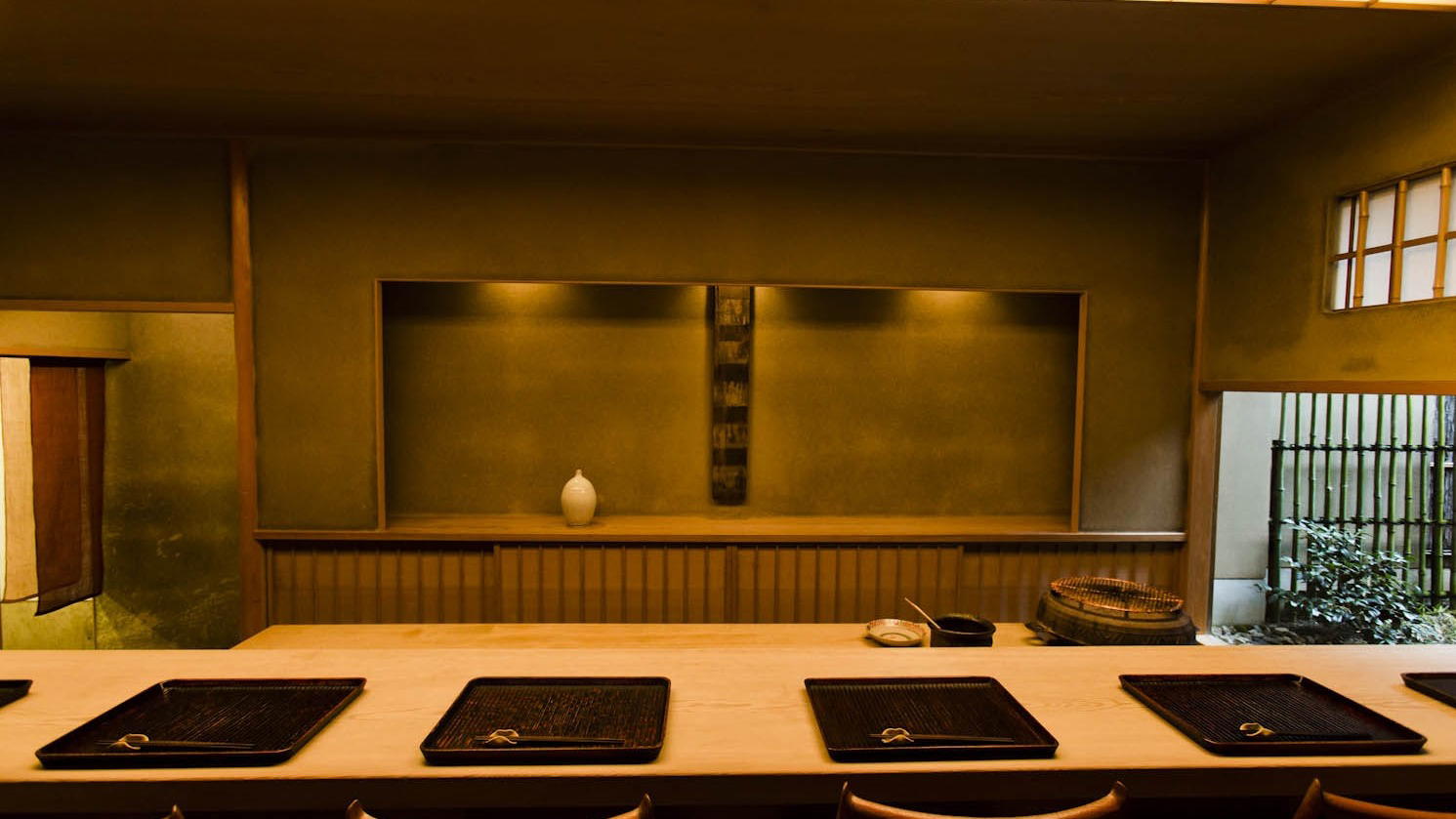
A 15-seat chakaiseki counter in Osaka's Fushimimachi district, Kakoiyama frames seasonal Japanese cooking through the principles of the tea ceremony. A Michelin star (2024) and Tabelog Award 2026 Bronze recognition place it among Osaka's serious kaiseki tier. Dinner runs JPY 40,000–49,999; reservation-only access and a house-restaurant setting make advance planning essential.

Pearl is the En Primeur Club membership app, where members save venues, book tables and use the concierge.
Where the Tea House Meets the Dining Counter
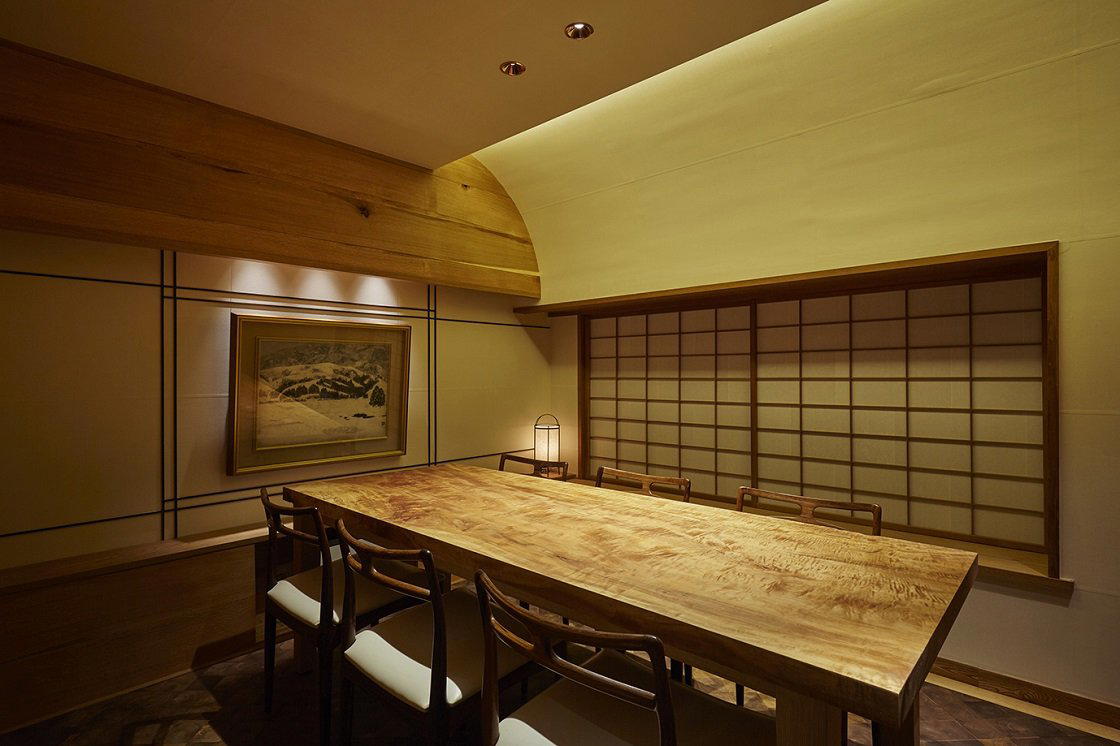
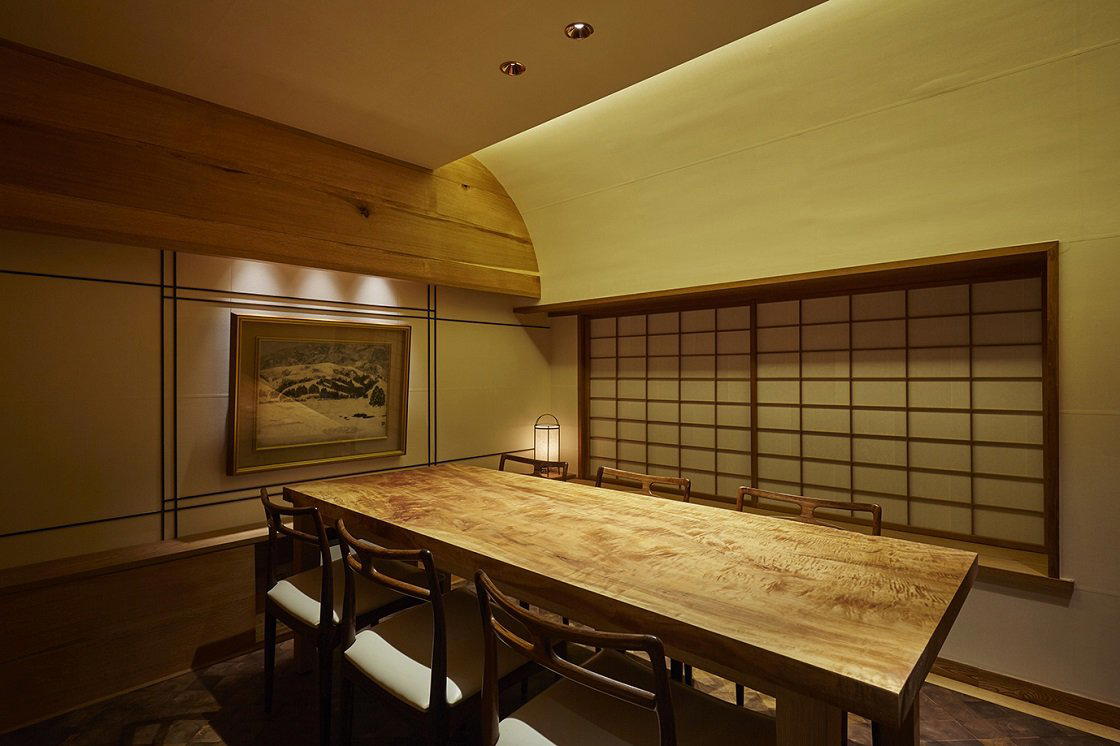
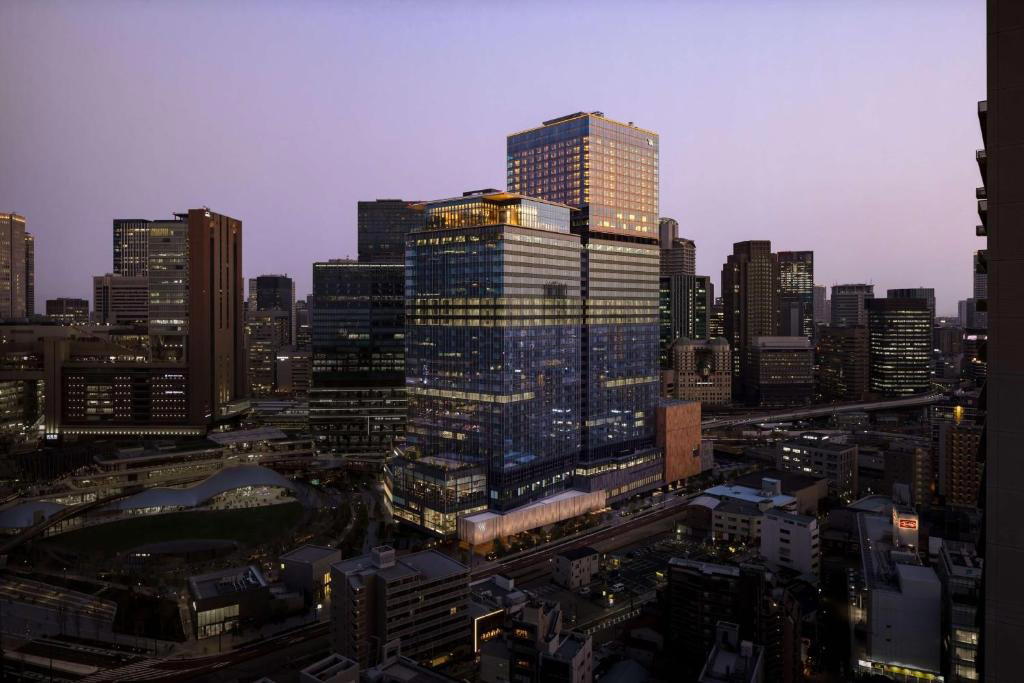
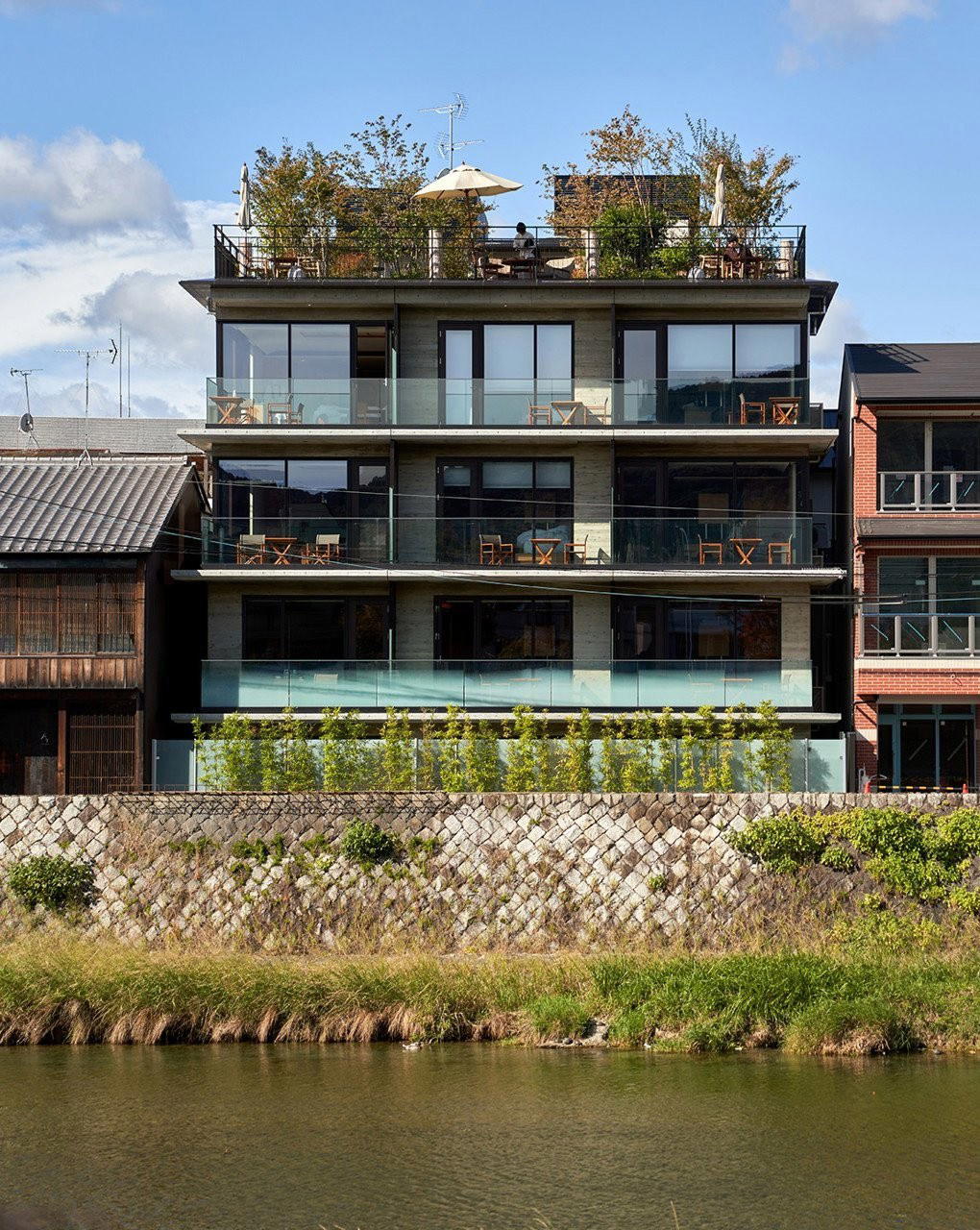
In Osaka's Fushimimachi district, the approach to a meal can be as deliberate as the meal itself. The neighbourhood, part of Chuo Ward and a short walk from Kitahama station, carries a quiet institutional weight: this was the historic heart of Osaka's medicine wholesale trade, the Doshomachi corridor, where merchants dealt in Chinese herbs and tinctures centuries before the city became a byword for eating culture. That history doesn't evaporate at dinner; at Fushimimachi Kakoiyama, it's woven into the format. An elegant gate, a garden path, and a waiting area precede the counter, each element drawn from the aesthetic grammar of the tea house. The transition from street to seat is paced, not rushed, which signals something about what follows.
Osaka's upper tier of Japanese restaurants has long operated in the shadow of Kyoto's kaiseki tradition, borrowing its vocabulary while insisting on its own civic identity. The Kansai region produces a style of Japanese cooking that prizes dashi clarity, seasonal restraint, and an earthiness in flavour that Kyoto kaiseki sometimes trades for elegance alone. Kakoiyama's chakaiseki format, kaiseki rooted in the spirit and sequencing of the tea ceremony rather than the banquet hall, sits precisely at that intersection. The Tabelog Award 2026 Bronze, with a reviewer score of 4.09 across a competitive national field, and a Michelin star awarded in 2024 together confirm that the restaurant's positioning within this tradition is taken seriously by both peer-review platforms and the guide establishment.
Chakaiseki as a Critical Frame
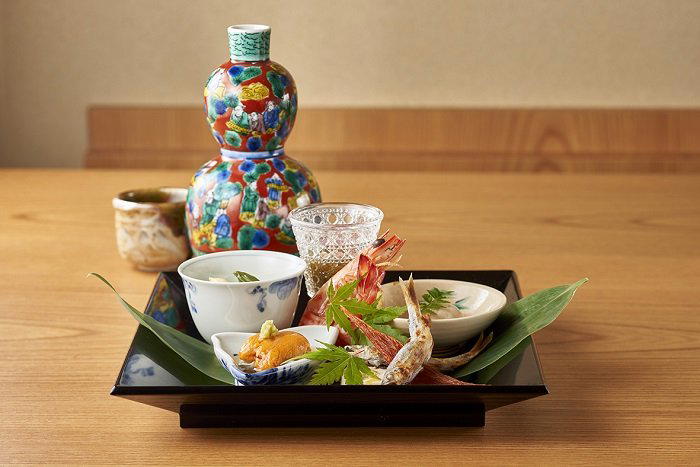
Chakaiseki is a smaller, earlier meal tradition than the kaiseki most Western diners encounter. Where the latter grew into multi-course banquet form, chakaiseki was conceived to prepare guests for the tea bowl: to warm, to centre, and to prompt a particular quality of attention. The format imposes discipline on the kitchen. Courses are fewer and often simpler in appearance; the weight falls on ingredient sourcing, dashi precision, and the timing of service. Restaurants that commit to this format rather than the more commercially flexible kaiseki sequence are making an argument about priority.
At Kakoiyama, that argument includes a specific Osaka inflection. The sembajiru, a wharf soup drawing its dashi from vegetable offcuts, is a direct reference to the city's mercantile past, when nothing was wasted and flavour was drawn from what remained. This approach to ingredients, using what is overlooked to build depth, is itself a form of craft that competes on a different axis from luxury ingredient procurement. The venue's alignment with the Kinki region's medicinal wholesale history extends to the Chinese medicinal drinks served alongside waka poetry, an unusually specific cultural reference that grounds the menu in place rather than aspiration. Tea poured at the counter by the chef is part of the service sequence, not a theatrical addition.
The 15-seat capacity, composed of counter seating with private rooms available for exclusive use, keeps the ratio of kitchen attention to guest firmly in the guest's favour. At dinner prices in the JPY 40,000–49,999 range, Kakoiyama prices at the upper bracket of Osaka's Japanese dining tier, comparable in spend to the ¥¥¥¥ category that includes HAJIME and Fujiya 1935, though those operate across French and innovative formats. Within the specifically Japanese cooking category, this positions Kakoiyama above the ¥¥¥ tier occupied by Kashiwaya Osaka Senriyama and Taian, both of which hold three Michelin stars. That Kakoiyama competes on spend with three-star establishments while holding one star is a signal worth reading: the format and the seating limitation sustain premium pricing independent of award count alone.
How Osaka's Award Tier Is Organised
Osaka's Michelin-recognised Japanese restaurants form a coherent map, but not a flat one. At the apex, Kashiwaya and Taian define the three-star kaiseki register. Kakoiyama, alongside restaurants such as Miyamoto, Oimatsu Hisano, Tenjimbashi Aoki, and Yugen, occupies the Michelin one-star tier, where the competitive density is high and differentiation comes from format commitment rather than award distance from peers. The Tabelog 4.09 score places Kakoiyama at a level where Japanese diners, who use Tabelog as their primary discovery and credentialing tool, are already paying attention.
Nationally, the chakaiseki format with this level of critical recognition is not common outside Kyoto. The fact that Kakoiyama operates it in Osaka, opened in April 2022 and achieving both Michelin and Tabelog recognition within two to three years of opening, indicates a kitchen working at a pace that is harder to sustain than it looks. For comparison, restaurants with equivalent dual recognition elsewhere in Japan, including Harutaka in Tokyo, Gion Sasaki in Kyoto, akordu in Nara, Goh in Fukuoka, 1000 in Yokohama, 6 in Okinawa, Myojaku in Tokyo, and Azabu Kadowaki in Tokyo, typically required longer establishment periods before achieving equivalent dual recognition.
Planning a Visit
Kakoiyama operates on reservation only, which is standard for its tier but worth emphasising: walk-in access is not a practical option. The restaurant accepts major credit cards including VISA, Mastercard, JCB, American Express, and Diners, but does not accept electronic money or QR code payment methods, which is relevant for visitors whose Japan payment habits lean on IC cards or PayPay. The venue is non-smoking throughout. Dinner service runs from 18:00 on weekdays, with a second seating from 20:45; weekends add a lunch service from 12:00 alongside the evening sitting. Lunch, at JPY 20,000–29,999, represents the more accessible entry point into the format. Private room use is available for the full space. The house-restaurant classification and garden approach mean the physical setting is part of the experience from the moment of arrival; presenting appropriately is assumed rather than stated. Children below middle-school age are not accommodated, with the policy specifying that guests must be able to take the same course as adults. There is no parking on site; access on foot from Kitahama station, 285 metres away, is the practical approach. Closed days are not fixed and subject to change, so confirming current availability directly before finalising plans is advisable. For a broader map of the city's dining, drinking, and accommodation options, see our full Osaka restaurants guide, our full Osaka hotels guide, our full Osaka bars guide, our full Osaka wineries guide, and our full Osaka experiences guide.
Frequently asked questions
Where exactly is Fushimimachi Kakoiyama?
Fushimimachi Kakoiyama is located at 2 Chome-4-12 Fushimimachi, Chuo Ward, Osaka, 541-0044, Japan, Osaka.
What does dinner at Fushimimachi Kakoiyama typically cost?
Pricing at Fushimimachi Kakoiyama is listed as ¥¥¥¥.
What distinctions does Fushimimachi Kakoiyama have?
Fushimimachi Kakoiyama has received recognition including:
What's the must-try dish at Fushimimachi Kakoiyama?
Sembajiru, a wharf soup in which dashi is drawn from vegetable offcuts, is the dish most directly cited as an expression of the restaurant's philosophy of ingredient respect. It sits within a chakaiseki course shaped by Osaka's own culinary history, including the city's deep ties to medicinal wholesaling, which informs the Chinese medicinal drinks served alongside waka poetry at the meal's opening.
What's the cuisine at Fushimimachi Kakoiyama?
Do I need a reservation for Fushimimachi Kakoiyama?
Yes. Kakoiyama operates on reservation only, with no walk-in access. The counter holds 15 seats across two seatings on weekdays (from 18:00 and 20:45) and weekend lunch and dinner services. Given its Michelin one-star status and Tabelog Bronze 2026 recognition, bookings should be secured well in advance, particularly for weekend slots.
What has Fushimimachi Kakoiyama built its reputation on?
Kakoiyama, open since April 2022, has earned a Michelin star (2024) and the Tabelog Award 2026 Bronze, a Tabelog score of 4.09 placing it among Osaka's recognised Japanese restaurants, through its commitment to chakaiseki: cuisine structured around the principles of the tea ceremony. The setting itself reinforces this: an approach path, garden, and waiting area modelled on a tea house, with tea poured by the chef as part of the meal's rhythm.
A Credentials Check
Comparable venues nearby, for context on price, style, and recognition.
| Venue | Cuisine | Price | Awards | Notes |
|---|---|---|---|---|
| Fushimimachi KakoiyamaThis venue (the venue you are viewing) | Traditional Japanese Kaiseki | $300–500 | 1 Michelin Star · Tabelog Bronze #156 | Not listed |
| Nishino | Traditional Japanese Kaiseki | $200–300 | 1 Michelin Star | Nishi |
| Hiraishi | Michelin-Starred Tempura Omakase | $150–200 | 1 Michelin Star · Tabelog 100 #39 | Kita |
| Sushi Murakami Jiro | Michelin 1-Star Omakase Sushi | $300–500 | 1 Michelin Star · Tabelog Bronze #294 | Kita |
| Iwaki | Kappo Kaiseki | $200–300 | 1 Michelin Star | Kita |
| Yoshiko | Fugu Fine Dining | $200–300 | 1 Michelin Star | Kita |
Recognition history
Dated appearances from independent guides and award organizations, with the underlying list record or original source where available.
Michelin 1 Star
Michelin
Tabelog Bronze #156
Tabelog
Full recognition history (3 entries)
Michelin 1 Star
Michelin