

1 Michelin Star · Tabelog Bronze #134
Our verdict
Ryoriya Inaya belongs to Osaka’s small-counter Japanese dining tier, where seasonal sequencing, rice craft, and close-range service matter more than spectacle. The draw is a compact Kitashinchi format with eight counter seats, a Tabelog Award 2026 Bronze signal, and a cooking style that treats dashi, salt, fish, and rice as the architecture of the meal.

Pearl is the En Primeur Club membership app, where members save venues, book tables and use the concierge.
The menu
What to order
- Takikomi gohan
- Sashimi with citrus jelly
- Akashi iidako octopus
- Charcoal-grilled red rockfish
After dark, Kitashinchi shifts from office towers to narrow entries, polished lifts, and dining rooms built for concentration rather than display. Here, the small Japanese counter is Osaka’s serious alternative to neon, grill smoke, and late-night street food. Ryoriya Inaya belongs to this quieter tradition, where the meal is read course by course and the room’s scale changes how diners pay attention.
Osaka is more than takoyaki-and-kushikatsu shorthand. Its higher register of Japanese cooking is shaped by merchant-city pragmatism: flavor must be clear, pacing controlled, and luxury expressed through restraint rather than ornament. In compact kaiseki and kappo rooms, the counter functions almost like an editing desk. Ingredients arrive in a sequence designed to make sense, not overwhelm. The Tabelog Award 2026 Bronze recognition places Ryoriya Inaya in a competitive Osaka bracket where reputation is built through precision, repeat diners, and consistency over trend.
Seasonal Japanese cooking, stripped back to dashi, salt, fish, and rice
Kaiseki is often misunderstood by visitors as ceremony first and appetite second. Osaka’s stronger rooms avoid that trap, using the multi-course format to sharpen ingredients rather than soften them. Ryoriya Inaya’s public description points to dashi and salt as central tools, with dishes built from limited combinations rather than crowded plates. That matters because strong Japanese cooking often depends on what is removed: fewer garnishes, fewer competing textures, and a narrower field of flavor.
The name Inaya means “House of Rice,” and the detail is not cosmetic. Rice is often the closing comfort of kaiseki, but here it carries thematic weight. The meal ends with a choice from an extensive rice list, including plain rice, seasonal takikomi-gohan, and a beef rice bowl with ginger and sweet soy. The range reveals the house style: formal structure, but a finish grounded in the Japanese table rather than luxury signaling.
The cooking also fits a broader Osaka pattern. Compared with Kyoto’s more codified kaiseki image, Osaka Japanese cuisine often feels less temple-austere and more committed to immediate comprehension. A menu maxim learned during apprenticeship says good food should be easy to understand, easy to eat, and delicious. Plain as it may sound, here it corrects tasting-menu excess. Complexity is allowed, but it must earn its place.
Fish is a stated focus, and the drinks list spans sake, shochu, and wine. That reflects how contemporary Japanese counters operate: rooted in washoku, but no longer confined to one pairing logic. Sake remains the natural grammar for dashi, vinegar, and grilled or simmered fish, while wine serves guests moving between Japanese and European fine dining. The point is not breadth for its own sake, but support for a progression where seasoning stays calibrated.
The Osaka counter as a serious, high-touch format
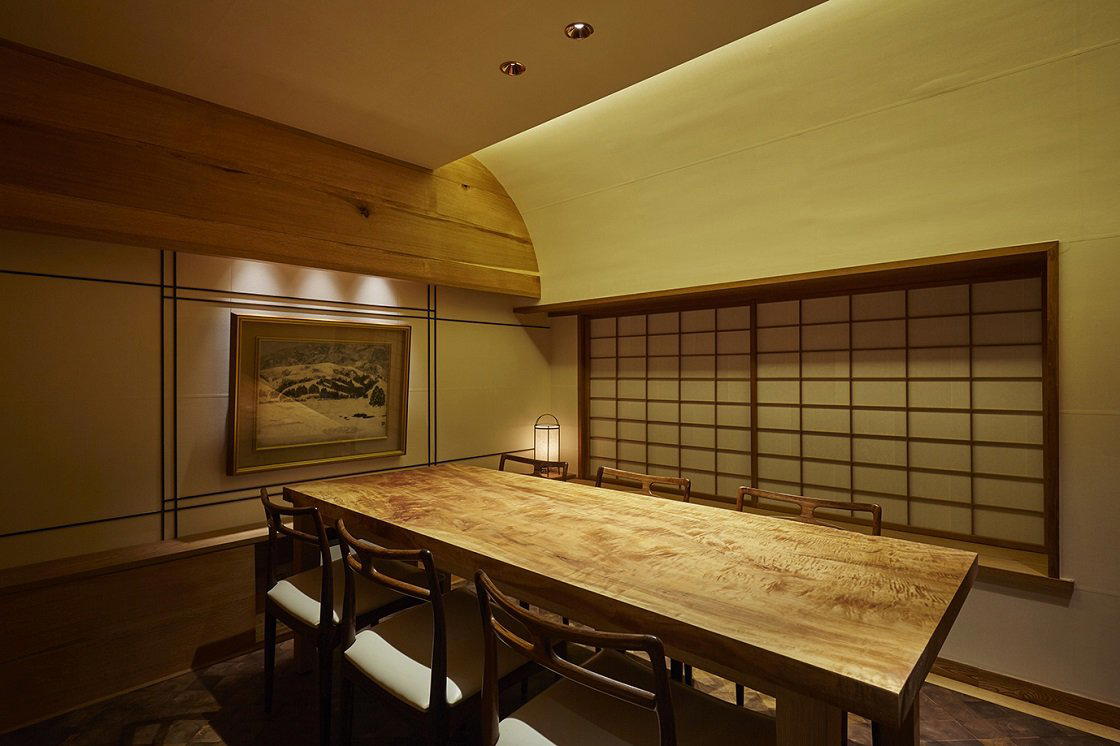
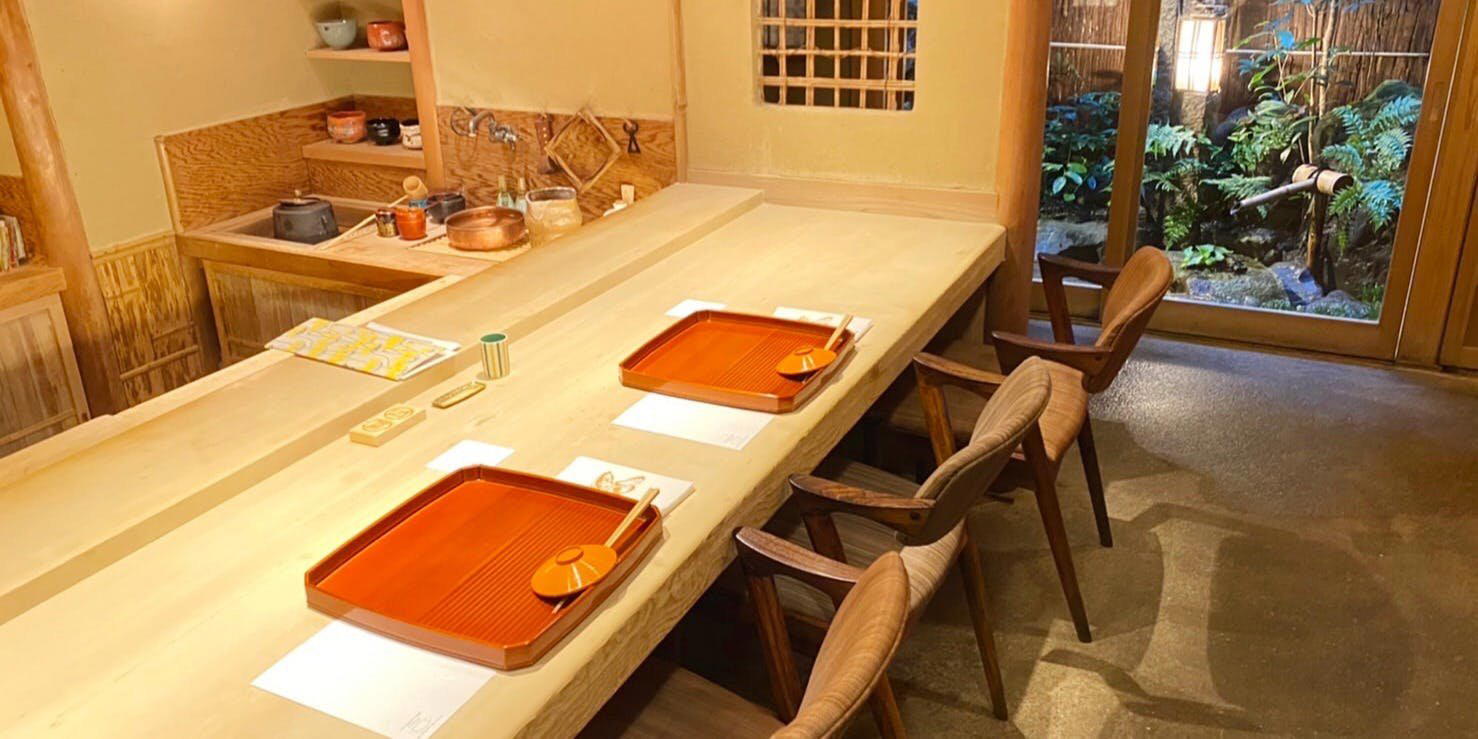
Eight counter seats change the economics and mood of a meal. They reduce theatrical distance, tighten timing, and make repetition harder to hide. Osaka’s small Japanese counters can feel more demanding than larger dining rooms because every course lands in close view and service has little room for drift. In the city’s upper tier, the counter is not a casual perch. It is the operating system.
Within that format, Ryoriya Inaya aligns more with Japanese restaurants such as Shoroku, Oimatsu Kitagawa, Nishitemma Nakamura, Oryori Yamada, and Zeshin than with Osaka’s international fine-dining circuit. The comparison matters because the city’s Japanese dining field is not one category. Some rooms lean ceremonial, some are kappo-led and conversational, some focus on seasonal fish, and some go deeper into rice, broth, and simmered dishes. Inaya’s public materials point to comprehensible flavor and rice-led closure, giving it a different center of gravity from restaurants that rely on luxury ingredients as the main argument.
That makes it especially relevant for diners who understand Japanese multi-course rhythm and want an Osaka expression rather than a Kyoto imitation. The reward is not scale, altitude, or spectacle. It is how a small room makes modest elements decisive: dashi as structure, salt as emphasis, rice as conclusion. The 2021 opening date also matters. This is not an old institution coasting on memory; it belongs to a recent generation of Japanese counters that has had to build authority in a crowded, review-literate market.
Kitashinchi adds another layer. The district has long served business dining, after-work entertaining, and expensive late evenings, so serious restaurants here understand discretion. Rooms are compact, service controlled, and the pleasure often lies in not having to explain the occasion too loudly. For travelers, the context is useful: this is not market grazing or station-basement snacking, but Osaka in polished night-dining mode, where direct flavor meets a formal register.
How to place it in an Osaka dining itinerary
Ryoriya Inaya is best treated as an evening anchor, not a flexible add-on. Its small counter format, high-price tier, and recognition profile make it a deliberate booking for diners who want Japanese cuisine at close range. Build a wider Osaka trip around it as the focused kaiseki-kappo chapter, then contrast it with other styles rather than stacking similar meals back to back.
For classical Osaka Japanese cooking, EP Club readers can compare the broader field through Ajikitcho Bumbuan, Ajikitcho Horieten, Doshincho Washoku Zui, Fushimimachi Kakoiyama, and Higashichaya Nakamura. The wider city edit sits in Our full Osaka restaurants guide, with adjacent planning through Our full Osaka hotels guide, Our full Osaka bars guide, Our full Osaka wineries guide, and Our full Osaka experiences guide.
Readers mapping Japanese cuisine beyond Osaka can use national and international references as contrast points: -Grilled beef Sukiyaki- KAMAKURA TANUKIAN 鎌倉 たぬき庵 in Kamakura for beef-led comfort. 鮪と炭火焼き うお炭 秋葉原店 in Tokyo for tuna and charcoal.know in Kumamoto, (Shoku) Vietnam in Kawasaki, [Curry Senmon Ten] Maruyama Kyoju. in Sapporo, [ki:] in Kyoto, 715, Japanese in Los Angeles, and 99 sushi bar, Japanese in Alcobendas. Together, they show why Osaka’s counter tradition deserves its own reading: less exportable as a single brand of Japanese cuisine, but deeply persuasive when dashi, rice, and timing carry the meal.
Frequently asked questions
Would Ryoriya Inaya be comfortable with kids?
It is set up for older diners, with adults aged 12 and over able to enjoy the adult course. The 8-seat counter and reservation-only format make it a better fit for a quiet, parent-led meal than a casual family outing in Osaka.
What's the vibe at Ryoriya Inaya?
The room is intimate and tightly edited: 8 counter seats, non-smoking, and a dinner-only schedule from 5 PM, with later hours on Friday and Saturday. Its 2026 Tabelog Bronze award and 2025 Tabelog 100 selection signal a serious Osaka address rather than a casual Japanese dining room.
What's the cuisine at Ryoriya Inaya?
Ryoriya Inaya serves Japanese cuisine.
How much does it cost to eat at Ryoriya Inaya?
Pricing at Ryoriya Inaya is listed as ¥¥¥¥.
What time does Ryoriya Inaya open and close?
Hours at Ryoriya Inaya: Mon: 5 PM–12 AM; Tue: 5 PM–12 AM; Wed: 5 PM–12 AM; Thu: 5 PM–12 AM; Fri: 5 PM–2 AM; Sat: 5 PM–2 AM; Sun: 5 PM–12 AM.
Fast Comparison
Comparable venues by cuisine and price in the same metro.
| Venue | Cuisine | Price | Awards | Notes |
|---|---|---|---|---|
| Ryoriya InayaThis venue (the venue you are viewing) | Refined Seasonal Japanese Kaiseki Omakase | $300–500 | 1 Michelin Star · Tabelog Bronze #134 | Not listed |
| Ono | Awaji Island Kaiseki | $200–300 | 1 Michelin Star · Tabelog Bronze #337 | Kita |
| Konoha | Traditional Tempura Kaiseki | $150–200 | 1 Michelin Star | Chūō |
| Ajikitcho Horieten | Traditional Kaiseki | $150–200 | 1 Michelin Star | Nishi |
| Sushidokoro Amano | Edomae Sushi Omakase | $300–500 | 1 Michelin Star | Tennōji |
| Ñ | Modern Spanish Fine Dining | $150–200 | 1 Michelin Star · Tabelog Bronze | Kita |
Recognition history
Dated appearances from independent guides and award organizations, with the underlying list record or original source where available.
Michelin 1 Star
Michelin
Tabelog Bronze #134
Tabelog
Full recognition history (4 entries)
Tabelog 100 #6 · No. 6
Tabelog · Tabelog 100 - Japanese cuisine - WEST - 2025
Michelin 1 Star
Michelin
Continue exploring
More in Osaka
Restaurants in Osaka
All restaurants in Osaka →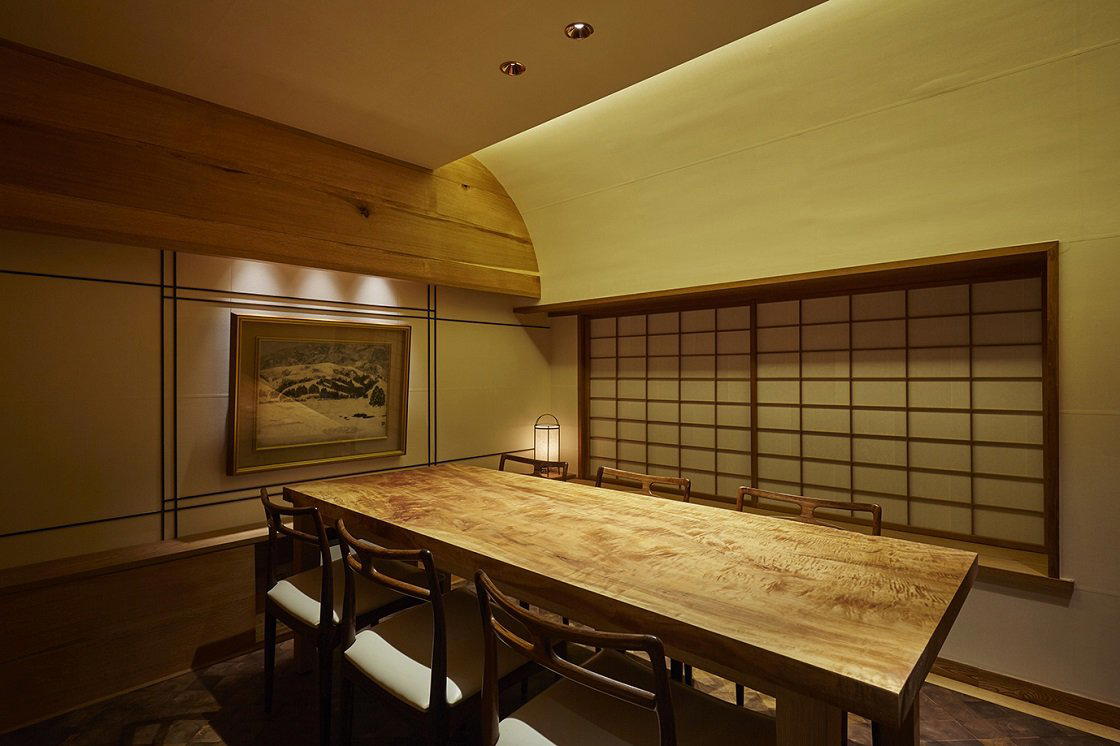


Bars in Osaka
All bars in Osaka →
Hotels in Osaka
All hotels in Osaka →



Wineries in Osaka
Browse all →
Details
- Elegant
- Intimate
- Sophisticated
- Quiet
- Special Occasion
- Date Night
- Open Kitchen
- Chefs Counter
- Sake Program
- Local Sourcing
- Organic
- Farm To Table
- Omakase
- Counter Dining
- Tasting Menu
- Sake
- Burgundy Wine
- Pescatarian Friendly
- Allergy Accommodating
Current opening hours
- Monday
- 5 PM–12 AM
- Tuesday
- 5 PM–12 AM
- Wednesday
- 5 PM–12 AM
- Thursday
- 5 PM–12 AM
- Friday
- 5 PM–2 AM
- Saturday
- 5 PM–2 AM
- Sunday
- 5 PM–12 AM
Hours can change for holidays and private events. Hours as of .
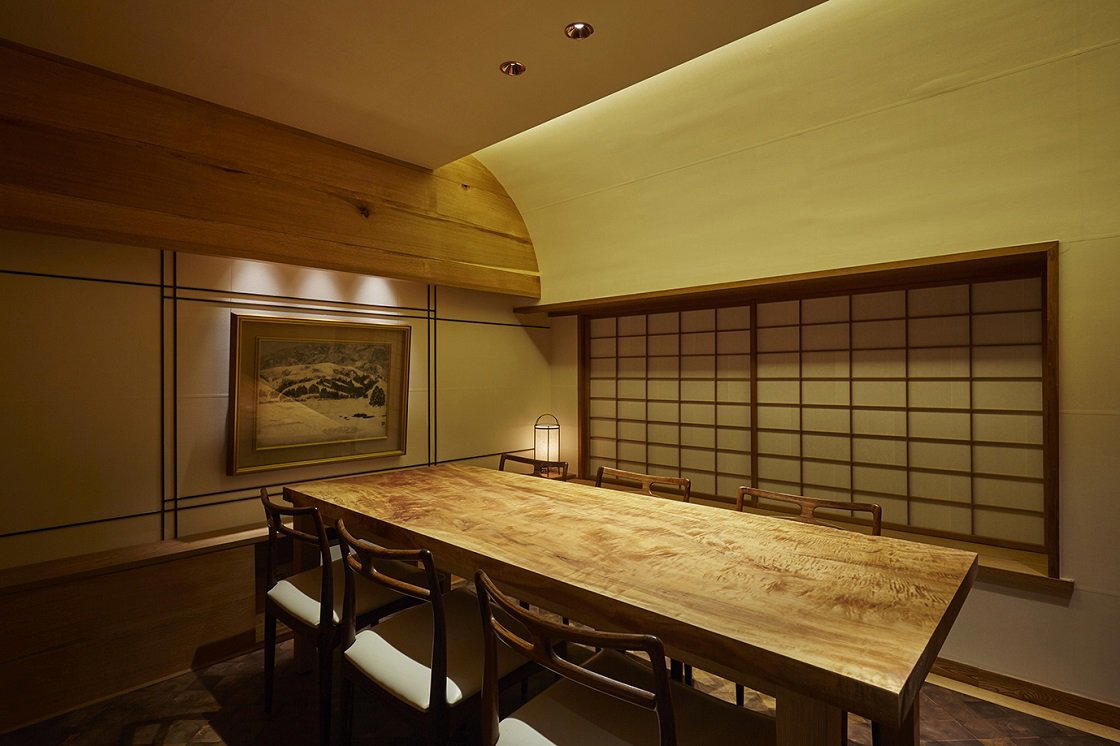
Intimate and contemplative setting with soft light glancing off lacquer and pottery; handcrafted vessels and antique Baccarat tableware create a refined, unhurried atmosphere where time seems to decelerate.