
1 Michelin Star
Our verdict
Kaishoku Shimizu holds a Michelin star in Osaka's Kita Ward, operating from a Dojimahama address that places it within the city's serious kaiseki tier. Chef Toshihiro Shimizu approaches ingredients through an agricultural lens, pairing seafood with seasonal vegetables to explore contrast rather than comfort. The house-made soba, topped with dried mullet roe or seasonal tempura, anchors a menu built around the logic of each season.

Pearl is the En Primeur Club membership app, where members save venues, book tables and use the concierge.
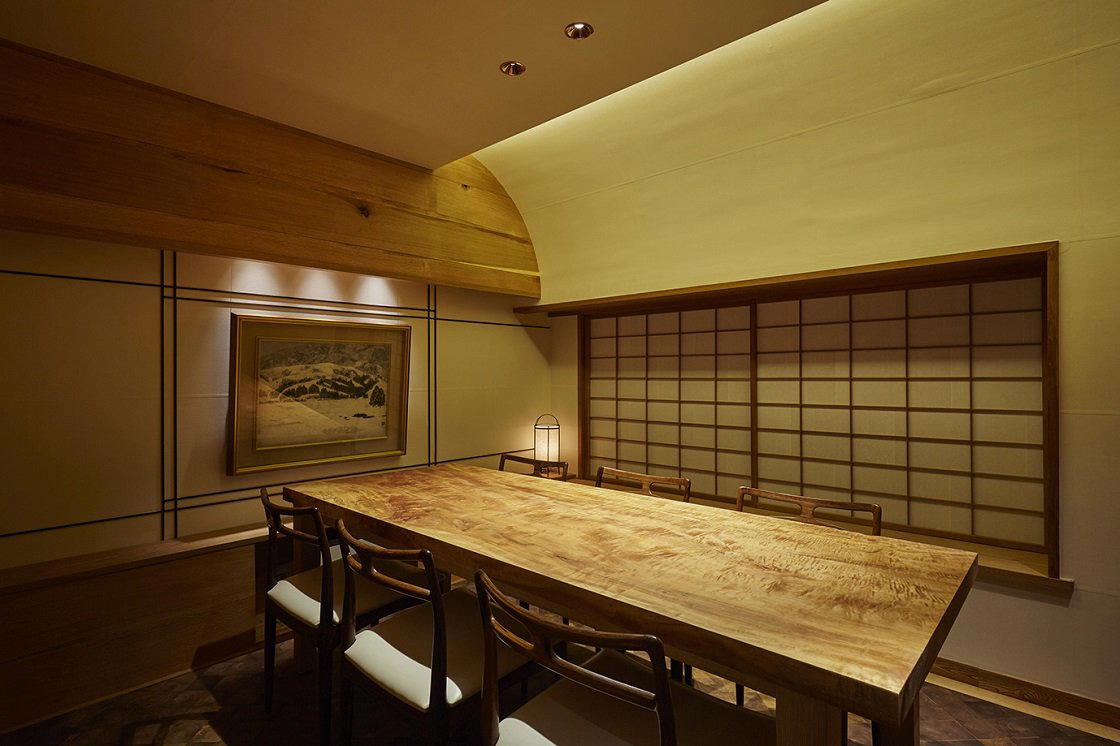
Marking the Occasion at Dojimahama
There is a particular geography to Osaka's milestone dining. The city's most considered restaurants tend to cluster away from Dotonbori's theatre, in quieter addresses where the room itself does the work of signalling that a meal matters. Dojimahama, the riverfront stretch in Kita Ward, occupies exactly that register. The Okawa runs past, the commercial pace of central Osaka softens, and the premises along this corridor attract the kind of diner who has decided, in advance, that the evening is worth the attention. Kaishoku Shimizu sits at 1 Chome-2-1 Dojimahama within this context, a Michelin one-star address (2024) that draws its guests not for spectacle but for precision.
The name itself carries the intention. "Kaishoku" is a coined compound, constructed to express the wish that guests will delight in dining with all their hearts. That is a different ambition from the conventional kaiseki framing, which often prioritises formal elegance over emotional warmth. It also sets a useful expectation for the occasion diner: this is not a room where you sit in silence observing ceremony. The goal, at least by the logic embedded in the restaurant's own name, is genuine pleasure.
Where Shimizu Sits in Osaka's Starred Tier
Osaka's Michelin map at the ¥¥¥ price point contains several serious addresses. Kashiwaya Osaka Senriyama operates at three stars in the same cuisine category and price tier, setting a ceiling for what the city's Japanese fine dining can reach. Taian also holds three stars at ¥¥¥. Kaishoku Shimizu, at one star and the same price bracket, competes with those addresses for the occasion-dining audience without attempting to replicate their scale of recognition. The result is a positioning that suits the diner who wants seriousness without the weight of three-star formality, and who values a meal that feels personal rather than institutional.
For those who want to compare across the wider Kansai region, Gion Sasaki in Kyoto and akordu in Nara represent alternative readings of what a starred occasion meal can mean in western Japan. Each city inflects the experience differently: Kyoto through ceremony and restraint, Nara through proximity to nature, Osaka through a directness and appetite that shapes even the most refined rooms. Kaishoku Shimizu is an Osaka restaurant in that respect. It does not perform quietude for its own sake.
Beyond Kansai, the comparison set for this style of ingredient-first Japanese cooking includes Harutaka in Tokyo, Myojaku in Tokyo, and Azabu Kadowaki in Tokyo, all of which operate in the same zone of rigorous sourcing and counter or intimate-room formats. The regional character shifts considerably, but the underlying logic of letting ingredients carry the argument is shared. Goh in Fukuoka and 6 in Okinawa extend that reference set further south, each with a distinct local larder informing the plate.
The Menu's Agricultural Logic
Toshihiro Shimizu studied agriculture as a deliberate act of inquiry, not as supplementary credentialing. The goal was to understand ingredients at the source level before constructing a menu around them. That orientation produces a particular kind of cooking: one where a single dish may pair seafood with vegetables to explore contrasts in flavour, treating the pairing as an argument about what each ingredient does to the other rather than as a conventional garnish relationship. The produce is not backdrop. It is half the conversation.
The house-made soba expresses this seasonal logic most directly. Topped with dried mullet roe (karasumi) or mixed tempura fritters assembled around whatever the season offers, the soba course is where the kitchen's argument about time of year becomes most legible. Karasumi is a late-autumn and winter ingredient in Japan, intensely saline and rich, and its pairing with buckwheat noodles is a specifically Japanese understanding of how strong flavours can anchor a delicate base. The tempura fritters, varying by season, shift the same dish across the calendar. For the occasion diner, this means the meal dated to a specific anniversary or birthday will not be the same meal as the one taken six months earlier or later. The menu is, in that sense, a record of when you were there.
This approach places Kaishoku Shimizu in a broader current of Japanese fine dining that prioritises agricultural traceability and seasonal honesty over the kind of fixed showpiece menu that landmark occasions sometimes attract. Oimatsu Hisano, Miyamoto, and Tenjimbashi Aoki each take their own positions within Osaka's serious Japanese dining tier; what distinguishes Shimizu's angle is the degree to which agricultural inquiry, rather than culinary lineage or classical form, generates the menu's decisions. Yugen represents another facet of the same conversation, applying its own framework to the question of what Osaka's fine dining can mean.
Timing the Visit
The seasonal logic of the menu makes the timing of a visit to Kaishoku Shimizu more consequential than at restaurants with fixed tasting formats. Autumn and early winter, when karasumi appears and the mountain vegetable harvest has fully given way to the season's preserved and fermented offerings, represent one compelling window. Late spring, when Osaka's markets shift toward lighter produce and the contrast-pairing logic of the menu can work with fresher, higher-water-content ingredients, offers a different but equally argued version of the same cooking. Neither period is definitively preferable; the point is that the season changes what you eat, and matching your occasion to a season you want to commemorate adds a layer of meaning the menu is built to support.
For broader planning around a visit to the city, our full Osaka restaurants guide covers the range of options across cuisine type and price tier. Our full Osaka hotels guide, our full Osaka bars guide, our full Osaka wineries guide, and our full Osaka experiences guide round out the picture for a multi-day stay anchored by a meal at this level. The Dojimahama address is accessible from central Osaka without difficulty; the riverfront location makes it a natural endpoint for an afternoon that begins in Umeda or Nakanoshima.
This is a restaurant that functions on reservation depth and word-of-mouth within Japan's serious dining community, not on volume. Comparably positioned Tokyo addresses such as 1000 in Yokohama operate on similar principles: small, precise, and built for guests who have made a deliberate choice to be there.
Planning Your Visit
At ¥¥¥ pricing, Kaishoku Shimizu sits in the same bracket as multi-star Osaka competitors including Kashiwaya and Taian, which positions it as occasion-level spending without the premium that three-star recognition tends to add to the comparable experience in Tokyo or Kyoto. For a milestone meal in Osaka at this price point, the one-star address with a clear culinary point of view offers a different kind of value than a more ceremonially weighted room. Reservations at restaurants of this standing in Japan are typically required well in advance, and for high-demand dates (anniversaries, New Year's season, Golden Week), planning several months out is advisable. Specific booking channels, hours, and contact details are best confirmed directly or through a concierge service familiar with Osaka's dining scene, as operational details at this level of restaurant can change without public notice.
Frequently asked questions
What should I eat at Kaishoku Shimizu?
The house-made soba is the menu's most characterful course and the clearest expression of what the kitchen does with seasonal ingredients. Toppings rotate with the calendar: dried mullet roe (karasumi) in cooler months, mixed tempura fritters assembled from whatever produce the season offers at other times. The broader menu pairs seafood with vegetables in a contrast-led approach informed by Toshihiro Shimizu's agricultural background, so the direction of any given meal depends significantly on when you visit. The 2024 Michelin star confirms that the kitchen's standards across the full menu are consistent. For wider reference on Osaka's Japanese fine dining, see Kashiwaya Osaka Senriyama, which holds three stars in the same cuisine category and price tier and provides a useful comparison point for what the city's leading end looks like at a different scale of recognition.
Is Kaishoku Shimizu reservation-only?
Restaurants at this standing in Osaka operate on reservation, and walk-in availability at a Michelin-starred address in Kita Ward should not be assumed. For milestone dates or travel that centres the meal as the primary occasion, securing a reservation as far in advance as possible is the practical approach. Specific booking methods are best confirmed through the restaurant directly or via a specialist concierge; the address at 1 Chome-2-1 Dojimahama, Kita Ward, Osaka provides the location anchor for any reservation inquiry. For context on how this fits into Osaka's broader dining tier at ¥¥¥, the city's starred Japanese restaurants across this price point all operate on pre-booked formats.
Peers in This Market
A small set of peers for context, based on recorded venue fields.
| Venue | Cuisine | Price | Awards | Notes |
|---|---|---|---|---|
| Kaishoku ShimizuThis venue (the venue you are viewing) | Modern Kaiseki | $100–150 | 1 Michelin Star | Not listed |
| HAJIME | Avant-Garde Japanese Fine Dining | $300–500 | 3 Michelin Stars · World's 50 Best #83 | French, Innovative |
| La Cime | Modern French with Japanese Ingredients | $150–200 | 2 Michelin Stars · World's 50 Best #13 | French |
| Kashiwaya Osaka Senriyama | Seasonal Kaiseki Omakase | $200–300 | 3 Michelin Stars · La Liste Top Restaurants | Japanese |
| Taian | Traditional Japanese Kaiseki Omakase | $150–200 | 3 Michelin Stars · La Liste Top Restaurants | Kaiseki, Japanese |
| Fujiya 1935 | Modern Japanese with European influences | $100–150 | 2 Michelin Stars · La Liste Top Restaurants | Innovative |
Recognition history
Dated appearances from independent guides and award organizations, with the underlying list record or original source where available.
Michelin 1 Star
Michelin
Full recognition history (2 entries)
Michelin 1 Star
Michelin
Continue exploring
More in Osaka
Restaurants in Osaka
All restaurants in Osaka →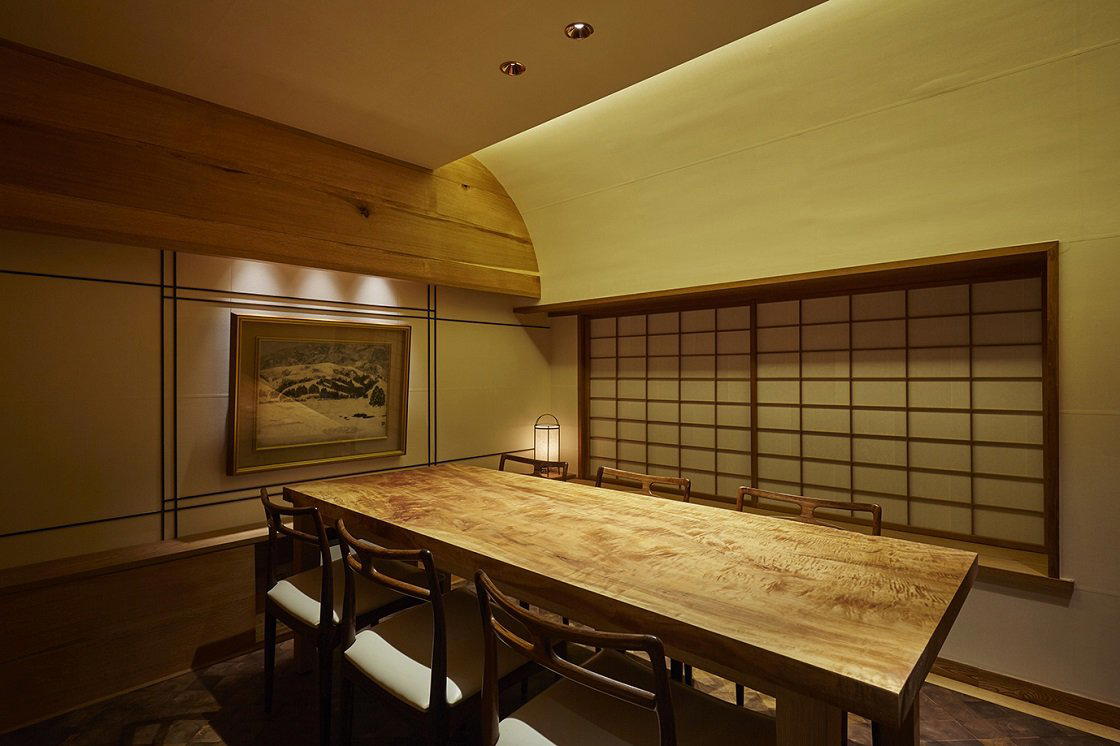


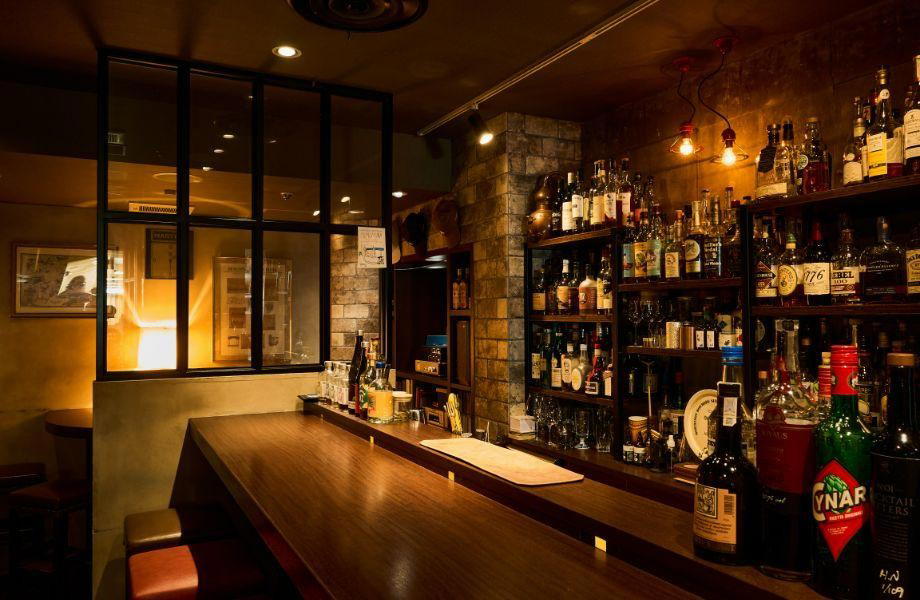
Bars in Osaka
All bars in Osaka →


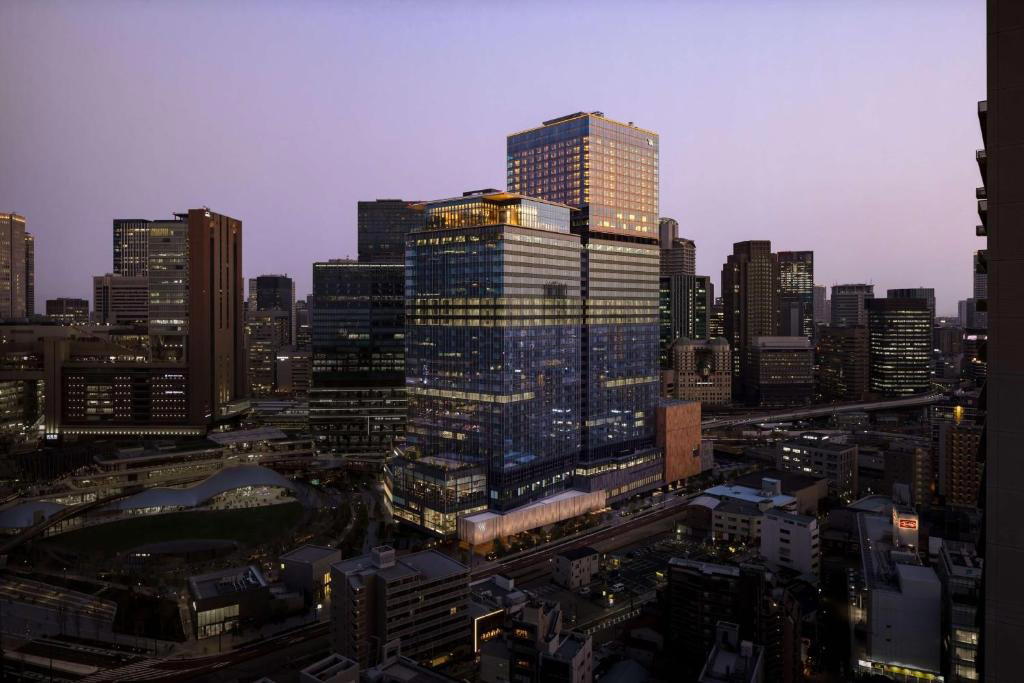
Hotels in Osaka
All hotels in Osaka →



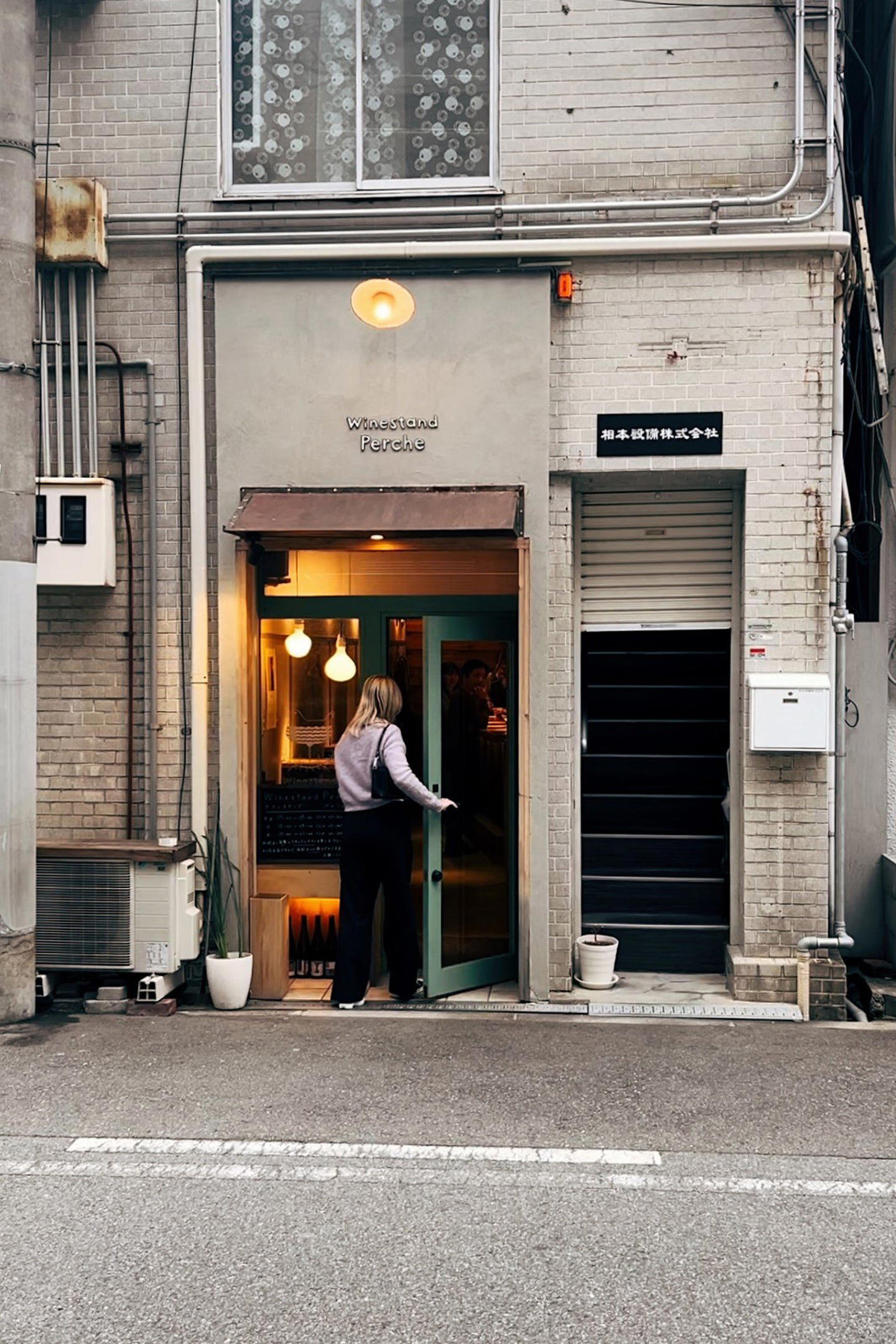
Wineries in Osaka
Browse all →
Details
- Elegant
- Intimate
- Sophisticated
- Date Night
- Special Occasion
- Chefs Counter
- Private Dining
- Sake Program
- Tasting Menu
Current opening hours
- Monday
- 5:30 AM–10 PM
- Tuesday
- 5:30 AM–10 PM
- Wednesday
- 5:30 AM–10 PM
- Thursday
- 5:30 AM–10 PM
- Friday
- 5:30 AM–10 PM
- Saturday
- 5:30 AM–10 PM
- Sunday
- 5:30 AM–10 PM
Hours can change for holidays and private events. Hours as of .
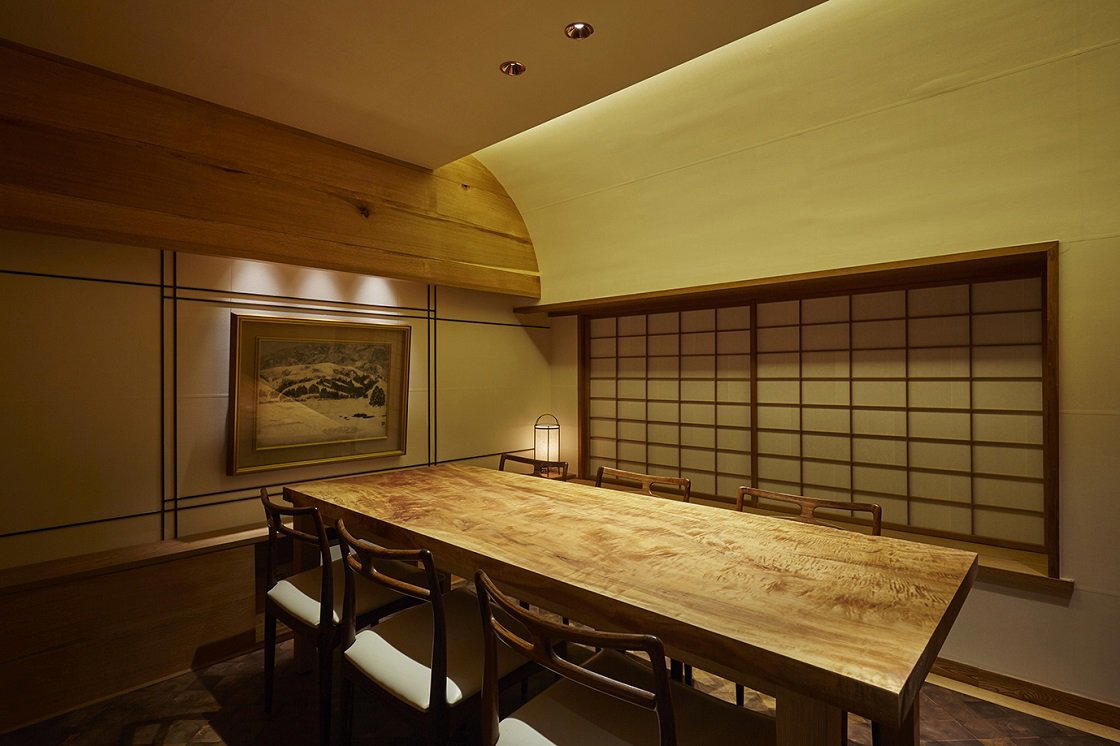
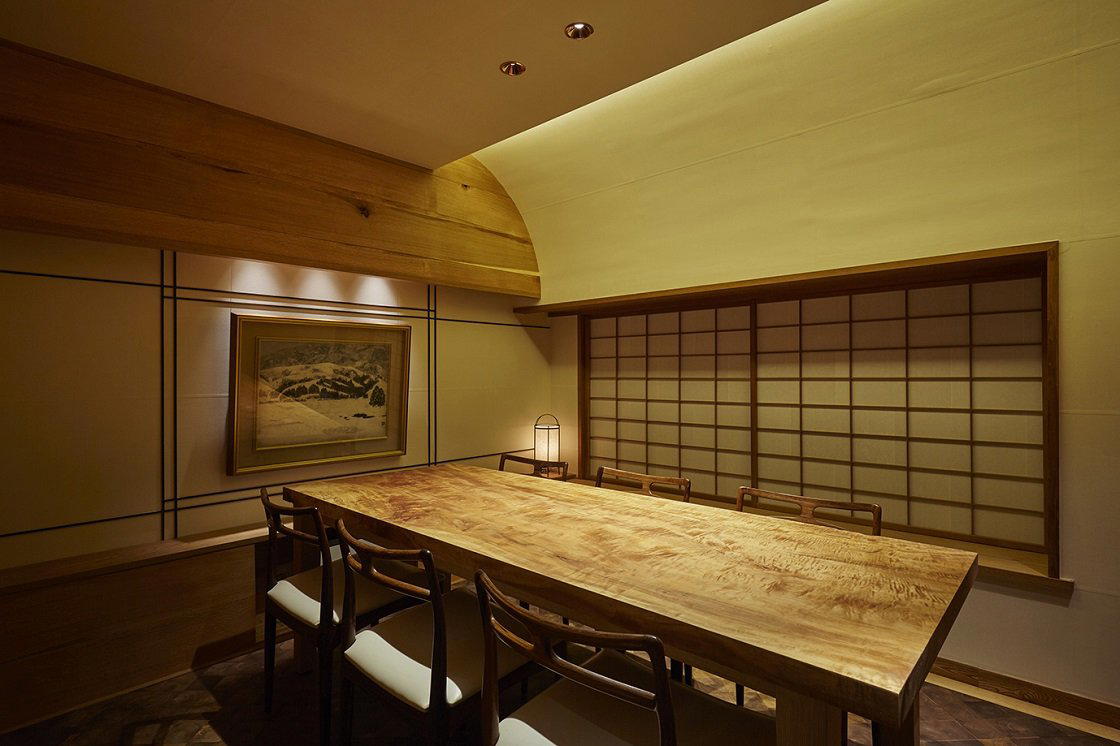
Intimate counter seating and private tatami rooms create a refined, serene atmosphere focused on the culinary artistry.