Doori

Doori sits in a Seocho-gu basement counter, earning a Michelin Plate in 2025 for Korean cooking that draws from the country's street food and market traditions rather than formal royal court convention. At a mid-range ₩₩₩ price point, it occupies a tier below Seoul's starred Korean houses while holding its own against the city's growing roster of serious neighbourhood dining rooms.
Pearl is the En Primeur Club membership app — saves, bookings, and concierge access live there. Same editors, same standards.
- Address
- 12 Seochojungang-ro 24-gil, Seocho-gu B1F, Seoul, South Korea
- Phone
- +82 50-71409-3655
- Directions
- Get directions
 Saves & bookings on Pearl
Below Street Level in Seocho, Where Korean Cooking Gets Honest
The basement entrance at 12 Seochojungang-ro 24-gil signals something deliberate. In a city where restaurant prestige often arrives through height, light, and panoramic views, choosing to go underground is a statement about what matters inside. Seocho-gu is not the neighbourhood Seoul food media defaults to when writing about Korean fine dining, which clusters more visibly in Gangnam and the Bukchon corridor. That relative quiet works in Doori's favour. Without the foot traffic of a restaurant row to lean on, the cooking has to carry the room.
The Street Food Thread Running Through Korean Dining
To understand what Doori represents, it helps to understand the split at the centre of Korean restaurant culture. On one side sit the formal houses, places like Onjium, La Yeon, and Gaon, that frame Korean cuisine through the lens of royal court tradition, with multi-course formats, careful plating, and price points to match. On the other side is an older, louder inheritance: the pojangmacha stalls selling tteokbokki in chilli-glazed heat, the hotteok vendors pressing brown sugar into street-side griddles, the kimbap rolled fast and eaten standing up at a market counter.
Most of Seoul's starred Korean restaurants have made their peace with the first tradition and kept a polite distance from the second. The more interesting question, as Korean cuisine earns sustained international attention, is what happens when serious cooks treat the market and the pojangmacha as primary sources rather than nostalgia. That framing places Doori in a recognisable current in Seoul dining: mid-range Korean rooms that take popular cooking seriously rather than using it as garnish for something more formally European in structure.
Abroad, Korean kitchens working in this register have built genuine followings. bōm in New York City and DOSA in London both draw on Korean everyday food rather than court cuisine, and Jeju Noodle Bar in New York has demonstrated how deeply a diaspora audience will engage with regional specificity when the cooking is given full attention. Back in Seoul, the same appetite exists.
Where Doori Sits in the Seoul Price Tier
Seoul's Korean restaurant scene distributes across a clear pricing structure. At the leading end, single-starred houses like Onjium and contemporary Korean rooms at the ₩₩₩₩ bracket, including Kwonsooksoo and Bicena, position themselves as destination dining, where a single meal represents a considered evening commitment. The ₩₩₩ tier, where Doori operates, functions differently. It draws the regular local diner rather than the occasion visitor, and it must justify repeat visits rather than once-a-year pilgrimages.
Holding a Michelin Plate at that price point is a meaningful signal. The Plate designation in Michelin's system marks kitchens where inspectors found cooking good enough to note without yet ascending to star territory. In Seoul, where competition at every price point is intense and the guide covers the city comprehensively, a Plate at ₩₩₩ puts Doori in a category where the food is being taken seriously by the people whose job is to be hard to please. For comparison, starred houses in Seoul at the ₩₩₩₩ tier, like the contemporary French room Kwonsooksoo or the innovation-driven Mingles, operate with different cost structures, longer reservation windows, and higher per-head expectations. Doori's position is below that tier in price, which means diners arrive with different expectations and leave with different calculations about value.
Seocho-gu as a Dining Address
Seocho sits south of the Han River, administratively adjacent to Gangnam but with a residential density that keeps it quieter than the main commercial corridors of Apgujeong or Cheongdam. The area has a strong local dining culture built on neighbourhood regulars rather than tourist footfall, which suits the kind of cooking that rewards familiarity. Restaurants that build loyal followings in Seocho tend to do so through consistency and price discipline, the diner coming twice a month will calibrate expectations differently from one visiting once per trip.
The basement format at Doori removes it further from passing trade. In Seoul, basement dining rooms often carry a specific atmosphere: lower ceilings, warmer light, sound that collects differently than in street-level rooms. Whether that translates to intimacy or compression depends on execution, but the format choice aligns with the broader sensibility of a room that is aiming at regulars rather than at the kind of grand-gesture occasion dining that Seoul's upper-end Korean houses have refined.
Korean Cooking Beyond Seoul
For readers building a wider picture of Korean dining in and out of the capital, the range extends considerably. Mori in Busan represents the port city's own approach to serious Korean cooking, shaped by different seafood access and a distinct regional palate. Baegyangsa Temple in Jangseong-gun offers temple food in its original context rather than as a city restaurant approximation. And for formal Seoul Korean at its most structured, Gaon and Kwon Sook Soo in Gangnam-gu mark the upper end of the scale.
For planning Seoul dining across categories, EP Club's city guides cover the full range: our full Seoul restaurants guide, our full Seoul hotels guide, our full Seoul bars guide, our full Seoul wineries guide, and our full Seoul experiences guide.
Planning a Visit
Doori is at 12 Seochojungang-ro 24-gil, Seocho-gu, on the basement level. The ₩₩₩ price bracket puts it in a range where a full meal lands meaningfully below the starred Korean houses while still representing a considered spend for a weeknight dinner. Given a 5.0 rating across 2 reviews, same-day walk-ins are unlikely to be the reliable option, particularly on weekend evenings.
Frequently Asked Questions
- What is the must-try dish at Doori?
- No specific menu items are confirmed. Asking the room for whatever reads most rooted in that register is a more reliable guide than any fixed dish recommendation.
Just the Basics
Comparable venues nearby, for context on price, style, and recognition.
| Venue | Cuisine | Price | Notes |
|---|---|---|---|
| DooriThis venue — the venue you are viewing | 효창동, Modern Korean Fine Dining | $$$$ | Not listed |
| Restaurant Jueun | Not listed | $$$$ | 효자동, Modern Traditional Korean Fine Dining |
| Joo Ok Restaurant | Not listed | $$$$ | Sajik-dong, Contemporary Korean Fine Dining |
| Mater | Not listed | $$$ | 압구정동, Asian Nordic Fusion with Fermentation Focus |
| Samwon Garden | 압구정동, Premium Korean Hanwoo Galbi BBQ | $$$$ | Not listed |
| Chaconne | Not listed | $$$$ | 잠원동, French Contemporary with Korean and Japanese influences |
Recognition history
Dated appearances from independent guides and award organizations, with the underlying list record or original source where available.
Michelin Plate
Michelin
Continue exploring
More in Seoul
Restaurants in Seoul
Browse all →
At a Glance
- Minimalist
- Elegant
- Intimate
- Sophisticated
- Cozy
- Date Night
- Special Occasion
- Open Kitchen
- Sake Program
- Zero Waste
- Local Sourcing
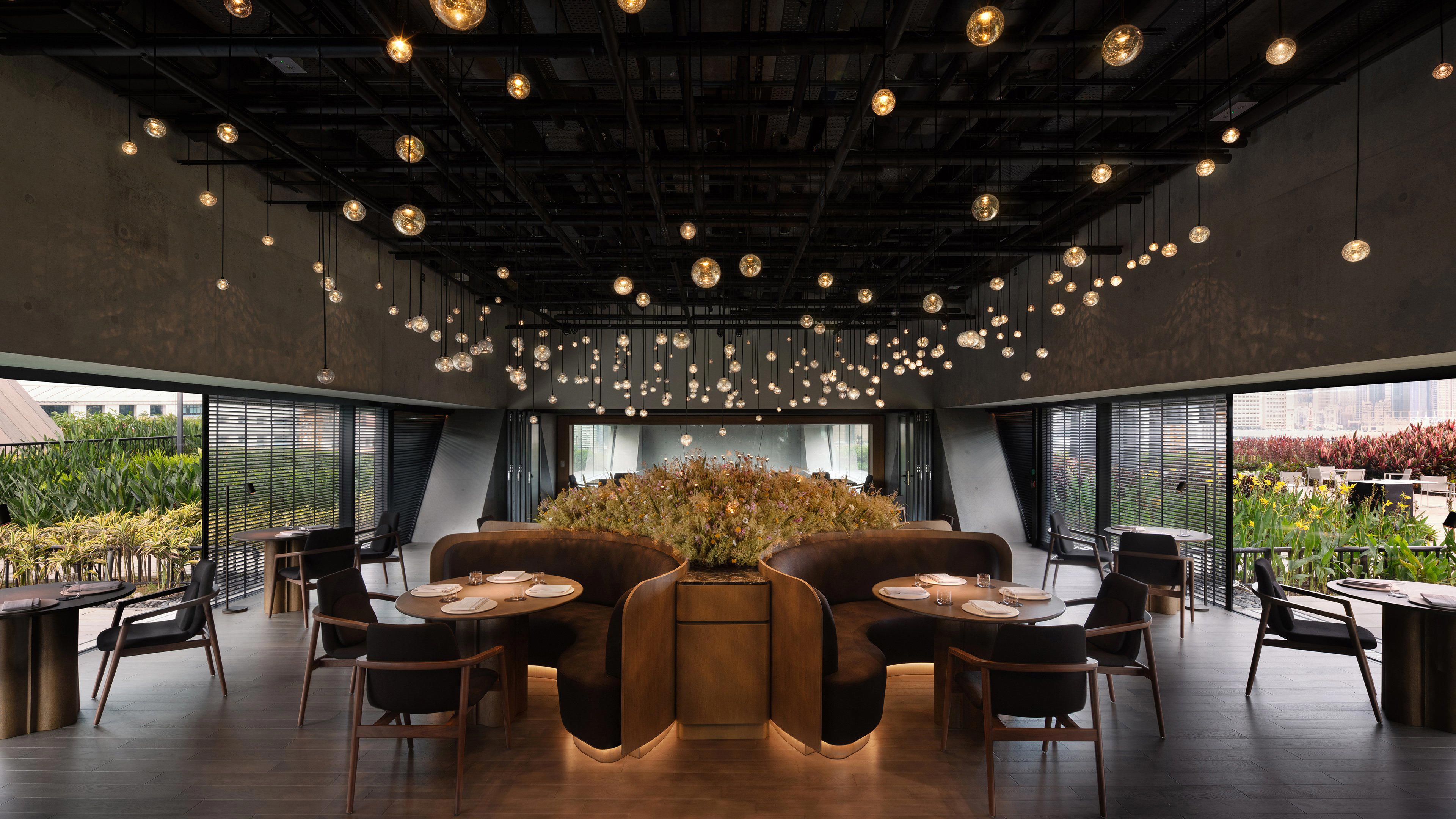
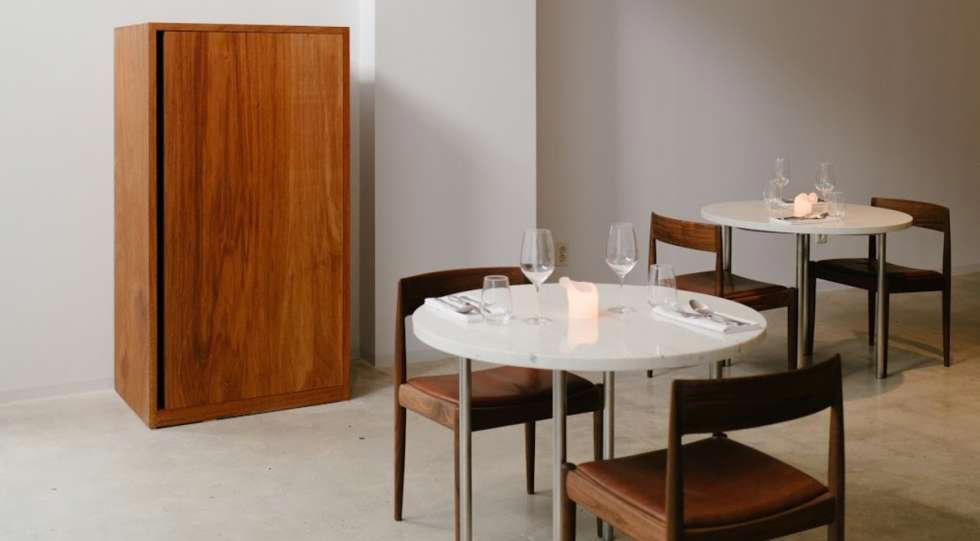
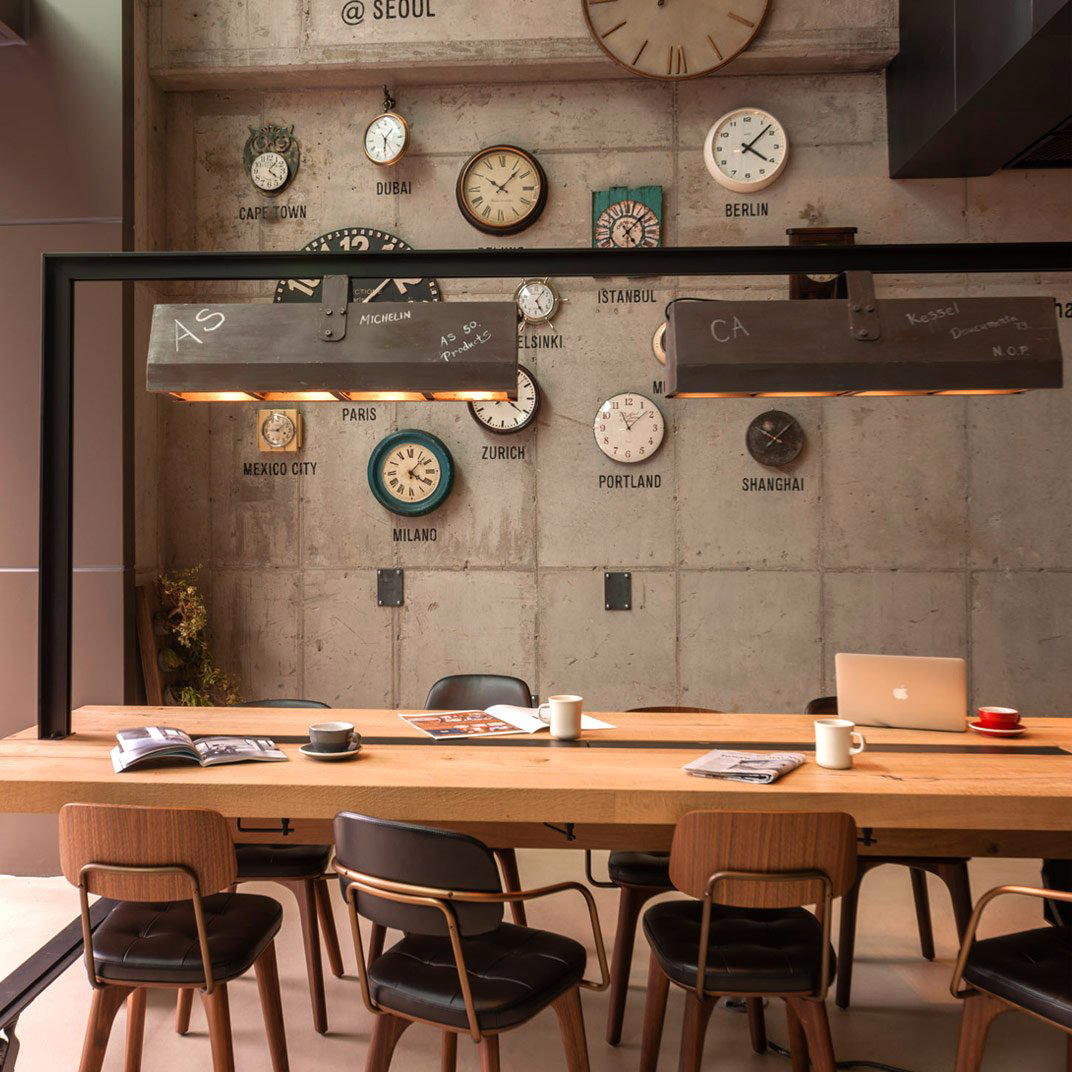
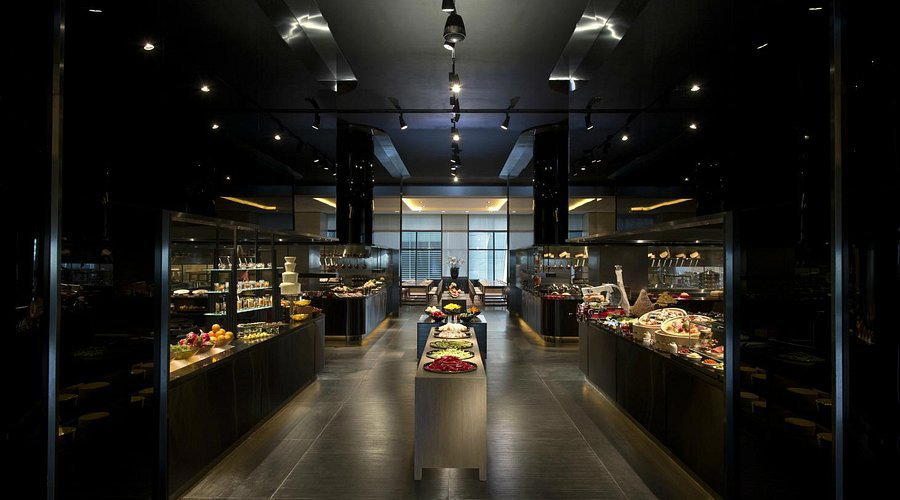
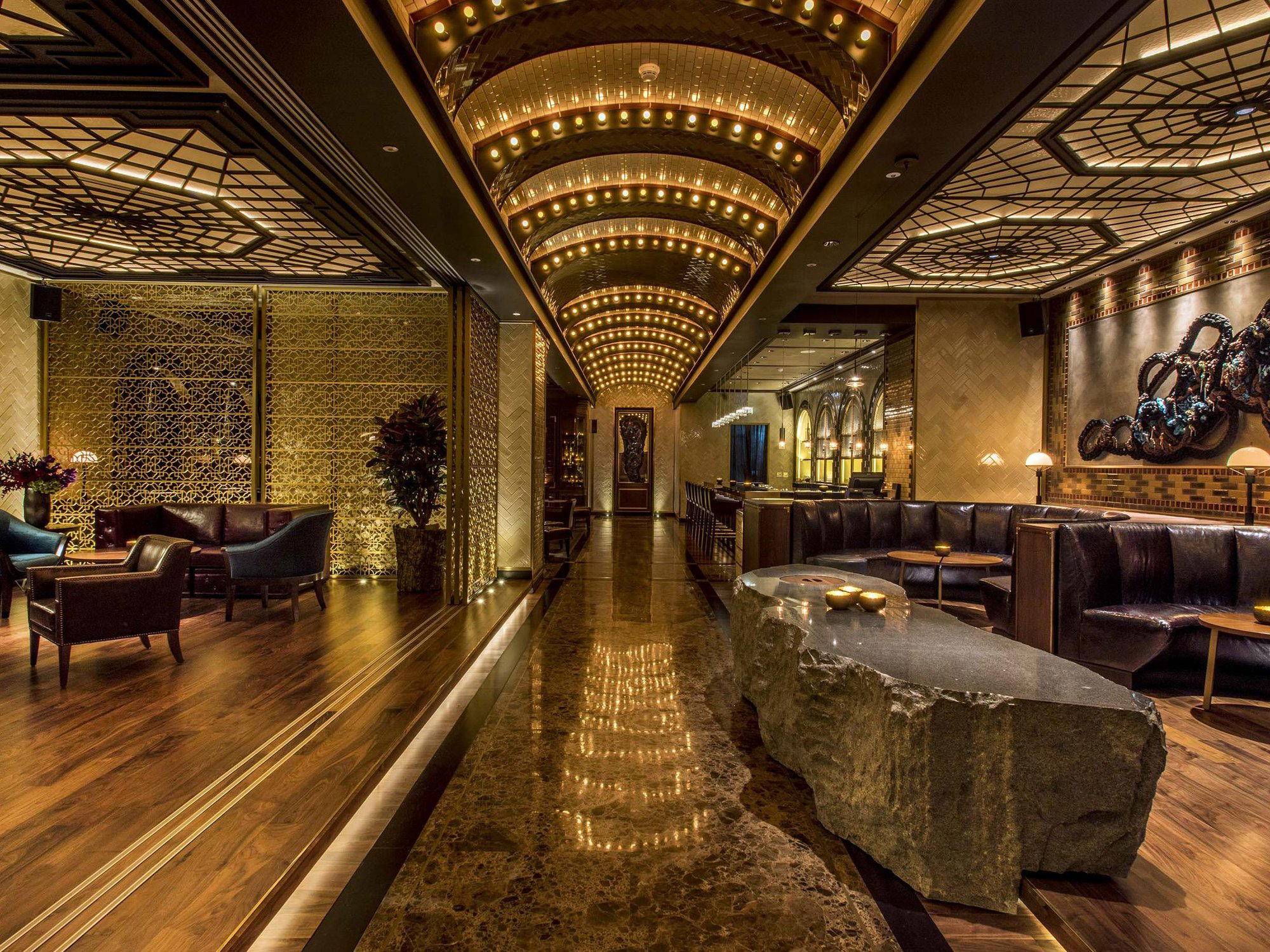
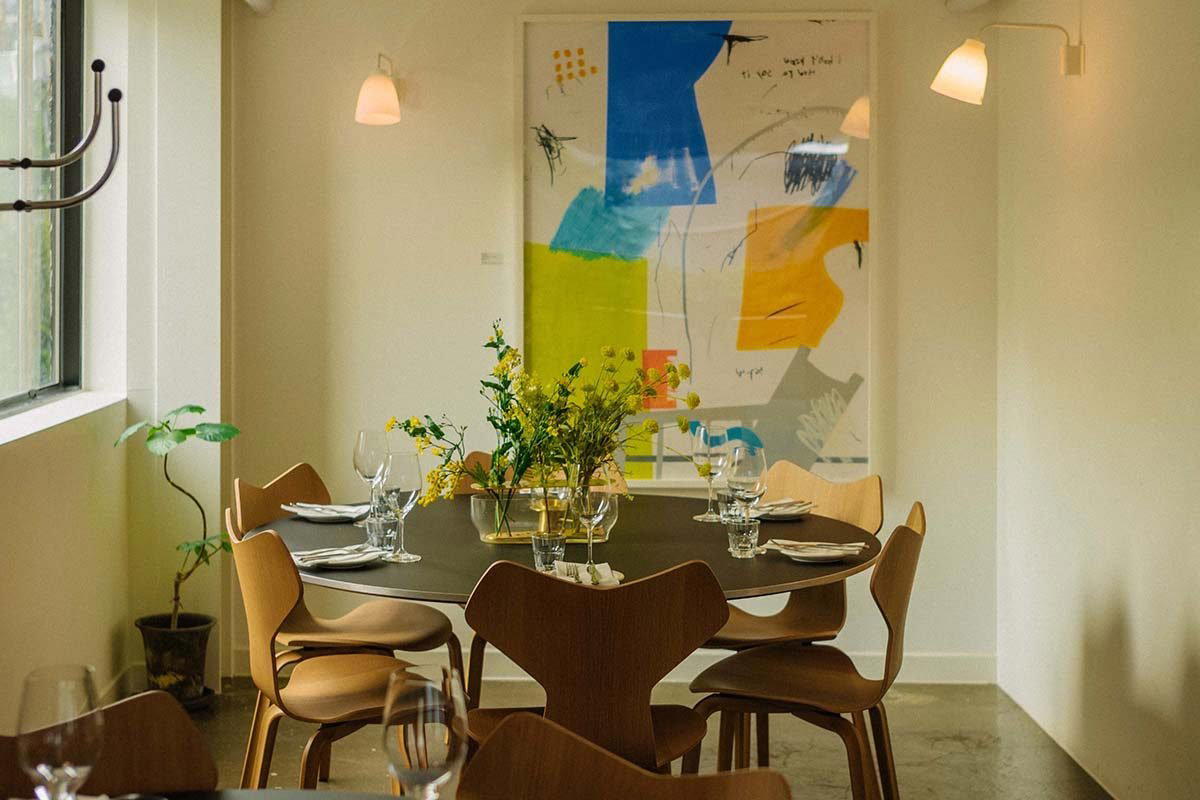
Serene minimalist space with neutral tones, clean lines, natural textures, and soft lighting that emphasizes quiet sophistication and slow dining.