
An eight-seat Nihonbashi yakitori counter selected for Tabelog 100 Yakitori EAST in 2024 and 2025, Sumiyaki TORI8 belongs to Tokyo’s compact, reservation-only charcoal-grill tier. The draw is not breadth but progression: chicken and smoke handled as a paced sequence, with sake, shochu and wine treated as part of the meal rather than an afterthought.
Pearl is the En Primeur Club membership app — saves, bookings, and concierge access live there. Same editors, same standards.
- Address
- 東京都中央区日本橋2-10-11 Ordin日本橋ビル 8F
- Phone
- +81369103830
- Website
- tabelog.com
 Saves & bookings on Pearl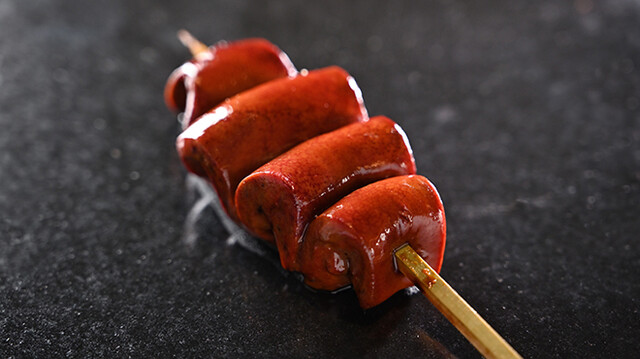
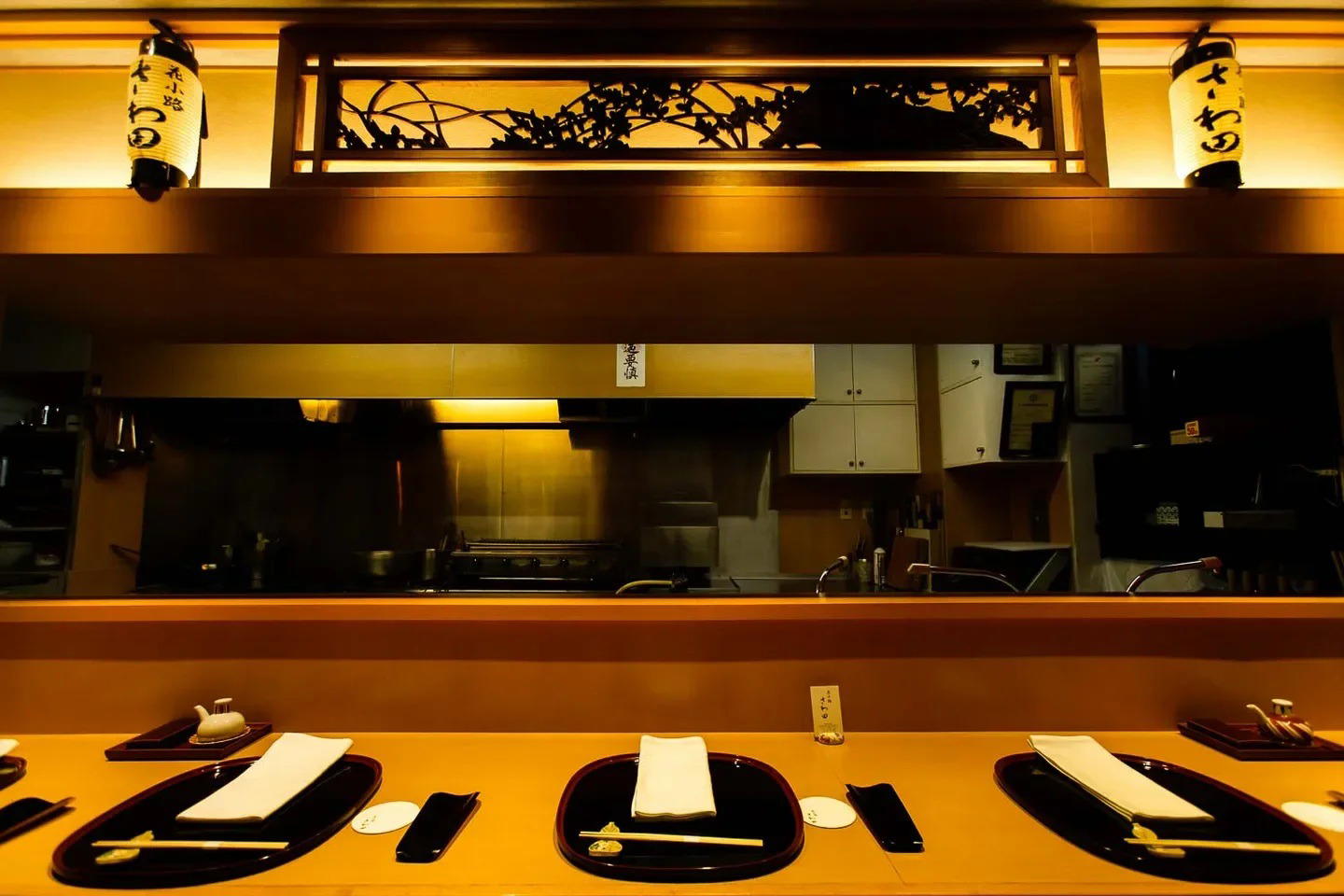
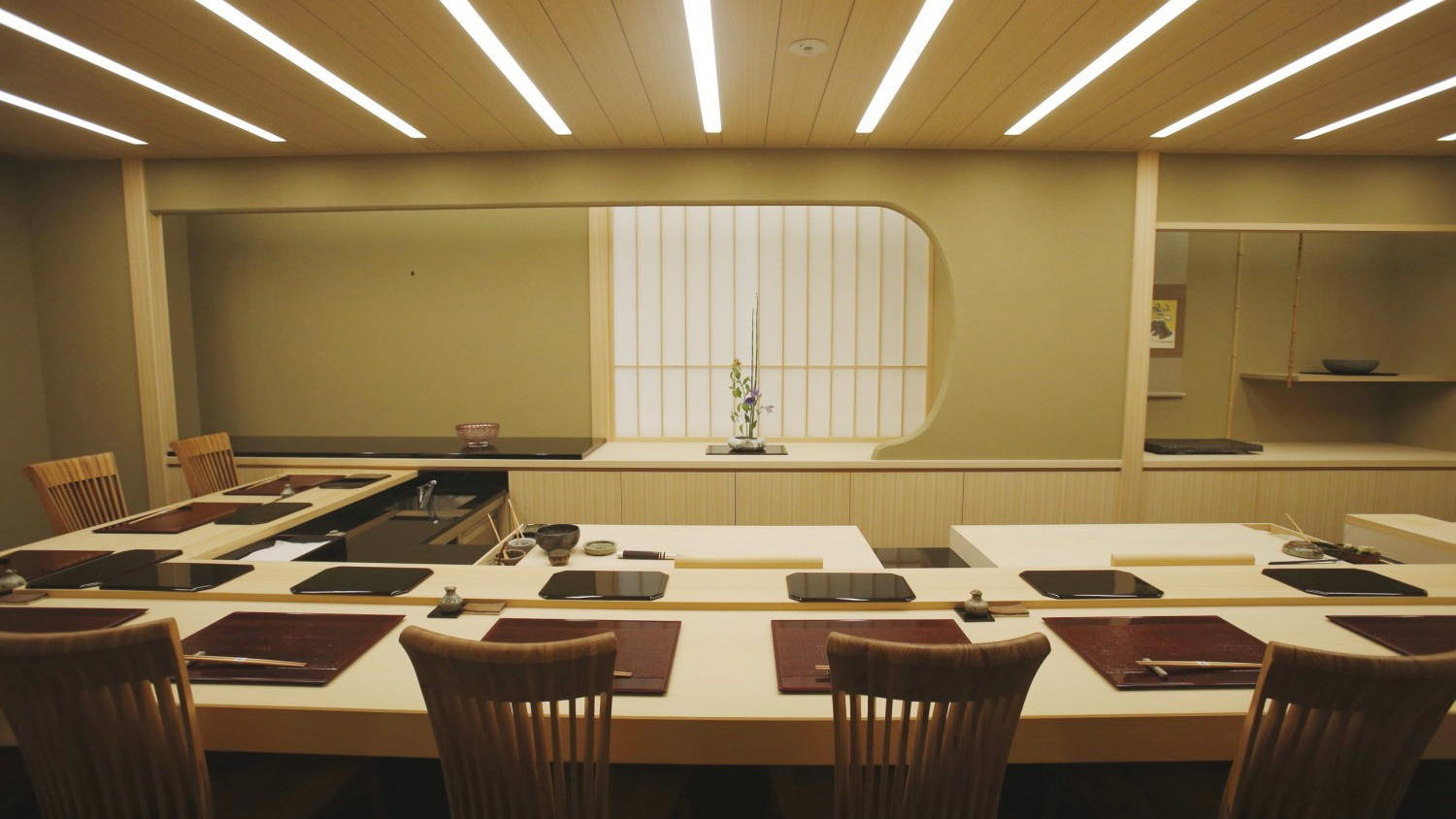
On an upper floor in Nihonbashi, the yakitori counter changes register. The old merchant district has the polish of department stores, offices and long-running dining rooms, but serious evening meals often happen behind elevator doors, not street-level theatre. Here, an eight-seat charcoal counter is not a casual skewer stop; it is a paced performance of heat, timing and restraint, closer in rhythm to sushi or tempura than to the beer-first yakitori image many visitors bring to Tokyo.
Tokyo’s premium yakitori culture has tightened around small counters, fixed seatings and close grill control. That matters because chicken is unforgiving at this tier: breast, thigh, skin, liver and cartilage need different heat, rest and seasoning. A multi-course yakitori meal works only when progression is structure, not accumulation. Sumiyaki TORI8 sits in that newer bracket, with counter seating, a sommelier presence, and selection for Tabelog 100 Yakitori EAST in both 2024 and 2025. Those signals place it among the city’s specialist grill rooms rather than broad izakaya dining.
Yakitori treated as a tasting sequence, not a skewer checklist
The meal’s logic is the story. At higher-end yakitori counters, the sequence usually moves through contrast: leaner cuts against richer ones, crisp skin against softer muscle, offal against familiar chicken, salt-led courses against sauce-led ones. The format rewards patience. Diners looking for volume or speed miss the point; diners interested in how charcoal changes texture over successive bites are in the right category.
This is where Tokyo’s yakitori scene differs sharply from many overseas interpretations. The technique is not simply grilling chicken over charcoal. It is portioning, skewering, turning, seasoning and resting so each cut has a defined role. The counter lets the room see that labor without turning it into spectacle. The result is a dining arc built from repetition with variation, where the same fire keeps producing different outcomes.
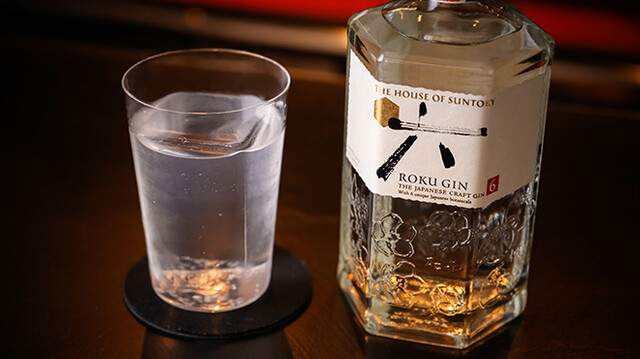
That arc also explains why drinks matter. The listed program includes sake, shochu and wine, with a sommelier available. In yakitori, that range is not decorative. Sake handles salt and smoke; shochu has the dryness to cut fat; wine pushes the format into a contemporary Tokyo register. Wine alongside Japanese drinks reflects a broader pattern in premium counters, where the beverage program helps define the audience as much as the cooking.
Nihonbashi gives the counter a quieter kind of authority
Nihonbashi suits this style because the neighbourhood has never needed to shout. Compared with Ginza, it carries less fashion pressure; compared with Ebisu or Nakameguro, less late-night looseness. Its dining identity is shaped by business entertaining, old Tokyo commerce and compact restaurants for people who value precision over novelty. A charcoal counter in this district reads differently from the same format in a nightlife quarter.
Nearby comparisons frame the decision. Tempura Asanuma puts another single-technique Japanese tradition into a focused Tokyo format, while Yakitori Takahashi is an obvious reference for diners comparing specialist chicken counters. Miyako Zushi and Imahan point to neighbouring traditions, sushi and sukiyaki, that have long trained Tokyo diners to respect sequence, temperature and service tempo. The common thread is concentration: narrow formats testing execution.
For a wider Tokyo itinerary, the useful contrast is between specialist counters and broader city grazing. A yakitori night in Nihonbashi pairs naturally with research across Our full Tokyo restaurants guide, while hotel decisions belong in Our full Tokyo hotels guide because transport patterns shape late dinners. Drinking before or after is better planned through Our full Tokyo bars guide. Tokyo’s wine culture is thinner than its restaurant culture but increasingly relevant to counter dining, which makes Our full Tokyo wineries guide and Our full Tokyo experiences guide useful companions rather than separate silos.
How to read its place in Tokyo's dining hierarchy
Tabelog’s Hyakumeiten lists carry particular weight in Japan because they reward category depth. Consecutive Yakitori EAST selection says the restaurant is being judged within yakitori, not against French fine dining, sushi counters or hotel restaurants. That distinction matters for travellers. A Michelin star can pull a venue into international shorthand; a Tabelog 100 category selection often tells local diners the cooking belongs in a serious specialist conversation.
The price band reinforces that reading. This is not entry-level grilled chicken, but it sits below the city’s trophy sushi and kaiseki counters. The value question is about format discipline. Eight seats mean little margin for a weak sequence, and a fixed counter meal makes service tempo part of the experience. In Tokyo, where high-end dining can become a race for scarcity, this kind of restaurant is better judged by coherence: whether the fire, cuts, drinks and room operate as one controlled progression.
Not every traveller needs this meal. Those wanting variety in one night may prefer casual izakaya movement or a broader neighbourhood crawl. Those studying Japanese technique, or comparing charcoal cookery with tempura, sushi and sukiyaki, will understand the appeal faster. Sumiyaki TORI8 is most convincing in a Tokyo itinerary built around focused counters: one night for grill, one for sushi, one for tempura, each showing how narrow craft becomes a full dinner.
For a broader restaurant map, nearby and contrasting entries help prevent tunnel vision. Tokyo’s range runs from. 鮪と炭火焼き うお炭 秋葉原店 and 12/10 Shinjuku ten to 124. KAGURAZAKA (Yakitori), 2D Cafe and 3 Chome no Curry Ya San. Beyond the capital, the comparison widens through -Grilled beef Sukiyaki- KAMAKURA TANUKIAN 鎌倉 たぬき庵 in Kamakura.cafe in Osaka.know in Kumamoto, (Shoku) Vietnam in Kawasaki, [Curry Senmon Ten] Maruyama Kyoju. in Sapporo and [ki:] in Kyoto. Overseas Japanese dining can be checked against Jōdo Saké Bar in Los Angeles and Onigiri Time in Pasadena, useful reminders that Tokyo’s counter culture remains difficult to reproduce once distance, sourcing and service rhythm change.
Pricing, Compared
Side-by-side context: comparable cuisine and price.
| Venue | Cuisine | Price | Notes |
|---|---|---|---|
| Sumiyaki TORI8This venue — the venue you are viewing | Chūō, High-end Yakitori Omakase | $$$$ | Not listed |
| Torioka | Not listed | $$$$ | Azabudai, Minato Ward, Premium Yakitori Omakase |
| Inoue (井上) | Ginza, Modern Yakiniku | $$$$ | Not listed |
| Yakatabune Izanagi | Not listed | $$$$ | Shinagawa, Wagyu Omakase on Tokyo Bay Yakatabune |
| GINZA KOKORO | Not listed | $$$$ | Chūō, French-Inspired Kobe Beef Steakhouse |
| Azabu Muroi | Chūō, Seasonal Kaiseki Omakase | $$$$ | Not listed |
Recognition history
Dated appearances from independent guides and award organizations, with the underlying list record or original source where available.
Tabelog 100 #95 · No. 95
Tabelog · Tabelog 100 - Yakitori - EAST - 2025



At a Glance
- Elegant
- Intimate
- Modern
- Sophisticated
- Cozy
- Trendy
- Date Night
- Special Occasion
- Business Dinner
- After Work
- Celebration
- Solo
- Chefs Counter
- Standalone
- Design Destination
- Open Kitchen
- Sake Program
- Sommelier Led
- Extensive Wine List
- Local Sourcing
Refined and intimate counter-only space with stylish, modern design; guests sit around an L-shaped grill where the chef prepares yakitori over glowing binchotan, with crystal vessels and a tuxedo-clad sommelier contributing to a sophisticated yet relaxed atmosphere.