Bongsanok

Michelin Plate
Our verdict
A Michelin Plate recipient in consecutive years (2024 and 2025), Bongsanok in Yongsan serves mandu at a price point that makes it one of Seoul's most accessible Michelin-recognised addresses.For anyone tracing Seoul's dumpling tradition seriously, it belongs on the itinerary.

Pearl is the En Primeur Club membership app, where members save venues, book tables and use the concierge.
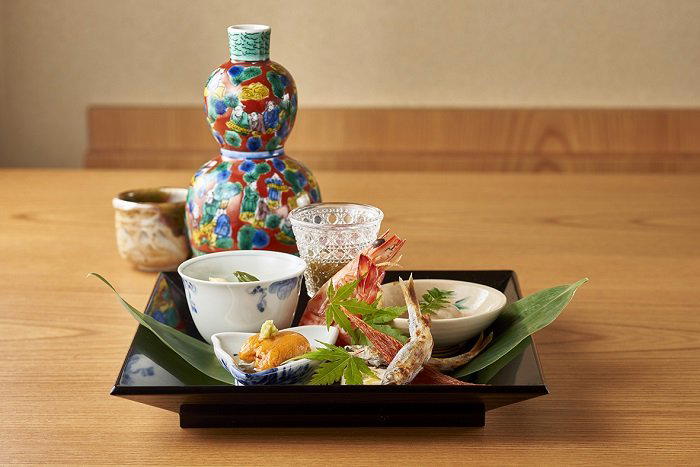
Bogwang-ro and the Mandu Shops That Outlast Trends
Walk the ground-floor addresses along Bogwang-ro in Yongsan and you pass through a neighbourhood that resists the rapid turnover defining much of Seoul's dining scene. The area carries a residential density that keeps certain food formats alive long after they've been displaced elsewhere by higher rents and shinier concepts. Mandu shops, in particular, have fared well here. They require modest equipment, command loyal local footfall, and occupy a category of Korean cuisine where reputation accumulates slowly and genuinely. Bongsanok sits at that intersection: a single-floor address at 118 Bogwang-ro that has, over time, moved from neighbourhood staple to Michelin-acknowledged institution without changing its price tier.
What the Michelin Plate Means at This Price Point
Seoul's Michelin Guide covers a wider range of price brackets than most of its international counterparts. Starred restaurants like Gaon and Kwon Sook Soo occupy the ₩₩₩₩ tier, while contemporary operations like Mingles bridge Korean tradition with fine-dining structure at similar price levels. Bongsanok operates at ₩, the guide's lowest price bracket, and has held a Michelin Plate in both 2024 and 2025. The Plate designation signals that inspectors found cooking worth recommending without the tasting-menu architecture or service infrastructure required for starred recognition. In practical terms, it places Bongsanok in a peer group defined not by spend but by consistency and craft. For mandu specifically, that consistency is everything: the category rewards repetition, not reinvention.
Ratings at that score, across that volume, are statistically rare in Seoul's competitive restaurant environment and suggest a regularity of experience that neither depends on occasion dining nor fades between visits.
The Mandu Tradition and Where Bongsanok Positions Within It
Korean mandu descends from a dumpling tradition shaped by Goryeo-era contact with Central Asian and Chinese culinary forms, later refined through regional variations across the peninsula. The post-partition geography of Seoul gave the city a specific mandu inheritance: refugees from the north, particularly from the Gaeseong region, carried their dumpling techniques south, establishing a distinct school of mandu-making in the capital. That history is still legible in Seoul's better mandu houses today.
Within the current Seoul mandu scene, a handful of addresses define the category's upper register. Gaeseong Mandu Koong explicitly anchors itself to that northern lineage. Jaha Son Mandu in Buam-dong has built its reputation on handmade production at volume. Mandujip offers another reference point, while Mipildam approaches the format with a more contemporary sensibility. Bongsanok's position within this grouping is earned through longevity and independent critical validation rather than novelty or concept. It is not trying to reframe mandu for a new audience; it is demonstrating that the category's traditional forms remain worth seeking out on their own terms.
How the Venue Has Shifted Over Time
The editorial angle on Bongsanok is not a dramatic pivot or rebranding, but a quieter kind of evolution: the gradual accumulation of credibility in a category where most participants remain permanently local. A mandu shop earning back-to-back Michelin recognition represents a meaningful repositioning, even if nothing visible changed. The recognition machinery has moved toward the venue rather than the venue moving toward the recognition machinery. That dynamic is worth noting, because it speaks to a broader shift in how Seoul's food guides now treat everyday-category cooking.
Korean fine dining addressed through the Michelin framework has historically favoured either traditional court cuisine formats or contemporary Korean-Western fusion. The inclusion of mandu specialists in the Plate tier reflects a maturation of that framework: inspectors assessing craft on category-specific terms rather than applying a universal fine-dining rubric. Bongsanok has benefited from that shift, and its two consecutive Plates suggest the assessment has been stable across inspection cycles, not a one-time anomaly.
For comparison, the trajectory of other Korean comfort-food formats receiving formal recognition elsewhere in Asia offers context. Mori in Busan and Baegyangsa Temple in Jangseong-gun each demonstrate how regional Korean cooking earns recognition outside the capital on discipline and specificity rather than genre-crossing. Bongsanok fits that pattern at the Seoul level.
The Yongsan Address and What It Means Practically
Yongsan District occupies a transitional position in Seoul's geography. It sits between the Han River to the south and the older residential fabric of Itaewon and Haebangchon to the west, with a transport infrastructure that makes it accessible from most of the city. Bogwang-ro itself runs through a section of the district where small food businesses have maintained their ground against the neighbourhood's shifting identity. For a venue operating at the ₩ price tier, the address is logical: proximity to a residential population that treats mandu as a regular meal rather than a dining occasion, combined with enough through-traffic to sustain consistent covers.
Practical planning considerations are direct. No phone or website appears in public records, which is common for mandu specialists at this price point: walk-in culture predominates, and reservations are rarely the operative mechanism. Visiting early or at off-peak hours on a weekday gives the leading access. Yongsan Station and Noksapyeong Station on Line 6 both provide reasonable access to Bogwang-ro. For anyone building a Seoul itinerary around dining, our full Seoul restaurants guide maps the city's full range of formats and price tiers. Hotel options in the district and beyond are covered in our full Seoul hotels guide, and those wanting to extend their time in the city across bars and experiences can reference our full Seoul bars guide and our full Seoul experiences guide. For wine context in the region, our full Seoul wineries guide covers the relevant options.
Bongsanok does not operate in the same register as Seoul's tasting-menu circuit. It does not need to. For mandu eaten seriously, in a city where the category has deep roots, that is the appropriate framing.
Frequently asked questions
Where is Bongsanok located?
Bongsanok is located at 1 floor, 118 Bogwang-ro, Yongsan District, Seoul, South Korea, Seoul.
Has Bongsanok won any awards?
Bongsanok has received recognition including: Michelin Plate (2025); Michelin Plate (2024).
What do regulars order at Bongsanok?
Bongsanok holds a Michelin Plate for its mandu, so the menu is built around dumplings rather than a broad spread of Korean dishes. At a ₩ price point, regulars typically anchor their order to the house mandu varieties rather than side dishes or extras. The Michelin recognition at this price bracket signals that the core product, the dumplings themselves, is the reason to visit.
Fast Comparison
| Venue | Cuisine | Price | Awards | Notes |
|---|---|---|---|---|
| BongsanokThis venue (the venue you are viewing) | Hwanghae-do Style Korean Dumplings | $10–20 | Michelin Plate | Not listed |
| 7th Door | Modern Korean Fermentation Fine Dining | $100–150 | 1 Michelin Star · World's 50 Best #49 | Korean, Contemporary |
| Solbam | Contemporary Neo-Classical Korean | $200–300 | 1 Michelin Star · World's 50 Best #55 | Contemporary |
| Onjium | Modern Korean Royal Court Cuisine | Not listed | 1 Michelin Star · World's 50 Best #14 | Korean |
| L'Amitié | Classic French Fine Dining | $100–150 | 1 Michelin Star · La Liste Top Restaurants | French |
| Zero Complex | Modern French Neo-Bistro | $100–150 | 1 Michelin Star · La Liste Top Restaurants | Korean-French, Innovative |
Recognition history
Dated appearances from independent guides and award organizations, with the underlying list record or original source where available.
Michelin Plate
Michelin
Full recognition history (2 entries)
Michelin Plate
Michelin
Continue exploring
More in Seoul
Restaurants in Seoul
All restaurants in Seoul →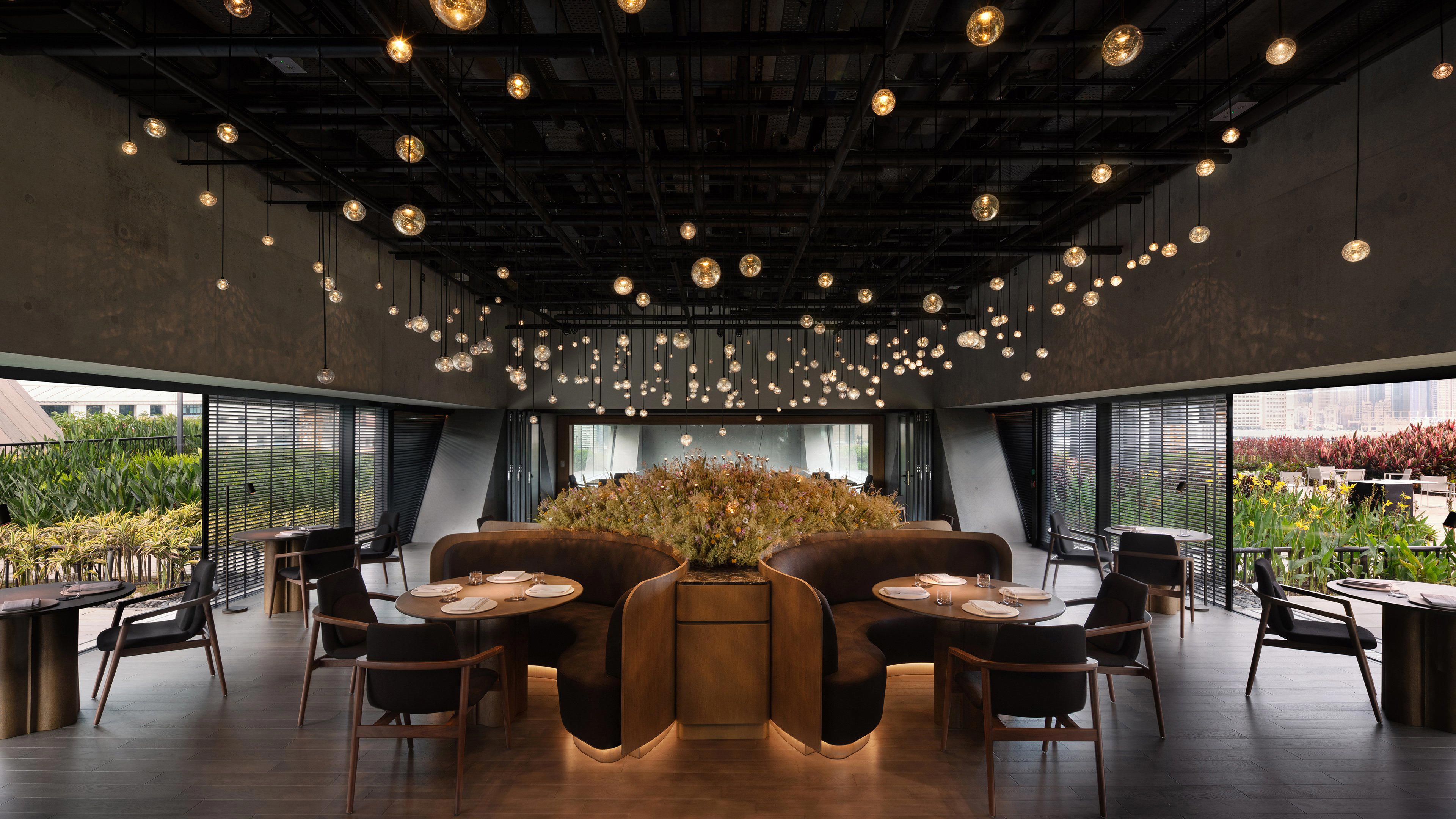
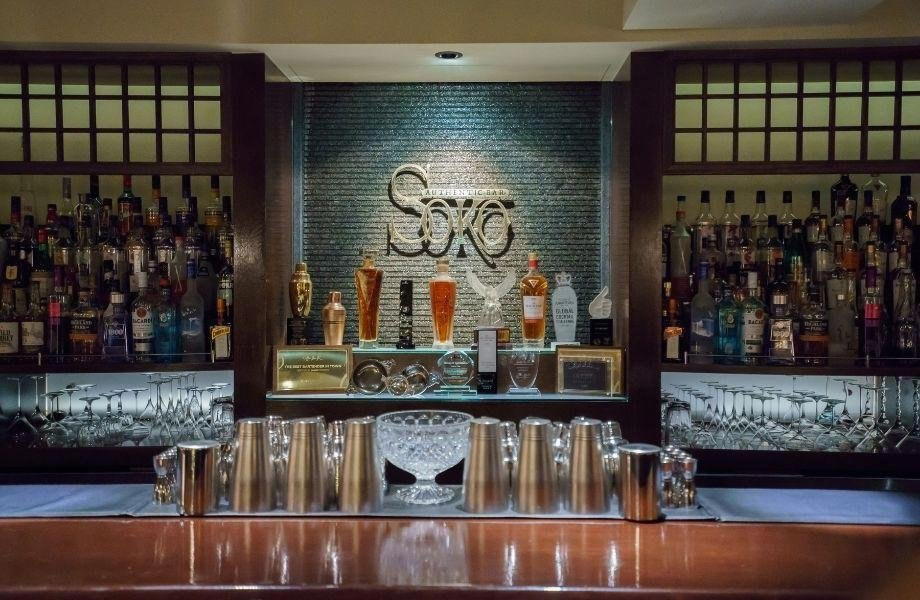
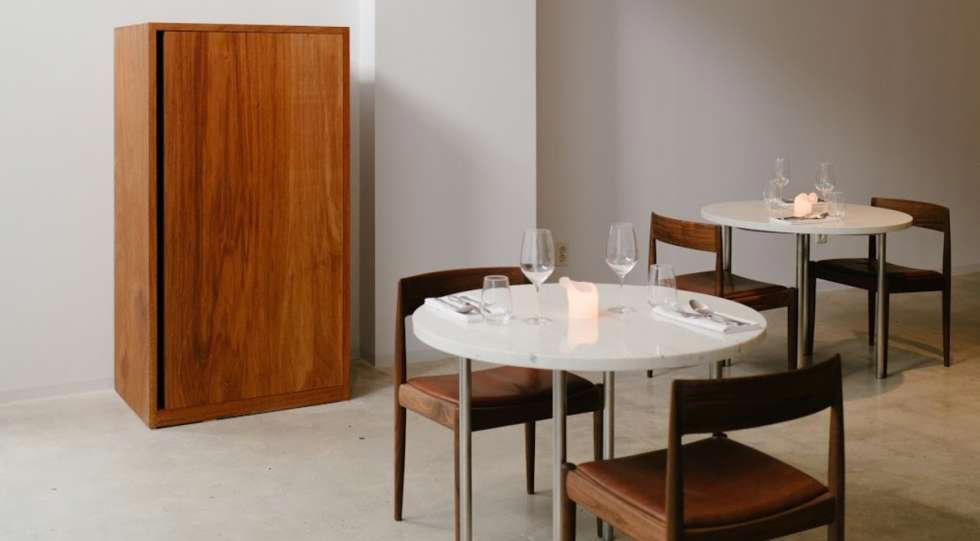
Bars in Seoul
All bars in Seoul →
Details
- Cozy
- Classic
- Casual Hangout
- A La Carte
Current opening hours
- Monday
- 4 PM–12 AM
- Tuesday
- 4 PM–12 AM
- Wednesday
- 4 PM–12 AM
- Thursday
- 4 PM–12 AM
- Friday
- 4 PM–12 AM
- Saturday
- 12 PM–12 AM
- Sunday
- 12 PM–12 AM
Hours can change for holidays and private events. Hours as of .
Small casual eatery with light, comforting dishes in a cozy neighborhood setting.