Mipildam

Michelin Bib Gourmand
Our verdict
Mipildam is a Bib Gourmand-recognised mandu specialist in Seoul's Mapo-gu, earning Michelin recognition in both 2024 and 2025. The kitchen focuses on handmade dumplings rooted in Korean tradition, served at accessible prices that keep it among the city's most consistent value addresses.

Pearl is the En Primeur Club membership app, where members save venues, book tables and use the concierge.
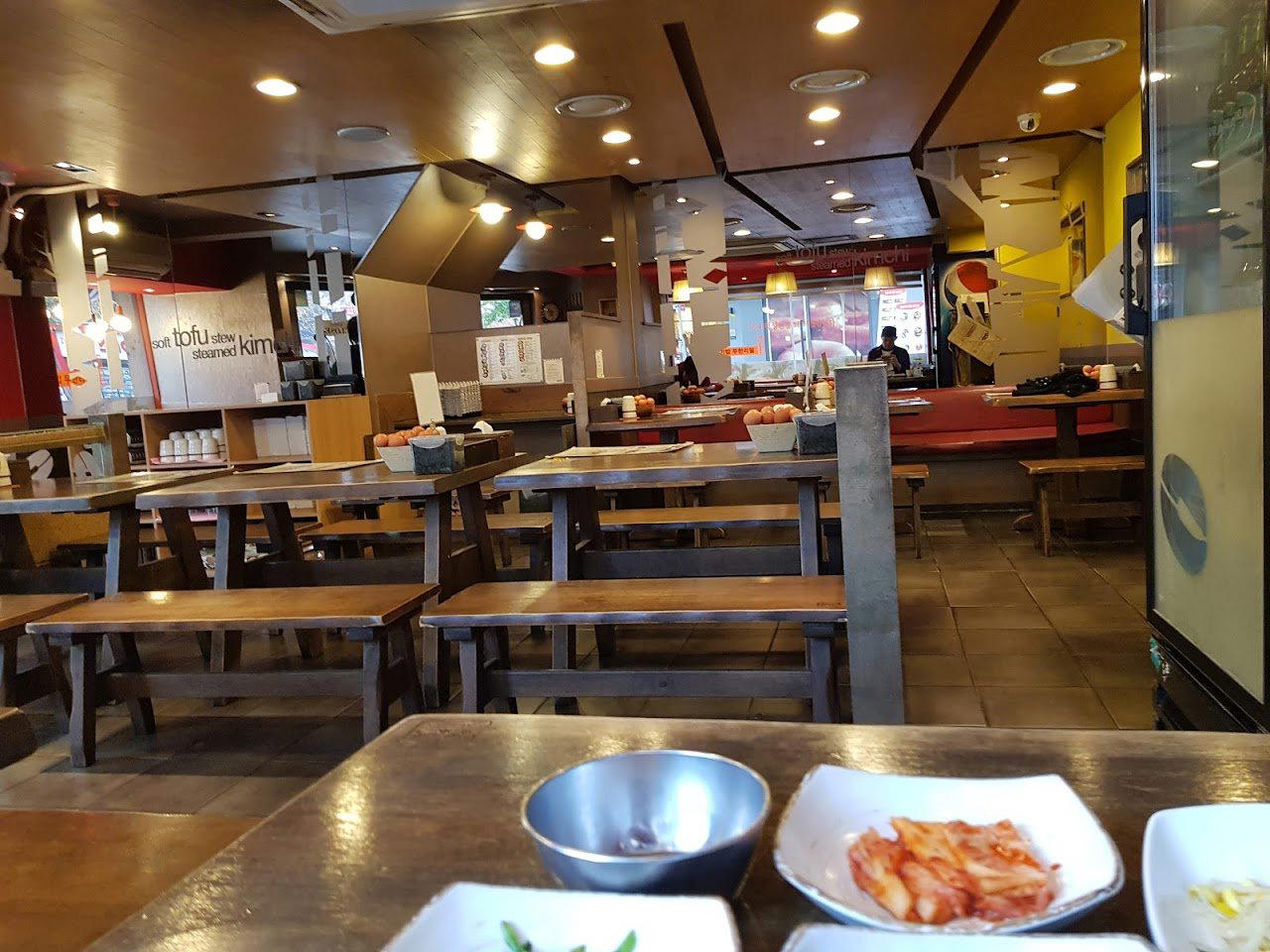
Mapo-gu and the Mandu Tradition
Seoul's mandu culture predates any modern restaurant scene. Dumplings arrived on the Korean peninsula via northern trade routes and Mongolian culinary exchange during the Goryeo dynasty, and they embedded themselves most deeply in the cuisine of the north, particularly around the Gaeseong region. When post-war migration reshaped Seoul's neighbourhoods, that northern tradition relocated with it, spreading mandu-making knowledge across the city's markets and side streets. Mapo-gu, a district west of the Han River that sits outside the high-profile dining corridors of Gangnam and Jongno, has retained a food culture shaped more by residential density and local loyalty than by tourist traffic or fine-dining positioning. That context matters when reading Mipildam's Bib Gourmand recognition, awarded consecutively in 2024 and 2025. Michelin's Bib category is specifically designed to flag honest, skilled cooking at accessible prices, and in Seoul it has become a reliable signal for the kind of address that operates below the city's tasting-menu noise.
What the Bib Gourmand Signals Here
In Seoul's current Michelin ecosystem, a Bib Gourmand awarded two consecutive years is a more meaningful data point than a single-year listing. It indicates that inspectors returned, found consistency, and confirmed that the price-to-quality equation holds. For a mandu specialist operating at the single-won price tier, that consecutive recognition places Mipildam in a specific competitive set: alongside addresses like Gaeseong Mandu Koong and Jaha Son Mandu, which represent the city's most recognised mandu specialists. These are not restaurants competing with the tasting-menu format of Gaon or the contemporary Korean ambition of Mingles. They operate in a parallel tradition where craft is measured in wrapper texture, filling balance, and the discipline of repetition rather than in menu complexity or seasonal rotation.
The broader Seoul mandu scene has attracted renewed critical attention partly because the Michelin Guide's Bib category gave it a legible framework for international visitors. Before that, the leading mandu addresses were known primarily through word of mouth and local food media. This is not a venue drawing from tourist search volume; it draws from neighbourhood regulars and food-literate visitors who already know the Bib category as a useful filter.
Mandu as a Craft Form
Understanding what a mandu kitchen actually does explains why Michelin pays attention to it at all. The dumpling format is technically demanding in ways that are invisible until they go wrong. Wrapper thickness determines how the dumpling holds during cooking and how it feels against the palate. Filling ratios, particularly between tofu, cabbage, pork, and glass noodles in the most traditional versions, need precise moisture control, or the wrapper splits or turns soggy. Folding technique is not decorative; it determines whether steam distribution during cooking is even. Kitchens that achieve consistent results across high daily volume are doing something that takes years to calibrate.
The Korean mandu tradition divides broadly into several regional styles. Gaeseong-style mandu, associated with the former Goryeo capital now in North Korea, is characterised by larger wrappers and pork-heavy fillings. Pyongyang-style tends toward a more delicate, kimchi-inflected version. Seoul's own mandu culture absorbed both of these northern influences and layered in local adaptations, including variations served in broth as manduguk, particularly during Lunar New Year. Addresses like Bongsanok and Mandujip represent other points on that tradition's spectrum in the city today.
The Mapo-gu Address
Seongji 3-gil in Mapo-gu is a residential side street rather than a destination dining corridor. That geography is not incidental. The mandu tradition has always lived in functional urban spaces: market stalls, small storefronts, ground-floor operations in apartment blocks. Mipildam's ground-floor positioning on that street fits the format's historical pattern. Dining rooms for mandu specialists tend to be compact, service is direct, and the pace is set by the kitchen rather than by table management. Visitors arriving expecting the styling of a Gangnam tasting room will find something different in character, and that difference is part of the point.
For travellers already building a Seoul itinerary around the city's broader dining range, Mapo-gu sits to the west of the central districts. Those also considering a wider sweep across Korean food culture might cross-reference Mori in Busan or Baegyangsa Temple in Jangseong-gun for how regional Korean cooking traditions differ from the Seoul mainstream. Within Seoul's own range, the contrast between Mipildam's neighbourhood position and the fine-dining coordinates of Kwon Sook Soo in Gangnam-gu illustrates how wide the city's culinary register actually runs.
Planning Your Visit
Given the venue's price tier and neighbourhood format, walk-in access is the likely default, but arrival timing matters at well-reviewed mandu specialists in Seoul, as lunchtime queues at Bib Gourmand addresses in residential districts are common, particularly on weekends. The single-won price tier means a full meal for two will remain well within the range of any Seoul dining budget.
| Venue | Cuisine | Price Tier | Michelin Recognition | Booking |
|---|---|---|---|---|
| Mipildam | Mandu | ₩ | Bib Gourmand 2024, 2025 | Not confirmed |
| Gaeseong Mandu Koong | Mandu (Gaeseong-style) | ₩ | Michelin-listed | Walk-in typical |
| Jaha Son Mandu | Mandu | ₩ | Michelin-listed | Walk-in typical |
| Mandujip | Mandu | ₩ | Not confirmed | Walk-in typical |
For context on where Mipildam sits within Seoul's full dining range, see our full Seoul restaurants guide. For accommodation options, our Seoul hotels guide covers the city's key districts. Visitors also building an evening programme around the Mapo area can reference our Seoul bars guide, our Seoul wineries guide, and our Seoul experiences guide for adjacent recommendations. Those interested in comparing Seoul's value-tier mandu culture against Korean cooking in international contexts might find the contrast with Atomix in New York City instructive as a marker of how Korean culinary tradition translates across formats and price points, just as Le Bernardin in New York City and Emeril's in New Orleans represent how other national cooking traditions anchor themselves at opposite ends of the formality spectrum. Also of note for those calibrating Seoul's regional range: The Flying Hog in Seogwipo offers a further point of contrast in Korean island cooking.
Frequently asked questions
How much does it cost to eat at Mipildam?
Pricing at Mipildam is listed as ₩.
What part of town is Mipildam in?
Mipildam is located at South Korea, Seoul, Mapo-gu, Seongji 3-gil, 22 1층, Seoul.
Has Mipildam won any awards?
Mipildam has received recognition including: Michelin Bib Gourmand (2025); Michelin Bib Gourmand (2024).
What's the must-try dish at Mipildam?
Mandu is the only cuisine category on record for Mipildam, and it is the direct basis for the kitchen's Michelin Bib Gourmand recognition in both 2024 and 2025. That consecutive listing signals the dumplings are consistent, not incidental.
Price Lens
| Venue | Cuisine | Price | Awards | Notes |
|---|---|---|---|---|
| MipildamThis venue (the venue you are viewing) | North Korean-style Mandutguk | $1–10 | Michelin Bib Gourmand | Not listed |
| 7th Door | Modern Korean Fermentation Fine Dining | $100–150 | 1 Michelin Star · World's 50 Best #49 | Korean, Contemporary |
| Solbam | Contemporary Neo-Classical Korean | $200–300 | 1 Michelin Star · World's 50 Best #55 | Contemporary |
| Onjium | Modern Korean Royal Court Cuisine | Not listed | 1 Michelin Star · World's 50 Best #14 | Korean |
| L'Amitié | Classic French Fine Dining | $100–150 | 1 Michelin Star · La Liste Top Restaurants | French |
| Zero Complex | Modern French Neo-Bistro | $100–150 | 1 Michelin Star · La Liste Top Restaurants | Korean-French, Innovative |
Recognition history
Dated appearances from independent guides and award organizations, with the underlying list record or original source where available.
Michelin Bib Gourmand
Michelin
Full recognition history (2 entries)
Michelin Bib Gourmand
Michelin
Continue exploring
More in Seoul
Restaurants in Seoul
All restaurants in Seoul →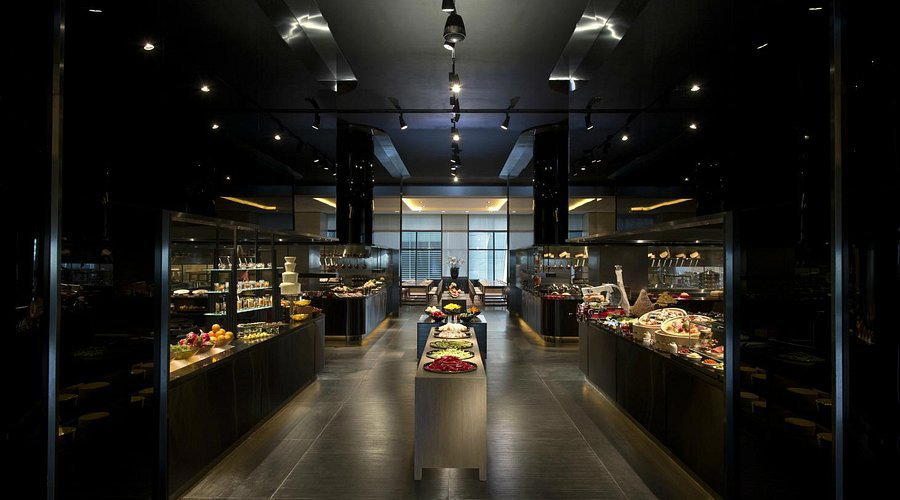
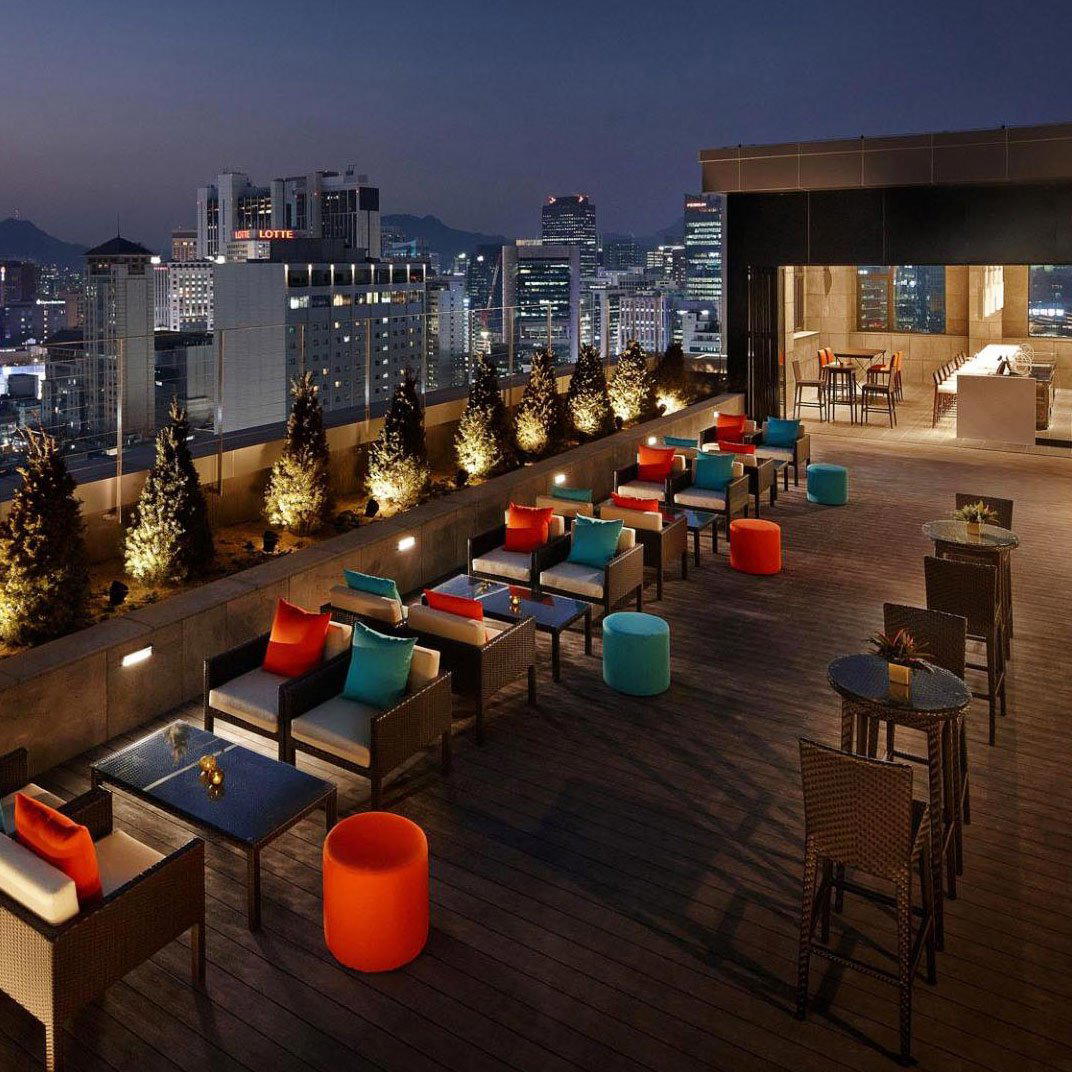
Bars in Seoul
All bars in Seoul →
Details
- Cozy
- Casual Hangout
- Standalone
- A La Carte
Current opening hours
- Monday
- Closed
- Tuesday
- Closed
- Wednesday
- 11:30 AM–2:30 PM, 5:30–8:30 PM
- Thursday
- 11:30 AM–2:30 PM, 5:30–8:30 PM
- Friday
- 11:30 AM–2:30 PM, 5:30–8:30 PM
- Saturday
- 11:30 AM–2:30 PM, 5:30–8:30 PM
- Sunday
- 11:30 AM–2:30 PM, 5:30–8:30 PM
Hours can change for holidays and private events. Hours as of .
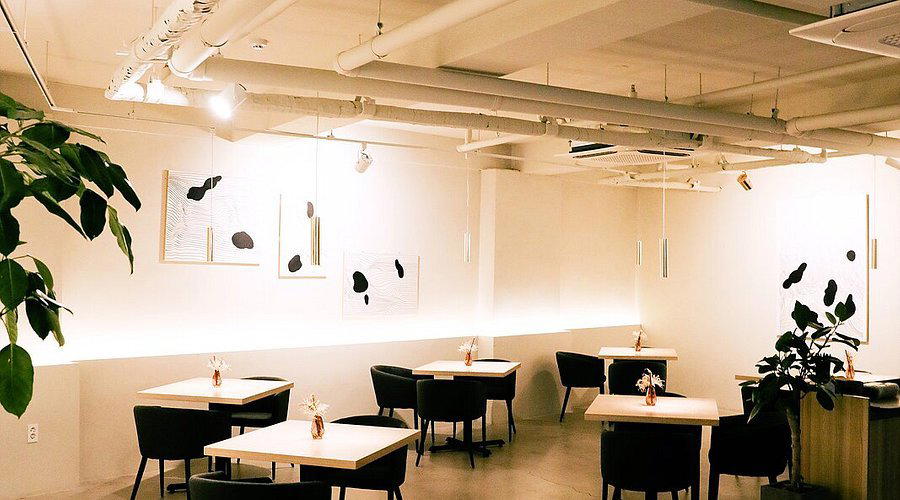
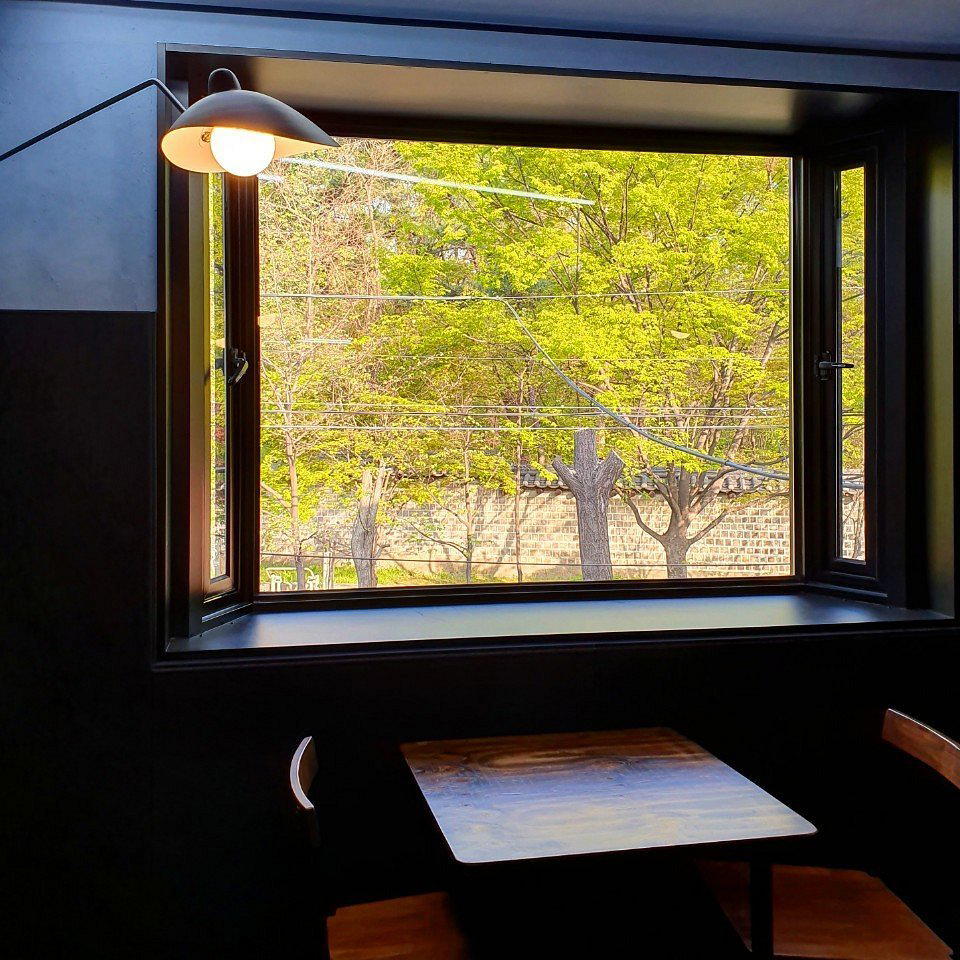
Cozy and unpretentious with warm white-toned interior, welcoming for solo diners, couples, and small groups.