Imun Seolnongtang

Michelin Plate
Our verdict
One of Seoul's oldest seolleongtang houses, Imun Seolnongtang has been serving its milky ox-bone broth in Jongno District for well over a century. A Michelin Plate recipient in both 2024 and 2025, it represents the kind of deeply rooted, single-dish Korean restaurant that sustains a cuisine far more effectively than trend-driven menus. The price remains firmly in the lowest bracket, making it one of the most accessible Michelin-recognised tables in the city.

Pearl is the En Primeur Club membership app, where members save venues, book tables and use the concierge.
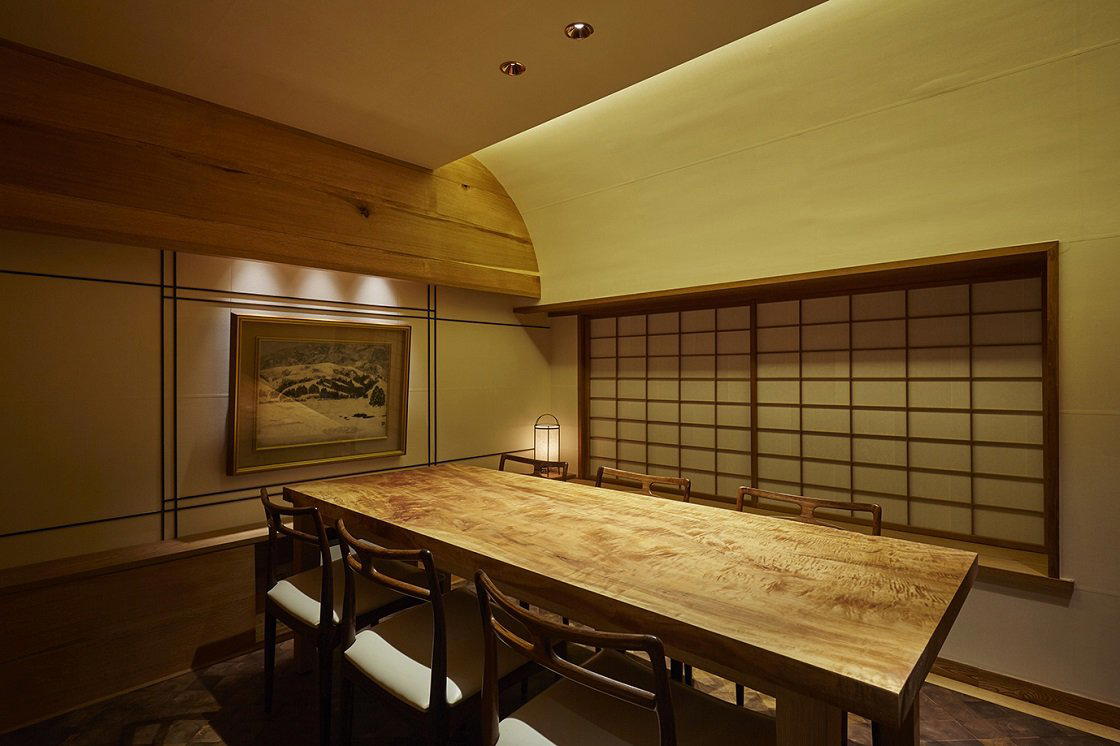
Where the Broth Has Been Simmering Longer Than the City Has Been Modern
Step into Ujeongguk-ro on a cold Seoul morning and the steam coming from Imun Seolnongtang is visible before the signage. The interior is spare in the way that serious single-dish restaurants tend to be: utilitarian furniture, fluorescent light, the sound of ceramic bowls placed quickly on tables. Nothing about the room signals ambition in a decorative sense. Everything about the operation signals the opposite of that, a kitchen that has spent more than a century refining one thing and has no interest in expanding its remit.
Seolleongtang, for those unfamiliar, is an ox-bone broth simmered for many hours until it turns a cloudy, milky white. It arrives unseasoned, accompanied by rice, and the diner adds salt, green onion, and fermented kimchi to taste. It is one of the most resource-intensive dishes in the Korean culinary canon relative to its price point, a fact that makes places like Imun an interesting case study in what genuine sustainability in restaurant cooking actually looks like.
The Sustainability Argument Hidden Inside a Simple Bowl
The conversation around sustainability in fine dining tends to cluster around a recognisable set of gestures: ingredient provenance statements on tasting menus, reduced-plastic kitchens at starred restaurants, zero-waste fermentation programs at places like Mingles or the ingredient-led approach at alla prima. These are real commitments, but they operate at price points that sit several tiers above the single-won bracket.
What often goes unexamined is the sustainability built into Korean communal broth culture itself. Seolleongtang is a whole-animal dish in its most literal sense. The ox bones that produce the broth, femur, knuckle, marrow, are the structural remains of an animal after its primary cuts have been used. Simmering them for twelve to twenty hours extracts collagen, gelatin, and marrow fat that would otherwise go unused. The dish's longevity as a format, sustained across centuries in Seoul's food culture, is itself a form of resource efficiency that no amount of contemporary zero-waste programming has yet matched in terms of scale or duration.
Imun has been operating in Jongno since 1907, which places its founding during the late Joseon period. That continuity is not incidental to its sustainability credentials, it represents more than a century of consistent ingredient sourcing, single-dish focus, and minimal waste within a bowl format designed to use every part of the animal. For comparison, the ₩₩₩₩-tier tasting menus at Jungsik or Kwon Sook Soo engage sustainability as a contemporary design principle. Here, it has always been structural.
What the Michelin Plate Signals in This Context
Michelin awarded Imun Seolnongtang a Plate in 2024 and again in 2025. The Plate designation, one tier below a star, signals that inspectors regard the cooking as good enough to recommend without placing it in the same bracket as establishments like Gaon or the contemporary Korean houses operating at higher price tiers. In this instance, the Plate feels apt. Imun is not competing with starred restaurants, and the award's value here lies in cross-category recognition: the guide is acknowledging that a ₩-tier broth house with a century of operation has maintained standards worth documenting.
A rating that lands below 4.0 at scale often reflects a gap between visitor expectations and format reality. Seolleongtang requires engagement, the diner seasons their own bowl, and the dish rewards familiarity with the cuisine rather than novelty-seeking. Visitors who arrive expecting a multicourse Korean experience or a visually composed plate will find instead a bowl of white broth, a side of rice, and a set of condiments. That is not a failing; it is the entire point. For a direct peer comparison within the seolleongtang category, Oegojip Seolleongtang offers a useful reference point, as does Mapo Ok for related ox-bone broth traditions.
Jongno District and the Neighbourhood Context
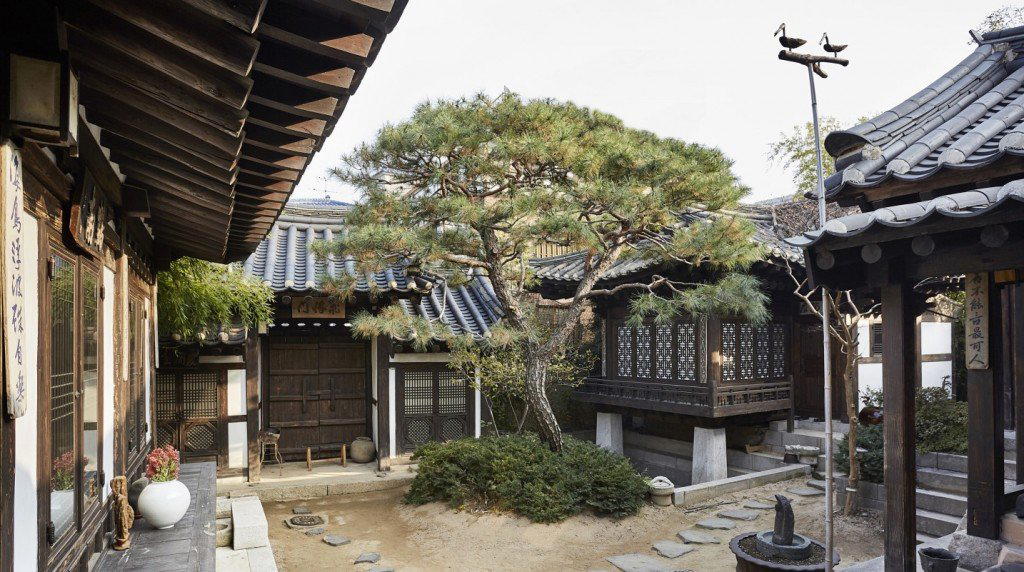
Imun sits in Jongno District, the historical and administrative core of Seoul, at 38-13 Ujeongguk-ro. The area is dense with Joseon-era cultural infrastructure, Gyeongbokgung Palace, Bukchon Hanok Village, the Cheong Wa Dae grounds, and its restaurant culture skews toward older Korean formats that predate the city's contemporary fine-dining expansion into Gangnam and Mapo. A meal at Imun fits naturally into a Jongno itinerary that prioritises historical depth over tasting-menu ambition.
Restaurants operating at opposite ends of the Korean dining spectrum are accessible from the same city, which is part of what makes Seoul worth understanding as a food destination. The Michelin-starred Korean tasting programs in Gangnam-gu and the single-dish broth houses of Jongno represent two entirely different philosophies about what a meal is for. Exploring both gives a more complete picture of how Seoul's food culture actually works. For broader context across the city's dining, drinking, and hospitality options, see our full Seoul restaurants guide, our full Seoul hotels guide, our full Seoul bars guide, our full Seoul wineries guide, and our full Seoul experiences guide.
For those extending beyond Seoul, the commitment to traditional Korean formats continues at Baegyangsa Temple in Jangseong-gun and at Mori in Busan, both of which approach Korean food through lenses of restraint and heritage rather than innovation. For international reference points that demonstrate how long-standing restaurants sustain recognition over decades, Le Bernardin in New York City and Atomix in New York City offer useful comparisons in terms of institutional longevity, while Emeril's in New Orleans and The Flying Hog in Seogwipo sit in a different register of comfort-led, regionally rooted cooking.
Know Before You Go
- Address: 38-13 Ujeongguk-ro, Jongno District, Seoul, South Korea
- Price tier: ₩ (lowest bracket, one of the most affordable Michelin-recognised restaurants in the city)
- Awards: Michelin Plate 2024; Michelin Plate 2025
- Booking: Walk-in format typical of traditional Korean broth houses at this tier; confirm current practice on arrival
- Leading for: Historically minded diners, those exploring traditional Korean food formats, or anyone building a Jongno day itinerary around the neighbourhood's cultural sites
- Note: Seolleongtang arrives unseasoned, salt, sliced green onion, and kimchi are provided for self-seasoning at the table
Frequently asked questions
How do I find Imun Seolnongtang?
Imun Seolnongtang is located at 38-13 Ujeongguk-ro, Jongno District, Seoul, South Korea, Seoul.
Does Imun Seolnongtang have a Michelin star or similar recognition?
Imun Seolnongtang has received recognition including: Michelin Plate (2025); Michelin Plate (2024).
What's the must-try dish at Imun Seolnongtang?
Seolleongtang is the only dish served here, and it is the one responsible for back-to-back Michelin Plate recognition in 2024 and 2025. The bowl arrives milky white from hours of ox bone simmering, seasoned at the table with salt and scallion. At a ₩ price point, it is one of the few Michelin-recognised dishes in Seoul that costs less than a subway fare.
What does dinner at Imun Seolnongtang typically cost?
Pricing at Imun Seolnongtang is listed as ₩.
Cuisine and Credentials
| Venue | Cuisine | Price | Awards | Notes |
|---|---|---|---|---|
| Imun SeolnongtangThis venue (the venue you are viewing) | Traditional Korean Seolleongtang | $10–20 | Michelin Plate | Not listed |
| 7th Door | Modern Korean Fermentation Fine Dining | $100–150 | 1 Michelin Star · World's 50 Best #49 | Korean, Contemporary |
| Solbam | Contemporary Neo-Classical Korean | $200–300 | 1 Michelin Star · World's 50 Best #55 | Contemporary |
| Onjium | Modern Korean Royal Court Cuisine | Not listed | 1 Michelin Star · World's 50 Best #14 | Korean |
| L'Amitié | Classic French Fine Dining | $100–150 | 1 Michelin Star · La Liste Top Restaurants | French |
| Zero Complex | Modern French Neo-Bistro | $100–150 | 1 Michelin Star · La Liste Top Restaurants | Korean-French, Innovative |
Recognition history
Dated appearances from independent guides and award organizations, with the underlying list record or original source where available.
Michelin Plate
Michelin
Full recognition history (3 entries)
Michelin Plate
Michelin
Michelin Plate
Michelin
Continue exploring
More in Seoul
Restaurants in Seoul
All restaurants in Seoul →
Bars in Seoul
All bars in Seoul →

Details
- Classic
- Historic
- Cozy
- Casual Hangout
- Family
- Historic Building
- A La Carte
Current opening hours
- Monday
- 8 AM–3 PM, 4:30–9 PM
- Tuesday
- 8 AM–3 PM, 4:30–9 PM
- Wednesday
- 8 AM–3 PM, 4:30–9 PM
- Thursday
- 8 AM–3 PM, 4:30–9 PM
- Friday
- 8 AM–3 PM, 4:30–9 PM
- Saturday
- 8 AM–3 PM, 4:30–9 PM
- Sunday
- 8 AM–3 PM, 4:30–8 PM
Hours can change for holidays and private events. Hours as of .
Historic and functional dining room with closely spaced tables, big bowls of kimchi on every table, and a local, authentic atmosphere.