Budnamujip

A Michelin Plate recipient in 2024 and 2025, Budnamujip sits in Seocho District at the mid-range tier of Seoul's barbecue circuit, where smoke, marbled beef, and the ritual of tableside grilling define the meal.
Pearl is the En Primeur Club membership app — saves, bookings, and concierge access live there. Same editors, same standards.
- Address
- 434 Hyoryeong-ro, Seocho District, Seoul, South Korea
- Phone
- +82 2-3473-4167
- Website
- budnamujip.modoo.at
- Directions
- Get directions
 Saves & bookings on Pearl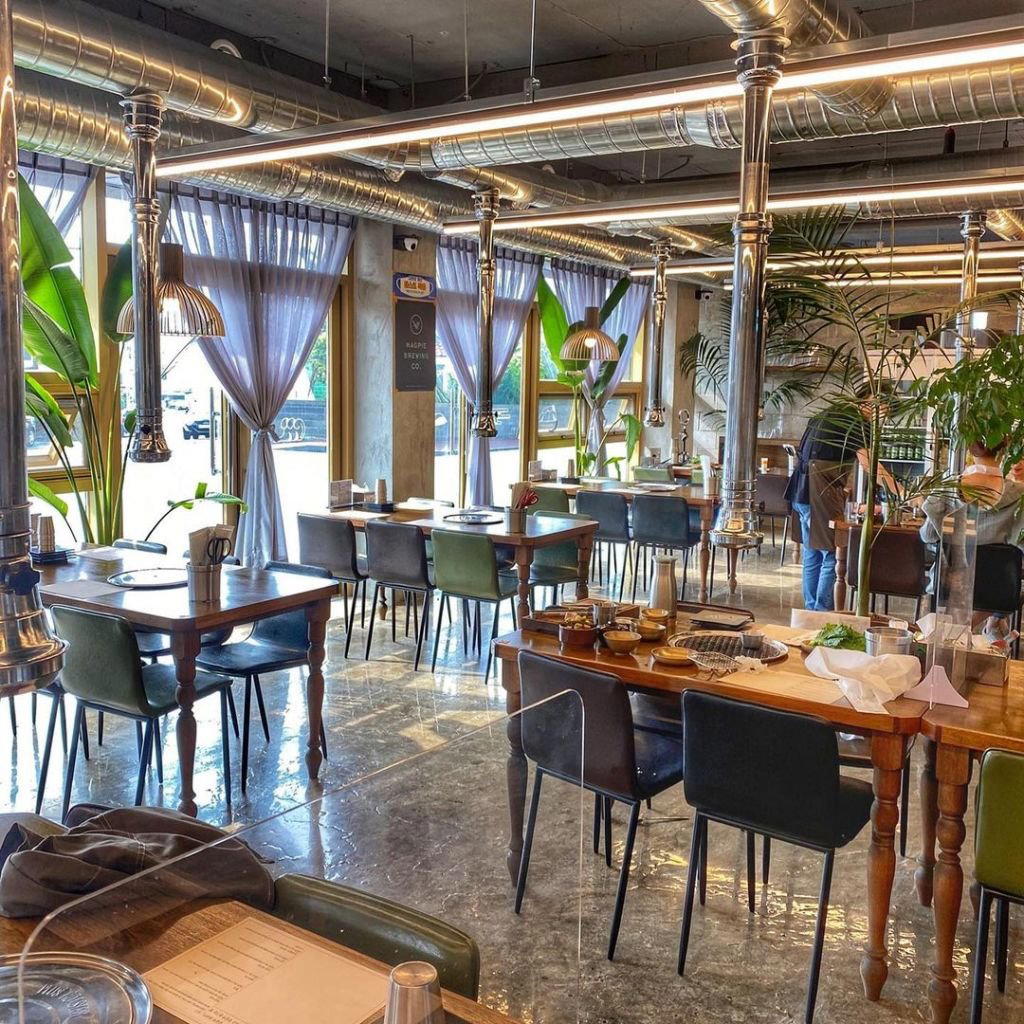
Where Seoul's Barbecue Ritual Holds Its Ground
Seocho District runs a different register from the concentrated dining clusters of Itaewon or Cheongdam. The neighbourhood sits south of the Han River with a more residential and professional character, and its restaurant scene reflects that: less performative, more embedded in daily life. Korean barbecue here is not a tourist attraction. It is a social institution, the kind of meal that structures a weeknight dinner between colleagues or a weekend gathering between families. Budnamujip, at 434 Hyoryeong-ro in Seocho District, Seoul, sits inside that tradition.
The progression of a Korean barbecue meal has its own grammar. You arrive, you are seated at a grill-fitted table, and the meal begins to build in stages. First come the banchan, the small dishes that frame everything to follow: fermented vegetables, seasoned greens, cold preparations that calibrate the palate before the meat arrives. These dishes are not incidental. In a kitchen running at Budnamujip's level of recognition, they carry as much weight as the cuts themselves, and their quality tells you early whether the kitchen understands the full architecture of the format.
The Grill as the Centre of the Meal
Seoul's barbecue scene divides, broadly, between high-volume operations running on throughput and places where the quality of the product and the pace of service actually matter to the house. Michelin's Plate designation, awarded to Budnamujip in both 2024 and 2025, signals the latter. That recognition does not carry the star tier occupied by venues like Gaon or Kwon Sook Soo, but within the barbecue category it is a meaningful marker: it puts the kitchen in a tier where inspectors have found the cooking worth noting.
The mid-range price positioning (₩₩) is relevant context here. Budnamujip operates below that ceiling, which makes the Michelin acknowledgement more pointed: it is not buying recognition through ingredient cost alone.
At the tableside grill, the sequencing matters as much as the sourcing. Thinner, quicker-cooking cuts typically open proceedings, building fat and smoke character on the grate before the heavier, longer cuts follow. The grill itself mediates between the kitchen's preparation and the diner's timing, and a well-run barbecue table manages that handoff without the meal stalling or the meat overcooking in front of you. It is a format that rewards attentive service, and the consistency implied by Budnamujip's review profile suggests that coordination is reliable.
Seocho and the Surrounding Seoul Barbecue Circuit
Understanding where Budnamujip sits in Seoul's wider barbecue field helps calibrate the visit. The city has multiple distinct nodes of barbecue culture. Byeokje Galbi represents a different institutional register, associated with galbi tradition over decades. Geumdwaeji Sikdang sits in the pork-focused barbecue tier, a distinct category in Seoul's taxonomy. Boreumsae and Ggupdang occupy other parts of the spectrum. Budnamujip's Seocho address and ₩₩ positioning place it in a peer group defined by quality-to-cost ratio rather than prestige signalling.
Mori in Busan and Baegyangsa Temple in Jangseong-gun represent entirely different registers of Korean food culture, useful for understanding how barbecue in Seoul sits within a much wider national culinary conversation. And for those exploring Korean meat traditions internationally, the American barbecue tradition at venues like InterStellar BBQ in Austin, la Barbecue, and CorkScrew BBQ in Spring draws from a completely different lineage, smoke-driven and indirect, where the Korean model is live fire and direct contact.
Planning the Visit
Budnamujip is located at 434 Hyoryeong-ro in Seocho District. At ₩₩ pricing, the meal sits in a range manageable for two people. Because the venue has sustained significant review volume and consistent Michelin recognition over two consecutive years, it draws a reliable local following.
Recognition, Side-by-Side
Comparable venues nearby, for context on price, style, and recognition.
| Venue | Cuisine | Price | Awards | Notes |
|---|---|---|---|---|
| BudnamujipThis venue — the venue you are viewing | Traditional Korean Beef BBQ | $$ | Michelin Plate | Not listed |
| Baek Nyun Ok | Traditional Korean Tofu Specialist | $$ | Michelin Plate | 서초동 |
| Nampo Myeonok | Traditional Korean Naengmyeon | $$ | Michelin Plate | Sajik-dong |
| Pyeongyang Myeonok | Pyongyang-style Naengmyeon | $$ | Michelin Plate | 을지로동 |
| Yukjeon Hoekwan | Traditional Korean Bassak Bulgogi | $$ | Bib Gourmand | 노고산동 |
| Limbyungjoo Sandong Kalguksu | Hand-made Kalguksu Noodles | $$ | Bib Gourmand | 서초동 |
Recognition history
Dated appearances from independent guides and award organizations, with the underlying list record or original source where available.
Michelin Plate
Michelin
Michelin Plate
Michelin
Michelin Plate
Michelin
At a Glance
- Classic
- Cozy
- Family
- Group Dining
- Special Occasion
- Open Kitchen
- Local Sourcing
Current opening hours
- Monday
- 11 AM–9:30 PM
- Tuesday
- 11 AM–9:30 PM
- Wednesday
- 11 AM–9:30 PM
- Thursday
- 11 AM–9:30 PM
- Friday
- 11 AM–9:30 PM
- Saturday
- 11 AM–9:30 PM
- Sunday
- 11 AM–9:30 PM
Hours can change for holidays and private events. Last verified .
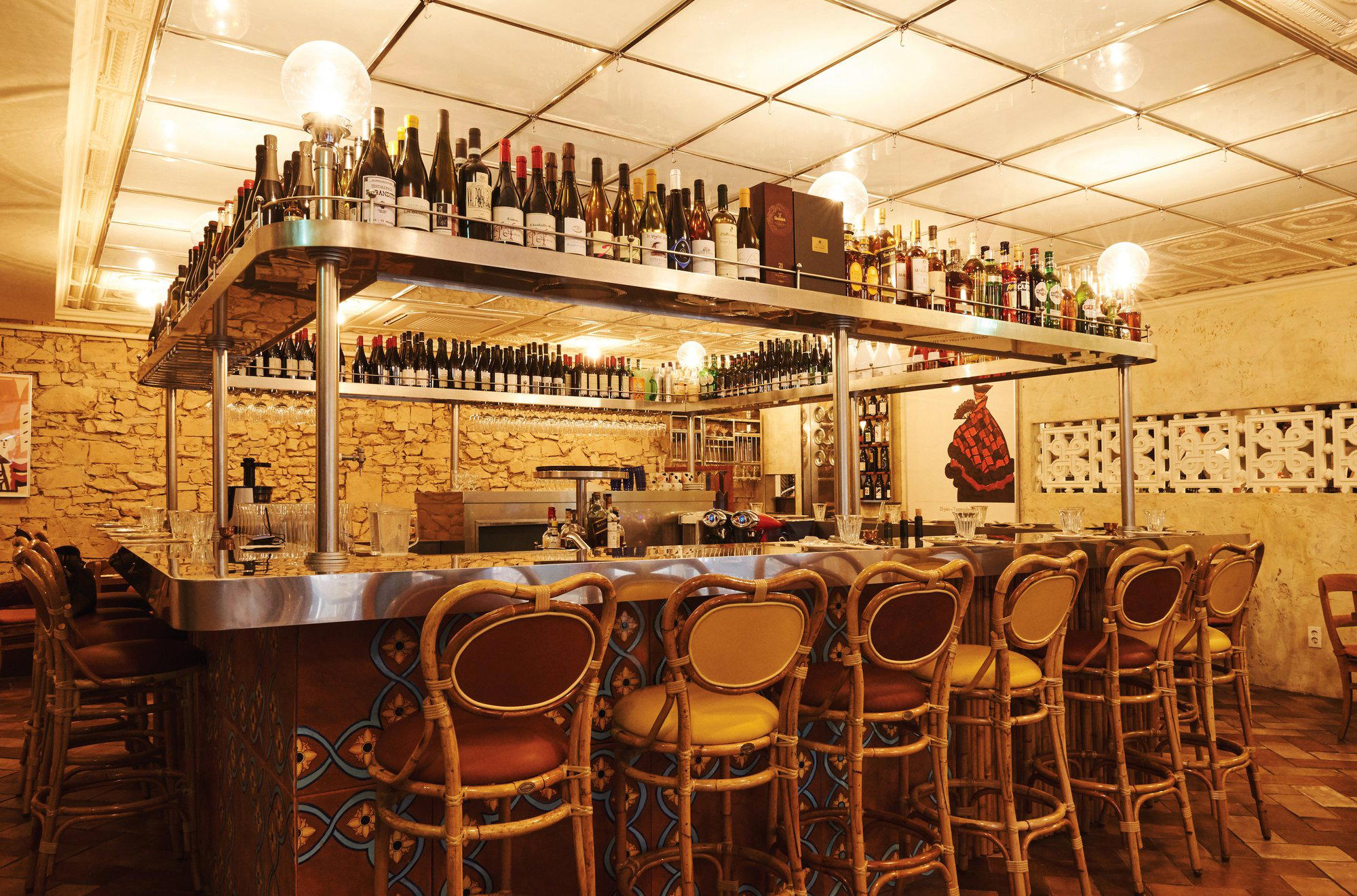
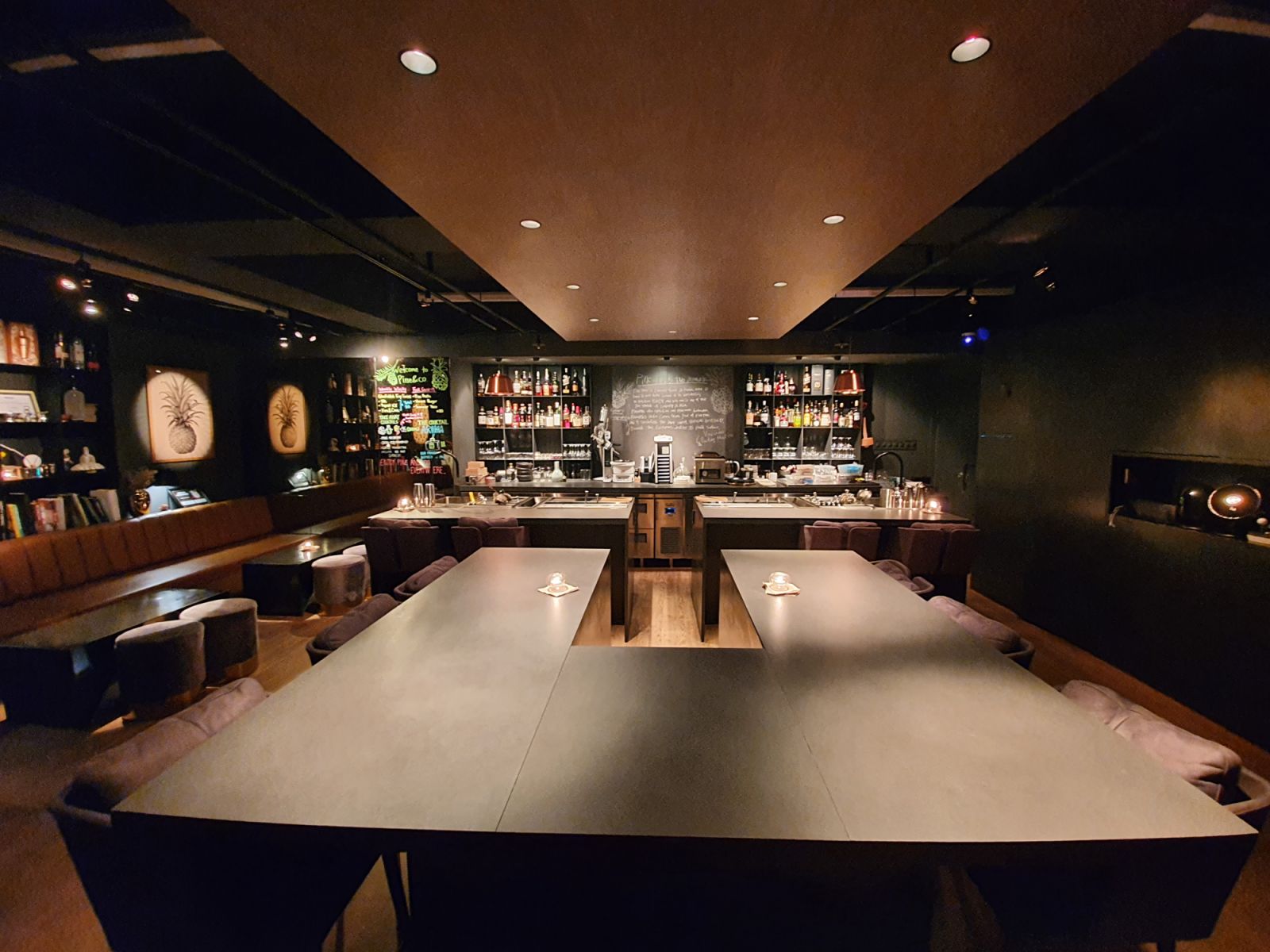
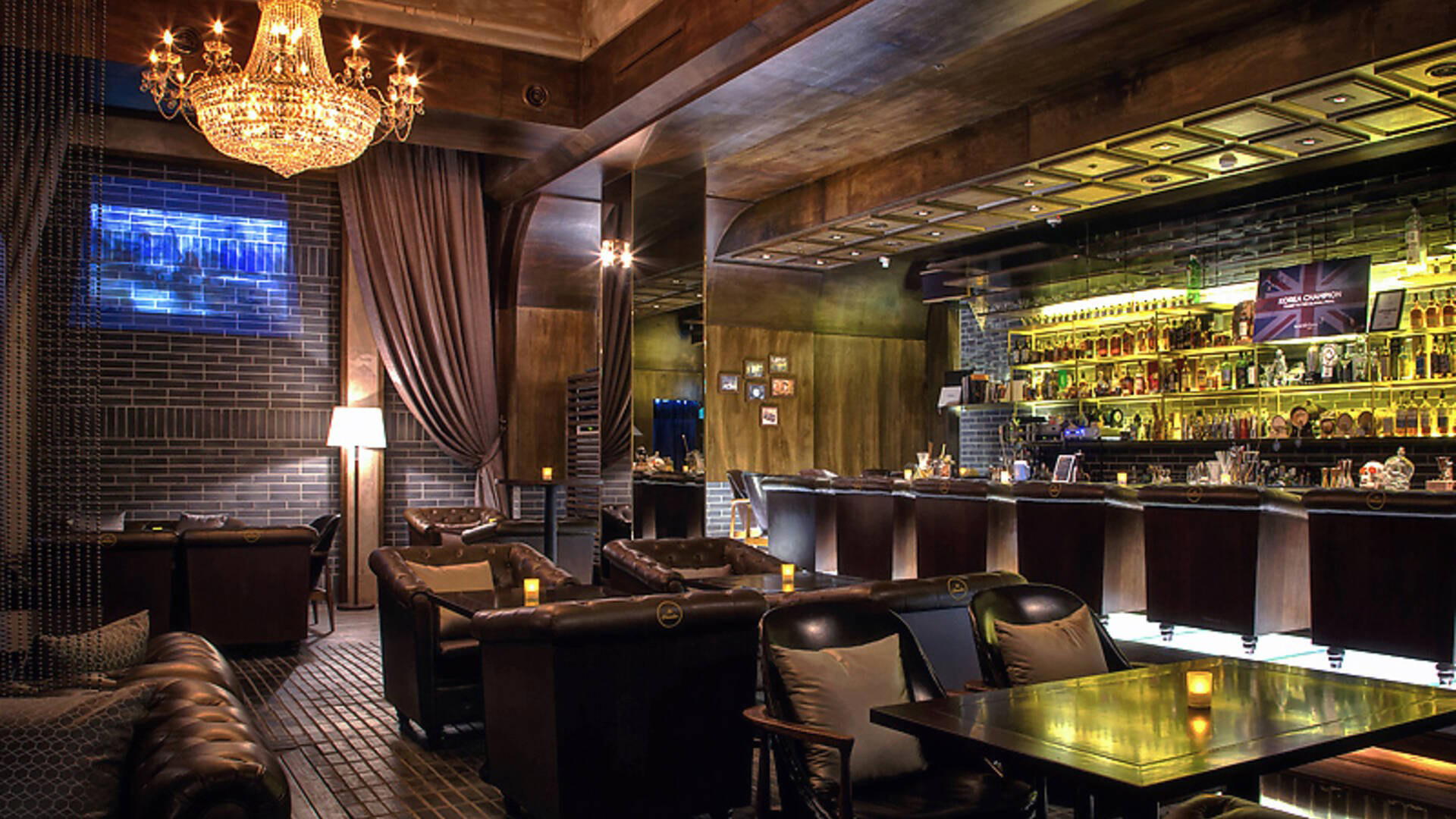
Traditional, welcoming atmosphere with a focus on family dining and the smoky aroma of charcoal-grilled premium beef.