Oegojip Seolleongtang

Michelin Plate
Our verdict
Oegojip Seolleongtang has held a Michelin Plate in both 2024 and 2025, a rare distinction for a restaurant priced at the single-won tier. Located in Gangnam, it serves the slow-cooked ox-bone soup that defines one of Seoul's most enduring dining traditions.

Pearl is the En Primeur Club membership app, where members save venues, book tables and use the concierge.
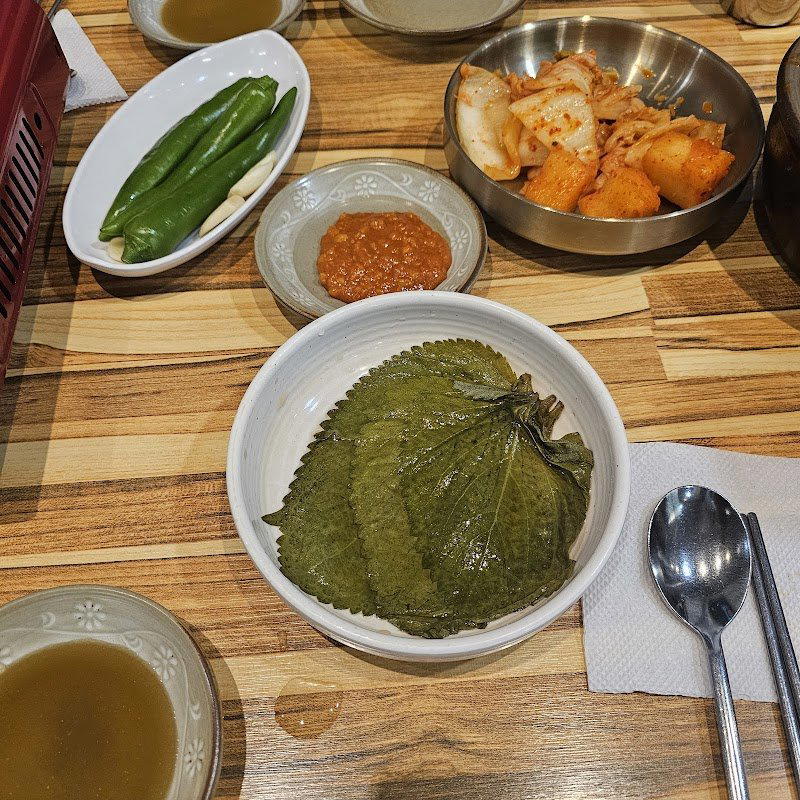
Bone Broth and the Long Game: Seolleongtang in Seoul
The smell arrives before you see the kitchen. Milky, mineral, and faintly sweet from hours of slow-rendering ox bone, it is the smell of a tradition that predates refrigeration, industrialisation, and the modern Seoul skyline. Seolleongtang, the long-cooked bone broth served with rice, noodles, and salt on the side, belongs to a category of Korean cooking that resists shortcutting. The stock needs time, nothing else, and the restaurants that do it well tend to operate with the quiet confidence of institutions that have never needed to reinvent themselves.
Oegojip Seolleongtang, at 555 Samseong-ro in Gangnam, sits inside that tradition. Two consecutive Michelin Plates (2024 and 2025) place it within a recognised tier of the city's dining infrastructure, distinguished not by fine-dining ambition but by consistency in a discipline where consistency is the entire point.
Gangnam as a Context, Not Just a Postcode
Most of Seoul's historically significant seolleongtang houses sit north of the Han River, in older districts where the soup's working-class, restorative origins feel more legible in the surrounding streets. Gangnam complicates that picture. The district now holds a significant share of Seoul's high-end dining, Mingles, Jungsik, and Kwon Sook Soo operate in this neighbourhood, alongside contemporary Korean tasting menus in the ₩₩₩₩ bracket, yet it has also produced its own lineage of serious everyday restaurants that serve the district's office workers, residents, and the lunch crowds that fill Samseong-ro on weekday afternoons.
The price contrast is significant. Where a tasting menu at alla prima or a reservation-only counter at the upper end of the Gangnam scene might cost twenty times as much, Oegojip operates at the single-won tier. That positioning, combined with Michelin recognition, makes it a point of reference for understanding how the guide covers the full spectrum of Seoul's dining, not just its prestige addresses.
The Lunch and Dinner Divide in Seolleongtang Culture
Among Seoul's soup-focused restaurants, lunch and dinner are rarely equivalent experiences. Lunch at a seolleongtang house tends to draw a steadier, more purposeful crowd: workers on tight schedules who know exactly what they want, neighbourhood regulars who treat the midday bowl as a practical ritual rather than a considered dining occasion. The room moves faster, tables turn sooner, and the soup itself may arrive at a slightly more consistent peak, the stock has been on since before dawn and hits its richest point in the late morning to early afternoon window.
Evening service at traditional Korean soup restaurants often shifts in character. The crowd skews older or more family-oriented, pace loosens, and the social function of the meal becomes more visible. For seolleongtang specifically, evening dining can carry a different logic, the soup as something restorative after a long day rather than something fuel-giving before one. Neither mood is wrong; they reflect the range of uses Koreans bring to this particular dish.
For visitors approaching Oegojip for the first time, a lunch visit on a weekday typically provides the clearest read of the restaurant's core offer: the soup at its most-practised temperature and consistency, surrounded by an audience that knows the menu without reading it. That crowd is itself a form of editorial endorsement.
What Michelin's Plate Designation Signals in This Context
Seoul's Michelin guide now spans a wide range of price tiers, and its Plate designation, which marks restaurants with good food rather than those competing for star elevation, functions as a quality floor indicator rather than a ceiling. The comparison is not between cooking philosophies but between categories: here, the Michelin signal affirms that a fundamentally simple dish is being executed with the care and material quality the tradition demands.
For context, the broader Seoul scene producing Michelin recognition at the upper tier includes restaurants like Gaon, which works in classical Korean royal court cuisine, and international reference points like Atomix in New York, which exports the Seoul fine-dining model globally. Oegojip operates well outside those coordinates, but the consecutive Plate recognitions indicate that Michelin's local inspectors are tracking it as a reliable address within its own genre.
Seolleongtang Beyond Seoul
The soup's logic extends across Korean food culture more broadly. Versions of long-cooked bone broth appear across the country, in different regional interpretations, across different service formats, and with ingredients that shift by area. In Busan, Mori represents a different strand of Korean dining altogether, while temple cuisine traditions documented at places like Baegyangsa Temple in Jangseong-gun demonstrate how Korean cooking codes nourishment and patience into very different frameworks.
Within Seoul, the north-of-the-river competition for seolleongtang authority is long-established. Imun Seolnongtang, which has been operating since 1904, and Mapo Ok represent the older lineage of the genre. Oegojip's Gangnam address and dual Michelin Plates suggest it has built a comparable reputation through a different route, serving a different neighbourhood constituency without leaning on historical provenance.
Planning a Visit
Oegojip Seolleongtang is located at 555 Samseong-ro, Gangnam District, Seoul. The price tier is ₩, among the lowest in the city's Michelin-recognised restaurants. For broader planning across Seoul's dining scene, see our full Seoul restaurants guide. Accommodation options are covered in our full Seoul hotels guide, and the bar and nightlife scene is mapped in our full Seoul bars guide. For wineries and experiences, see our full Seoul wineries guide and our full Seoul experiences guide.
Logistics at a Glance
| Venue | Category | Price Tier | Recognition | Neighbourhood |
|---|---|---|---|---|
| Oegojip Seolleongtang | Seolleongtang / Traditional Korean | ₩ | Michelin Plate 2024, 2025 | Gangnam |
| Imun Seolnongtang | Seolleongtang / Traditional Korean | ₩ | Historic institution (est. 1904) | Jongno |
| Mapo Ok | Traditional Korean | ₩–₩₩ | Established neighbourhood address | Mapo |
| Mingles | Contemporary Korean | ₩₩₩₩ | Michelin-starred | Gangnam |
Frequently asked questions
What should I budget for a meal at Oegojip Seolleongtang?
Pricing at Oegojip Seolleongtang is listed as ₩.
Has Oegojip Seolleongtang won any awards?
Oegojip Seolleongtang has received recognition including: Michelin Plate (2025); Michelin Plate (2024).
What do people recommend at Oegojip Seolleongtang?
The focus is squarely on seolleongtang: milky ox-bone broth served with rice and noodles, seasoned at the table with salt and sliced green onion. That dish is the reason Michelin awarded the restaurant a Plate in both 2024 and 2025. At a ₩ price tier, it ranks among the lowest-cost Michelin-recognised meals in Seoul.
Reputation Context
| Venue | Cuisine | Price | Awards | Notes |
|---|---|---|---|---|
| Oegojip SeolleongtangThis venue (the venue you are viewing) | Traditional Korean Seolleongtang | Not listed | Michelin Plate | Not listed |
| 7th Door | Modern Korean Fermentation Fine Dining | $100–150 | 1 Michelin Star · World's 50 Best #49 | Korean, Contemporary |
| Solbam | Contemporary Neo-Classical Korean | $200–300 | 1 Michelin Star · World's 50 Best #55 | Contemporary |
| Onjium | Modern Korean Royal Court Cuisine | Not listed | 1 Michelin Star · World's 50 Best #14 | Korean |
| L'Amitié | Classic French Fine Dining | $100–150 | 1 Michelin Star · La Liste Top Restaurants | French |
| Zero Complex | Modern French Neo-Bistro | $100–150 | 1 Michelin Star · La Liste Top Restaurants | Korean-French, Innovative |
Recognition history
Dated appearances from independent guides and award organizations, with the underlying list record or original source where available.
Michelin Plate
Michelin
Full recognition history (3 entries)
Michelin Plate
Michelin
Michelin Plate
Michelin
Continue exploring
More in Seoul
Restaurants in Seoul
All restaurants in Seoul →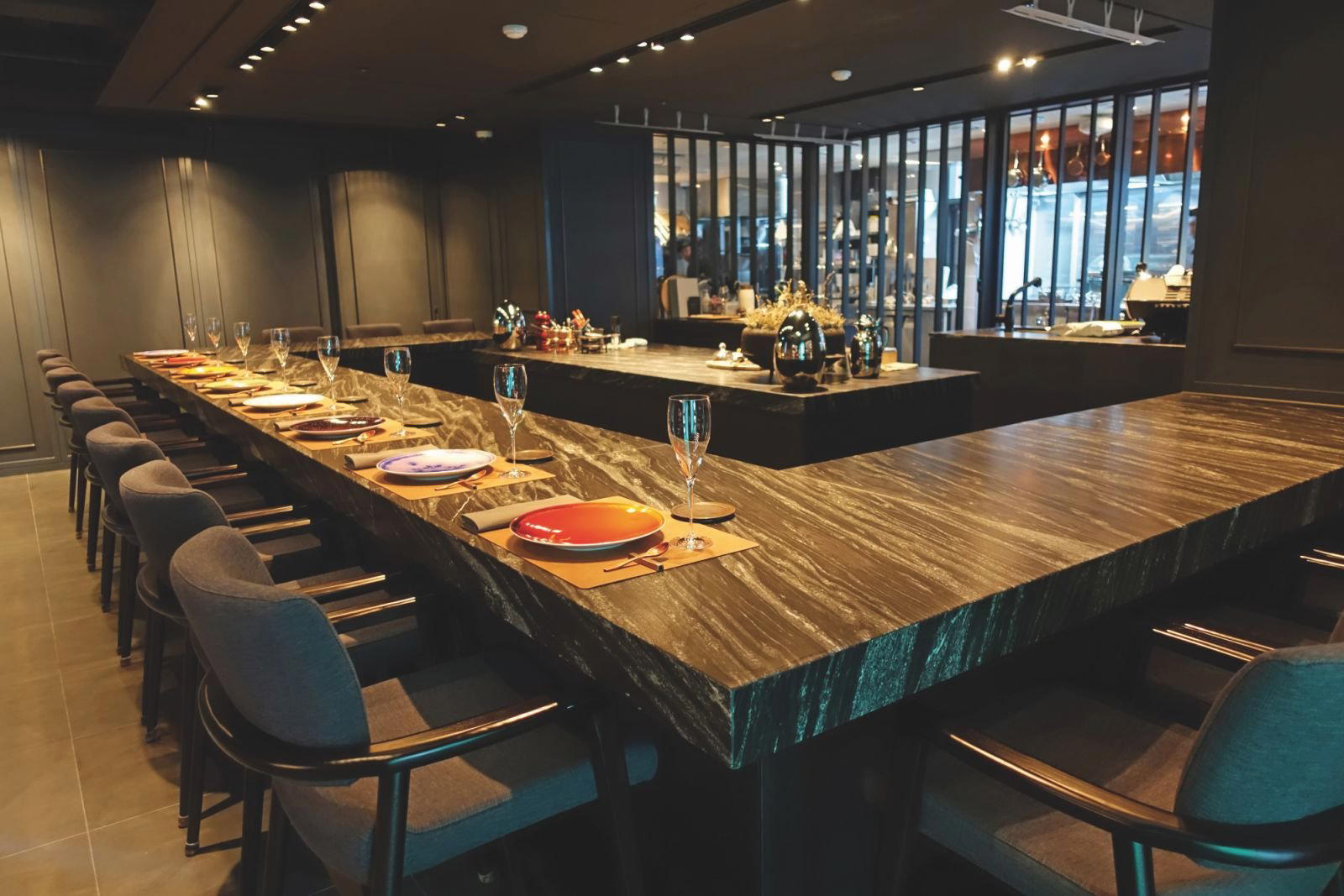
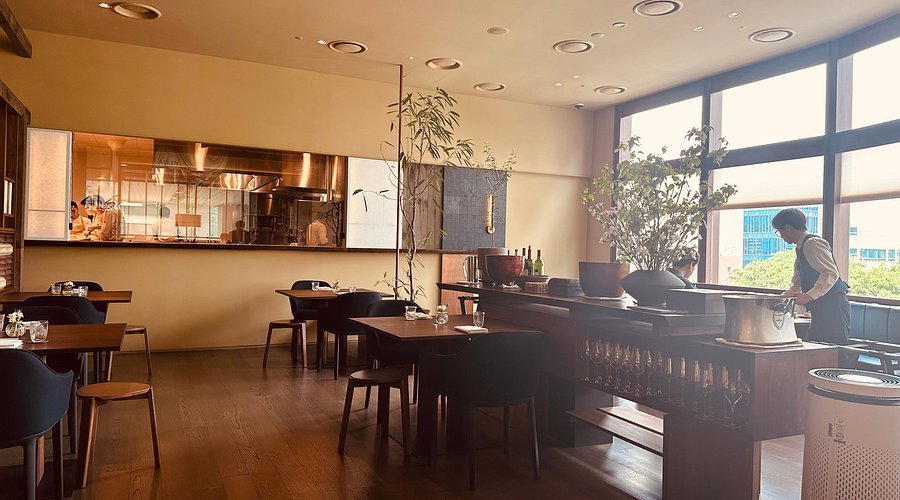
Bars in Seoul
All bars in Seoul →

Details
- Cozy
- Classic
- Casual Hangout
- A La Carte
Current opening hours
- Monday
- 11 AM–9 PM
- Tuesday
- 11 AM–9 PM
- Wednesday
- 11 AM–9 PM
- Thursday
- 11 AM–9 PM
- Friday
- 11 AM–9 PM
- Saturday
- 11 AM–9 PM
- Sunday
- Closed
Hours can change for holidays and private events. Hours as of .
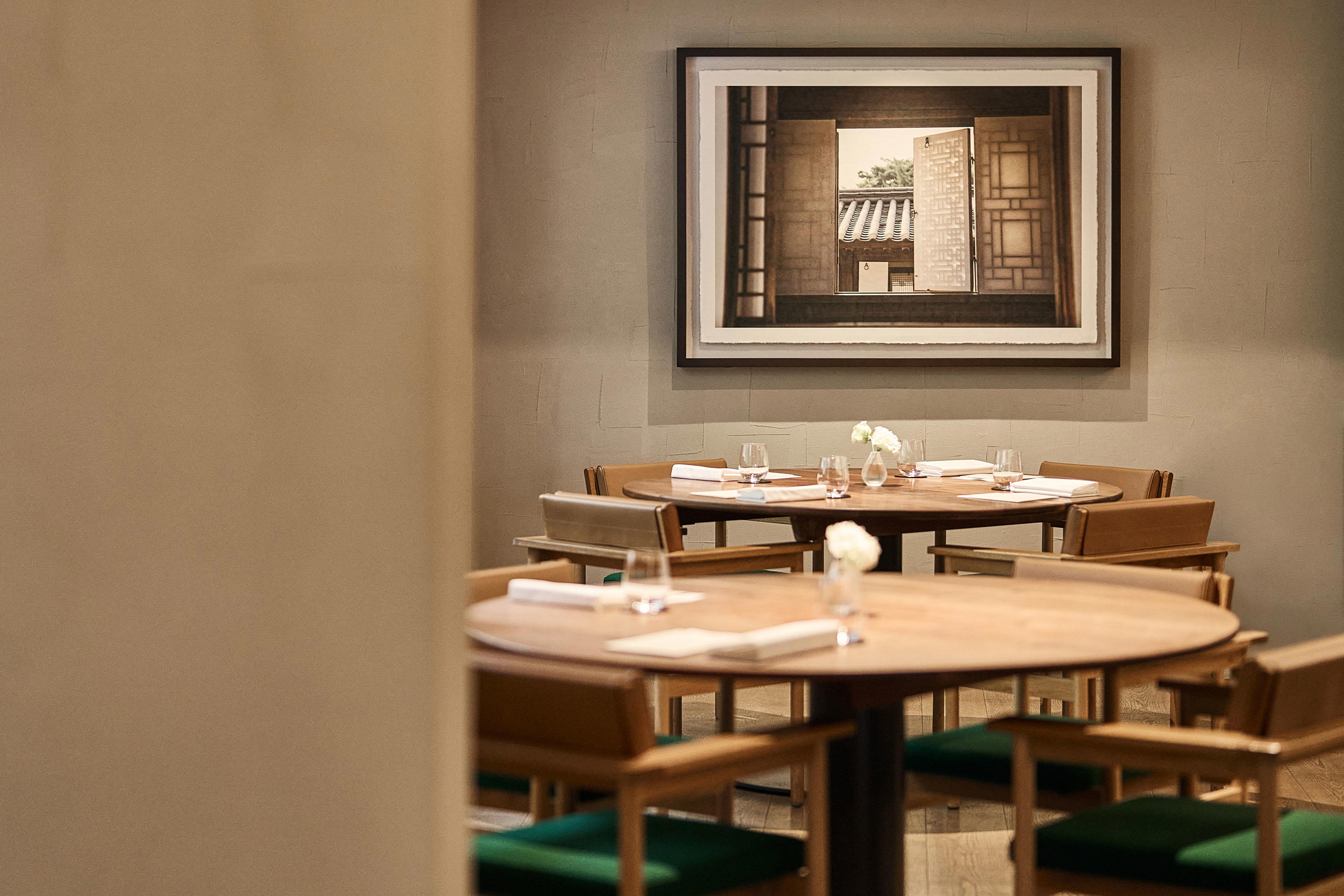
Cozy Korean-style dining atmosphere.