Baek Nyun Ok

Michelin Plate
Our verdict
Since 1992, Baek Nyun Ok has drawn a loyal following of performers and musicians from the nearby Seoul Arts Center to its straightforward, homemade dubu. The single-ingredient focus, fresh bean curd prepared in-house and served in several traditional forms, represents a strand of Korean food culture that the city's contemporary dining scene rarely replicates. A Michelin Plate recognition in 2025 confirms its place in Seoul's broader culinary conversation.

Pearl is the En Primeur Club membership app, where members save venues, book tables and use the concierge.
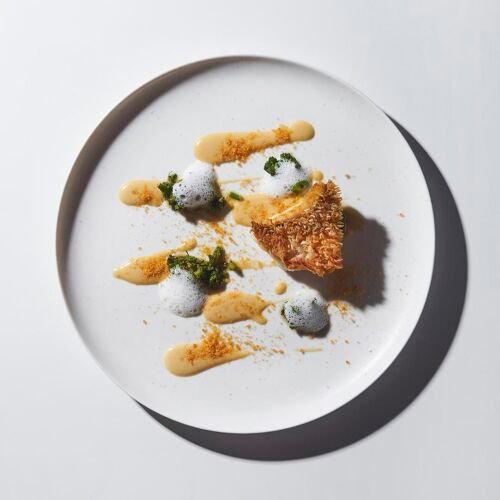
The menu
What to order
- Sundubu
- Soft Bean Curd
- Soft Bean Curd Stew with Perilla Seeds
- Yeon Doobu
The Table the Regulars Never Left
Across Nambusunhwan-ro from the Seoul Arts Center, a building that has hosted some of South Korea's most significant performances in classical music, opera, and dance, Baek Nyun Ok occupies a quieter register. The dining room is plainly decorated, with both conventional table seating and floor seating arranged in the Korean tradition. There is no elaborate design program here, no deliberate atmosphere engineered to suggest prestige. The atmosphere is the room itself: worn-in, functional, and consistently full of people who know exactly what they want when they arrive.
That clientele has been the real story since 1992. The restaurant's proximity to the Arts Center has made it a reliable stopping point for performers, musicians, and the broader community of arts workers who pass through Seocho District. What sustained that relationship over more than three decades was never novelty. It was consistency in a very specific thing: fresh, homemade bean curd, made on the premises and served without theatrical embellishment. In a city where culinary ambition now routinely reaches toward multi-course tasting menus priced at the top of any regional bracket, venues like Mingles, Jungsik, and Kwonsooksoo each represent that ambitious tier, the continued relevance of a dubu-specialist at a single-won price point is itself an editorial point about what Seoul's food culture actually contains.
Dubu as a Discipline
Korean dubu (bean curd) sits at the intersection of Buddhist temple food traditions and everyday Korean home cooking. Across Korea, temple kitchens have long treated the ingredient with the kind of attention that contemporary tasting menus now apply to single proteins or seasonal vegetables. Places like Baegyangsa Temple in Jangseong-gun represent one end of that tradition: meditative, austere, ingredient-led. In Seoul's urban restaurant context, the same philosophy takes a more accessible form, but the underlying logic is identical: the craft lies in the making, not the embellishment.
At Baek Nyun Ok, the menu centres on dubu in its most direct expressions. Soft bean curd is offered plain, a format that places all the pressure on the quality of the curd itself, its texture, temperature, and the faint mineral character that fresh homemade tofu carries that the packaged variety does not. The soft bean curd stew prepared with perilla seeds extends that base ingredient into a dish with a distinctly Korean aromatic profile: the nutty, slightly anise-adjacent note of perilla running through the broth, a combination that appears in regional Korean cooking and would be immediately recognisable to anyone who has eaten widely across the peninsula's home-cooking tradition.
For regulars, the value of this menu is its coherence. There is no kitchen performing ambition across ten courses; there is one ingredient explored across a small number of preparations, each one an argument for the quality of the raw material rather than the complexity of the technique. That discipline is what brings the same faces back. Regulars at this kind of specialist venue typically develop strong opinions about ordering, which preparation suits which season, whether the plain soft curd or the stew reads better as a midday meal versus an early evening one. The menu is short enough that those preferences form quickly, and the consistency is what makes them durable.
Seocho District and the Arts Center Neighbourhood
Seocho District occupies a different position in Seoul's dining geography than the neighbourhoods that attract more international attention. Gangnam's restaurant density is higher and its visibility greater; districts like Itaewon and Yongsan carry more of the experimental energy that appears in food media coverage. Seocho, by contrast, has a more settled, residential-professional character, shaped in part by the presence of the Seoul Arts Center and the legal and financial institutions clustered nearby.
That character produces a particular kind of restaurant ecology: places that serve working professionals and local residents consistently rather than chasing a destination-dining audience. Baek Nyun Ok fits that pattern. It is not operating at the price tier or format complexity of Gaon or the contemporary-innovative end represented by alla prima. Its competitive reference point is a different category entirely: the specialist Korean institution that has outlasted trends by doing one thing at a standard that its neighbourhood has decided is worth returning to, decade after decade.
For visitors approaching Seoul's dining scene through EP Club's full Seoul restaurants guide, understanding this geography matters. The city's food culture is not concentrated in a single district, and the most useful meals are sometimes the ones that sit at the opposite end of the format spectrum from whatever tasting menu anchors the trip. Pairing a reservation at a Michelin-starred counter with a lunch at a place like Baek Nyun Ok is a more complete way to read Seoul than staying within a single price tier.
What Michelin Plate Recognition Means Here
The Michelin Plate designation, which Baek Nyun Ok received in the 2025 guide, signals something specific within the Michelin framework: a restaurant where inspectors found food prepared to a good standard, distinct from the star tier but distinct also from the broader mass of unrecognised restaurants. In the context of a single-price-point dubu specialist that has been operating since 1992, the designation functions as confirmation of what the local regular clientele already knew. It places the restaurant in a verifiable quality tier without repositioning it as a destination-dining proposition.
That distinction matters because Seoul's Michelin-recognised landscape spans an enormous range. The same 2025 guide that includes the starred restaurants at the Korean-contemporary end, among them venues like Kwon Sook Soo, also includes specialist institutions like this one. The Plate sits at a different point on that spectrum, and understanding where it sits is part of reading the guide accurately. Beyond Seoul, comparable Korean food traditions appear in different regional settings: Mori in Busan operates within a different city's food ecology, and the contrast is instructive about how Korean culinary identity varies by geography. For a broader view of the region's dining and hospitality culture, EP Club's Seoul hotels guide, bars guide, and experiences guide provide useful context alongside the Seoul wineries guide.
For those comparing across the dubu specialist category more specifically, Hwanggeum Kongbat represents another reference point within Seoul's bean curd restaurant tradition.
Planning a Visit
Baek Nyun Ok sits at 2407 Nambusunhwan-ro in Seocho District, directly across from the Seoul Arts Center, the arts complex itself is a useful landmark for orienting. The price tier is at the lower end of Seoul's restaurant range, consistent with a neighbourhood specialist of this type. Seating options include both conventional table and floor arrangements, which is worth noting for those who prefer one format over the other. Given the restaurant's loyal and consistent patronage, arriving at off-peak hours, outside the standard lunch rush that the nearby Arts Center and professional district generates, will generally produce a more settled experience.
Frequently asked questions
Has Baek Nyun Ok won any awards?
Baek Nyun Ok has received recognition including: Michelin Plate (2025); Located across the main road from Seoul Arts Center, Baek Nyun Ok has been attracting loyal patrons, including local performers and musicians in droves, since 1992. This humble institution specializes in fresh homemad….
How much does it cost to eat at Baek Nyun Ok?
Pricing at Baek Nyun Ok is listed as ₩.
What do people recommend at Baek Nyun Ok?
The menu centres on two preparations of homemade dubu: plain soft bean curd and a soft bean curd stew made with nutty perilla seeds. Both dishes put the house-made bean curd itself at the centre, with no elaborate accompaniment obscuring its texture or flavour. The price range sits at the lowest tier (₩), making it one of the few Michelin Plate-recognised restaurants in Seoul accessible at everyday prices.
What part of town is Baek Nyun Ok in?
Baek Nyun Ok is located at 2407 Nambusunhwan-ro, Seocho District, Seoul, South Korea, Seoul.
What's the best way to book Baek Nyun Ok?
Restaurants of this type and price point in Seoul typically operate on a walk-in basis, and given that Baek Nyun Ok has built a loyal following since 1992, arriving early is advisable, particularly around Seoul Arts Center performance schedules when the surrounding area draws larger crowds.
What's the defining dish or idea at Baek Nyun Ok?
The defining idea is fresh, house-made dubu treated as the main event rather than a supporting ingredient. Most Korean restaurants use commercially produced bean curd as a component; here, the production of dubu on-site is the kitchen's central commitment, reflected in both the plain soft curd and the perilla seed stew. The 2025 Michelin Plate designation affirms that this focus on a single, humble discipline is taken seriously by the guide's inspectors.
A Credentials Check
| Venue | Cuisine | Price | Awards | Notes |
|---|---|---|---|---|
| Baek Nyun OkThis venue (the venue you are viewing) | Traditional Korean Tofu Specialist | $10–20 | Michelin Plate | Not listed |
| 7th Door | Modern Korean Fermentation Fine Dining | $100–150 | 1 Michelin Star · World's 50 Best #49 | Korean, Contemporary |
| Solbam | Contemporary Neo-Classical Korean | $200–300 | 1 Michelin Star · World's 50 Best #55 | Contemporary |
| Onjium | Modern Korean Royal Court Cuisine | Not listed | 1 Michelin Star · World's 50 Best #14 | Korean |
| L'Amitié | Classic French Fine Dining | $100–150 | 1 Michelin Star · La Liste Top Restaurants | French |
| Zero Complex | Modern French Neo-Bistro | $100–150 | 1 Michelin Star · La Liste Top Restaurants | Korean-French, Innovative |
Recognition history
Dated appearances from independent guides and award organizations, with the underlying list record or original source where available.
Michelin Plate
Michelin
Full recognition history (2 entries)
Michelin Plate
Michelin
Continue exploring
More in Seoul
Restaurants in Seoul
All restaurants in Seoul →
Bars in Seoul
All bars in Seoul →



Details
- Cozy
- Classic
- Intimate
- Casual Hangout
- Standalone
- Local Sourcing
- A La Carte
- Vegetarian Friendly
Current opening hours
- Monday
- 10 AM–9 PM
- Tuesday
- 10 AM–9 PM
- Wednesday
- 10 AM–9 PM
- Thursday
- 10 AM–9 PM
- Friday
- 10 AM–9 PM
- Saturday
- 10 AM–9 PM
- Sunday
- 10 AM–9 PM
Hours can change for holidays and private events. Hours as of .
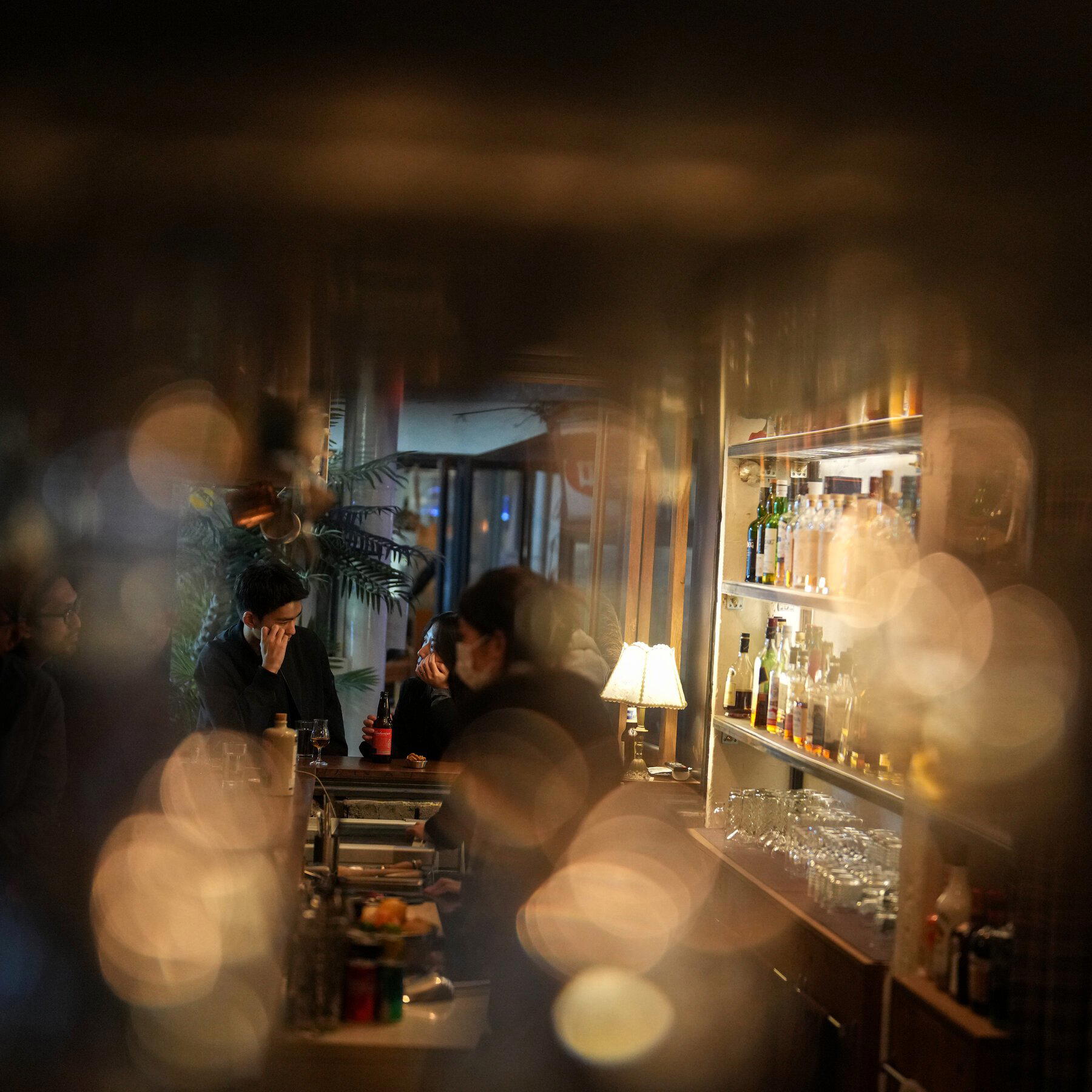
Simple, functional decor with low lighting, modest design, and both Western-style tables and traditional floor seating creating an intimate, comforting atmosphere.