.png)
Il Tirabusciò sits in Bibbiena's old town and holds consecutive Michelin Bib Gourmand recognition for 2024 and 2025, putting it among the most consistently recognised value-led tables in the Casentino valley. The kitchen works the region's strong-flavoured traditions hard, with a chef who talks through his ingredients and sources openly. A 4.6 Google rating across 360 reviews confirms the local standing.
 Discover on Pearl
Pearl is the En Primeur Club membership app — saves, bookings, and concierge access live there. Same editors, same standards.
- Address
- Il tirabusciò, Via Rosa Scoti Franceschi, 12, 52011 Bibbiena AR, Italy
- Phone
- +39 0575 595474
- Website
- tirabuscio.it
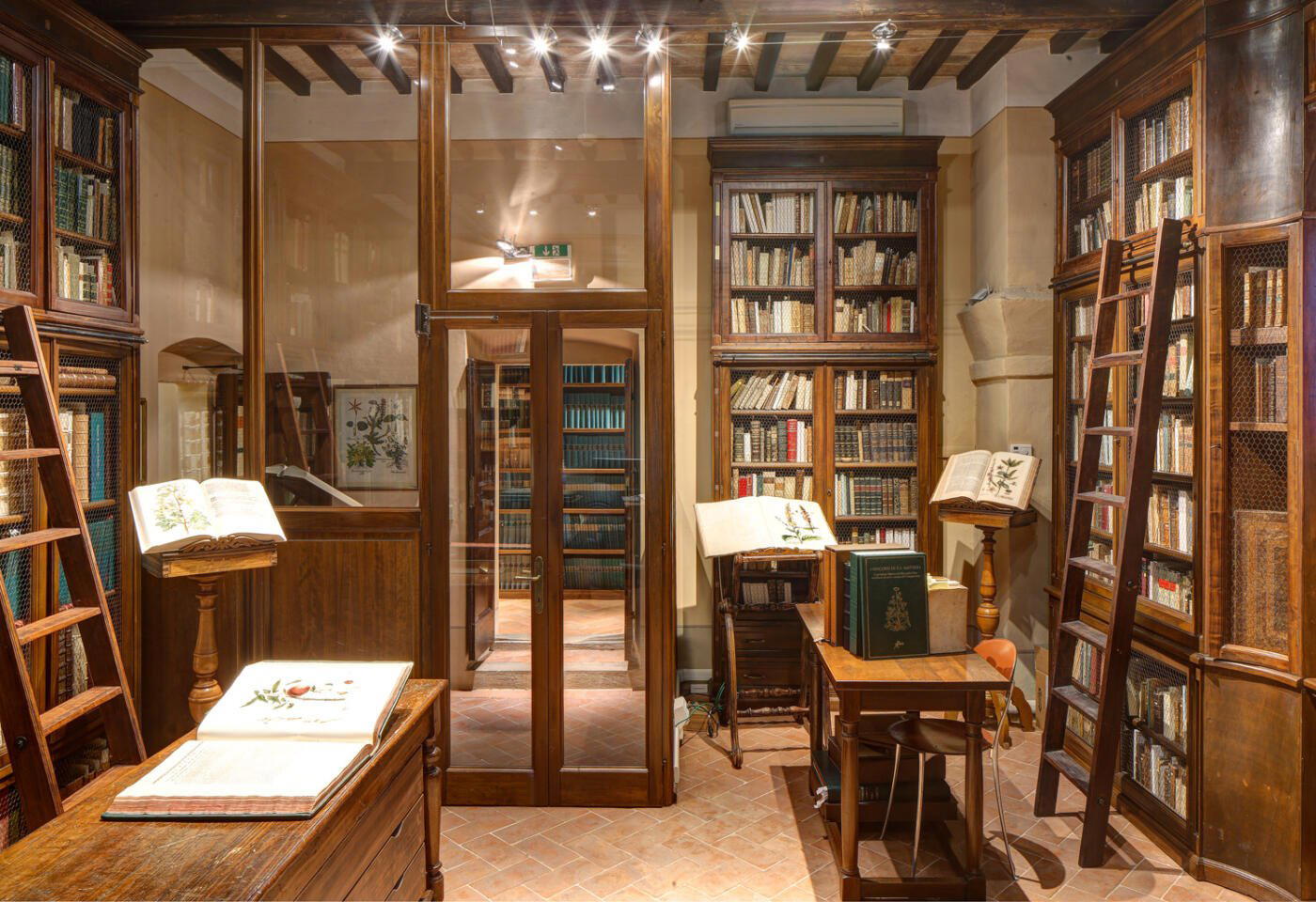
Where the Casentino Valley Comes to the Table
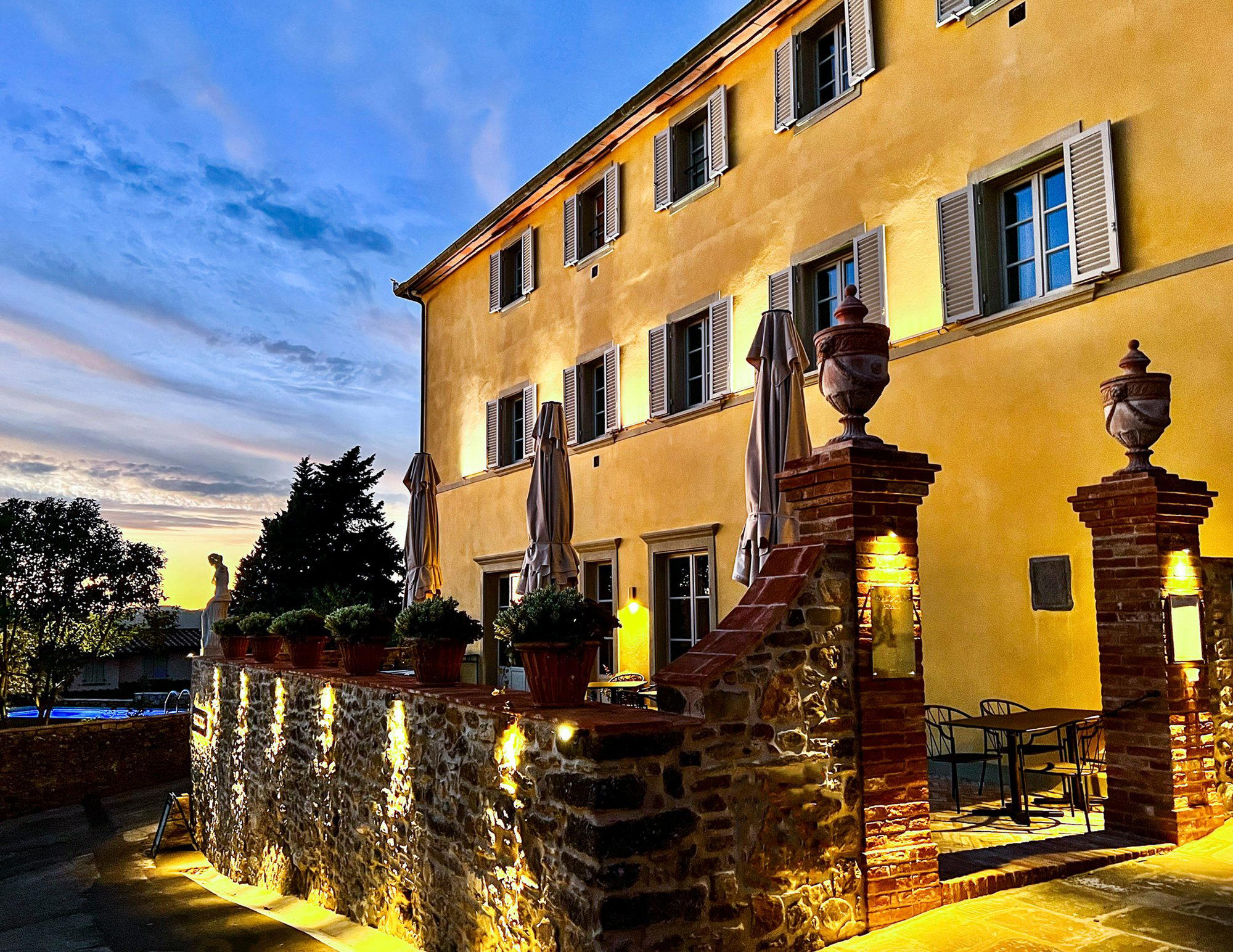
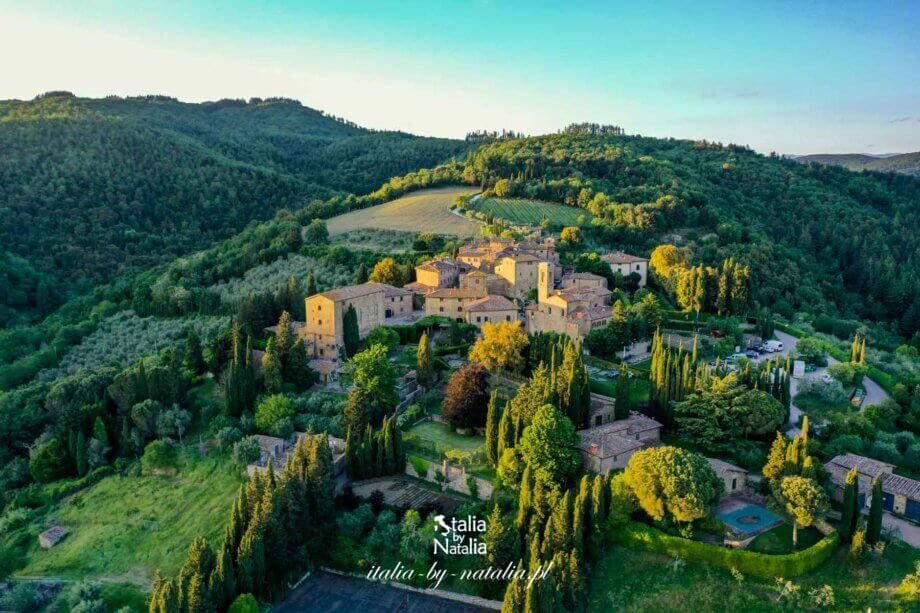
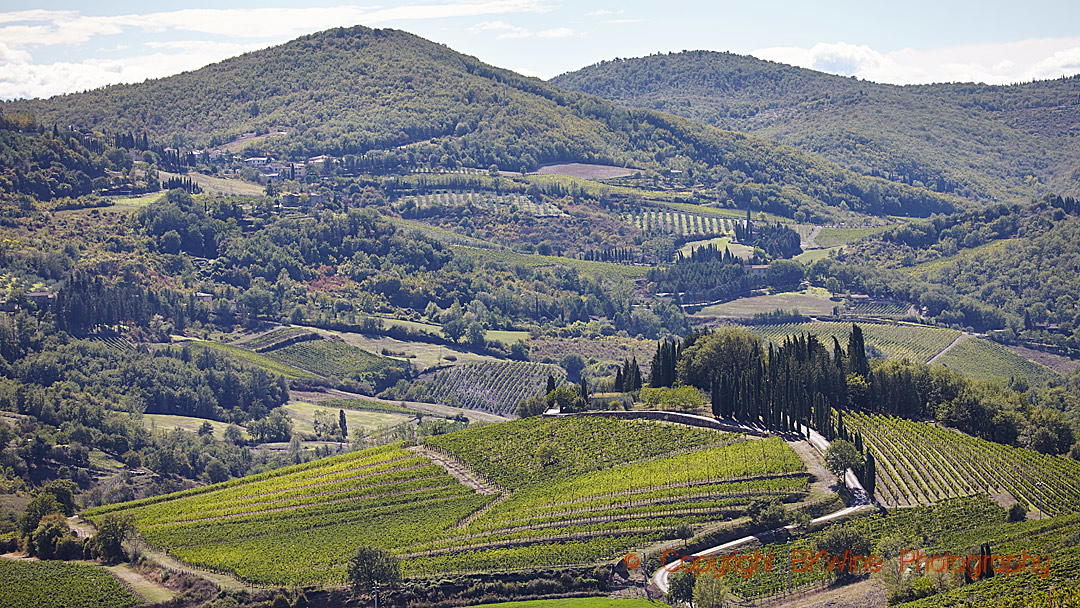
The upper Arno valley, the Casentino, is one of Tuscany's least-trafficked corridors, a stretch of forested hills and medieval market towns that sits east of Florence but operates on an entirely different tempo. Bibbiena is its largest settlement, and Via Rosa Scoti Franceschi runs through the older, higher quarter of the town, where the streets narrow and the afternoon light arrives at an angle. Il Tirabusciò occupies that address, in the fabric of a historic centre that hasn't been remade for tourism. The physical approach matters here: you are not walking into a restored farmhouse with a view or a cellar with theatrical lighting. You are entering a town-centre trattoria in a working Tuscan hill town, and that distinction sets the terms for everything that follows.
Bib Gourmand Recognition and What It Means in This Context
Michelin awarded Il Tirabusciò its Bib Gourmand in both 2024 and 2025. Back-to-back recognition in consecutive editions is a more reliable signal than a single-year listing, because it indicates consistency rather than a fortunate inspection cycle. At a €€ price range, Il Tirabusciò sits well below the four-symbol bracket occupied by the kitchens that tend to dominate Italian fine-dining conversation, places like Enoteca Pinchiorri in Florence, Osteria Francescana in Modena, or Le Calandre in Rubano. The Bib Gourmand category is specifically designed to capture value-led cooking that would otherwise get lost beneath that ceiling, and in the Casentino context, where the restaurant density is low, this level of recognition carries real weight. For other strong-flavoured Tuscan cooking with comparable regional credentials, Caino in Montemerano and L'Asinello in Castelnuovo Berardenga sit in the same broadly Tuscan peer conversation, though both operate in different sub-regional idioms.
Ingredients as the Editorial Thread
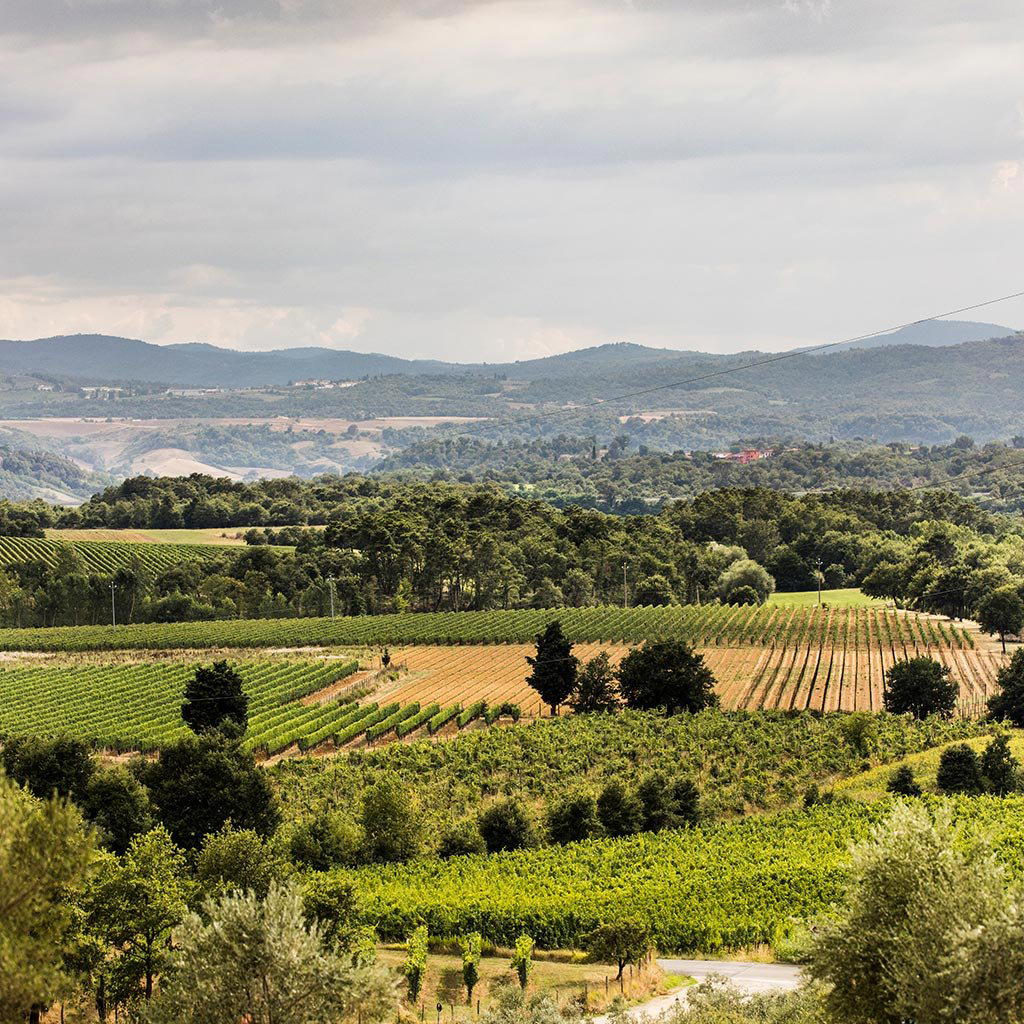
Casentino cuisine draws from a larder that is genuinely specific to the valley. The area is known for the Grigio del Casentino pig breed, for chestnuts from the forested hillsides that surround the Camaldoli monastery complex, and for freshwater fish from the upper Arno tributaries. These are not decorative regional references, they define the flavour register of a kitchen that doesn't have access to the coastal pantry that shapes much of Tuscan cooking further south and west. Strong flavours are the baseline here: game, cured meats, legumes, and preparations that reflect altitude and season rather than Mediterranean lightness.
The chef at Il Tirabusciò is noted, across Michelin's own recognition notes, for being willing to discuss ingredients and sourcing directly with guests at the table. That kind of transparency is more common in the alpine and high-altitude Italian kitchens, Atelier Moessmer Norbert Niederkofler in Brunico has made provenance-led sourcing a central pillar of its three-star program, but it is less standard at the Bib Gourmand level, and less expected in a small-town Tuscan trattoria format. The willingness to explain what is on the plate and where it came from is not a hospitality gesture; it is a practical signal that the kitchen knows its supply chain closely enough to describe it.
That sourcing specificity matters because the Casentino doesn't have the marketing infrastructure that Chianti or the Val d'Orcia have built around their food identity. Restaurants here are not selling a brand; they are cooking what the valley produces. The distinction between Casentino cooking and the more widely exported image of Tuscan cuisine is worth holding in mind when reading a menu at Il Tirabusciò, the flavour profile will be earthier and more forceful than the soft-herb, olive-oil register that international Tuscan cooking tends to project.
Where Il Tirabusciò Sits Relative to the Region's Dining Offer
The broader Italian fine-dining circuit is concentrated in cities and in a handful of destination-restaurant towns. Modena, Alba, Senigallia (home to Uliassi), Castel di Sangro (Reale), Verona (Casa Perbellini 12 Apostoli), and Alba (Piazza Duomo) are all examples of the destination-town model, where a high-profile kitchen anchors a travel decision. The Casentino is not in that category. Il Tirabusciò is not the reason someone builds an itinerary to Bibbiena from scratch; it is what makes the decision to eat in Bibbiena rather than drive back to Florence or Arezzo the correct one if you are already in the valley. That breadth of appeal, combined with Michelin recognition, places the restaurant in a tier of reliably accessible, regionally grounded cooking that is harder to find in Tuscany than the density of famous names suggests.
For readers planning a wider sweep through strong-flavoured Italian regional kitchens, the comparison set extends beyond Tuscany: Dal Pescatore in Runate, Quattro Passi in Marina del Cantone, and Enrico Bartolini in Milan all sit in the starred tier and operate at a different price point, but they illustrate the range of Italian regional cooking that the Bib Gourmand program is designed to sit alongside rather than beneath.
Planning a Visit
Il Tirabusciò is located at Via Rosa Scoti Franceschi, 12, in the old town of Bibbiena, in the province of Arezzo. The €€ price range makes it accessible across a wide range of travel contexts, from a working lunch to a longer evening sitting. Bibbiena is reachable by train from Arezzo on the regional Casentino line, which runs through the valley and connects with the main Florence-Rome axis at Arezzo. Given the Bib Gourmand profile and the relatively small capacity typical of old-town trattoria formats in towns of this size, booking ahead is the sensible approach, particularly for weekend visits and during the autumn months when the valley's game and chestnut season makes the kitchen's regional sourcing most directly visible on the menu. Reservations are recommended.
For broader planning, our full Bibbiena restaurants guide covers the wider dining offer in the town and valley. If you are spending more than a day in the area, our Bibbiena hotels guide, bars guide, wineries guide, and experiences guide map the rest of the Casentino offer.
In Context: Similar Options
Comparable venues nearby, for context on price, style, and recognition.
| Venue | Cuisine | Price | Awards | Notes |
|---|---|---|---|---|
| Il TirabusciòThis venue — the venue you are viewing | Tuscan Casentino Trattoria | $$ | Bib Gourmand | |
| Locanda Pincelli | Creative Emilian | $$ | Bib Gourmand | Selva Malvezzi |
| Trattoria da Marino | Traditional Tuscan Trattoria | $$ | Bib Gourmand | Ponte di Serravalle |
| Taverna del Grappolo Blu | Traditional Tuscan Trattoria | $$ | Bib Gourmand | Montalcino |
| Futura Osteria | Seasonal Tuscan Tasting Menu | $$ | Bib Gourmand | Abbadia Isola |
| L'800 | Traditional Emilian | $$ | Bib Gourmand | Argelato |
Continue exploring
More in Bibbiena
Restaurants in Bibbiena
Browse all →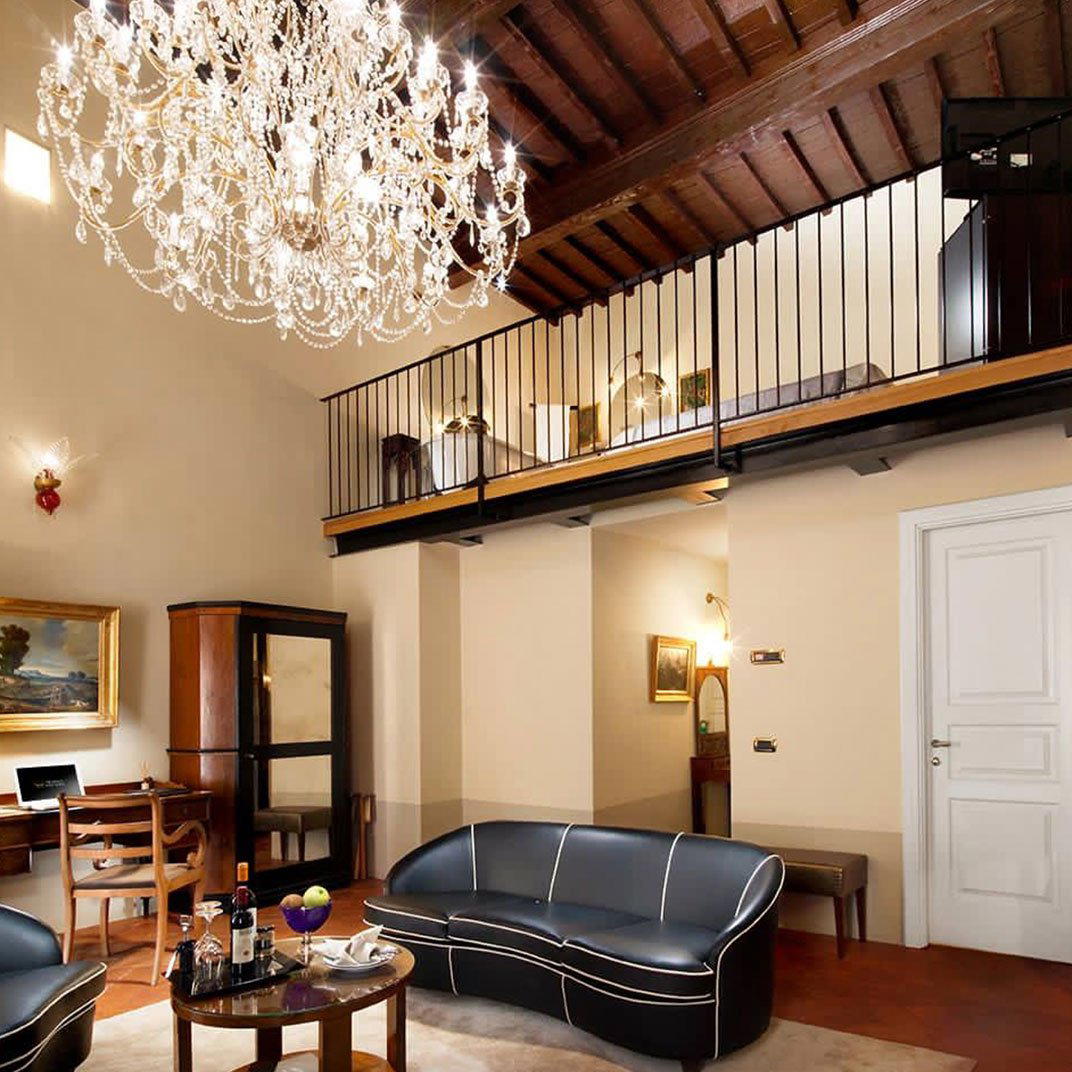
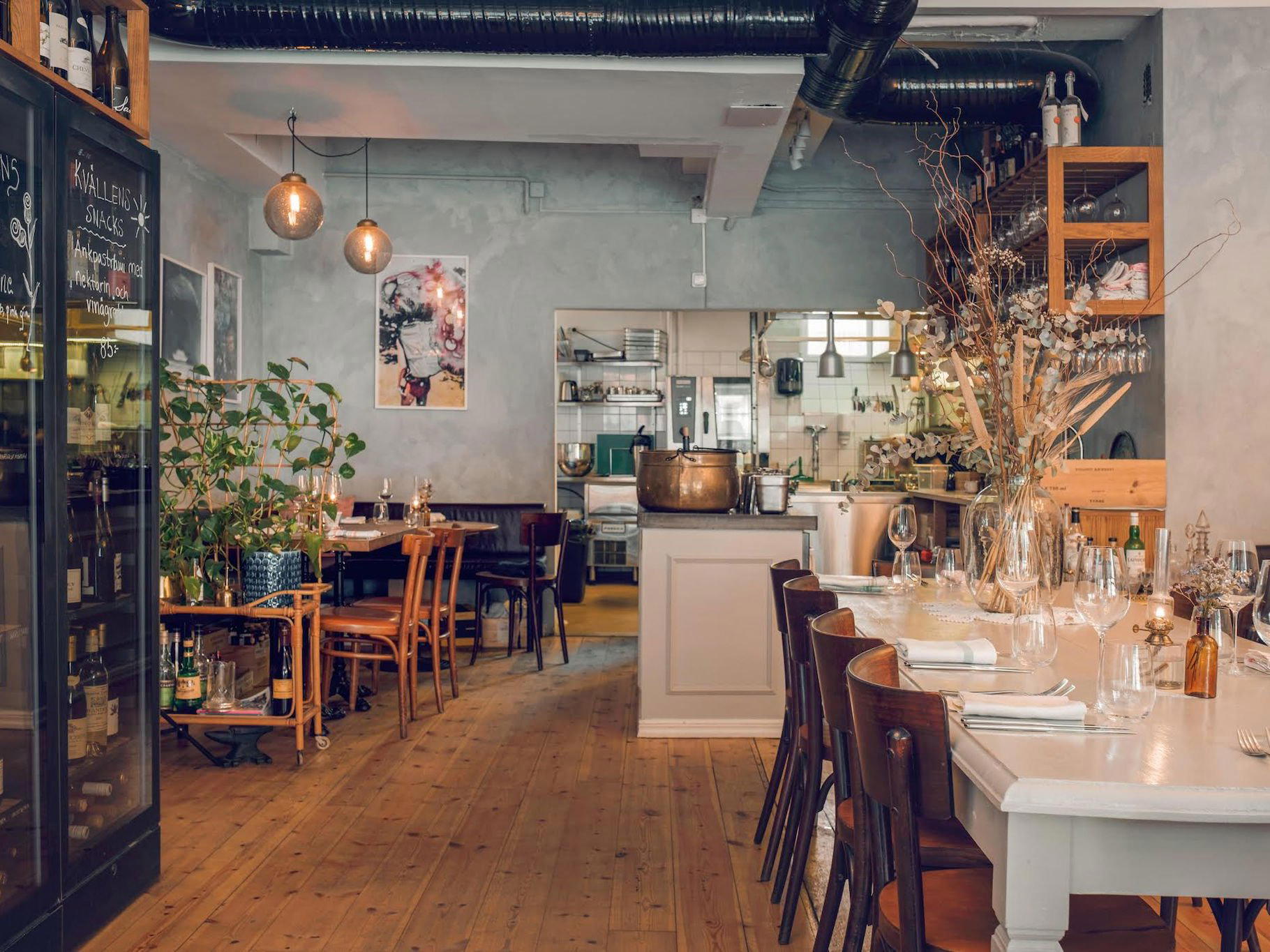
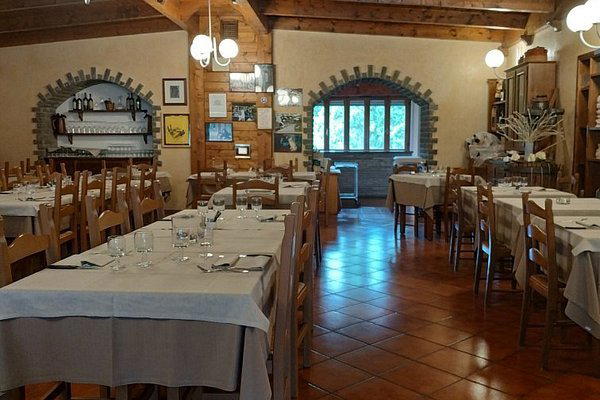
Bars in Bibbiena
Browse all →

Hotels in Bibbiena
Browse all →

At a Glance
- Rustic
- Cozy
- Elegant
- Date Night
- Special Occasion
- Historic Building
- Extensive Wine List
- Local Sourcing
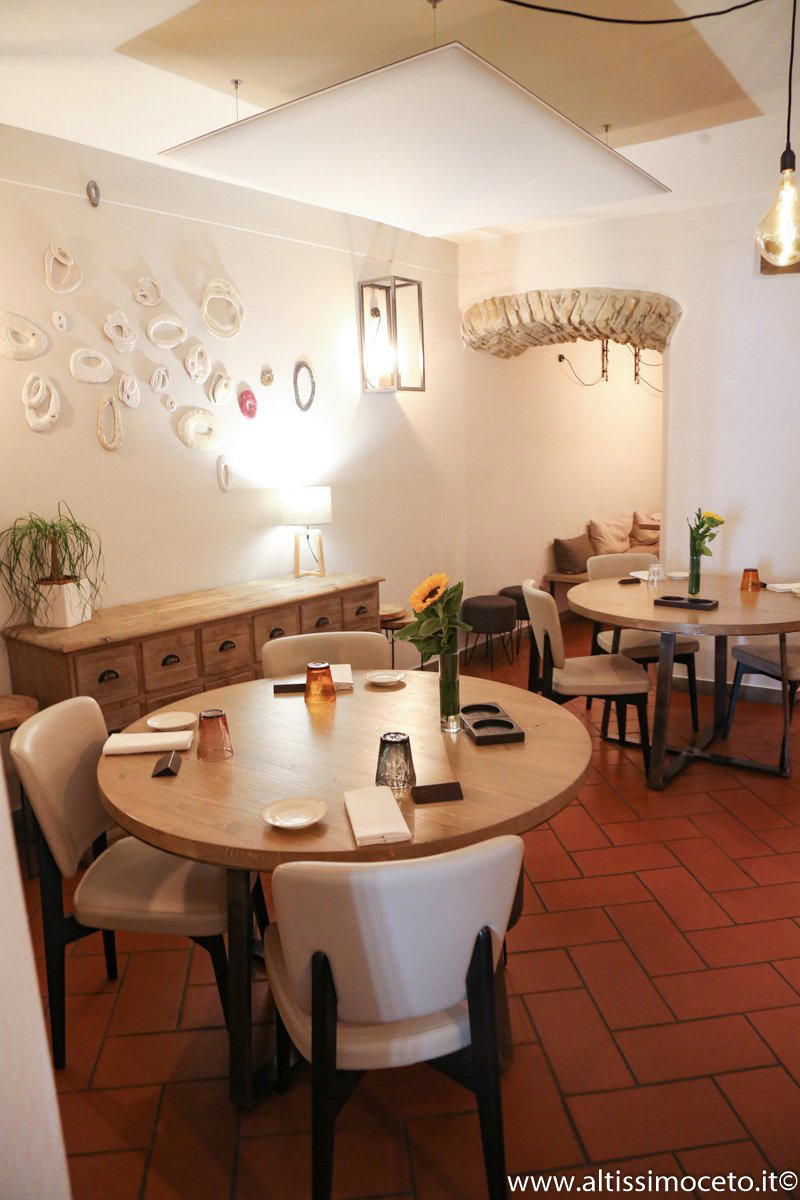
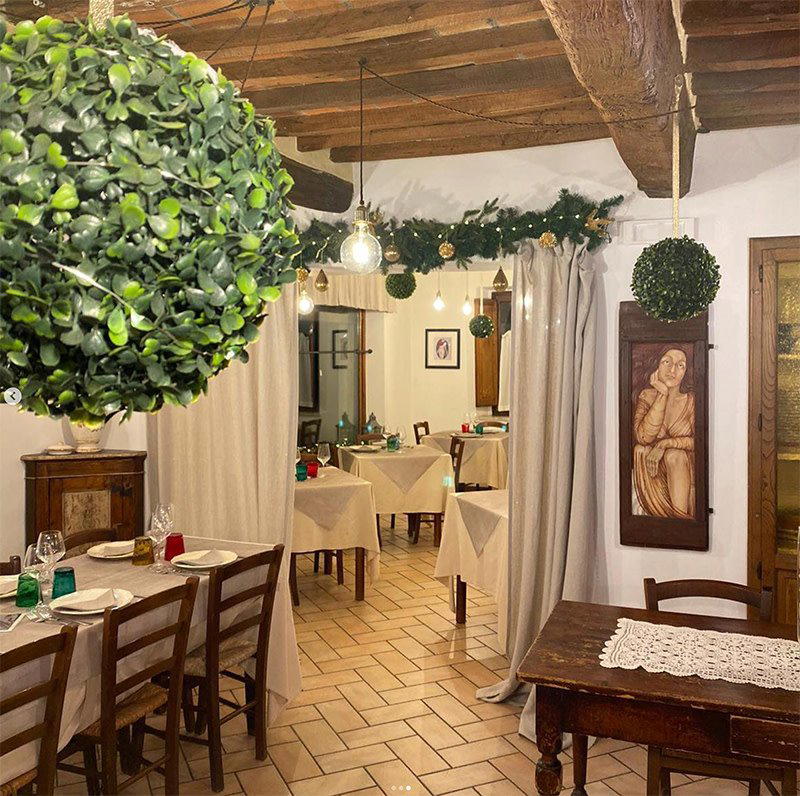
Warm, delicate, rustic interior in the heart of the old town with a relaxing and refined atmosphere.