Menya Ayumu

Menya Ayumu is a Sagamihara ramen counter with a compact, queue-driven format and a price band that keeps it in the everyday ramen bracket rather than the splurge category. Its Tabelog 100 Ramen Kanagawa selections in 2024 and 2025 make it a useful marker for how serious suburban ramen culture now competes beyond central Tokyo.
Pearl is the En Primeur Club membership app — saves, bookings, and concierge access live there. Same editors, same standards.
- Address
- 神奈川県相模原市中央区淵野辺本町3-29-13
- Website
- tabelog.com
 Saves & bookings on Pearl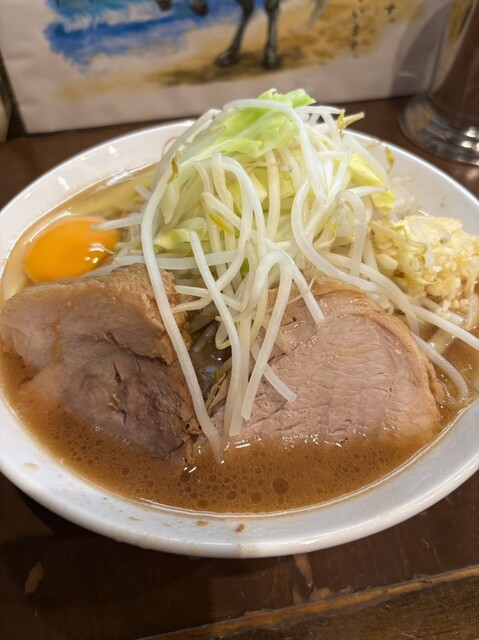
Fuchinobe’s ramen scene is not built around ceremony. The signal is practical: a small frontage, a meal-ticket rhythm, counter seats close enough to make the kitchen feel like part of the room, and customers who understand the pace before they reach the door. Menya Ayumu belongs to that Kanagawa ramen tradition, where sourcing and bowl construction matter more than décor, and where a short queue can say more than a designed dining room.
Ramen in Sagamihara sits in a different register from Tokyo’s destination counters. It is more commuter-belt than showcase, more meal than performance. That makes recognition carry particular weight. Selection for Tabelog 100 Ramen Kanagawa in both 2024 and 2025 places Menya Ayumu inside a prefectural conversation rather than a tourist one, a category where repeat local demand and consistency often matter more than a chef narrative.
Kanagawa ramen, judged by broth discipline rather than theatre
The useful way to read this address is through ingredient discipline. Serious ramen houses in Kanagawa tend to reveal themselves through extraction, seasoning control, noodle choice, and the way fat is used to carry flavor. Without a published chef biography or named signature dish to lean on, the evidence here is structural: ramen category focus, a small room, no reservations, cash-only payment, and a price band that keeps the bowl in daily-life territory.
That matters because ramen at this level is not trying to behave like a tasting menu. The contract is narrower and more demanding: stock, tare, noodles, heat, speed. A place with 18 seats, including an L-shaped counter and two four-person tables, has little room to hide inconsistency. Counter formats expose prep and service tempo, and the ramen audience in Kanagawa is trained to notice when a bowl loses balance across the day.
Compared with nearby ramen names in the same city, the price positioning is telling. Kaigara Ya and Nakamura Menzaburo Shoten sit in a higher published spending band, while Taisho Ken Fuchinobe ten is in the same sub-¥999 bracket. Menya Ayumu’s reputation therefore is not based on premium pricing. It is a value-and-repeat-visit argument, the kind of ramen address where ingredient work has to show up inside a modest ticket rather than through expensive garnish.
The room rewards diners who understand the ticket-machine order
The format is plain in the way good ramen shops often are plain. Reservations are unavailable, the room is non-smoking, and the service model depends on customers knowing what to do before sitting down. If there is a line outside, buy the meal ticket first, then join the queue. That single instruction says a great deal about the culture: the shop protects kitchen rhythm, customers self-sort quickly, and the meal begins before the seat is reached.
Its location in Fuchinobehoncho also shapes the decision. This is not a station-exit slurp for travelers shaving minutes between trains; the listed access places it 1,215 meters from Fuchinobe Station. For visitors using Sagamihara as a food stop, that distance turns the meal into a deliberate ramen detour rather than a casual transfer snack. Motorcycle parking for seven bikes next to the shop reinforces the local pattern: short-haul regulars, not only rail arrivals, are part of the audience.
The hours give it unusual range for a ramen counter, running Monday through Saturday from late morning into the evening, with Sunday closed. The risk is not formality but timing. A small seating count and no-reservation policy mean the experience is governed by turnover and queue etiquette. Credit cards, electronic money, and QR code payments are not accepted, so the practical move is simple: carry cash and arrive prepared to order without turning the counter into a consultation.
Where it sits in a Sagamihara eating day
Sagamihara rewards diners who think in categories rather than grand restaurant arcs. A ramen stop such as this can anchor a day that also includes curry, bakery runs, or a quieter neighborhood meal. Curry no Mise Maboroshi shows another side of the city’s casual seriousness, while Iekei Ramen Kukkura, Jikaseimen Nichome Ramen, and Ganso Ichijoryu Ganko Sohonke Bunten help map how many ramen subcultures can operate within the same regional orbit.
For a broader read on the area, use Our full Sagamihara restaurants guide before planning the meal, then pair it with Our full Sagamihara hotels guide, Our full Sagamihara bars guide, Our full Sagamihara wineries guide, and Our full Sagamihara experiences guide if the ramen stop is part of a wider Kanagawa itinerary.
Travelers building a Japan food route can compare the level of focus here with other casual-specialist formats across the country: -Grilled beef Sukiyaki- KAMAKURA TANUKIAN 鎌倉 たぬき庵 in Kamakura. 鮪と炭火焼き うお炭 秋葉原店 in Tokyo.cafe in Osaka.know in Kumamoto, (Shoku) Vietnam in Kawasaki, and [Curry Senmon Ten] Maruyama Kyoju. in Sapporo. For transpacific contrast, Jōdo Saké Bar in Los Angeles and Onigiri Time in Pasadena show how Japanese formats shift once they leave the everyday pricing pressures of Japan.
The editorial case for the restaurant is not luxury. It is proof that a low-price ramen counter in Sagamihara can earn sustained attention through category clarity, ingredient handling, and operational discipline. The appeal is sharpest for diners who prefer the ramen shop as a working system: ticket, queue, counter, bowl, exit.
Comparable Spots, Quickly
Comparable venues by cuisine and price in the same metro.
| Venue | Cuisine | Price | Notes |
|---|---|---|---|
| Menya AyumuThis venue — the venue you are viewing | Jiro-style ramen shop | $ | Not listed |
| Iekei Ramen Kukkura | Iekei (Yokohama-style) Ramen | $ | Sagami Ono |
| Ganso Ichijoryu Ganko Sohonke Bunten | Classic Japanese Ramen Shop | $ | Midori Ward, Sagamihara |
| Kaigara Ya | Shellfish-focused ramen shop | $ | Fuchinobe |
| Taisho Ken Fuchinobe ten | Classic Taishoken-style ramen | $ | Chuo Ward, Sagamihara (Fuchinobe) |
| Jikaseimen Nichome Ramen | Homemade Noodle Ramen Shop | $$ | Hashimoto |
Recognition history
Dated appearances from independent guides and award organizations, with the underlying list record or original source where available.
Tabelog 100 #4 · No. 4
Tabelog · Tabelog 100 - Ramen - KANAGAWA - 2025
Continue exploring
More in Sagamihara
Restaurants in Sagamihara
Browse all →


Bars in Sagamihara
Browse all →




Hotels in Sagamihara
Browse all →




Wineries in Sagamihara
Browse all →
At a Glance
- Lively
- Cozy
- Energetic
- Solo
- Casual Hangout
- After Work
- Group Dining
- Standalone
A compact, non-smoking neighborhood ramen-ya with 18 seats, centered around an L-shaped counter and a couple of small tables; the atmosphere is casual and energetic with queues common outside, focused on efficient ticket-based service rather than decor.