HORAPA

Michelin Bib Gourmand
Our verdict
A Michelin Bib Gourmand Thai restaurant in Seoul's Jongno District, HORAPA delivers high-heat wok cooking at accessible prices, consecutive Bib Gourmand recognition in 2024 and 2025 positions it among the city's most credible international kitchens operating below the fine-dining tier. The address on Jahamun-ro puts it within reach of Bukchon's quieter northern edges, making it a practical anchor for an afternoon in that part of the city.

Pearl is the En Primeur Club membership app, where members save venues, book tables and use the concierge.
The menu
What to order
- Som Tam
- Tom Yum Soup
- Kaeng Kari Kae
- Phu Mu Yang
- Phanaeng Beef Curry
Wok Heat in a Korean Kitchen: Thai Cooking in Jongno
Jahamun-ro is a long, tree-lined road that traces the southern flank of the hills leading up toward Bugaksan, threading between the Bukchon Hanok Village crowds to the east and the quieter residential stretches of northern Jongno. The dining options along this corridor tend toward Korean staples and neighbourhood cafes, which makes the presence of a serious Thai kitchen at number 37-1 something worth examining on its own terms. HORAPA occupies a category that Seoul's dining scene has been slowly building out: internationally sourced cuisine, operating at the Bib Gourmand price tier, with the kitchen credentials to back it up.
The Michelin Guide awarded HORAPA its Bib Gourmand in both 2024 and 2025, consecutive recognition that signals consistency rather than a one-year moment of notice. The Bib Gourmand designation, for readers unfamiliar with how Michelin structures its tiers, identifies restaurants offering meals of notable quality at moderate prices, the ₩ price range here confirms the positioning. In a Seoul guide increasingly populated by four-figure tasting menus at venues like Mingles, Gaon, and alla prima, the Bib tier represents something the city genuinely needs: recognised quality that does not require a special-occasion budget.
The Wok as the Kitchen's Argument
Thai cooking's identity in professional kitchens rests substantially on wok technique, specifically on the principle of wok hei, the breath of the wok, which is the smoky, slightly charred quality that comes from cooking over flame intense enough to briefly combust the oil as ingredients hit the metal. Getting that result outside Thailand requires the right equipment, the right fuel source, and a cook who understands when to push and when to pull back. It is not a technique that translates automatically across borders, and the gap between Thai food served from a flat-leading and Thai food executed on a proper high-heat wok station is immediately apparent in the finished dish.
Chef Thomas Nerlich leads the kitchen at HORAPA. The context that matters here is not a biographical arc but a practical one: the kitchen is producing Thai food at a standard that earned back-to-back Michelin attention in a city where the guide's scrutiny of non-Korean cuisines is relatively recent and, for that reason, arguably more exacting. Pad thai and pad see ew, the two dishes that function as the wok station's clearest test, depend on sequencing: protein and aromatics first, noodles in at the right moment, a short window to develop char without overcooking the noodle body. Getting that sequence right consistently, at a price point where margins are thin, is a kitchen discipline that the Bib Gourmand recognises directly.
Seoul's Thai dining scene has been growing, with venues like Manao and Tuk Tuk Noodle Thai establishing that Korean diners have appetite for the cuisine across its registers. HORAPA's two-year Michelin streak places it at the credentialled end of that growing cohort, competing less with casual Thai delivery and more with the kind of focused, technically sound cooking that makes non-native cuisine worth seeking out in the first place.
The Broader Wok Tradition Behind the Plate
Understanding what good pad see ew requires helps calibrate what to look for on the plate. Wide rice noodles, Chinese broccoli, egg, and protein, the components are simple. The differentiation comes from the degree of caramelisation on the noodle surface and the balance between the dark soy sauce's sweetness and the dish's slight bitterness from the greens. At its finest, each noodle strand has a slight resistance and a faint smokiness that no amount of seasoning at the table can replicate if the wok heat was insufficient to begin with. Thai restaurants in Korean cities sometimes compensate for equipment limitations by adjusting sauce ratios, leaning heavier on seasoning to simulate depth the wok did not create. The Michelin recognition at HORAPA suggests the kitchen is not making that compromise.
For broader regional comparison, the Bangkok Thai scene that venues like Nahm and Samrub Samrub Thai represent sets a high bar for Thai cooking at the tasting-menu end. AKKEE in Pak Kret operates closer to the neighbourhood register. HORAPA's position as a Bib Gourmand operation in Seoul places it in a different competitive frame entirely: it is the credible, accessible version of the cuisine in a city where Thai food is not the default, delivered at a price point that makes a return visit an easy decision.
The score itself, maintained at that level across a pool that includes local Korean diners who have stronger reference points for comparison than most international visitors, carries some weight. It aligns with the Michelin signal rather than contradicting it.
Jongno District as Context
Jongno's dining character is less internationally focused than Itaewon and less trend-driven than Mapo. The district's restaurant density trends toward traditional Korean: naengmyeon houses, grilled meat specialists, and temple-adjacent vegetarian options. The neighbourhood's relative quiet compared to Seoul's western districts means that venues here tend to hold a more local clientele. A Thai kitchen sustaining Michelin recognition in this environment is building its reputation among the city's residents rather than riding foot traffic from the international dining circuit.
For visitors organising a day in this part of the city, HORAPA sits logically alongside the hanok village and the Cultural Heritage Administration area to the east. Nearby venues worth considering for context include Youhan, which operates in a different register but occupies the same broader Jongno territory. Those planning a wider Seoul dining route can cross-reference our full Seoul restaurants guide.
Planning a Visit
HORAPA's address at 37-1 Jahamun-ro, Jongno District puts it in walkable range of Gyeongbokgung Station on Seoul Metro Line 3. The ₩ price point means a full meal remains accessible without advance budget planning, though the Bib Gourmand status means demand likely exceeds the casual walk-in window, particularly on weekends. Those building a wider Korea itinerary can also look at Mori in Busan or Baegyangsa Temple in Jangseong-gun for contrast. Additional Seoul dining options at the Michelin-starred tier include Kwon Sook Soo in Gangnam-gu and The Flying Hog in Seogwipo for those extending to Jeju. Our Seoul hotels guide, bars guide, wineries guide, and experiences guide cover the wider city.
Frequently asked questions
How would you describe the vibe at HORAPA?
HORAPA sits in Jongno District, which gives it a more local, residential character than Seoul's international dining corridors. At the ₩ price tier with back-to-back Michelin Bib Gourmand recognition in 2024 and 2025, the room likely draws a mix of neighbourhood regulars and informed diners who have done the research. Expect a focused, unfussy environment where the kitchen's output is the main event rather than any particular staging or spectacle.
What should I eat at HORAPA?
The editorial angle here points to the wok station: pad thai and pad see ew are the clearest tests of a Thai kitchen's technical execution, and the Michelin Bib Gourmand awarded to Chef Thomas Nerlich's kitchen in both 2024 and 2025 suggests those dishes are being done with care. Thai cuisine's stir-fry register, high heat, precise timing, the char that comes from a proper flame, is where HORAPA's credentials are most clearly expressed. In the absence of confirmed menu data, those dishes represent the most defensible starting point for a first visit.
Budget Reality Check
| Venue | Cuisine | Price | Awards | Notes |
|---|---|---|---|---|
| HORAPAThis venue (the venue you are viewing) | Modern Thai Street Food | $20–30 | Michelin Bib Gourmand | Not listed |
| 7th Door | Modern Korean Fermentation Fine Dining | $100–150 | 1 Michelin Star · World's 50 Best #49 | Korean, Contemporary |
| Solbam | Contemporary Neo-Classical Korean | $200–300 | 1 Michelin Star · World's 50 Best #55 | Contemporary |
| Onjium | Modern Korean Royal Court Cuisine | Not listed | 1 Michelin Star · World's 50 Best #14 | Korean |
| L'Amitié | Classic French Fine Dining | $100–150 | 1 Michelin Star · La Liste Top Restaurants | French |
| Zero Complex | Modern French Neo-Bistro | $100–150 | 1 Michelin Star · La Liste Top Restaurants | Korean-French, Innovative |
Recognition history
Dated appearances from independent guides and award organizations, with the underlying list record or original source where available.
Michelin Bib Gourmand
Michelin
Full recognition history (2 entries)
Michelin Bib Gourmand
Michelin
Continue exploring
More in Seoul
Restaurants in Seoul
All restaurants in Seoul →
Bars in Seoul
All bars in Seoul →
Details
- Cozy
- Intimate
- Modern
- Elegant
- Date Night
- Solo
- Casual Hangout
- Open Kitchen
- Craft Cocktails
- Local Sourcing
- A La Carte
- Small Plates
- Vegetarian Friendly
Current opening hours
- Monday
- Closed
- Tuesday
- 11:30 AM–3 PM, 6–10 PM
- Wednesday
- 11:30 AM–3 PM, 6–10 PM
- Thursday
- 11:30 AM–3 PM, 6–10 PM
- Friday
- 11:30 AM–3 PM, 6–10 PM
- Saturday
- 11:30 AM–3 PM, 6–10 PM
- Sunday
- Closed
Hours can change for holidays and private events. Hours as of .
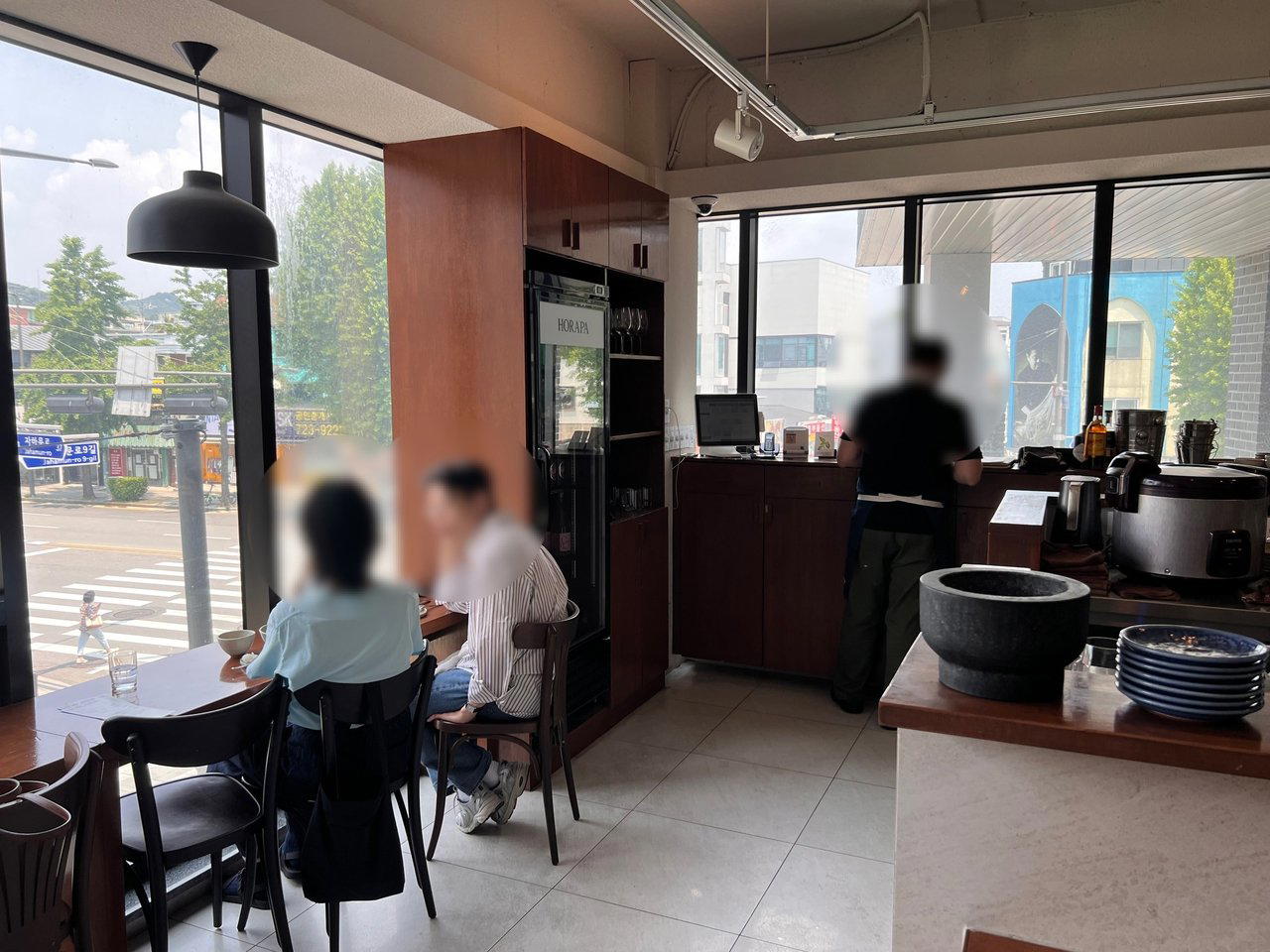
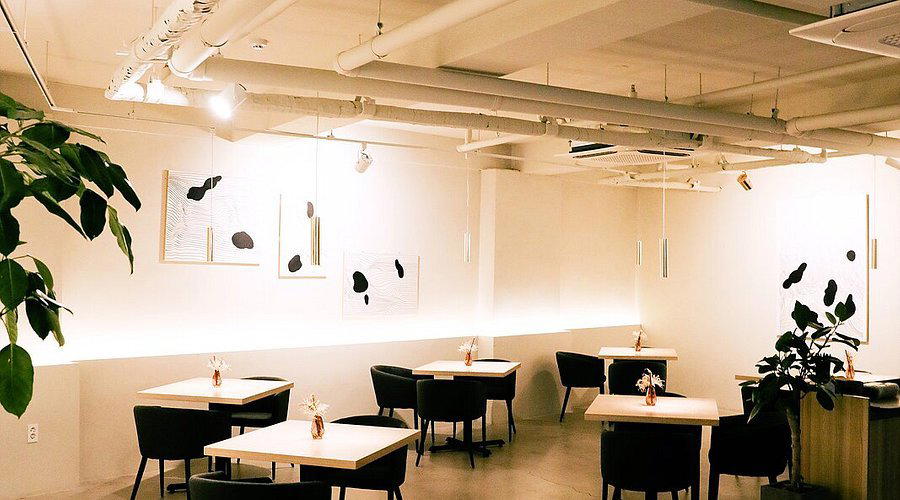
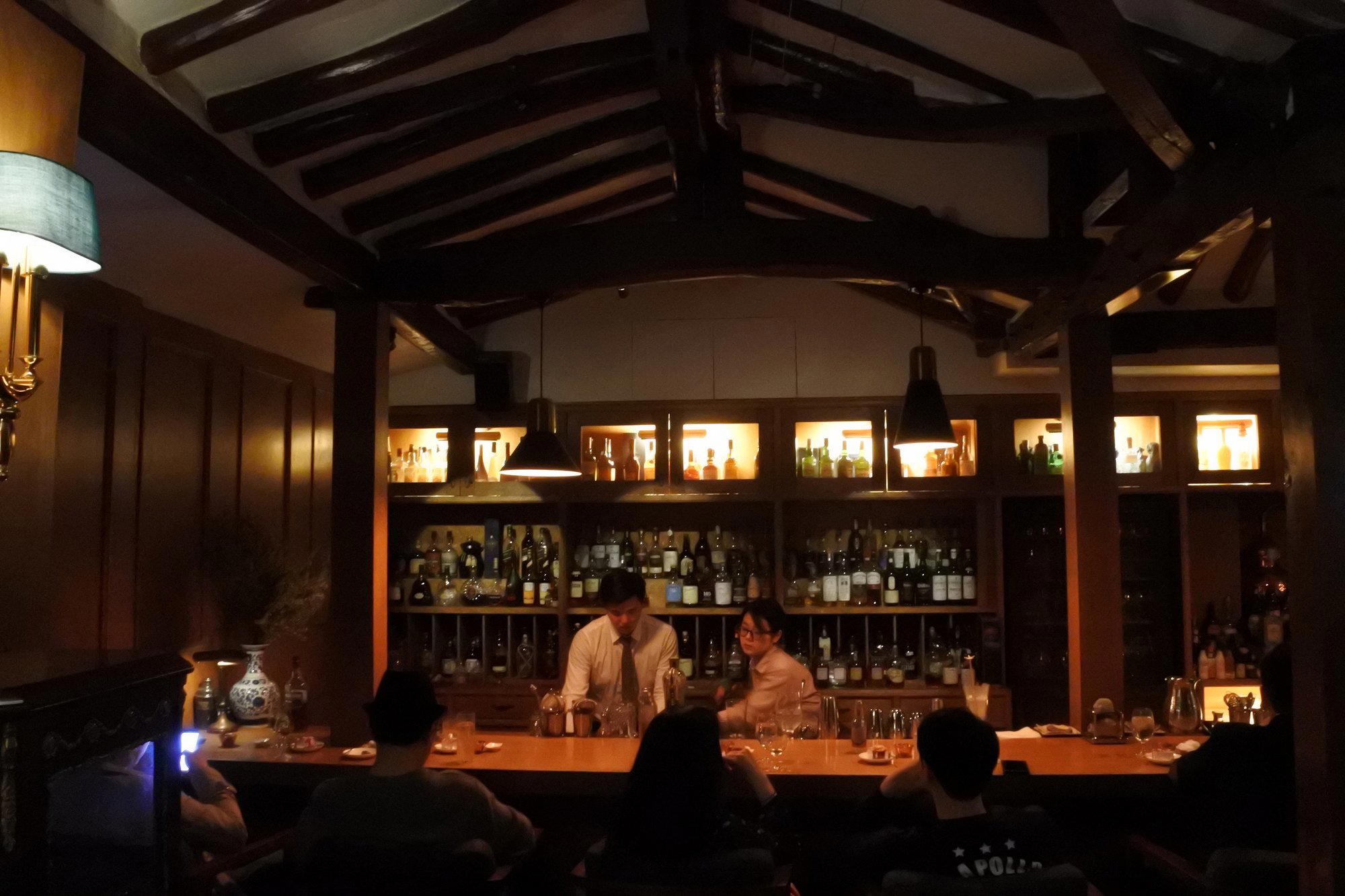
Low evening lighting focuses attention on dishes in a warm, intimate second-floor space with natural materials evoking Thai street markets, arranged for small groups and couples with reduced street noise.