



1 Michelin Star · World's 50 Best #49 · La Liste Top Restaurants
Our verdict
Nahm at the COMO Metropolitan Bangkok holds a Michelin star and an Opinionated About Dining Top 92 ranking for Asia in 2025, placing it among the city's serious Thai fine-dining addresses. Chef Pim Techamuanvivit leads the kitchen with a focus on heritage Thai technique. The Heritage set menu is the recommended format for a first visit.

Pearl is the En Primeur Club membership app, where members save venues, book tables and use the concierge.
A Sathorn Institution That Keeps Earning Its Place
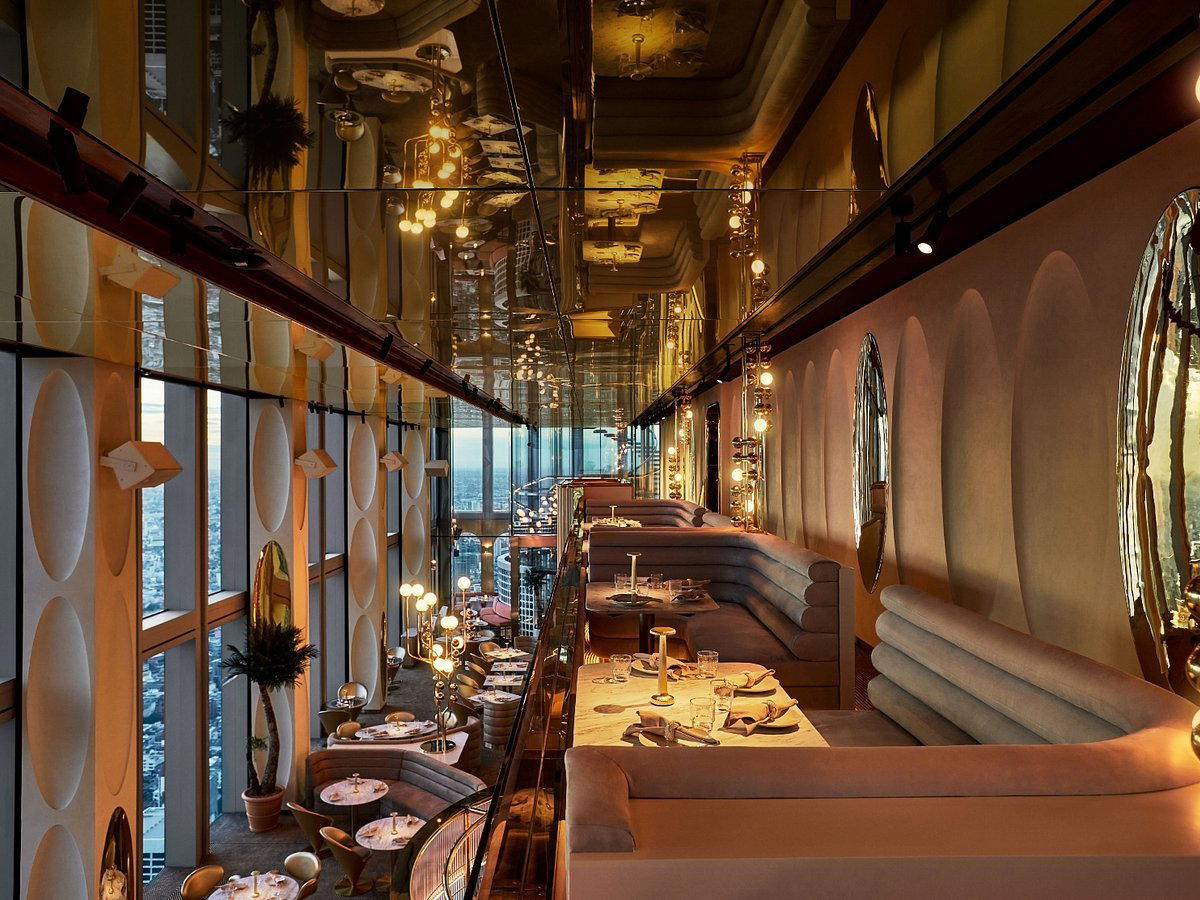
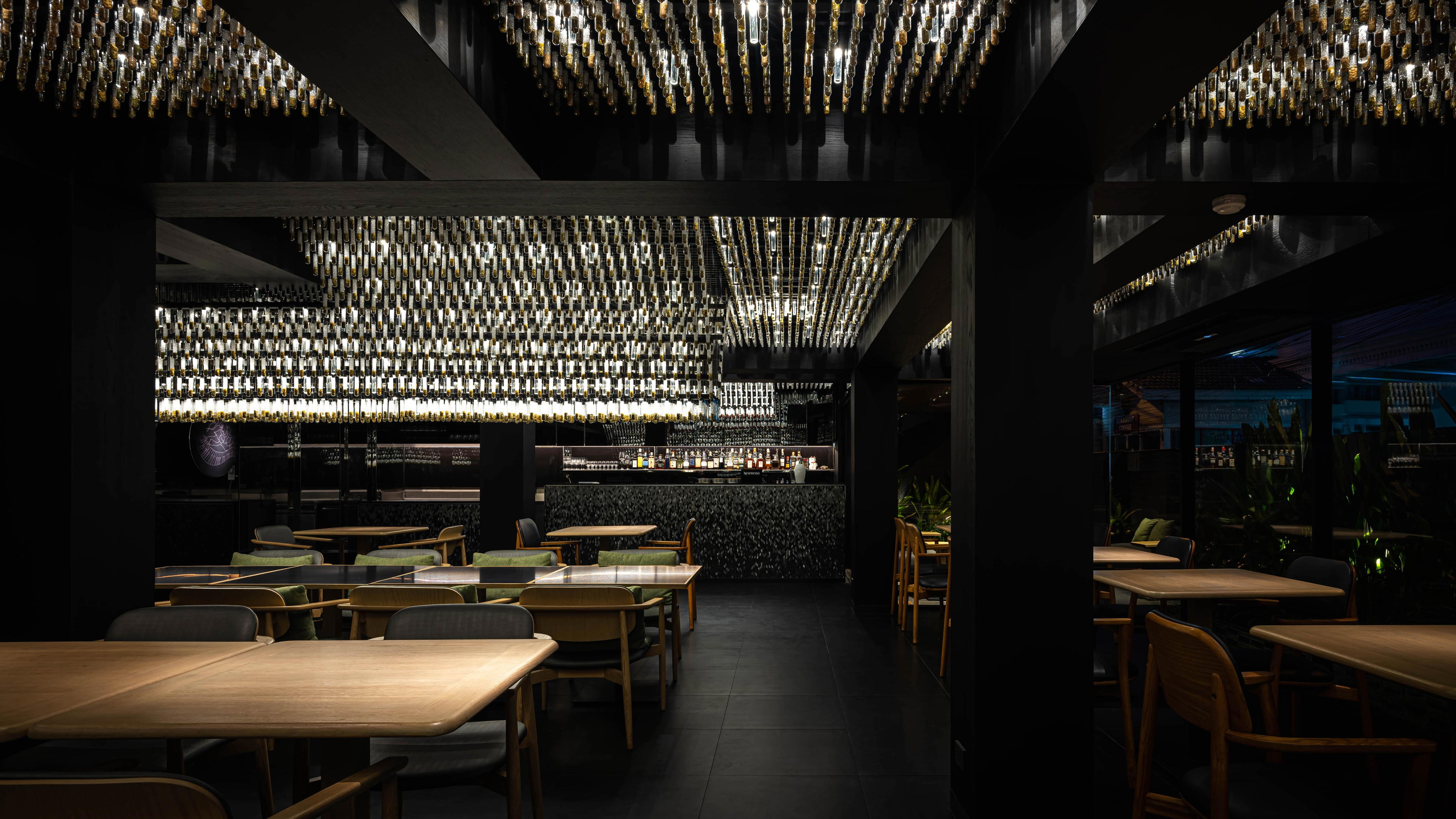
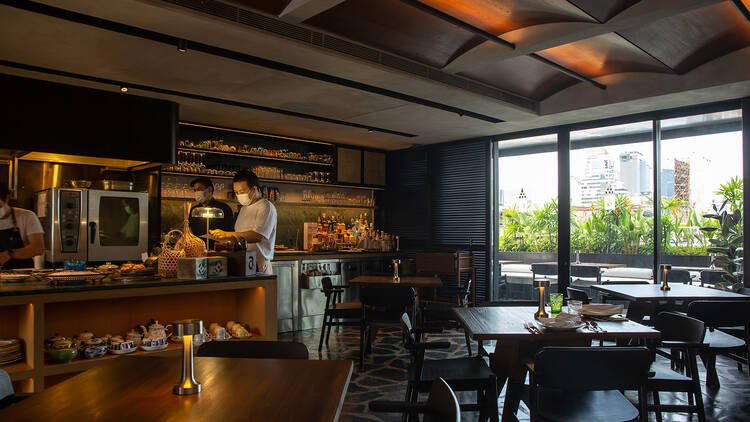
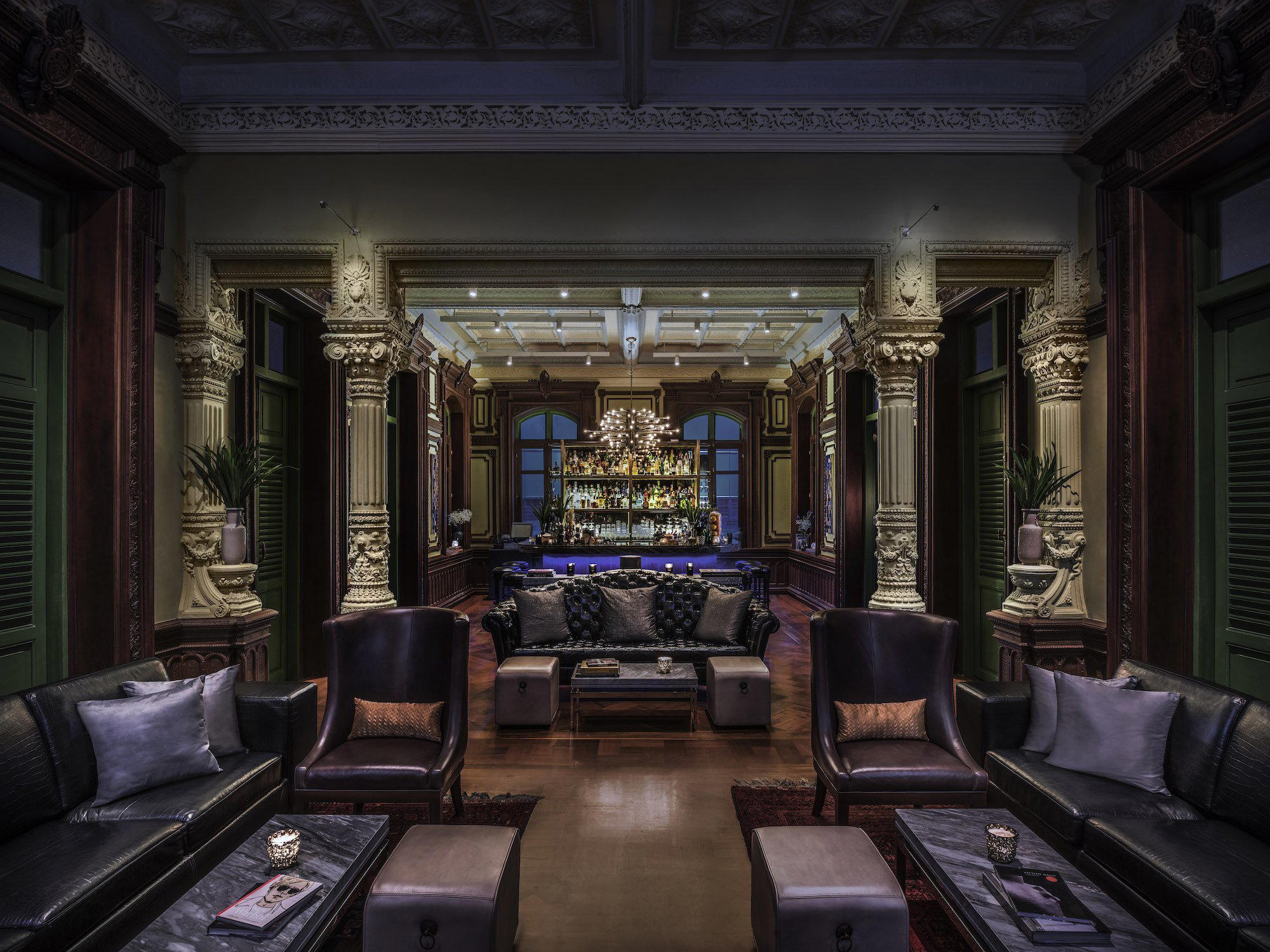
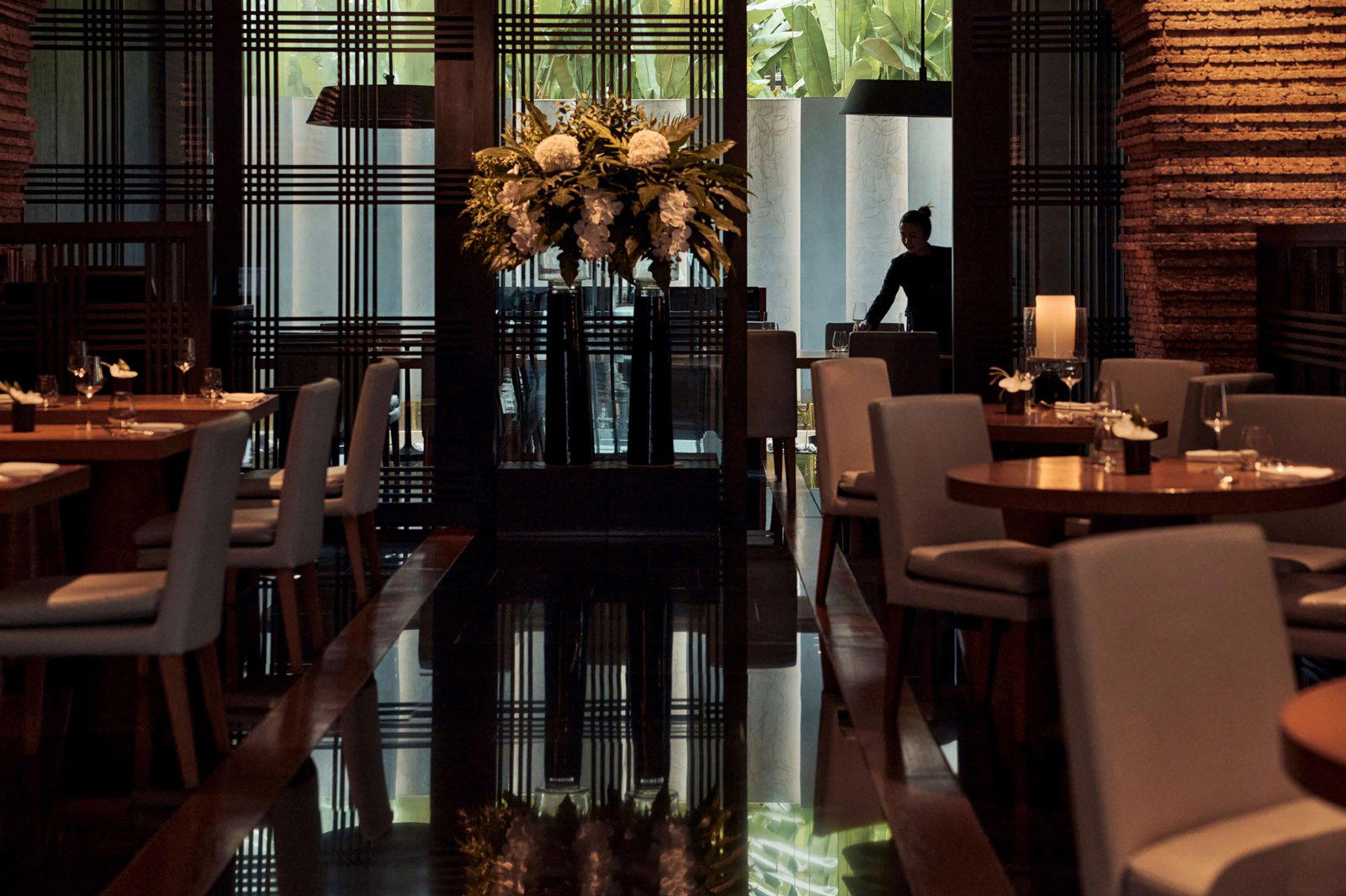
South Sathorn Road at night runs quieter than Bangkok's more tourist-worn corridors. The COMO Metropolitan's lobby filters out street noise quickly, and the transition into Nahm's dining room sharpens the shift further. The space is low-lit and composed, with warm tones that frame the room as somewhere to settle in rather than move through. It is a useful signal: Nahm has always been about the long game, from the ambition of its opening through to the sustained ranking presence it has maintained across more than a decade.
That track record is not incidental. The restaurant appeared on the World's 50 Best Restaurants list consecutively from 2012 through 2018, peaking at number 13 in 2014. By the standards of that list's churn, multi-year presence at that tier is a durable credential. Nahm has since transitioned away from 50 Best visibility while accumulating Michelin recognition (one star, 2024) and consecutive placements on Opinionated About Dining's Asia rankings: number 84 in 2023, number 80 in 2024, and number 92 in 2025. La Liste scores it at 85 points in 2026, down marginally from 86 in 2025. The pattern across these indices suggests a restaurant that sits solidly inside Bangkok's upper-tier Thai fine-dining bracket rather than one chasing the next wave of hype.
Where It Sits Among Bangkok's Thai Fine-Dining Tier
Bangkok's high-end Thai dining scene has bifurcated noticeably over the past several years. On one side sit the ฿฿฿฿-priced houses: Sorn's Southern Thai tasting format, Baan Tepa's contemporary Thai approach, and the broader cluster of restaurants that price themselves at the ceiling of local fine dining. Nahm occupies the ฿฿฿ tier, which in this context means it is accessible by Bangkok luxury standards without the commitment ceiling of that upper group.
The more relevant peer comparisons within the ฿฿฿ tier include restaurants like Saneh Jaan and Baan, both of which approach Thai cuisine through a formal or heritage lens. Aksorn sits nearby in the city's fine-dining Thai conversation, working from vintage Thai cookbooks in its own register.
What distinguishes Nahm within that cohort is longevity and accumulated recognition. Very few Bangkok Thai restaurants have held consistent international ranking presence across twelve-plus years. That durability shapes the audience the restaurant attracts: a mix of returning visitors who treat it as a benchmark, first-timers working through the city's fine-dining canon, and a Bangkok professional contingent that books it for occasions requiring reliable provenance.
The Kitchen's Direction Under Pim Techamuanvivit
Chef Pim Techamuanvivit has led the Nahm kitchen through the period covered by its recent Michelin and OAD recognition. Her focus on authentic Thai flavour construction, documented across awards commentary, sits in contrast to the modernist-Thai register that some of the newer ฿฿฿฿ houses employ. Nahm's approach is not about de-constructing Thai cuisine; it is about executing it with sourcing depth and formal kitchen discipline.
That positioning has a broader parallel in how high-end Thai restaurants internationally tend to divide: those that use fine-dining form to reframe Thai food through a contemporary tasting-menu lens, and those that apply fine-dining rigour to the actual canon of Thai cooking. Nahm sits in the latter group. For guests who prefer to eat a refined version of something recognisably Thai rather than a chef's conceptual response to it, that distinction matters considerably. The same orientation is visible in Techamuanvivit's other project, Kin Khao in San Francisco, which approaches Thai cuisine in a different register but shares the commitment to flavour authenticity.
What to Order at Nahm
The Heritage set menu is the format La Liste and other guides consistently flag as the recommended entry point. It moves through the full register of the kitchen's capability, from savoury canapés into mains and dessert, giving the kitchen room to demonstrate range in a way that individual à la carte ordering may not. The à la carte is available for guests who prefer to control the structure of their meal, but the set menu format reflects the kitchen's Thai heritage emphasis more completely.
Nahm is dinner-only, operating from 6 PM to 11:30 PM daily across the full week. That consistent seven-day evening schedule is worth noting for trip-planning: there is no closed day to plan around, and 11:30 PM last-seating gives the restaurant one of the later booking windows among Bangkok's formal fine-dining addresses, accommodating guests whose evenings run to Bangkok's actual pace rather than a compressed European-style service.
Planning Your Visit: The Booking Reality
Nahm's combination of Michelin recognition, sustained international ranking presence, and hotel-integrated location creates a specific booking profile. Tables at recognised Bangkok fine-dining addresses in this tier book faster than equivalent restaurants in many European cities, partly because of the international visitor volume that flows through Bangkok and partly because the pool of comparable alternatives is relatively small. Guests visiting Bangkok for a short window should treat Nahm as a first-priority booking, made well before other plans are fixed.
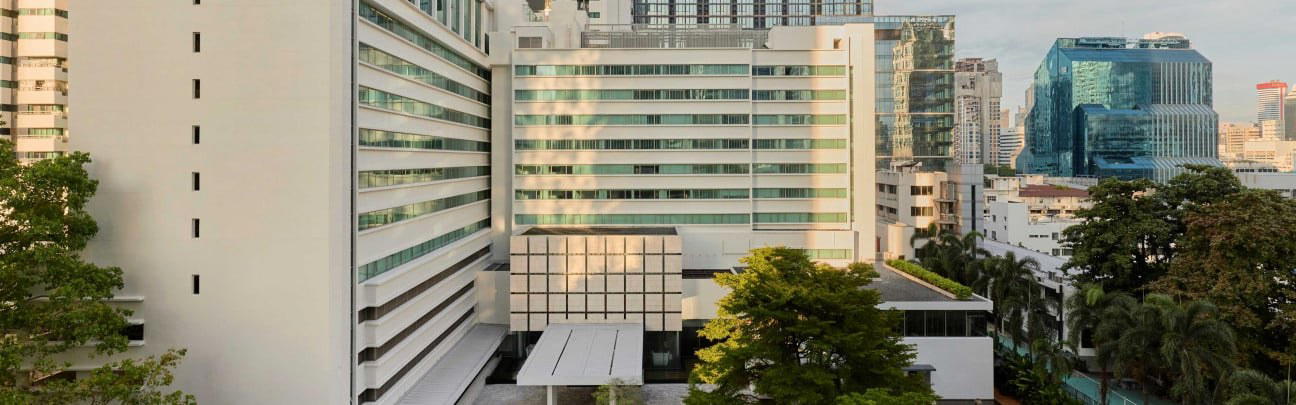
The hotel context (COMO Metropolitan, 27 South Sathorn Road, Sathon) works in the restaurant's favour logistically. The Metropolitan is a destination in its own right, and guests staying there carry no additional transport consideration. For visitors based elsewhere in the city, Sathorn is central and well-served; the BTS Chong Nonsi station is the standard approach point, with the hotel a short walk from the main intersection. Bangkok's traffic makes evening timing important: a 6 PM arrival from central Bangkok by taxi is feasible, while later evening bookings allow more flexibility around city movement.
Nahm operates entirely on reservation. Walk-in access at this tier in Bangkok is not a realistic assumption on any evening, and weekend dates in particular carry higher demand given the leisure-visitor concentration. The restaurant has no published phone number on its current digital profile; booking through the COMO Metropolitan directly or via a concierge channel is the reliable path.
For guests building a broader Bangkok fine-dining itinerary, the rest of the Thai fine-dining tier offers complementary visits rather than direct substitutes. Samrub Samrub Thai, Aksorn, and Chim by Siam Wisdom each approach Thai heritage cuisine from different angles, making multi-night sequencing across the cohort a coherent itinerary rather than repetition.
Beyond Bangkok, Nahm's awards trajectory sits within a broader Thai fine-dining movement that has produced recognised restaurants across the country. PRU in Phuket operates in a distinct register, and Aeeen in Chiang Mai reflects the northern Thai culinary tradition. For a view of Thai cuisine operating outside Thailand's borders, Boo Raan in Knokke offers a useful European-context comparison. Closer to Bangkok, AKKEE in Pak Kret represents the city's expanding fine-dining radius.
Our full guides to Bangkok restaurants, Bangkok hotels, Bangkok bars, Bangkok wineries, and Bangkok experiences.
Know Before You Go
- Address: COMO Metropolitan Bangkok, 27 South Sathorn Road, Sathon, Bangkok 10120
- Hours: Daily, 6 PM to 11:30 PM
- Price range: ฿฿฿
- Awards: Michelin 1 Star (2024); OAD Leading Restaurants in Asia #92 (2025); La Liste 85 pts (2026)
- Format: À la carte and set menus; Heritage set menu recommended
- Booking: Via COMO Metropolitan Bangkok directly or concierge; no walk-ins
- Getting there: BTS Chong Nonsi, then short walk or taxi to hotel
- Dress code: Not published; smart casual expected at this tier
What Should I Eat at Nahm?
The Heritage set menu is the format most consistently recommended by international awards guides and the clearest way to understand the kitchen's range. It covers the full arc of the meal, from savoury canapés through mains to dessert, and reflects Nahm's Thai heritage focus more completely than à la carte selection. Guests with specific dish preferences, or those who have visited on a previous set menu, may prefer to order à la carte to target particular areas of the menu. Chef Pim Techamuanvivit's kitchen is oriented around authentic Thai flavour construction rather than modernist reinterpretation, so the cooking reads as Thai in both register and intent. For a view of Thai ingredients presented in a farm-to-table format, Agave in Ubon Ratchathani and The Spa in Lamai Beach sit at different ends of the Thai regional spectrum.
Frequently asked questions
How much does it cost to eat at Nahm?
Pricing at Nahm is listed as ฿฿฿.
How would you describe the cuisine at Nahm?
What should I eat at Nahm?
The Heritage set menu is the format La Liste, OAD, and Michelin guides consistently point to as the clearest representation of the kitchen's range, moving through canapés, savoury courses, and dessert in a single structured sequence. It reflects Chef Pim Techamuanvivit's focus on authentic Thai flavour profiles rather than fusion-led interpretation. À la carte is available for those who prefer to build their own path through the menu, though the set format gives the fullest picture of what the kitchen is doing.
When is Nahm open?
Hours at Nahm: Monday 6 PM-11:30 PM Tuesday 6 PM-11:30 PM Wednesday 6 PM-11:30 PM Thursday 6 PM-11:30 PM Friday 6 PM-11:30 PM Saturday 6 PM-11:30 PM Sunday 6 PM-11:30 PM.
What's the address for Nahm?
Nahm is located at โรงแรมโคโม เมโทรโพลิแทน กรุงเทพฯ 27 S Sathon Rd, Thung Maha Mek, Sathon, Bangkok 10120, Thailand, Bangkok.
Is there a head chef associated with Nahm?
The chef associated with Nahm is Pim Techamuanvivit.
Price and Recognition
| Venue | Cuisine | Price | Awards | Notes |
|---|---|---|---|---|
| NahmThis venue (the venue you are viewing) | Traditional Thai Fine Dining | $100–150 | 1 Michelin Star · World's 50 Best #49 | Not listed |
| Sorn | Fine Southern Thai | $200–300 | 3 Michelin Stars · World's 50 Best #12 | Southern Thai, ฿฿฿฿ |
| Côte by Mauro Colagreco | Riviera Mediterranean Fine Dining | $200–300 | 2 Michelin Stars · World's 50 Best #91 | Mediterranean, Modern Cuisine, ฿฿฿฿ |
| Baan Tepa | Creative Thai Fine Dining | $150–200 | 2 Michelin Stars · World's 50 Best #53 | Thai contemporary, ฿฿฿฿ |
| Gaa | Modern Indian Fine Dining with Thai Influences | $150–200 | 2 Michelin Stars · World's 50 Best #95 | Modern Indian, Indian, ฿฿฿฿ |
| Sühring | Modern German Fine Dining | $200–300 | 3 Michelin Stars · World's 50 Best #18 | German, ฿฿฿฿ |
Recognition history
Dated appearances from independent guides and award organizations, with the underlying list record or original source where available.
Michelin 1 Star
Michelin
World's 50 Best Restaurants #49
World's 50 Best
La Liste Top Restaurants
La Liste
Opinionated About Dining Top Restaurants in Asia Ranked #105
Opinionated About Dining
The Best Chef One Knife
The Best Chef
Full recognition history (17 entries)
La Liste Top Restaurants
La Liste
Michelin 1 Star
Michelin
Opinionated About Dining Top Restaurants in Asia Ranked #92
Opinionated About Dining
Michelin 1 Star
Michelin
Opinionated About Dining Top Restaurants in Asia Ranked #80
Opinionated About Dining
Opinionated About Dining Top Restaurants in Asia Ranked #84
Opinionated About Dining
World's 50 Best Restaurants #28
World's 50 Best
World's 50 Best Restaurants #22
World's 50 Best
World's 50 Best Restaurants #22
World's 50 Best
World's 50 Best Restaurants #13
World's 50 Best
World's 50 Best Restaurants #32
World's 50 Best
World's 50 Best Restaurants #50
World's 50 Best