Tuk Tuk Noodle Thai

Consecutive Michelin Bib Gourmand recognition in 2024 and 2025 places Tuk Tuk Noodle Thai among Seoul's most credentialed value-tier restaurants. Sitting in Mapo-gu's Seongmisan-ro strip, it delivers Thai cooking under chef Manuel Tropea at a price point that undercuts most of its Bib Gourmand neighbours by a significant margin. For a city whose Thai dining scene has historically lagged Bangkok benchmarks, the recognition signals something worth paying attention to.
Pearl is the En Primeur Club membership app — saves, bookings, and concierge access live there. Same editors, same standards.
- Address
- 161-8 Seongmisan-ro, Mapo-gu, Seoul, South Korea
- Phone
- +82 70-4407-5130
- Website
- app.catchtable.co.kr
 Saves & bookings on Pearl
What a Single Won Sign Buys You in Seoul's Thai Scene
Mapo-gu has spent the better part of a decade becoming one of Seoul's more interesting dining districts, accumulating independent restaurants and neighbourhood spots that trade on quality rather than spectacle. Seongmisan-ro, the street where Tuk Tuk Noodle Thai sits at number 161-8, follows that pattern: low-signage storefronts, foot traffic that skews local, and a general resistance to the kind of gloss that defines Gangnam dining. Arriving here, you are in a different register from Seoul's premium Thai options further south.
That context matters for understanding what the Michelin Bib Gourmand means in this case. The Bib Gourmand designation, awarded in both 2024 and 2025, is Michelin's marker for strong cooking at a price the inspectors consider modest. At the ₩ tier, Tuk Tuk Noodle Thai sits at the lower end of even that category. Peer Bib Gourmand recipients in Seoul frequently operate at ₩₩ or above; finding back-to-back recognition at ₩ is the structural point the awards are making, independent of any individual dish.
Seoul's Thai Dining Tier: Where This Restaurant Sits
Korean interest in Thai food has grown substantially since the mid-2010s, but the city's Thai restaurant scene still spans a wide quality range, from fast-casual pad thai counters to more considered operations with trained chefs and sourced ingredients. The Bib Gourmand cohort represents a distinct upper layer within that spectrum, and Tuk Tuk Noodle Thai holds company with HORAPA and Manao as one of the city's recognised Thai addresses. What separates these from the broader market is consistency, which is why the 2024-to-2025 retention carries more weight than a single-year listing.
Positioning the restaurant against the city's wider Bib Gourmand pool also clarifies the value argument. A Thai kitchen earning the same designation is doing something slightly harder: convincing inspectors trained on Bangkok and Chiang Mai references that the cooking holds up to that standard.
Chef Manuel Tropea and the Question of Authenticity at Distance
Chef Manuel Tropea's name is the detail that raises one immediate editorial question. Running a Thai kitchen under a non-Thai name is not unusual at this tier globally, but it does shift the frame through which the cooking should be understood. The recognition answers the authenticity question practically: inspectors are not grading intent, they are grading execution. Two consecutive Bib Gourmand awards suggest the cooking reads as credible against the standard that matters.
For comparison, the Bangkok Thai scene itself has long had non-Thai chefs producing work that earns serious recognition. Nahm in Bangkok was built around Australian chef David Thompson's forensic engagement with historical Thai recipes. Samrub Samrub Thai in Bangkok takes a different approach, foregrounding Thai culinary research. AKKEE in Pak Kret operates in a more regional register. Each of these represents a different resolution to the same question of how Thai cooking travels and transforms. The restaurant's position in Seoul adds another data point to that conversation: the Bib Gourmand frame suggests the answer, in this case, is affirmative.
The Value Proposition: What the Price Tier Actually Signals
At the ₩ price range, a meal at the restaurant occupies a different financial register from most of Seoul's Michelin-recognised dining. For reference, Korean fine dining operations at ₩₩₩₩ like Gaon, 권숙수, Kwon Sook Soo, or contemporary Seoul tasting menus at Mingles occupy a tier four price brackets higher. Even the innovative and French-leaning options like alla prima operate with a significantly higher per-head commitment. The Bib Gourmand was created precisely to mark this gap: food that earns inspector-level attention at a price that does not require planning a trip around it.
Mapo-gu as a Dining District
Understanding why the restaurant landed in Mapo-gu rather than Itaewon or Hannam-dong requires a brief note on how Seoul's international food scene distributes geographically. Itaewon and Hannam-dong carry higher rents and a more internationally-facing clientele, which shapes the kind of Thai restaurant that survives there. Mapo-gu, including the Seongmisan-ro corridor, has historically supported restaurants that need neighbourhood foot traffic to function economically. At ₩ pricing, Mapo-gu is the right location: close enough to central Seoul to draw visitors, grounded enough to keep costs at a level the price tier can support.
For visitors approaching from other parts of the city, our full Seoul restaurants guide maps the broader dining picture across districts. The Seoul bars guide, hotels guide, wineries guide, and experiences guide cover the surrounding infrastructure for building a visit around the area.
Planning a Visit
For context on what Korean culinary recognition looks like at the other end of the price spectrum, Mori in Busan, Baegyangsa Temple in Jangseong-gun, and 더 플라잉 호그, The Flying Hog in Seogwipo illustrate how Korean Michelin recognition extends well beyond Seoul's central dining circuit.
The Short List
Comparable venues nearby, for context on price, style, and recognition.
| Venue | Cuisine | Price | Notes |
|---|---|---|---|
| Tuk Tuk Noodle ThaiThis venue — the venue you are viewing | 남가좌, Authentic Thai Noodle House | $$ | Not listed |
| Myeon Seoul | 압구정동, Modern Korean Noodles | $$ | Not listed |
| Egg & Flour | Not listed | $$ | Hoehyeon-dong, Italian-Korean Fusion Pasta |
| Kyodaiya | Seongsan-dong, Sanuki Udon | $$ | Not listed |
| Buchon Yukhoe | 이화동, Traditional Korean Yukhoe | $$ | Not listed |
| HORAPA | 효자동, Modern Thai Street Food | $$ | Not listed |
Recognition history
Dated appearances from independent guides and award organizations, with the underlying list record or original source where available.
Michelin Bib Gourmand
Michelin
Michelin Bib Gourmand
Michelin
Continue exploring
More in Seoul
Restaurants in Seoul
Browse all →
At a Glance
- Trendy
- Cozy
- Casual Hangout
- Group Dining
- Open Kitchen
- Sake Program
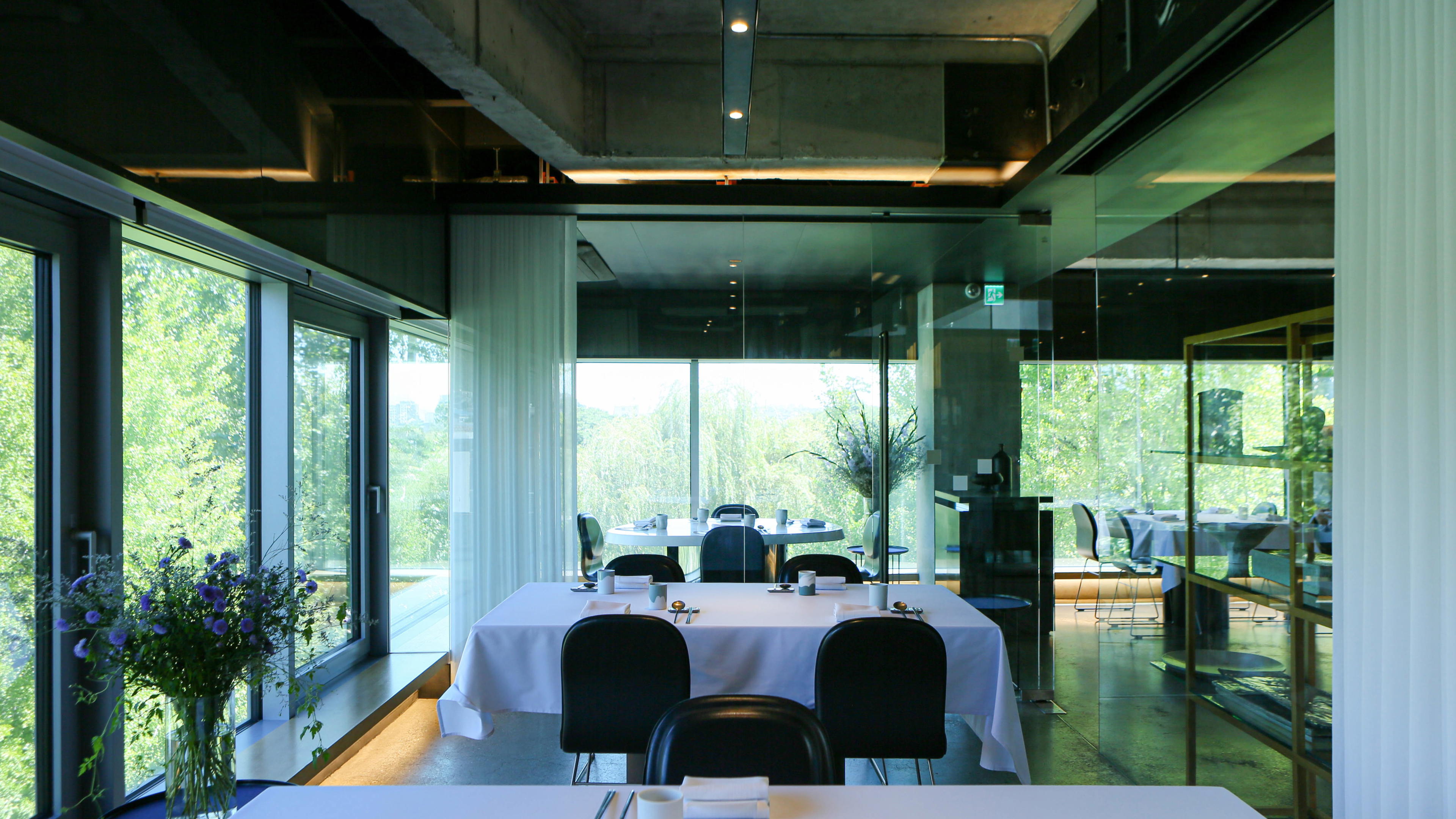
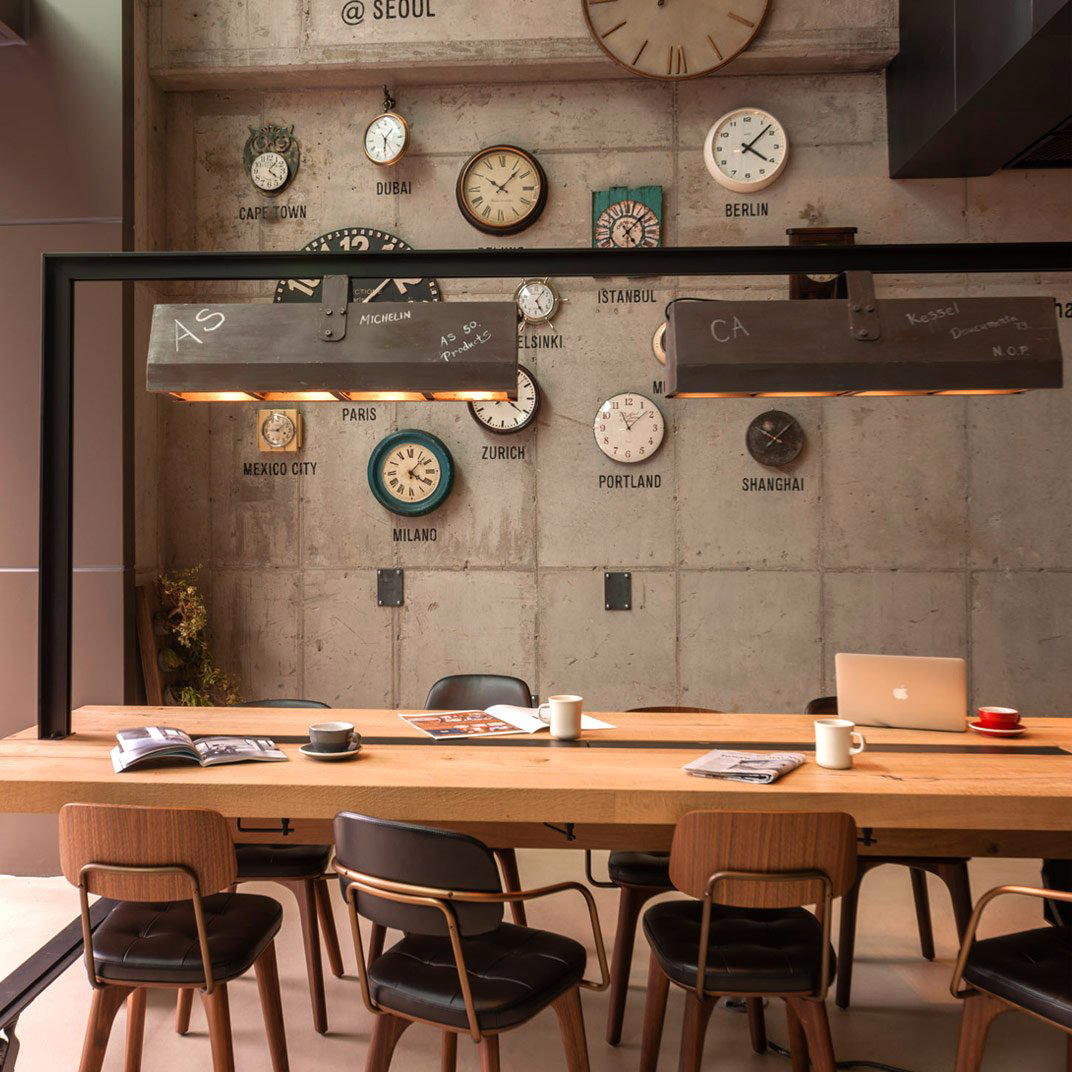
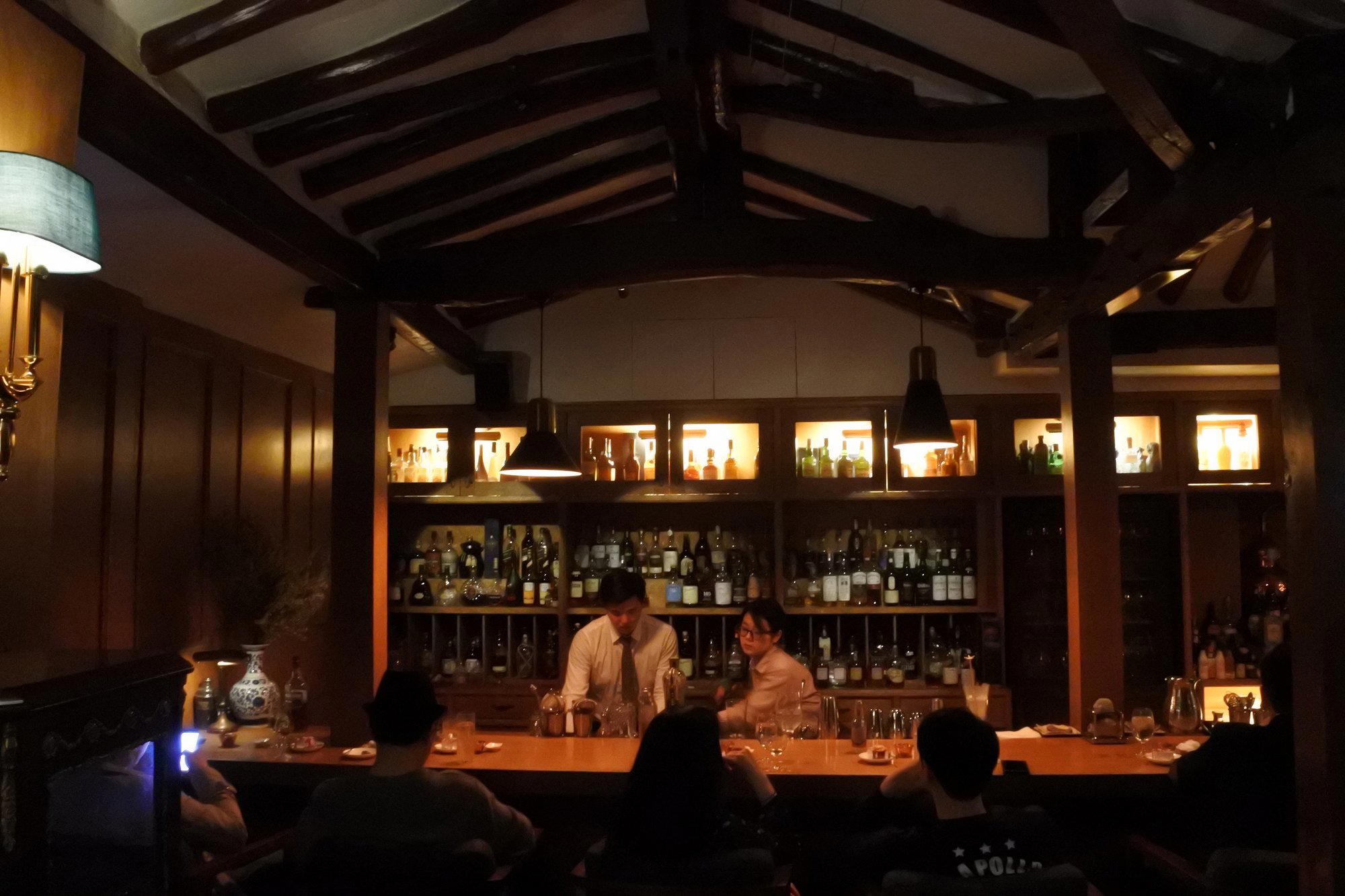
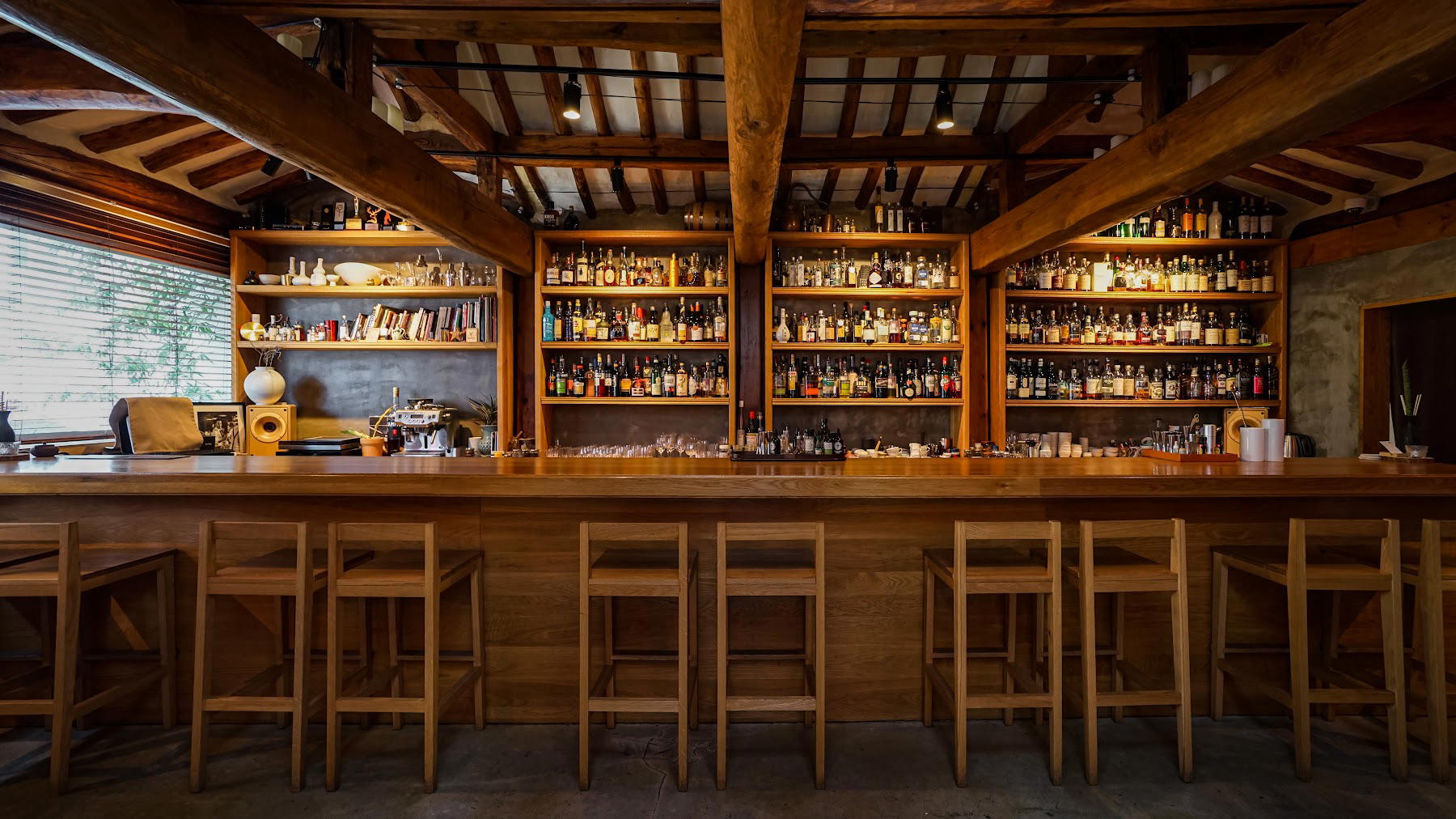
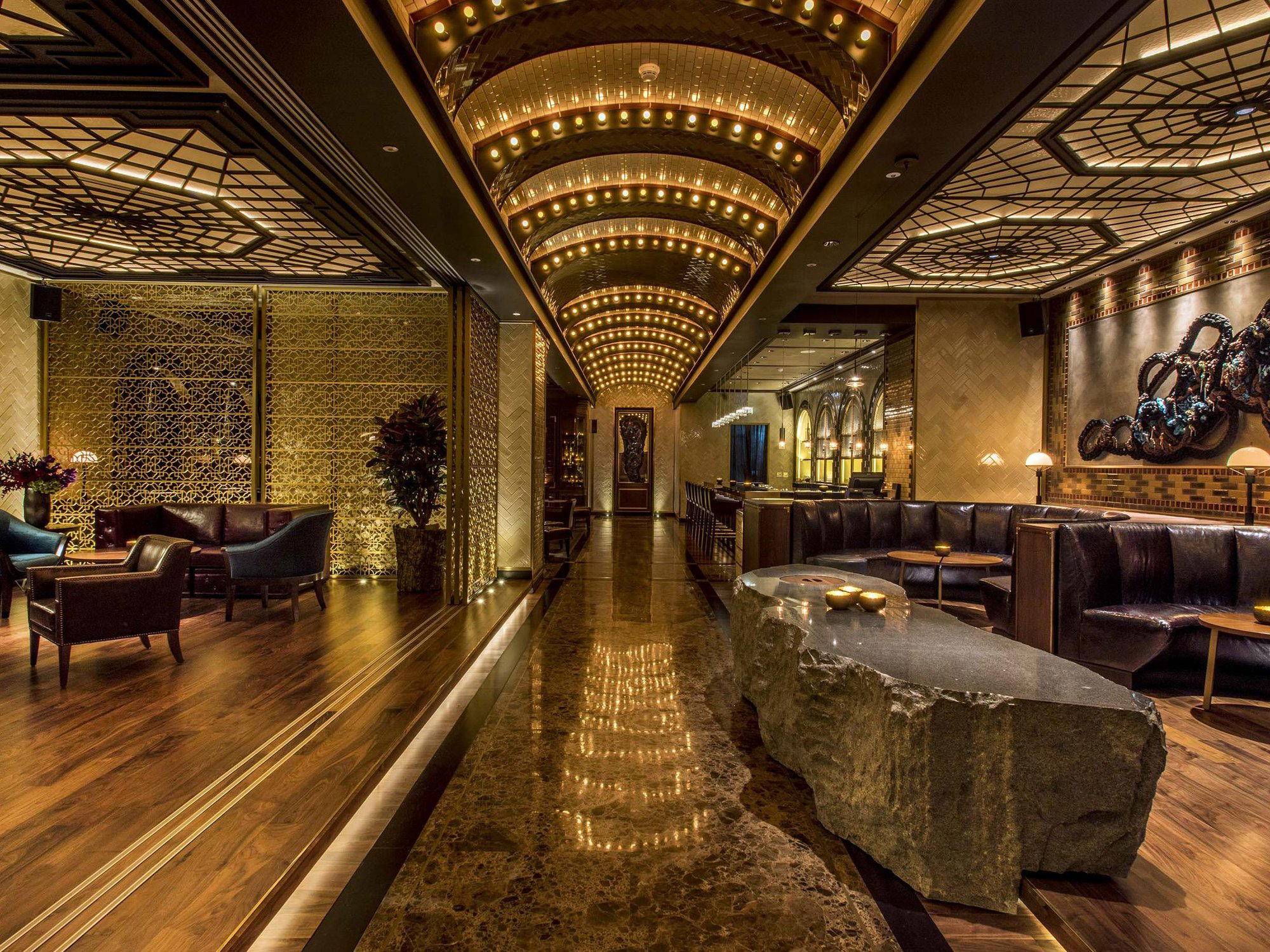
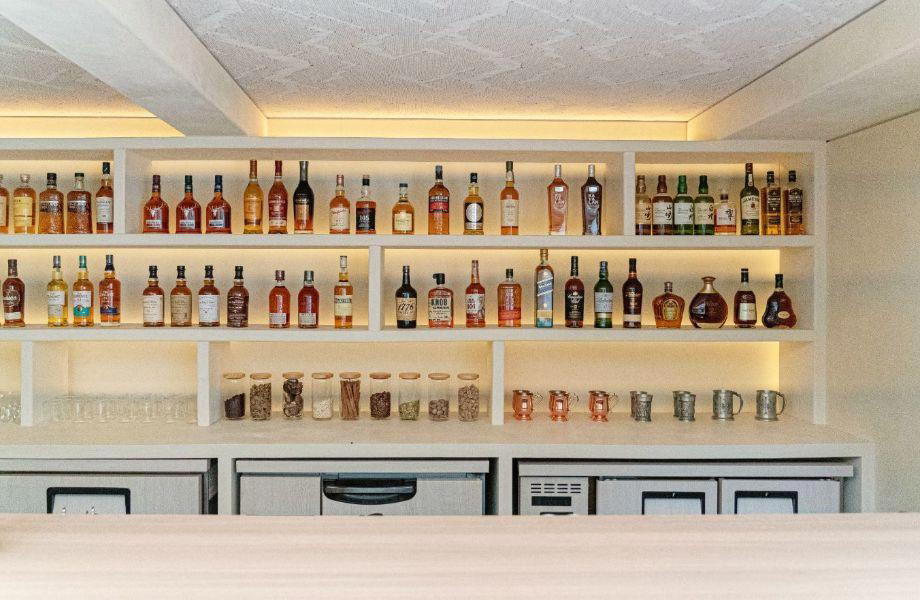
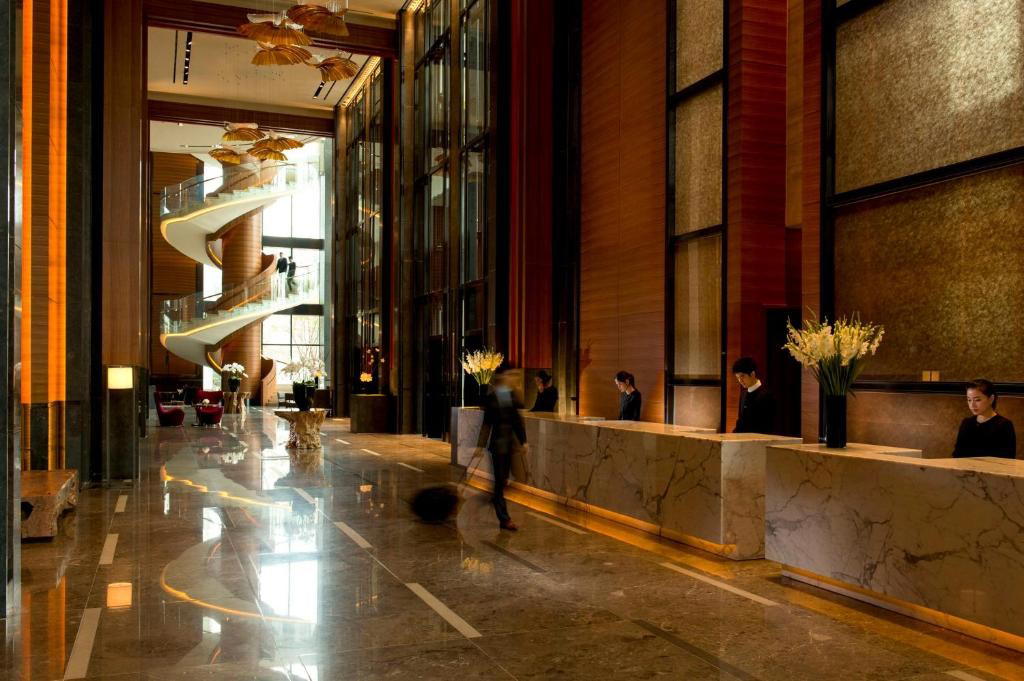
Busy and packed atmosphere with efficient table service, featuring multiple floors and a casual, lively dining vibe.