
Michelin Bib Gourmand
Our verdict
A Michelin Bib Gourmand recipient in both 2024 and 2025, Hong Fan Qie in Haidian brings Hubei cooking to a Beijing neighbourhood better known for residential life than restaurant destination dining. The ¥¥ price point and sustained Michelin recognition position it as one of the more coherent cases for Hubei cuisine in the capital, a regional tradition that rarely surfaces at this level of acknowledgement outside its home province.

Pearl is the En Primeur Club membership app, where members save venues, book tables and use the concierge.
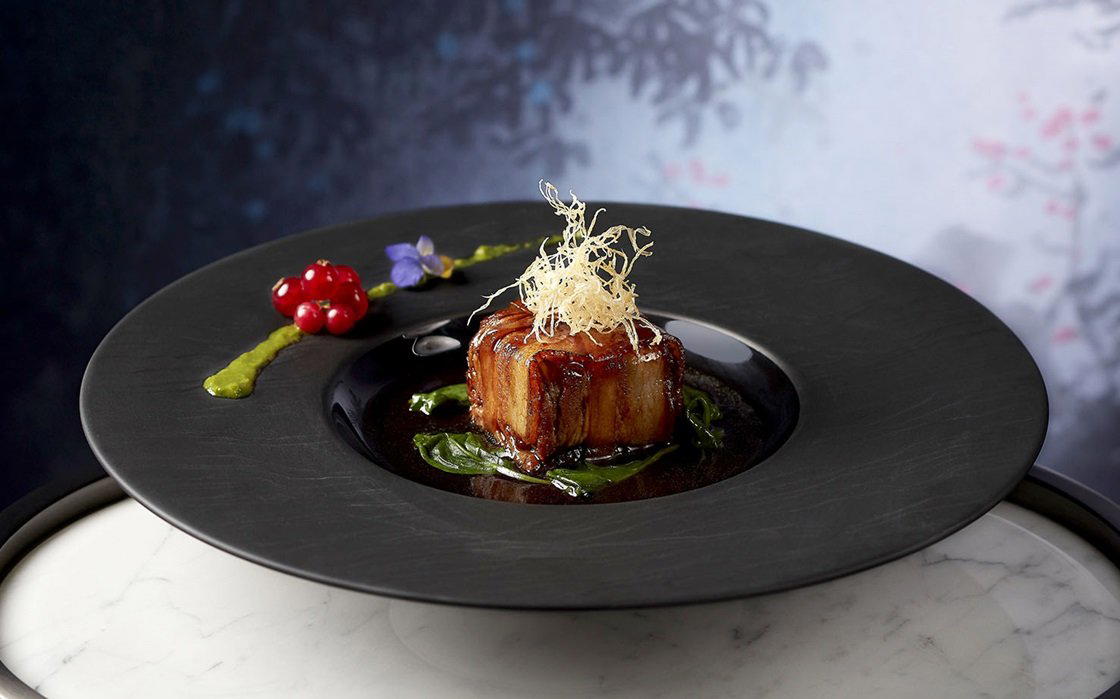
The menu
What to order
- Long-snout catfish with tomato
- Sautéed young lotus seeds
Hubei Cooking in a City That Doesn't Always Know What to Do With It
Beijing's restaurant scene organises itself, broadly, around a familiar hierarchy: northern Chinese staples occupy the mid-market, while the upper tiers skew toward Cantonese and Taizhou traditions that have proved easier to translate into the premium dining formats Michelin tends to reward. Hubei cuisine sits awkwardly outside that structure. It lacks the international profile of Sichuan, the prestige positioning of Taizhou as demonstrated by Xin Rong Ji (Xinyuan South Road), and the ceremonial associations of Cantonese cooking visible in venues like Chao Shang Chao (Chaoyang). What it does have is a set of flavour principles, freshwater fish, fermented and preserved vegetables, lotus-based preparations, a balance of mild and sharp, that reward cooks willing to work within a quieter tradition. Hong Fan Qie, on Yuyuantan South Road in Haidian, has earned consecutive Bib Gourmand recognition from Michelin in 2024 and 2025 by doing exactly that.
What Bib Gourmand Recognition Actually Signals Here
The Michelin Bib Gourmand designation, awarded to restaurants offering quality cooking at a more accessible price, is a different signal than a star. It doesn't imply technical elaboration or tasting-menu ambition. It implies that inspectors found cooking worth returning to at a price point where the transaction feels honest. For Hong Fan Qie, rated ¥¥ in a city where Michelin-recognised restaurants frequently sit at ¥¥¥¥, see Lamdre or the two-star Beijing cuisine venue Jingji, that distinction is meaningful. Consecutive recognition in 2024 and 2025 rules out a one-cycle anomaly and places it in the company of restaurants that inspectors actively return to. In Beijing's Michelin Bib Gourmand tier, that kind of consistency is evidence, not decoration.
Across China more broadly, the Bib Gourmand category has become one of the more useful lenses for tracking regional cuisines that don't fit the luxury dining template. Venues like Ru Yuan in Hangzhou and 102 House in Shanghai operate in comparable registers: regional specificity at prices that reflect neighbourhood reality rather than destination-dining ambition.
How the Menu Reads as a Hubei Argument
Menu architecture at a specialist regional restaurant functions as a position statement. Every dish category either deepens the regional case or dilutes it. Hubei cooking in its clearest form builds around freshwater ingredients, the province runs through the Yangtze basin and produces an extensive aquaculture tradition, along with preserved and fermented vegetables, sesame paste, and a cooking style that uses heat more gently than Sichuan but more assertively than Cantonese. The result is a cuisine that reads savoury and slightly funky in places, clean and mild in others, with preserved elements providing structural contrast rather than dominant flavour.
A menu organised along these lines would typically move through cold preserved preparations, freshwater fish treatments, braised or stewed proteins, and vegetable dishes built on lotus root, water spinach, or dried bean curd. How much a given kitchen in Beijing respects that internal logic, rather than blurring it with pan-Chinese crowd-pleasers, is the real question the menu answers. Hong Fan Qie's sustained Michelin attention suggests the kitchen has maintained regional discipline rather than drifted toward generic familiarity, which is the more common failure mode for transplanted regional cooking in a large capital city.
The ¥¥ pricing structure means the menu likely operates through à la carte selection or small-format sharing dishes rather than a curated tasting sequence. That format suits Hubei cooking well: the tradition doesn't lend itself to the kind of architectural progression that tasting menus require, and the flavours are better experienced in lateral exploration across a table than in a linear sequence. It's the kind of format where knowing which two or three dishes anchor the menu matters more than working through every section, which is part of why regular visitors and neighbourhood knowledge carry more weight here than a single first visit.
The Haidian Context
Haidian is Beijing's university and technology district, home to Peking University, Tsinghua, and a large resident population that skews toward academics, students, and professionals in adjacent sectors. Its dining culture is accordingly practical and value-conscious, with strong representation of regional Chinese cooking at mid-market prices. Yuyuantan South Road sits near the park of the same name, a residential stretch without the destination restaurant density of Sanlitun or the hutong-adjacent dining character of Dongcheng. In that context, Hong Fan Qie occupies a position that is neighbourhood-embedded rather than destination-facing, a restaurant that earns its Michelin recognition from the consistency of what it puts on the table, not from location strategy or room design. That's a meaningful distinction. Some of Beijing's more formally positioned recognitions, including the three-star benchmarks set by Xin Rong Ji and Chao Shang Chao, are inseparable from their address and room. Bib Gourmand recognition in Haidian is grounded differently.
For readers building a broader picture of Beijing's regional Chinese offer, Chu Shan Si Ji and Jingyi (Liulichang East Street) provide useful comparative reference points in adjacent traditions, while the wider context of how Chinese regional cooking travels and transforms is visible in venues like Xin Rong Ji in Chengdu, Imperial Treasure Fine Chinese Cuisine in Guangzhou, Dai Yuet Heen in Nanjing, and Chef Tam's Seasons in Macau. For the full scope of where Beijing eating currently sits, our full Beijing restaurants guide maps the city across price tiers and cuisines. Supplementary guides cover hotels, bars, wineries, and experiences across the capital.
Planning a Visit
Hong Fan Qie is located at 翠微南里36, Yuyuantan South Road, Haidian District, Beijing 100036. Given the Michelin recognition and the relatively niche cuisine type, arriving early or during off-peak lunch hours is the more reliable strategy than assuming availability at peak dinner times. The ¥¥ price range positions a full shared meal well below ¥300 per person in most configurations, making it one of the more accessible Michelin-recognised options in the city. For international visitors, Haidian is most accessible via the Beijing subway's Line 1 (Yuyuantan station) or Lines 9 and 10 in the broader district.
What Regulars Order at Hong Fan Qie
Hubei cooking's most durable reference points, braised freshwater fish, preserved vegetable preparations, lotus root dishes, and sesame-dressed cold plates, represent the categories where a kitchen committed to regional specificity will concentrate its effort. At a Bib Gourmand level, the dishes that earn repeat visits tend to be the ones that use these ingredients with restraint and accuracy rather than elaboration. Based on the cuisine tradition and the venue's Michelin record, regulars at a Hubei specialist of this standing are most likely anchoring their orders around the freshwater fish preparations and preserved or fermented vegetable dishes that define the cuisine, rather than the peripheral items that appear on any mid-range Chinese menu. Specific dish names and current menu details are not available in verified form and are not listed here.
Budget and Context
| Venue | Cuisine | Price | Awards | Notes |
|---|---|---|---|---|
| Hong Fan Qie (Yuyuantan South Road)This venue (the venue you are viewing) | Hubei Cuisine | Not listed | Michelin Bib Gourmand | Not listed |
| Jing | Modern French with Asian Influences | $300–500 | 1 Michelin Star · Black Pearl 1 Diamond | French Contemporary |
| Xin Rong Ji (Xinyuan South Road) | Taizhou Chinese Fine Dining | $300–500 | 3 Michelin Stars · World's 50 Best #84 | Taizhou |
| Chao Shang Chao (Chaoyang) | Modern Teochew (Chaoshan) Fine Dining | $200–300 | Michelin Plate · La Liste Top Restaurants | Chao Zhou |
| Lamdre | Modern Plant-Based Chinese Vegetarian | Not listed | 2 Michelin Stars · World's 50 Best #17 | Vegetarian |
| Jingji | Imperial Beijing Royal Cuisine | $200–300 | 2 Michelin Stars · La Liste Top Restaurants | Beijing Cuisine |
Recognition history
Dated appearances from independent guides and award organizations, with the underlying list record or original source where available.
Michelin Bib Gourmand
Michelin
Full recognition history (2 entries)
Michelin Bib Gourmand
Michelin
Continue exploring
More in Beijing
Restaurants in Beijing
All restaurants in Beijing →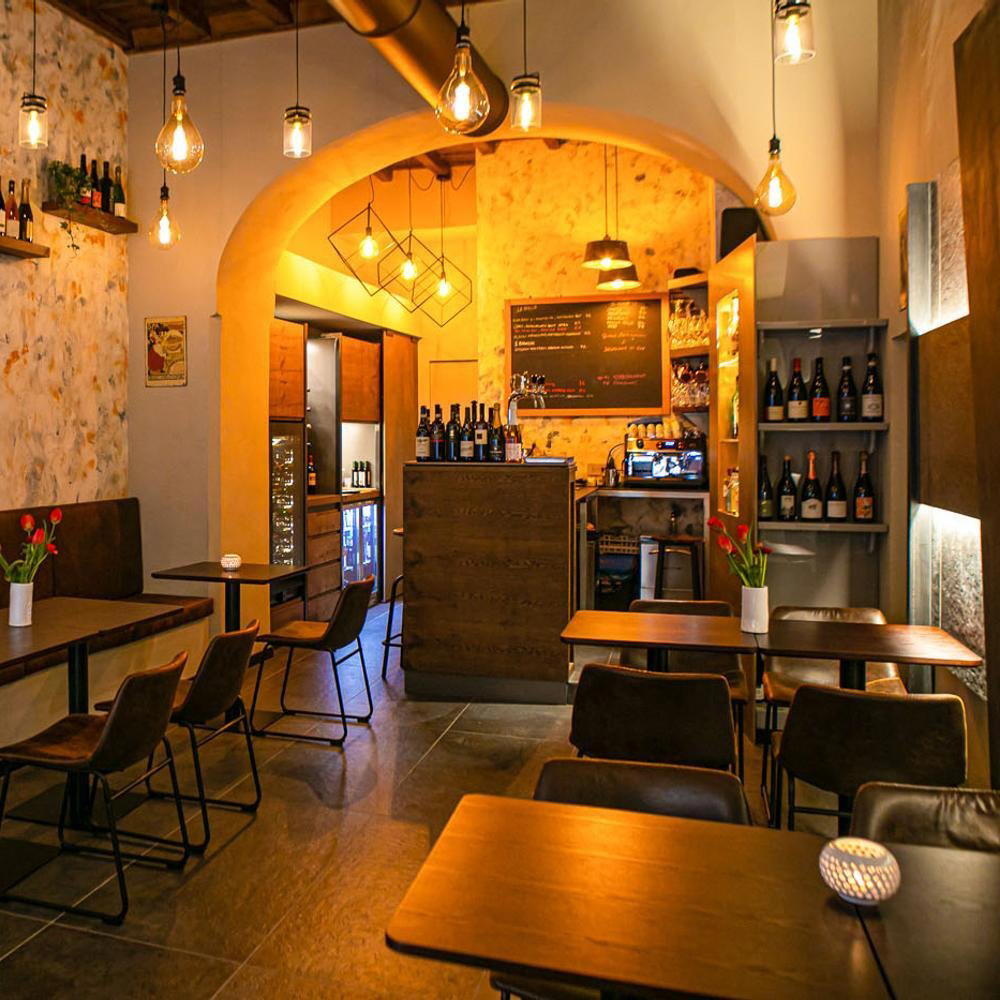
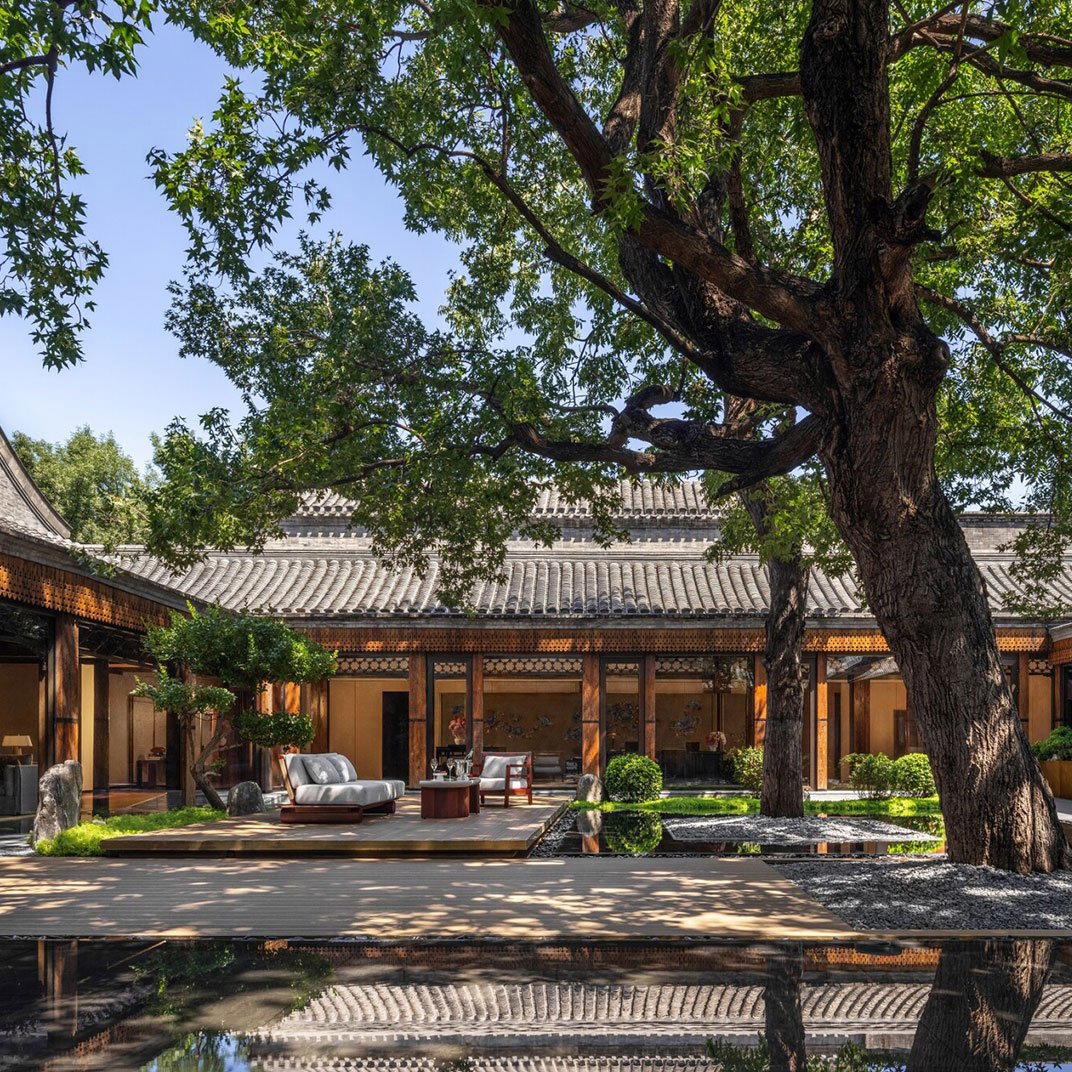
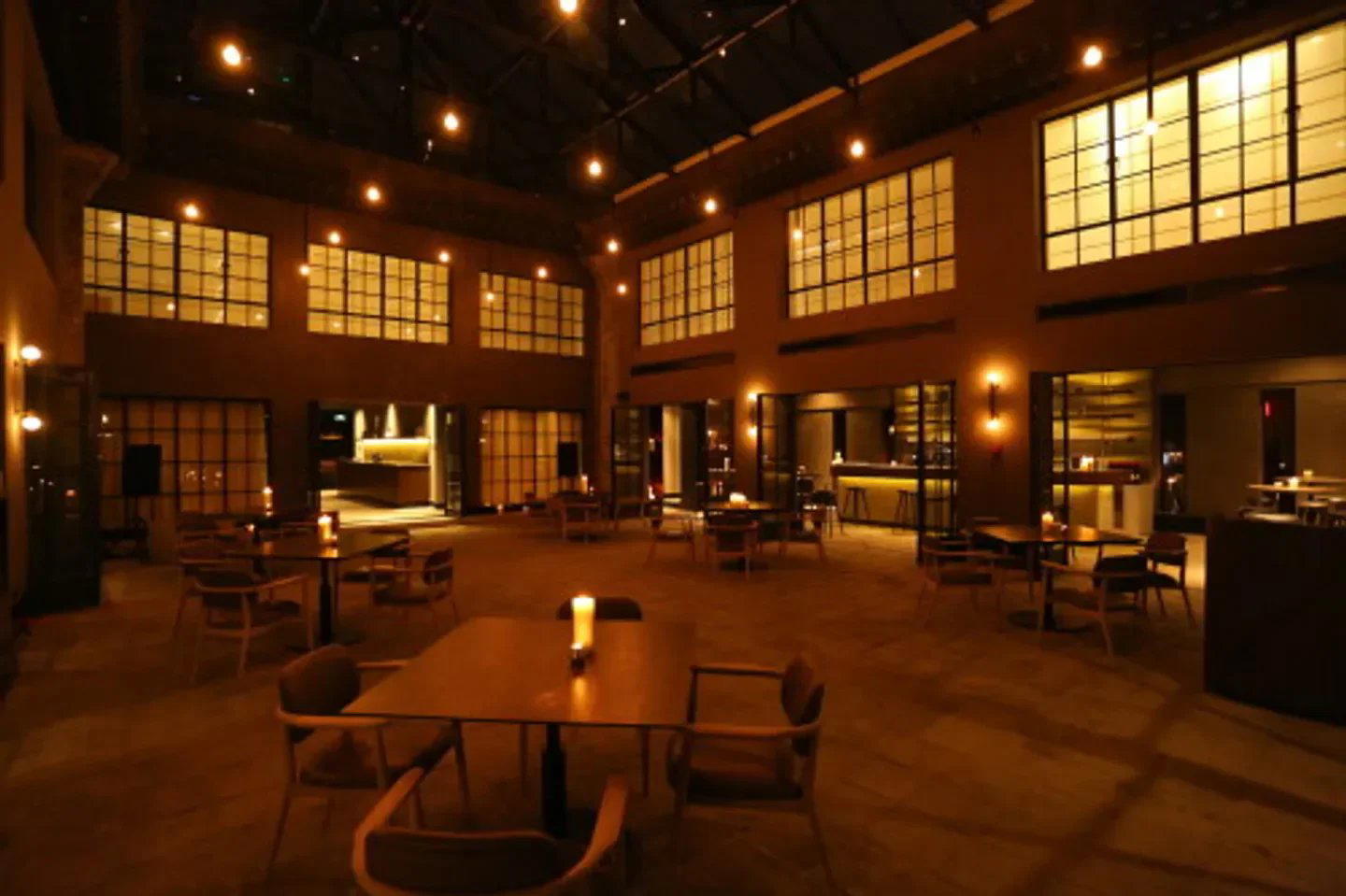
Bars in Beijing
All bars in Beijing →


Details
- Intimate
- Elegant
- Cozy
- Special Occasion
- Date Night
- Standalone
- Local Sourcing
- A La Carte
Soft lighting on lacquered wood, plush textures, burnished tones, discreetly spaced tables for privacy and quiet conversations.