
For nearly two decades, Xiang Bin Xuan on Huayuan Road has drawn steady queues with its uncompromising Hunanese cooking. The steamed bighead carp head buried under chopped chillies is the dish that defines the room, but the Yongzhou-style fried duck and mugwort dumplings run close behind. This is Haidian's most consistent address for the fire and ferment that characterise Hunan cuisine at its least diluted.
Pearl is the En Primeur Club membership app — saves, bookings, and concierge access live there. Same editors, same standards.
- Address
- 2 Huayuan Road, Haidian
- Phone
- +86 10 6200 8919
- Directions
- Get directions
 Saves & bookings on Pearl
Chilli Heat and Slow Queues in Haidian
Hunan cuisine occupies a specific register in Beijing's regional dining map. Where Sichuan cooking leans on the numbing aromatics of huajiao, Hunanese food deals in a sharper, more confrontational heat built from fresh and fermented chillies, often layered with the funk of preserved ingredients. The two cuisines are frequently conflated by diners outside China, but any table at Xiang Bin Xuan on Huayuan Road makes the distinction viscerally clear. The cooking here sits closer to what you would find in Changsha or Yongzhou, and the queues that form at mealtimes reflect that reputation rather than any marketing effort.
The restaurant has been at this address in Haidian for close to twenty years, a tenure that speaks to something beyond novelty. A Hunanese kitchen that has held the same location and the same crowd for two decades has done so on the strength of the food itself.
The Dish That Anchors Everything
Steamed bighead carp head with chopped chillies is one of the canonical preparations of Hunanese cooking, and Xiang Bin Xuan's version has become the reference point against which regular diners measure the dish across the city. The preparation follows tradition: the carp head, split and opened flat, is blanketed with a dense layer of finely chopped chillies before steaming, which drives the heat into the soft, collagen-rich flesh rather than merely coating it. The result is a dish where the chilli functions as seasoning rather than garnish, and the texture of the fish, somewhere between silken and gelatinous at the collar and cheek, does most of the structural work.
Two variations extend the base preparation. One substitutes a blend of two chilli varieties for additional complexity; the other replaces the chilli blanket with braised perilla leaves, which introduces an anise-adjacent herbaceousness and considerably less heat. The perilla version is worth ordering if the table is splitting between spice tolerances, as it reads as a genuinely different dish rather than a compromise.
Yongzhou Influence and the Rest of the Menu
Hunanese regional cooking is not monolithic, and Xiang Bin Xuan signals its Yongzhou influence through the fried duck preparation, which is perfumed in litsea oil. Litsea cubeba, the source of that oil, is a spice used primarily in southwestern and south-central Chinese cooking and rarely surfaces in Beijing restaurant kitchens outside of specialist regional addresses. Its citrus-pepper fragrance gives the duck a quality that immediately separates it from standard preparations, and the umami depth of the bird itself is pronounced enough to anchor the dish even with that aromatic leading note.
The snack section of the menu carries its own logic. Stinky tofu, the fermented preparation that divides rooms, is handled here in its fried Hunanese form rather than the steamed Shanghainese version, producing a crisp exterior over the pungent interior that makes it more approachable as a table snack. Mugwort dumplings, a seasonal staple in Hunan and surrounding provinces, bring a faintly bitter, grassy note to the otherwise chilli-forward progression of a meal. These are not afterthoughts; they are the kind of dishes that tell you whether a kitchen is cooking from reference or from habit.
Where Xiang Bin Xuan Sits in Beijing's Regional Dining
Beijing's higher-end regional Chinese addresses have pushed into the ¥¥¥¥ bracket in recent years. Xin Rong Ji (Xinyuan South Road) and Chao Shang Chao (Chaoyang) both occupy that tier, as does Lamdre for vegetarian dining and Jingji for capital-style cooking. Xiang Bin Xuan operates at a different price point and without the formal-dining architecture of those rooms, which means it draws a crowd that prioritises the cooking above the occasion. That is not a criticism of the room; it is a description of where this restaurant sits in the city's hierarchy, and the trade-off is direct: the food holds its own against considerably more expensive addresses, and the queue is the only tax.
The contrast is useful context for visitors approaching Beijing's Chinese restaurant spectrum. The capital has a deep bench of technically accomplished, highly designed regional dining rooms. Xiang Bin Xuan operates in a different register, closer to the working regional specialist than the destination dining room, but no less instructive about what Hunanese cooking actually tastes like at its most direct.
102 House in Shanghai and Ru Yuan in Hangzhou represent different interpretations of how Chinese cooking gets framed at a premium register. Xin Rong Ji in Chengdu and Imperial Treasure Fine Chinese Cuisine in Guangzhou anchor their respective cities at the high end, as does Dai Yuet Heen in Nanjing. Chef Tam's Seasons in Macau takes a different approach again, folding regional Chinese technique into a more contemporary framework. The diversity of approaches is worth holding in mind when assessing what Xiang Bin Xuan is and is not trying to do. It is not competing with any of those rooms. It is competing with the version of this food that exists in the diner's memory of Hunan itself.
Planning a Visit
Xiang Bin Xuan sits at 2 Huayuan Road in Haidian. The neighbourhood is not a dining destination in the way that Sanlitun or the hutong corridors around Gulou are, but it sustains a strong local restaurant culture built around resident demand rather than tourist traffic. That context matters: the room fills with regulars, the service operates at the pace of a busy neighbourhood restaurant, and the queues at lunch and dinner services are a function of the kitchen's reputation over nearly two decades, not a manufactured scarcity. Arriving outside peak hours is the practical answer to the wait; the kitchen's consistency does not depend on timing.
Style and Standing
Comparable venues nearby, for context on price, style, and recognition.
| Venue | Cuisine | Price | Awards | Notes |
|---|---|---|---|---|
| Xiang Bin Xuan (Huayuan Road)This venue — the venue you are viewing | Authentic Hunanese | $$ | Bib Gourmand | Not listed |
| Tong Chun Yuan | Traditional Jiangsu Cuisine | $$ | Michelin Plate | Dewai |
| Country Kitchen | Traditional Northern Chinese (Beijing & Shandong) | $$$ | Michelin Plate | Dashanzi |
| Bao Bao Hao | Cantonese Claypot | $$ | Bib Gourmand | Chaowai |
| Jia (Chaoyang) | Cantonese | $$$ | Michelin Plate | Dongzhimen |
| San Qing Tan (Sanlitun Road) | Refined Cantonese Roast Goose & Dim Sum | $$$ | Michelin Plate | Sanlitun |
Recognition history
Dated appearances from independent guides and award organizations, with the underlying list record or original source where available.
Michelin Bib Gourmand
Michelin

At a Glance
- Classic
- Casual Hangout
- Group Dining
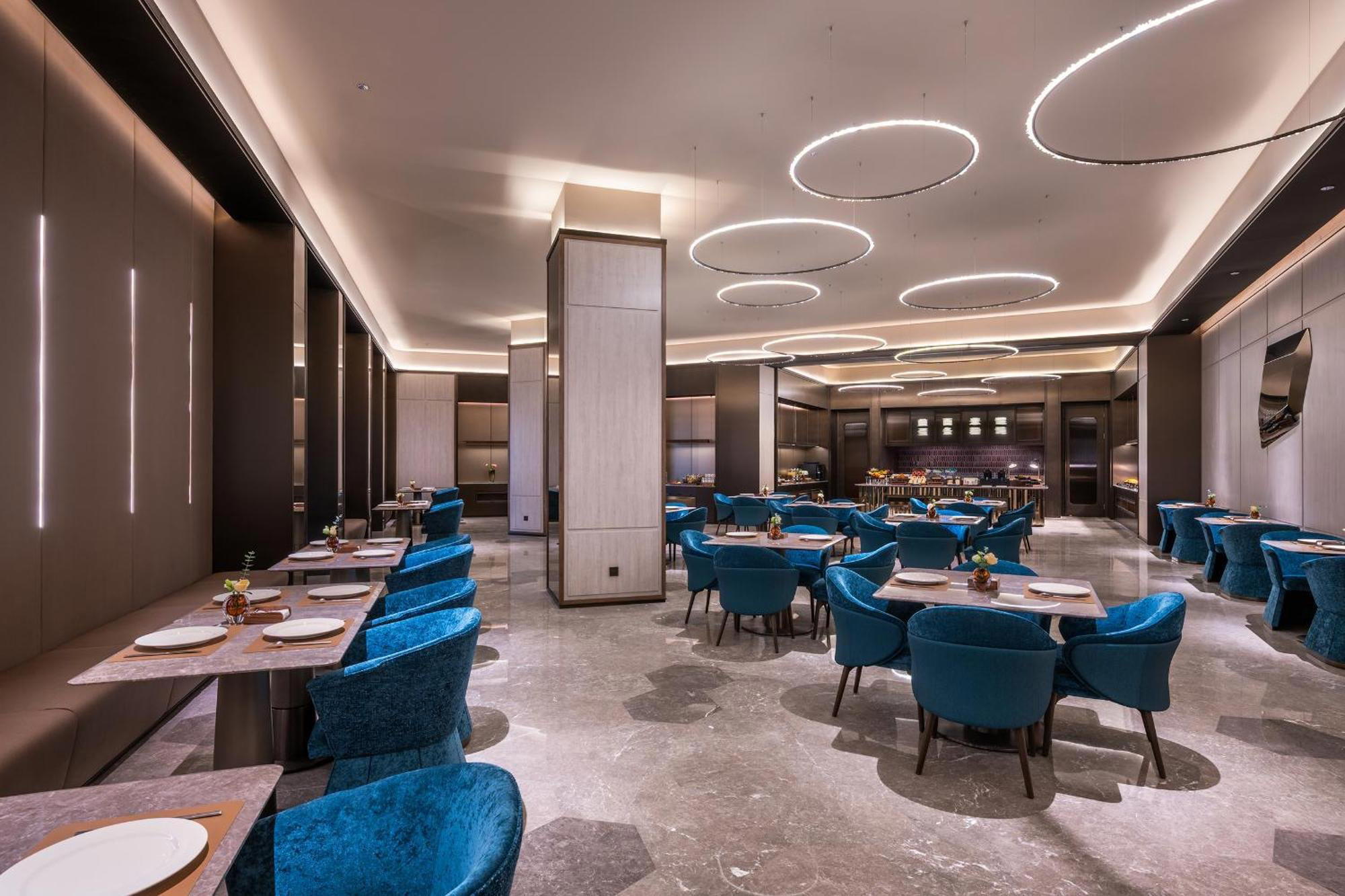
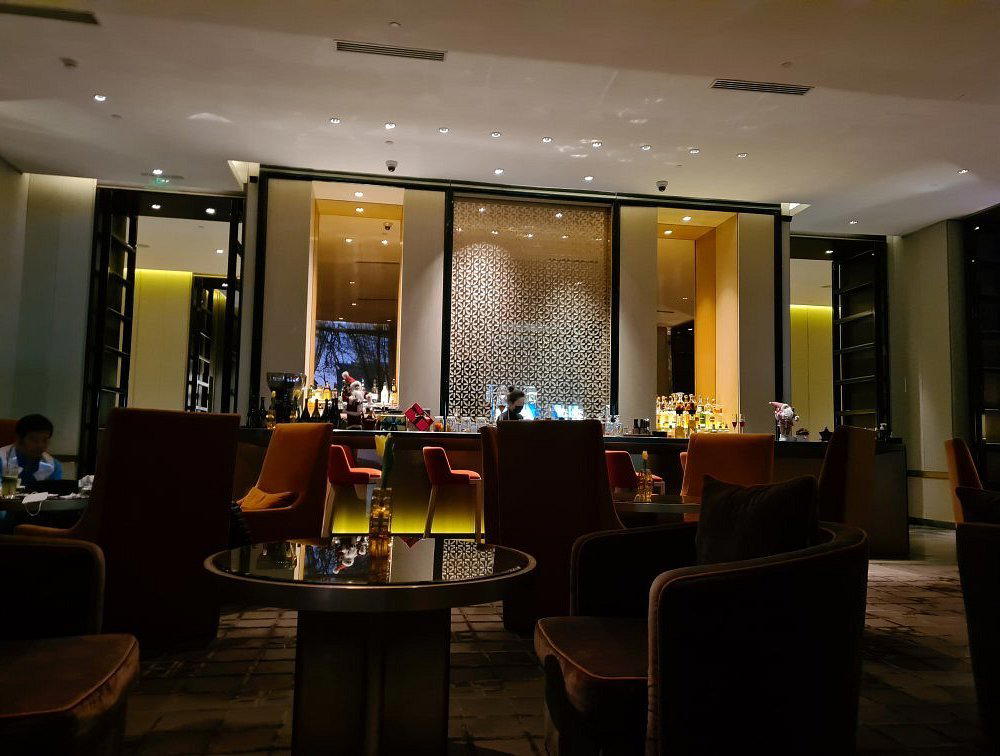
Casual and bustling atmosphere with queues at mealtimes.