
A Michelin Bib Gourmand recipient on Ping'anli West Street, Niujie Halal Man Heng Ji has held its place as one of Beijing's most respected addresses for instant-boiled mutton hotpot. The kitchen sources lamb from Mongolia's Sunite prairie and beef from western Shandong, keeping prices in the ¥¥ range. Shaobing flatbread, plain or sesame-sugar coated, completes the traditional format.
Pearl is the En Primeur Club membership app — saves, bookings, and concierge access live there. Same editors, same standards.
- Address
- Ping'anli W St, Xicheng District, Beijing, China, 100033
- Phone
- +86 10 6612 6825
- Directions
- Get directions
 Saves & bookings on Pearl
Where Beijing's Oldest Hotpot Tradition Holds Its Ground
On Ping'anli West Street in Xicheng District, the charcoal hotpot format that has defined Muslim-quarter Beijing dining for centuries operates largely on its own terms. The vessels are brass and copper, the broth is clear, and the performance of the meal is left almost entirely to the diner. This is shuanyangrou, instant-boiled mutton, in its capital-city form: spare, precise, and shaped by a halal culinary tradition that stretches back to the Hui community's settlement of Niujie, the neighbourhood that gives this restaurant half its name.
Niujie Halal Man Heng Ji earned a Michelin Bib Gourmand in 2024, a designation that signals strong quality at a price point below the city's formal fine-dining tier. At ¥¥, it sits well below comparison venues like Xin Rong Ji (Xinyuan South Road) at ¥¥¥¥ or Chao Shang Chao (Chaoyang) at the same tier. The Bib Gourmand recognition is specifically awarded to restaurants where inspectors judge value to be part of the proposition, not incidental to it..
The Sourcing Logic Behind the Simplicity
Instant-boiled mutton is a dish that punishes poor sourcing immediately. With a clear broth and paper-thin slices that cook in seconds, there is no marinade or long preparation to compensate for meat that carries gaminess or poor texture. The kitchen at Man Heng Ji addresses this directly: lamb comes from the Sunite prairie in Inner Mongolia, a region whose cold, semi-arid grazing conditions produce animals with fine-grained lean meat and a comparatively mild flavour profile. Beef arrives from western Shandong, a province with a documented cattle-rearing tradition that connects to Beijing's historical supply chains.
This sourcing geography is not incidental. Beijing's halal hotpot restaurants have historically drawn from both regions, and the distinction between Sunite lamb and lower-grade alternatives is one that regular customers at these counters recognise in texture before they're told the provenance. The kitchen allows diners to specify lean-to-fat ratio on their lamb order, which is the kind of service detail that matters when the meat is the entire dish.
For context on how Beijing's hotpot tier compares to other regional formats, Bad Ass Lamb Hot Pot on Maizidian West Street and Bao Du Jin Sheng Long in Dongcheng offer different orientations within the same broad category. Nationally, the format diverges sharply from Sichuan-style hotpot, which runs on spiced tallow broths; the Beijing Muslim tradition is defined by restraint and clarity rather than cumulative heat. See also #8 in Chengdu and A-Yu Beef Shabu Shabu in Tainan for how the shabu-shabu format evolved across different Chinese and Taiwanese culinary contexts.
The Role of Shaobing in the Meal
Shaobing, the sesame-crusted flatbread baked in a tandoor-style oven, functions as the starch component in a traditional instant-boiled mutton meal, and it does so in two registers. The plain, bite-size version is a counterweight to the richness of the dipping sauces, typically sesame paste-based with fermented tofu, that accompany the meat. The sweet shaobing covered in sesame sugar operates as a dessert course, a common closer at these restaurants that signals the meal is structurally complete rather than simply stopped.
The inclusion of both versions in the menu at Man Heng Ji follows a format that Beijing's halal hotpot houses have maintained for decades. The bread is baked on-site and served at its optimal window; this is one of the elements where the team's coordination matters, since shaobing that sits too long loses the brittle exterior that makes it work. The front-of-house timing of bread relative to the progression of the hotpot is the kind of operational detail that separates a well-run version of this format from a perfunctory one.
The Team Behind a Low-Intervention Format
In a restaurant where the menu is narrow and the cooking largely happens at the table, the floor team carries a higher proportion of the dining experience than in a kitchen-forward format. At Man Heng Ji, the knowledge required of service staff is specific: understanding the Sunite lamb sourcing well enough to explain it, calibrating lean-to-fat preferences for diners unfamiliar with the request, and timing the shaobing delivery. The Hui hotpot tradition emphasizes collective craft over individual authorship.
This is a format where the recipe is largely fixed and the execution is everything. The front-of-house team's ability to communicate what makes the sourcing meaningful, and to pace a meal that technically the diner controls, is the real service proposition. It places Man Heng Ji in the same operational category as Yu De Fu on Dongzhimennei Street, where similar craft-over-individual-authorship logic applies to another traditional Beijing format.
Beijing's Halal Dining Tradition in Context
The Niujie area of Xicheng District has been a centre of Beijing's Hui Muslim community for over a millennium. The culinary identity of the neighbourhood, built on halal butchery, sesame-based condiments, and beef and lamb preparations that predate Han Chinese influence on the capital's food culture, represents one of the few dining traditions in Beijing that has remained structurally stable across political and demographic change. Shuanyangrou itself is documented in Qing dynasty records and was popularised through the city's Muslim-quarter restaurants before spreading to mainstream Beijing dining.
Within that history, a restaurant like Man Heng Ji is less an innovation than a custodian. The Bib Gourmand places it in a comparable set that includes other accessible, tradition-rooted Beijing addresses rather than the city's contemporary fine-dining tier. For readers building a Beijing itinerary that engages the full range of the city's culinary depth, this format is as important a reference point as the more formally recognised Cantonese or regional Chinese restaurants operating at higher price points.
Know Before You Go
- Address: Ping'anli West Street, Xicheng District, Beijing, 100033
- Cuisine: Instant-boiled mutton hotpot (halal)
- Price range: ¥¥
- Recognition: Michelin Bib Gourmand (2024) 5 from 72 reviews
- Ordering tip: Specify lean-to-fat ratio when ordering lamb; request both plain and sweet sesame-sugar shaobing to complete the traditional format
- Booking: No booking information on record; walk-in advised, with earlier sittings recommended to avoid waits
- Getting there: Xicheng District, accessible via Beijing subway; nearest lines serve the Ping'anli corridor
What Should I Eat at Niujie Halal Man Heng Ji?
The core order is the instant-boiled mutton, sourced from Sunite prairie lamb in Inner Mongolia. Specify your preferred lean-to-fat ratio when ordering. The beef, from western Shandong, is an alternative for those who want variety across the meal. Both are cooked at the table in a clear charcoal-heated broth. The dipping sauce is sesame paste-based, standard to the Beijing halal hotpot format. Alongside the meat, order the plain bite-size shaobing flatbread to eat with the hotpot, and finish with the sweet shaobing covered in sesame sugar. The 2024 Michelin Bib Gourmand designation covers the whole format, not a single dish, but the lamb is the reason the kitchen has held its reputation.
Price and Recognition
Comparable venues nearby, for context on price, style, and recognition.
| Venue | Cuisine | Price | Awards | Notes |
|---|---|---|---|---|
| Niujie Halal Man Heng JiThis venue — the venue you are viewing | Hotpot | $$ | Bib Gourmand | Not listed |
| Hong Fan Qie (Yuyuantan South Road) | Huichengmen, Hubei Cuisine | $$ | Bib Gourmand | Not listed |
| Xiang Bin Xuan (Huayuan Road) | Beitaipingzhuang, Authentic Hunanese | $$ | Bib Gourmand | Not listed |
| Yu Hua Tai (Xicheng) | Xiaoguan, Refined Huaiyang Cuisine | $$ | Bib Gourmand | Not listed |
| No. 69 Fangzhuanchang Zhajiangmian (Fangzhuanchang Hutong) | Not listed | $ | Bib Gourmand | Dianmen, Traditional Beijing Zhajiangmian |
| Blossom Vegetarian (Dongcheng) | Dongzhimen, Modern Chinese Vegetarian | $$ | Bib Gourmand | Not listed |
Recognition history
Dated appearances from independent guides and award organizations, with the underlying list record or original source where available.
Michelin Bib Gourmand
Michelin
Michelin Bib Gourmand
Michelin


At a Glance
- Classic
- Cozy
- Intimate
- Family
- Group Dining
- Casual Hangout
- Open Kitchen
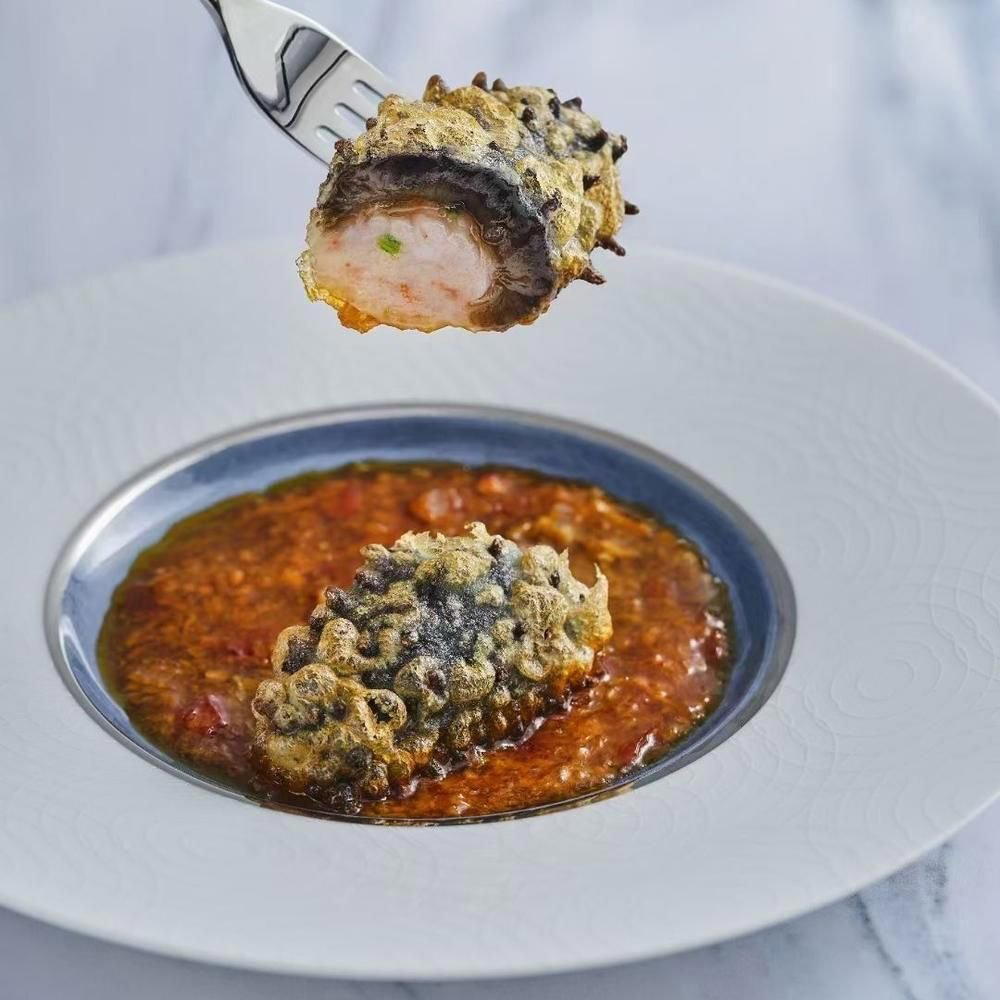
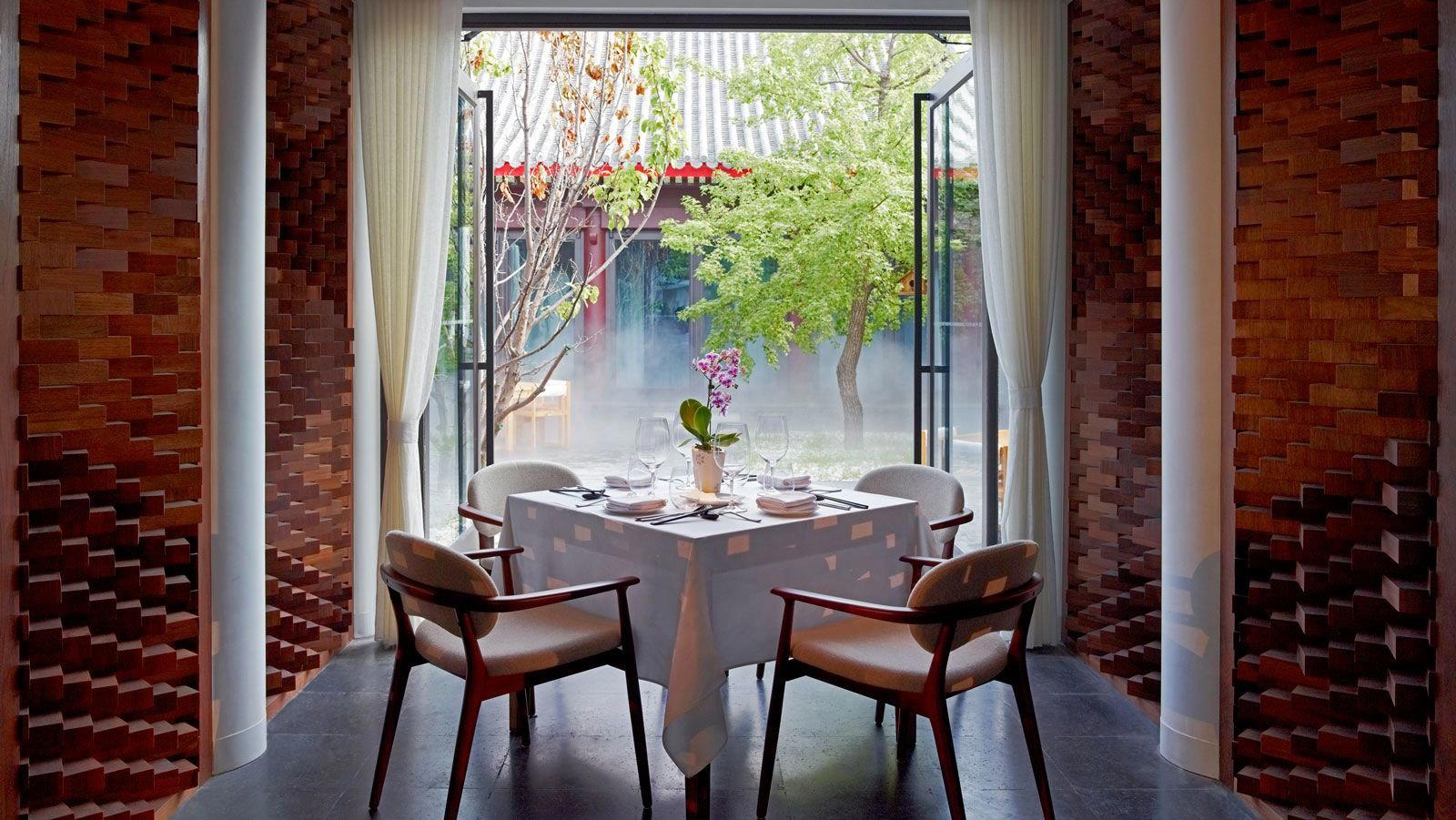
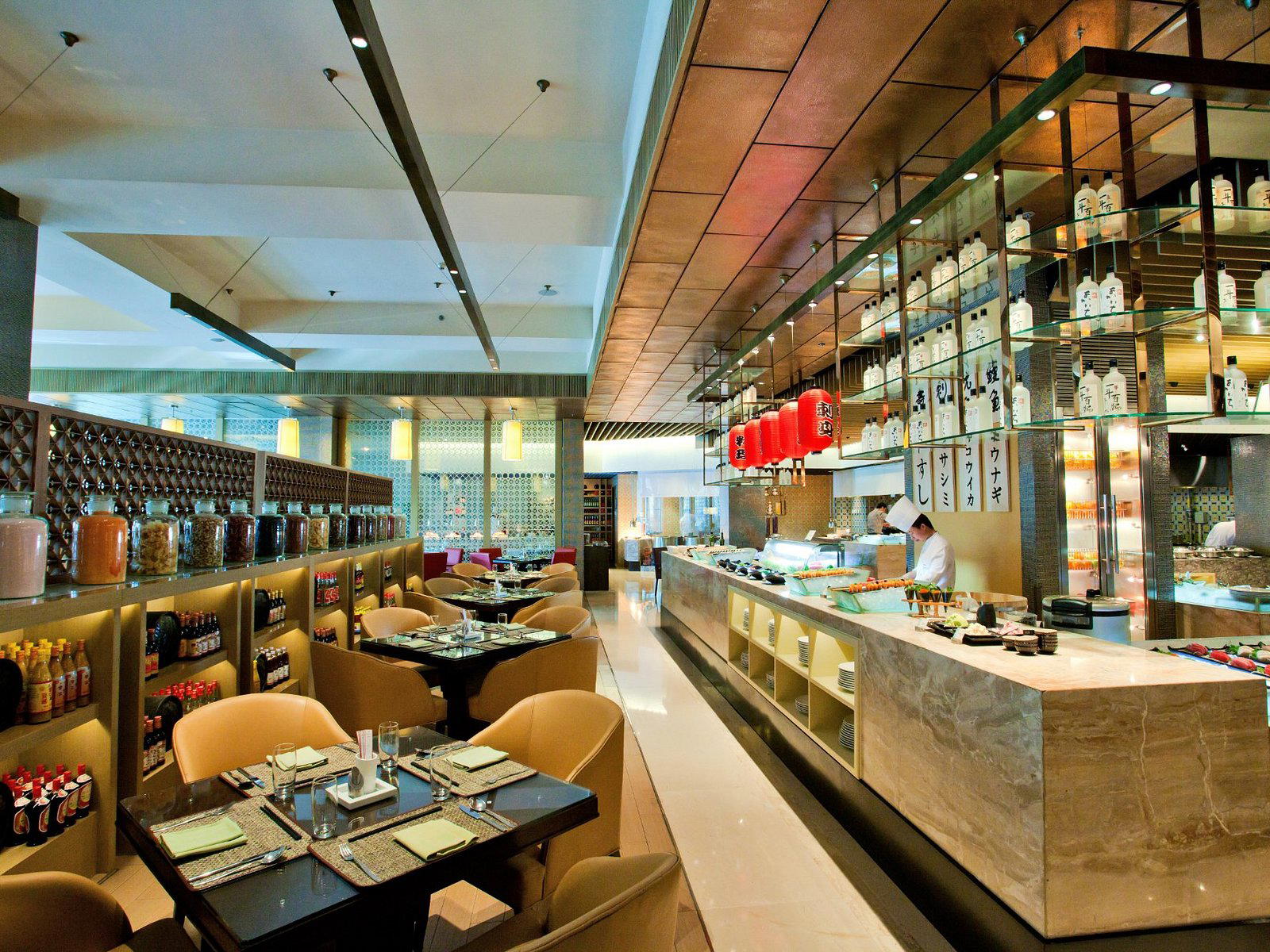
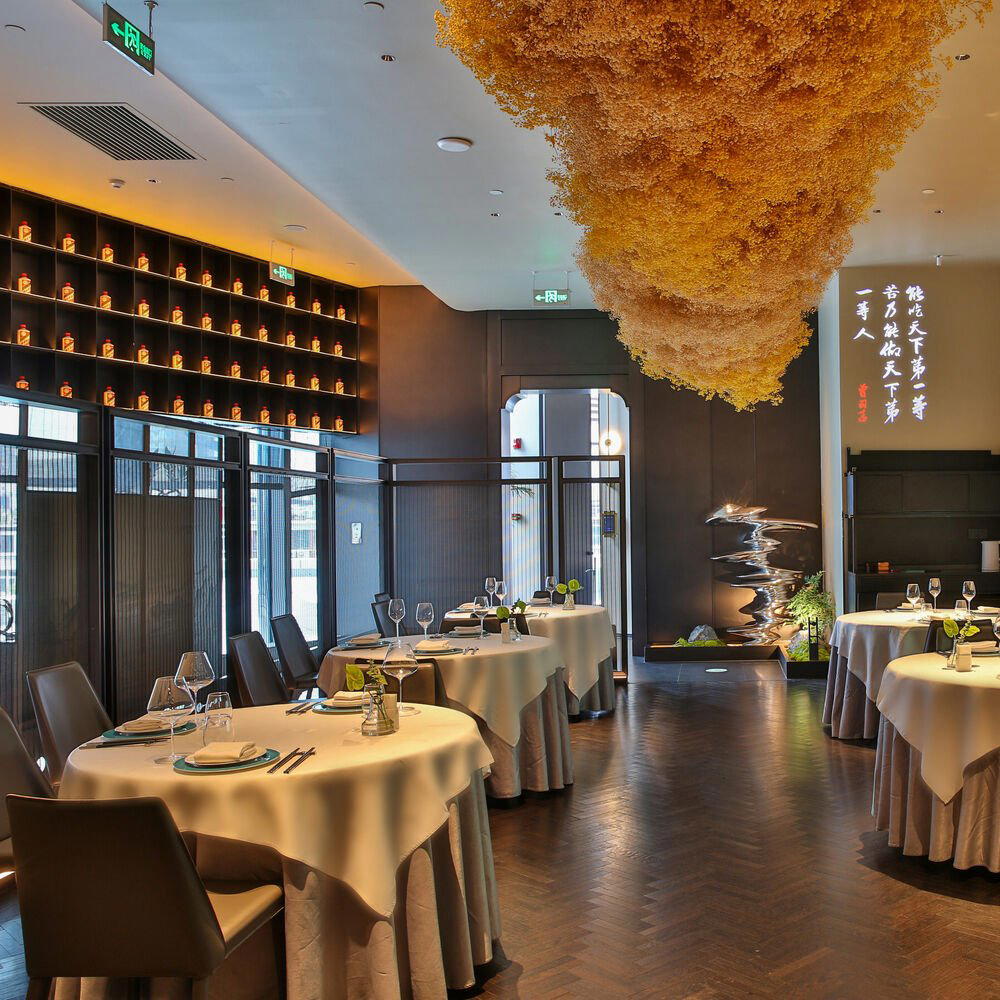
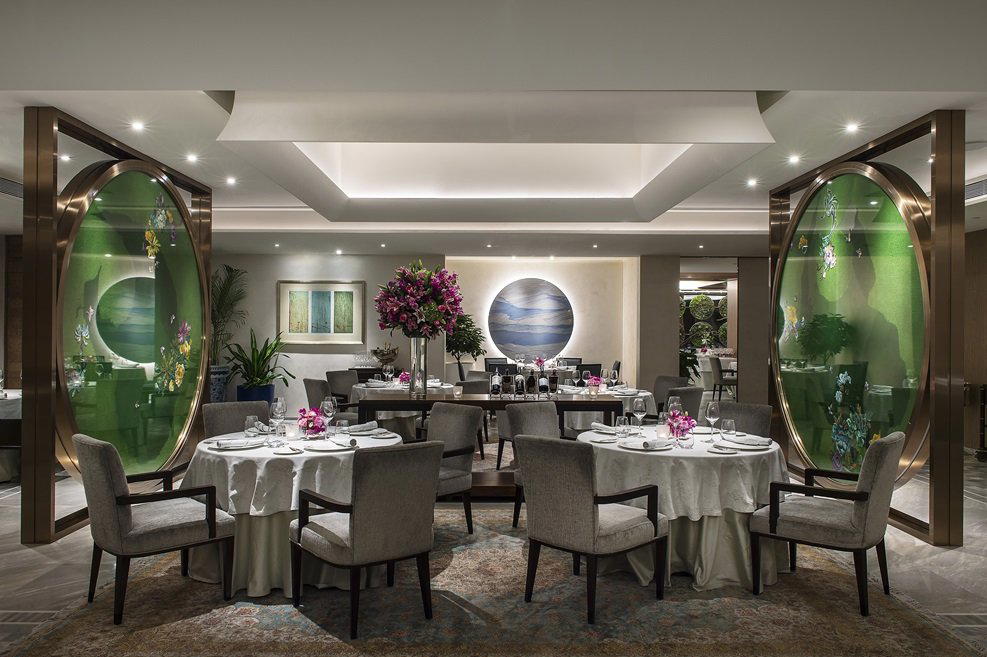
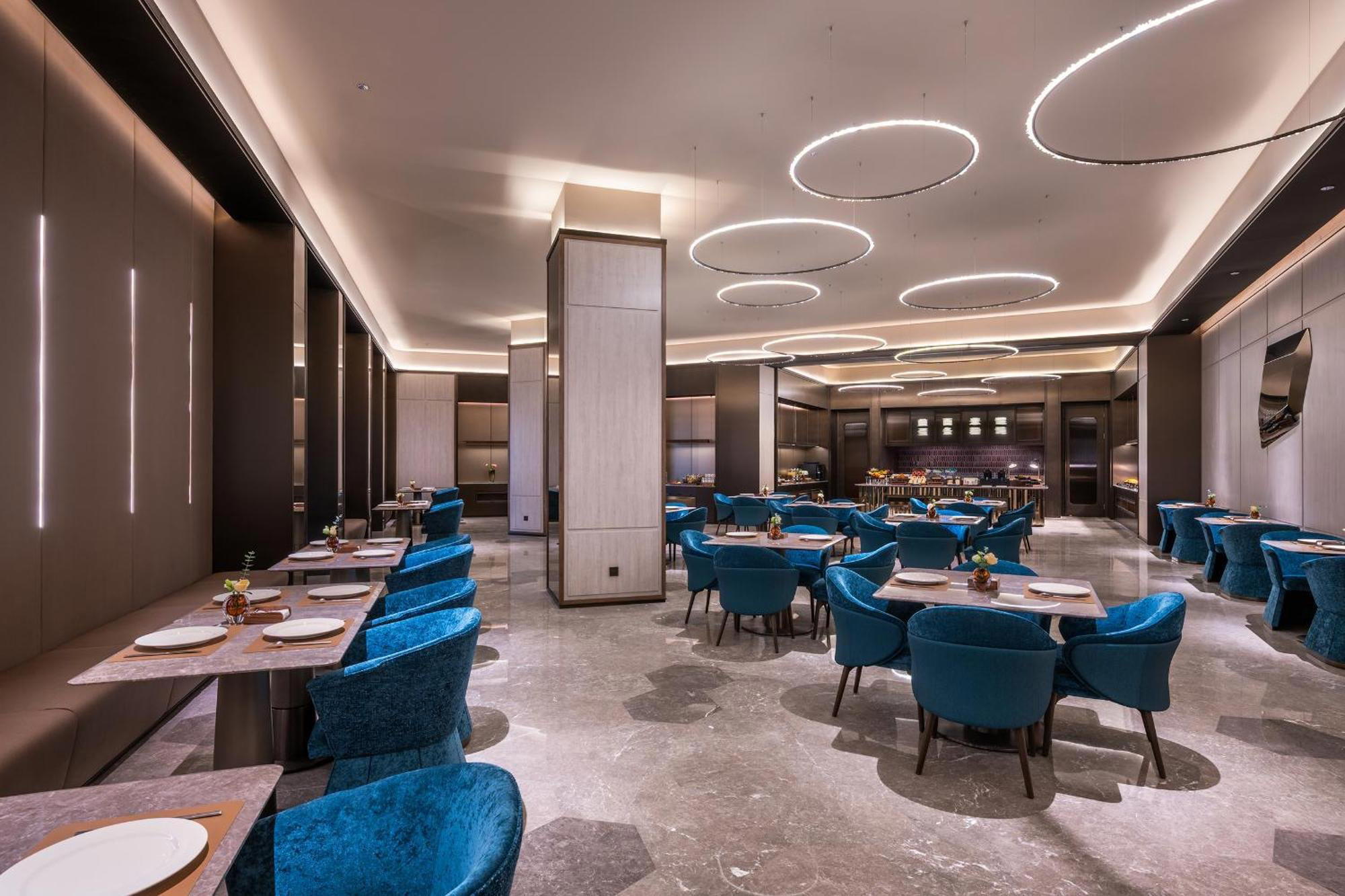
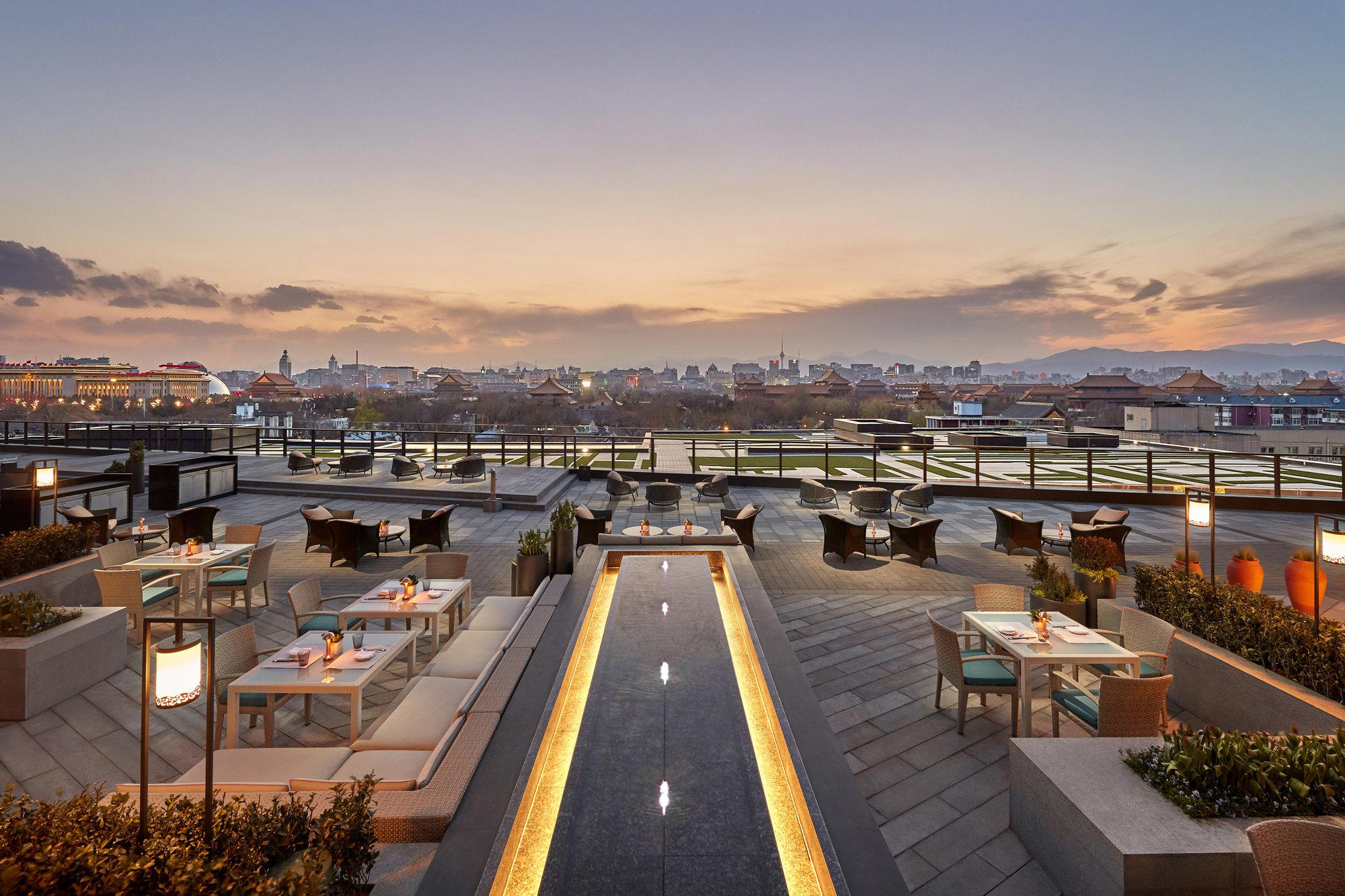
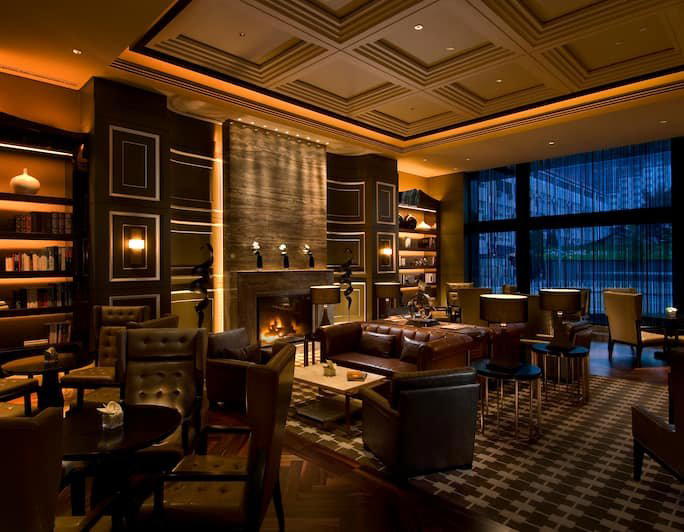
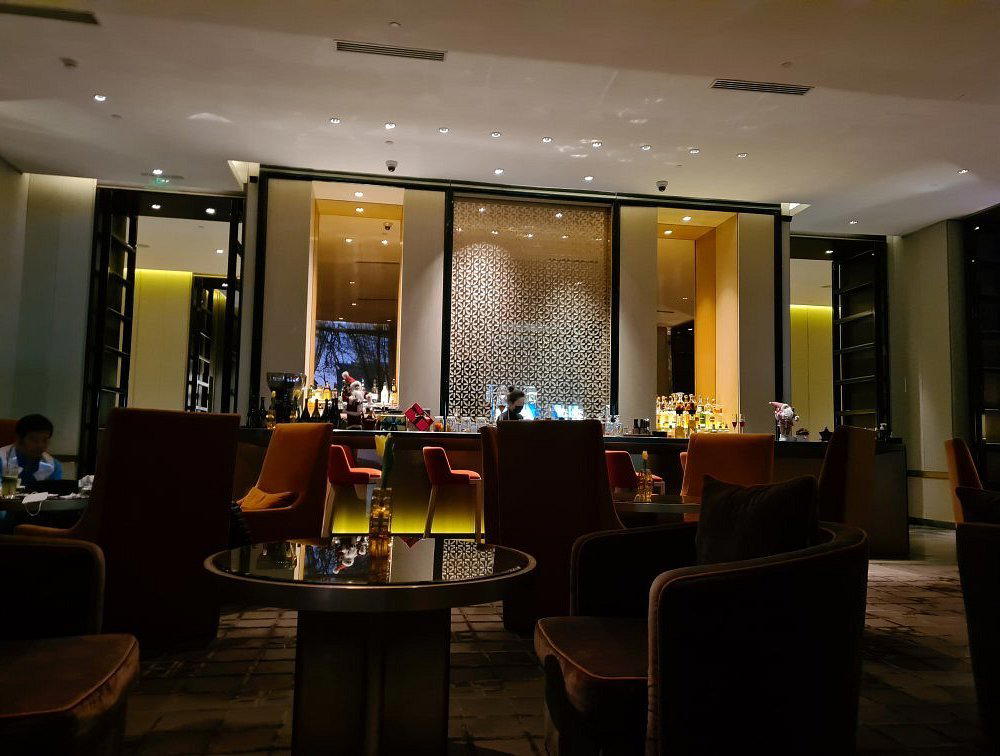
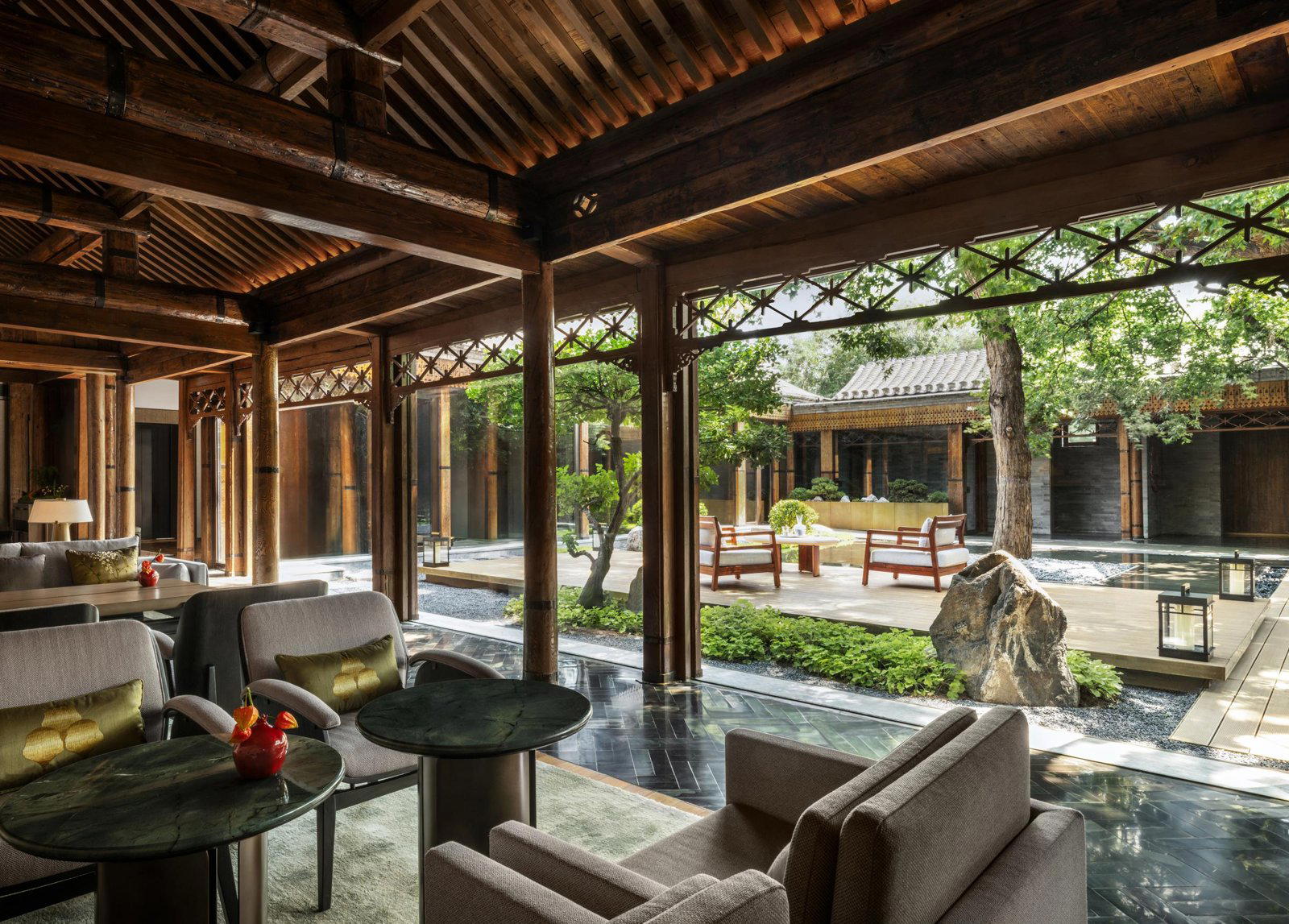
Restrained aesthetic with polished wood, brushed brass, and ambient lanterns, where aromas of slow-braised meats and warm flatbreads create a contemplative atmosphere.