
Michelin Bib Gourmand
Our verdict
A Cantonese soup specialist operating inside Beijing's World Financial Centre, My Soup draws CBD office workers with slow-boiled broths rooted in Hong Kong tradition. The fish maw chicken soup is the house reference point, backed by rotating daily specials and claypot rice. Against Beijing's predominantly northern dining scene, it occupies a specific, well-worn niche.

Pearl is the En Primeur Club membership app, where members save venues, book tables and use the concierge.
The menu
What to order
- Fish maw chicken soup
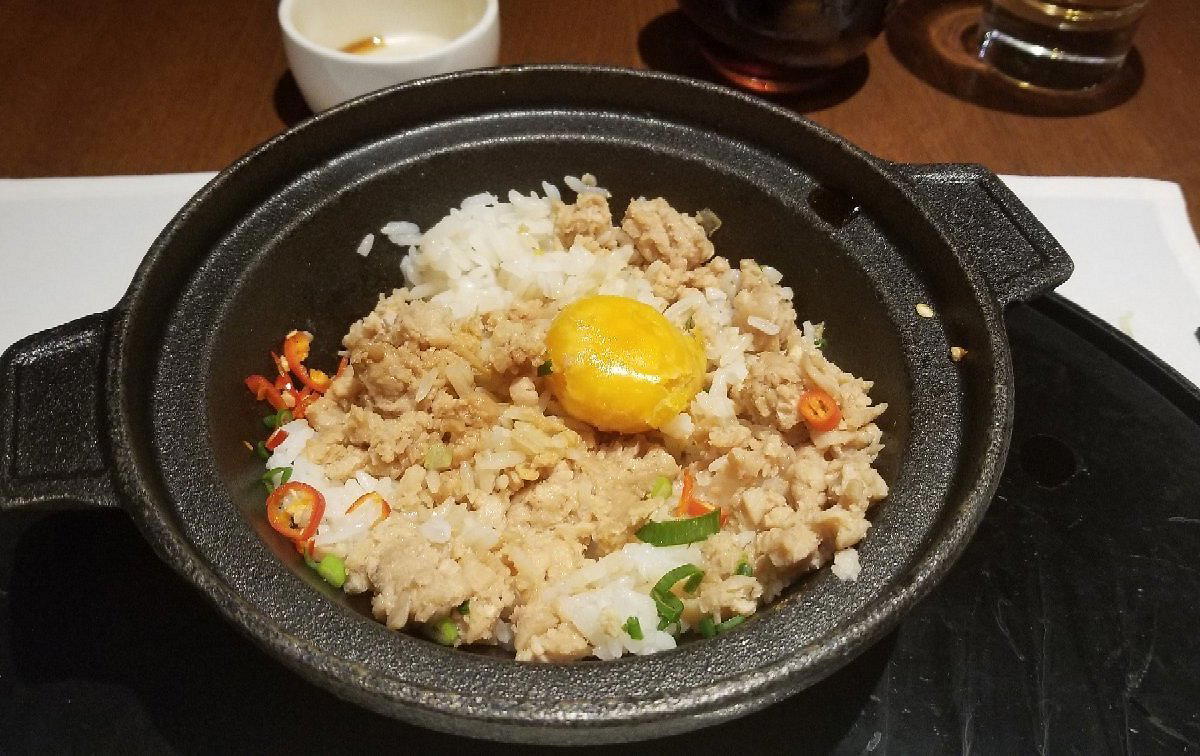
- Claypot rice
- Beef brisket rice
Cantonese Broth in a Beijing Business District
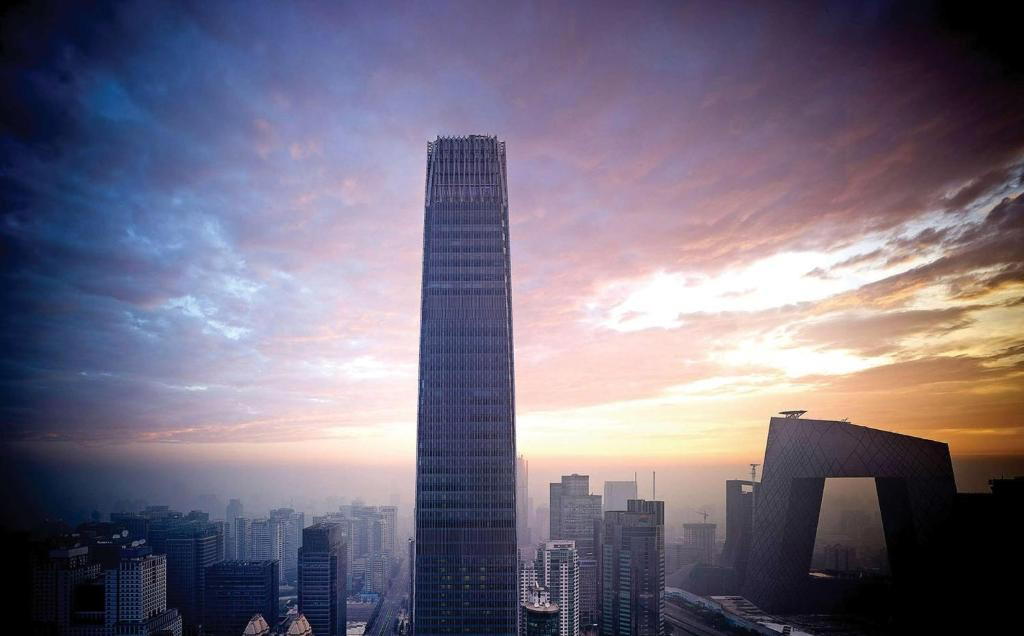
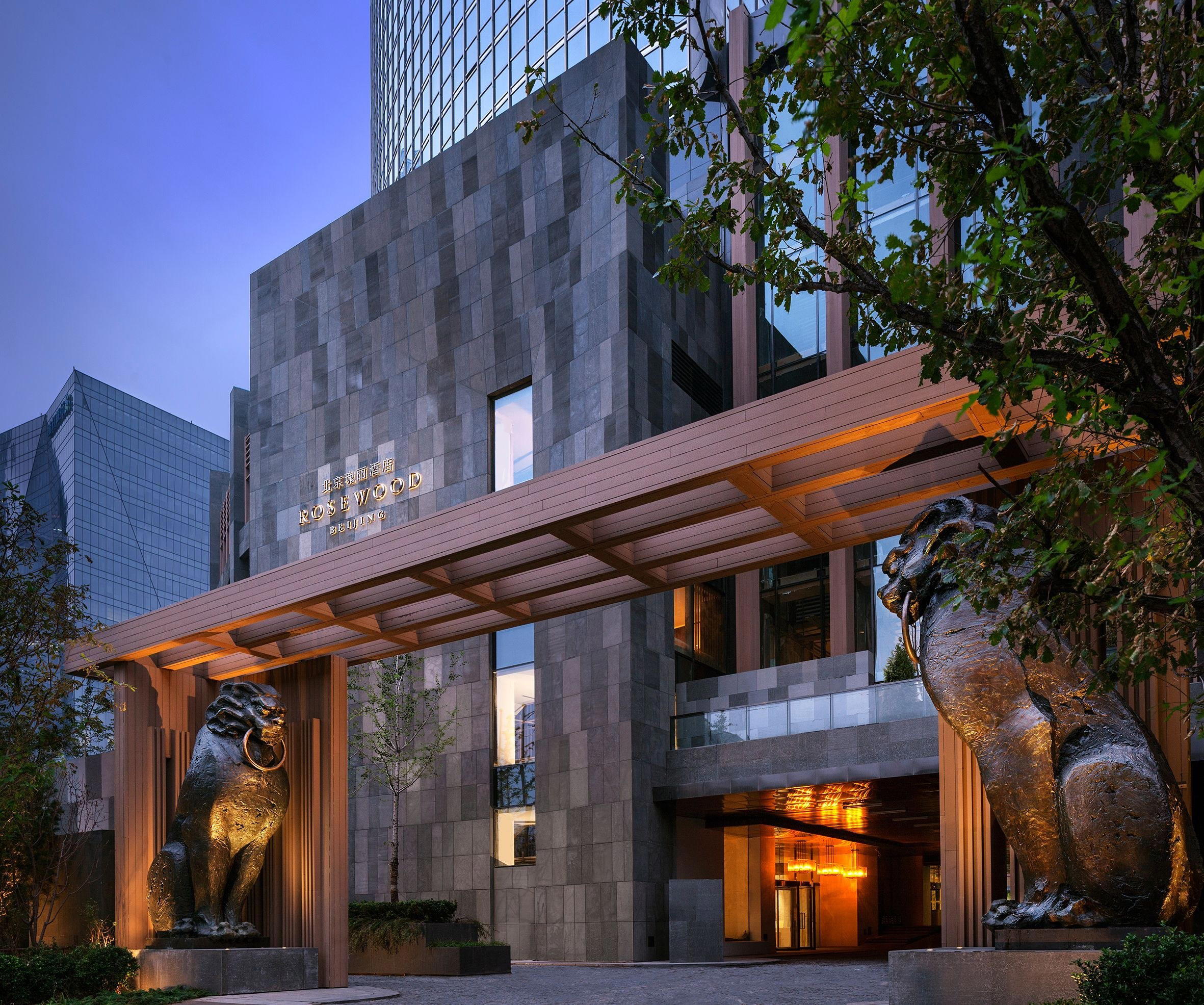
The ground floor of a glass-and-steel financial tower in Chaoyang is not where most visitors expect to encounter genuine Cantonese slow-cooking. Yet the World Financial Centre on Dongsanhuan Middle Road, one of Beijing's principal CBD corridors, has developed a quiet reputation among the office population that fills its towers from Monday through Friday. My Soup sits inside the west tower's retail podium, a location that tells you almost everything about its intended audience: workers with limited time at lunch, a preference for something restorative over something elaborate, and an accumulated loyalty to a kitchen that does one thing with consistency.
Cantonese soup culture occupies a very specific register in Chinese culinary tradition. Where northern Chinese cooking tends toward wheat-based carbohydrates, roasted meats, and assertive seasonings, the Cantonese approach to soup treats broth as the primary expression of a cook's skill. Long, slow simmering, sometimes four to six hours, is the norm, and the result is a clarity of flavour that relies on technique rather than seasoning shortcuts. That tradition travels poorly when diluted or accelerated. My Soup's owner, a Hong Kong native, carries that background into a city where Cantonese cooking competes against an entrenched preference for local flavours, and the kitchen's approach to slow-boiling situates it in a tradition quite different from the Beijing duck houses and northern noodle shops that define most of the capital's restaurant identity.
The Menu's Deliberate Constraints
The format here is narrow by design. Two soups anchor the menu permanently; one rotates daily, typically a pork bone base paired with different secondary ingredients depending on what the kitchen is working with that week. The fish maw chicken soup is the reference point that most regulars cite. Fish maw, the dried swim bladder of fish, prized in Cantonese cooking for its collagen content and its ability to absorb surrounding flavours, gives the broth a particular body, somewhere between thin and full, and the combination with slow-cooked chicken produces the kind of umami depth that makes the soup feel both light and sustaining at once.
The rotation policy is worth noting as a signal about the kitchen's approach. A soup that changes with the daily market requires continuous sourcing decisions and cannot be pre-made in bulk. It is a more demanding format than a static menu, and it creates a rhythm of return visits for regulars who track what the kitchen is pouring on a given day. Alongside the soups, claypot rice and a small selection of staples and sweet soups extend the menu enough to constitute a complete meal, though the soups remain the reason most people are there.
Where My Soup Fits in the Chaoyang Dining Picture
Chaoyang's dining scene spans a wider range than any other district in Beijing. The neighbourhood contains formal Cantonese dining rooms at the ¥¥¥¥ tier, Chao Shang Chao sits in that bracket, with a Chao Zhou focus, as well as the kind of polished regional tables represented by Xin Rong Ji on Xinyuan South Road. My Soup operates at neither of those levels and does not compete with them.
That positioning matters for a visitor making decisions about where to eat in Beijing. The capital has a well-documented restaurant culture at the ¥¥¥¥ tier, vegetarian fine dining at Lamdre or King's Joy, Beijing cuisine expressed through a formal lens at Jingji, but the city's less-covered strength is precisely this category of regional specialist operating at accessible price points inside commercial buildings. My Soup belongs to that less-photographed tier of Beijing eating, the kind that sustains a neighbourhood rather than representing it in magazine features.
For comparison across China's broader Cantonese dining conversation, the craft of slow-boiled broth appears in very different formats: at Dai Yuet Heen in Nanjing and Imperial Treasure in Guangzhou, Cantonese technique is expressed through full formal service and broad menus. My Soup strips that down to the element that most defines Cantonese home cooking: a pot of broth given enough time to become something worth drinking. The format is closer to what you find in Hong Kong's specialist tong sui shops than to any mainland fine-dining room.
Further afield, the discipline of building a small menu around a single technical commitment has parallels in how specialist restaurants in other cities define themselves. Ru Yuan in Hangzhou demonstrates a similar restraint within Chinese vegetarian cooking; 102 House in Shanghai shows how focused formats can anchor a loyal return audience. At the international end of the spectrum, seafood-focused discipline at places like Le Bernardin in New York City illustrates a principle that crosses cuisines: narrow menus built on technique consistently outperform wide menus built on variety. My Soup does not operate in any of those leagues in terms of scale or ambition, but the underlying logic is the same.
Planning a Visit
My Soup is inside the West Tower of the World Financial Centre at 1 Dongsanhuan Middle Road in Chaoyang, unit W104 on the first floor. The location is accessible from the CBD core, and the surrounding tower complex means foot traffic is concentrated heavily at lunchtime on weekdays. Visitors planning a midday visit should expect the space to fill quickly during the standard office lunch window; arriving before noon or after 1:30pm will generally mean a calmer room. No booking mechanism is listed, and the format suggests walk-in service is the norm. For a broader picture of where to eat and stay in Beijing, see our full Beijing restaurants guide, our full Beijing hotels guide, our full Beijing bars guide, our full Beijing wineries guide, and our full Beijing experiences guide.
Frequently asked questions
Does My Soup have a Michelin star or similar recognition?
My Soup has received recognition including: A firm favourite among office workers in the CBD, My Soup prides itself on its comforting, umami-laden slow-boiled soups in Cantonese style. The owner, a Hong Kong native, keeps two staple soups on the menu, including the hugely popular fis….
Where is My Soup in Beijing?
My Soup is located at Unit W104, 1F, West Tower, World Financial Centre, 1 Dongsanhuan Middle Road, Chaoyang, Beijing.
What do people recommend at My Soup?
The fish maw chicken soup is the standout order, listed as a permanent fixture on the menu and consistently cited as the most popular item. The daily rotating soup, typically a pork bone base paired with a different secondary ingredient each day, is worth checking when you arrive. Claypot rice rounds out a full meal if soup alone isn't enough.
Do I need a reservation for My Soup?
My Soup sits inside the West Tower of the World Financial Centre at 1 Dongsanhuan Middle Road, a location that draws a steady lunchtime crowd from the surrounding CBD offices. Walk-ins are the norm for this format, though arriving slightly before or after the peak office lunch window is advisable. No booking contact is listed publicly.
Just the Basics
Comparable venues nearby, for context on price, style, and recognition.
| Venue | Cuisine | Price | Awards | Notes |
|---|---|---|---|---|
| My SoupThis venue (the venue you are viewing) | Cantonese Soup House | $10–20 | Michelin Bib Gourmand | Not listed |
| Xiang Bin Xuan (Huayuan Road) | Authentic Hunanese | Not listed | Michelin Bib Gourmand | Beitaipingzhuang, Authentic Hunanese |
| Yu Hua Tai (Xicheng) | Refined Huaiyang Cuisine | $10–20 | Michelin Bib Gourmand | Xiaoguan, Refined Huaiyang Cuisine |
| Gongyuan Shulou | Authentic Sichuan | Not listed | Michelin Bib Gourmand | Chaowai, Authentic Sichuan |
| San Qing Tan (Sanlitun Road) | Refined Cantonese Roast Goose & Dim Sum | Not listed | Michelin Plate | Sanlitun, Refined Cantonese Roast Goose & Dim Sum |
| Tong Chun Yuan | Traditional Jiangsu Cuisine | Not listed | Michelin Plate | Dewai, Traditional Jiangsu Cuisine |
Recognition history
Dated appearances from independent guides and award organizations, with the underlying list record or original source where available.
Michelin Bib Gourmand
Michelin
Continue exploring
More in Beijing
Restaurants in Beijing
All restaurants in Beijing →
Bars in Beijing
All bars in Beijing →

Details
- Cozy
- Business Dinner
- Casual Hangout
- Standalone
- A La Carte
Comfy, homey, and relaxed atmosphere reminiscent of family kitchen cooking with unpretentious charm.