



Michelin Plate · Star Wine List · Tabelog 100 #93
Our verdict
Hei Fung Terrace brings Cantonese tradition to central Tokyo via a Hong Kong-affiliated kitchen operating out of Yurakucho, steps from the outer garden of the Imperial Palace. A Michelin Plate recipient in both 2024 and 2025, the restaurant spans dim sum craft and iron-pot grilling within a Chinese garden atmosphere. The wine list runs to 735 selections, with notable depth in California and France.

Pearl is the En Primeur Club membership app, where members save venues, book tables and use the concierge.
The menu
What to order
- Peking Duck
- Steamed Abalone Siu Mai
- Wok-Fried Beef Tenderloin
A Chinese Garden at the Edge of the Imperial Palace
Tokyo's premium dining scene is built around a relatively narrow set of reference points: the sushi counter, the kaiseki progression, the French tasting menu. Chinese cuisine, and Cantonese cooking in particular, occupies a smaller but distinct tier in that hierarchy, drawing diners who want the precision and ingredient intelligence of high-end Japanese dining expressed through a different regional grammar.
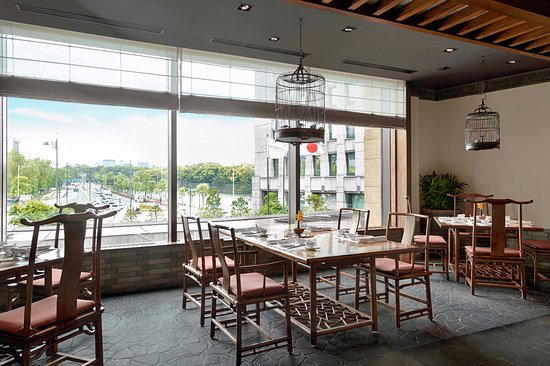
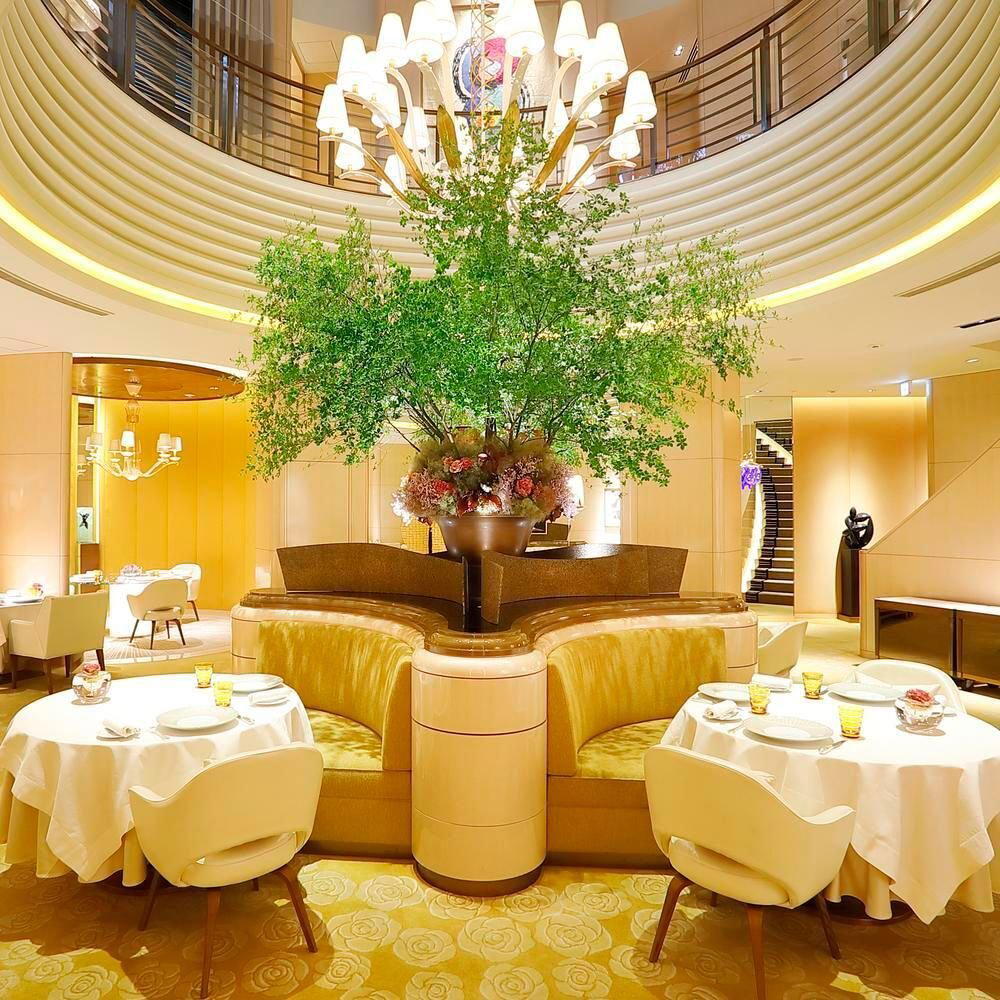
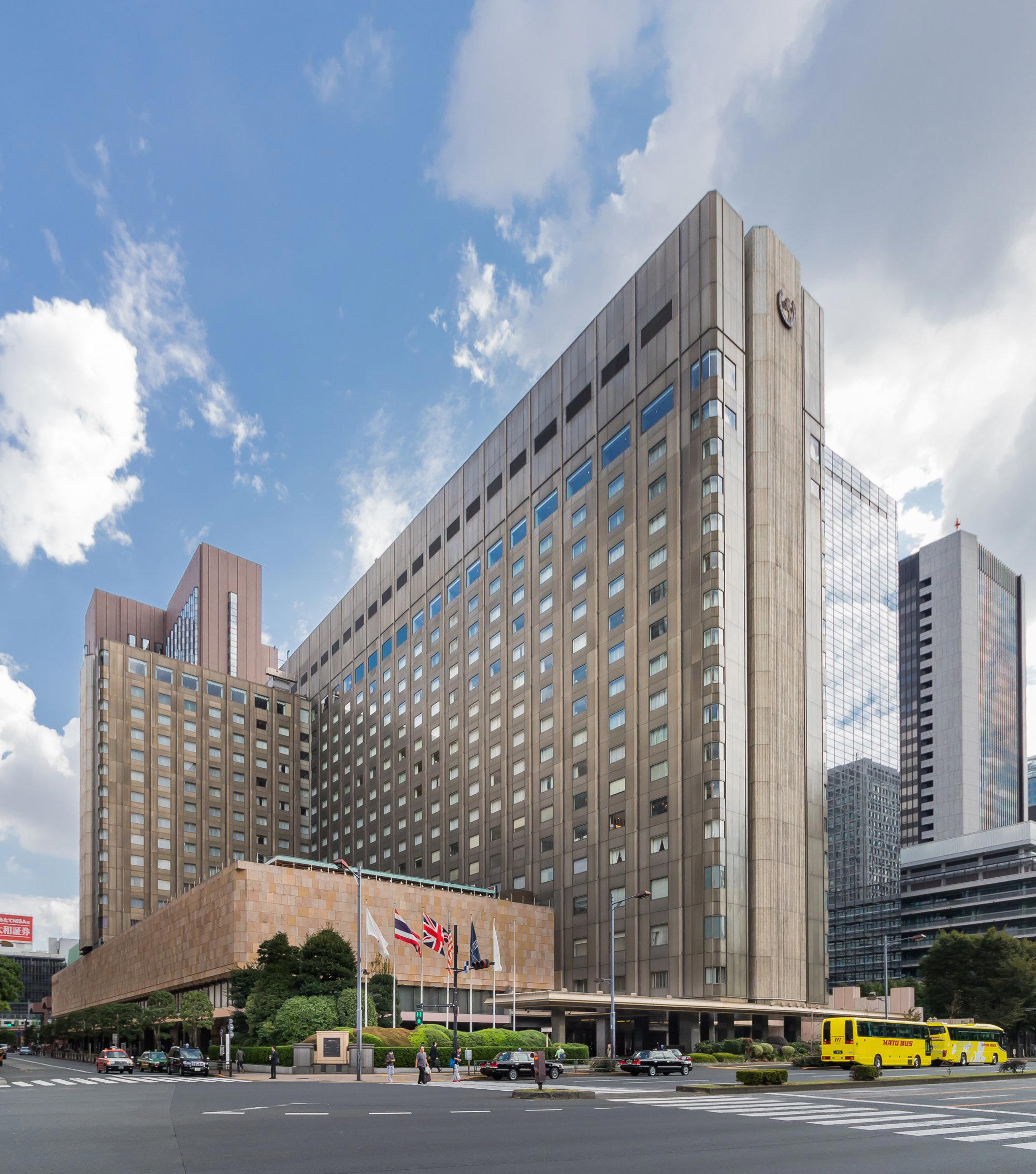
The physical setting establishes the register before a dish arrives. The atmosphere is modelled on a Chinese garden, and the dining room overlooks the outer garden of the Imperial Palace, which makes the address one of the more considered in the city for a formal occasion meal. In a Tokyo dining culture that treats environment as inseparable from cuisine, that setting carries real weight. Few mid-city addresses offer the combination of formal Chinese cooking and an outlook this composed.
The Case for Cantonese in Tokyo
Cantonese cuisine has a particular claim on the premium end of Chinese cooking internationally, owing to its emphasis on ingredient quality and technique over spice or sauce weight. In Hong Kong, the tradition of the hotel Cantonese restaurant, with its tea trolleys, its dim sum hierarchy, and its skill at applying classical technique to luxury ingredients, produced a format that exported reliably across Asia. Hei Fung Terrace operates within that tradition by direct lineage, being affiliated with a Hong Kong group, which gives its approach a specific provenance rather than a generic pan-Chinese positioning.
That lineage shows in the kitchen's division of labour. A dedicated dim sum master handles the folded and wrapped preparations, with xiaolongbao and gyoza as part of the repertoire, while a separate grill master manages the iron-pot cooking, which applies to chicken and pork. This kind of specialisation inside a single kitchen is standard at the top tier of Cantonese restaurants in Hong Kong but less common in Tokyo, where Chinese cooking at this level is thinner on the ground. For occasion dining in particular, the range matters: a table celebrating something can move between delicate dumpling courses and the more assertive iron-pot preparations within a single meal.
The restaurant's model of guest participation in flavour construction is also worth noting. Diners select both the seasoning and the cooking style for several preparations, choosing from options that include oyster sauce stewing and XO or black bean sauce stir-frying. This format places a degree of culinary decision-making with the guest, which suits celebrations where personalisation is part of the experience. It is a structural feature of the meal, not a gimmick, and it reflects how Cantonese restaurants in Hong Kong have long treated ingredient sourcing and sauce logic as subjects of table conversation rather than back-of-house mystery.
Occasion Dining in Chiyoda
The Yurakucho address places Hei Fung Terrace inside one of Tokyo's more concentrated belts of formal dining, where proximity to central business districts has historically supported expense-account restaurants and celebration meals. The neighbourhood sits between the high-end retail of Ginza and the government and business density of Marunouchi, which means its dining clientele skews toward occasions with an institutional dimension: contract signings, corporate anniversaries, family milestone dinners. A restaurant needs to be able to hold a table for three hours without pressure and to manage a group with different preference sets, and the format here, with its broad menu of individually ordered preparations across multiple cooking methods, accommodates that.
At the ¥¥¥ price tier, Hei Fung Terrace sits below Tokyo's highest-spending tier (illustrated by the ¥¥¥¥ benchmark of venues like Ippei Hanten and the kaiseki houses including Koshikiryori Koki) but above the mid-range. That positioning makes it accessible for milestone dining without requiring the kind of pre-planning or allocation management that the top-tier counters demand. It is also worth comparing against itsuka, which operates in a different cuisine register but occupies a comparable occasion-dining tier in the city.
The Michelin Plate designation, held in both 2024 and 2025, signals consistent kitchen execution without placing the restaurant inside the starred tier. In Michelin's framework, the Plate marks cooking that meets a quality threshold without the additional distinction of star criteria. For diners planning around the occasion rather than around the accolade, that is a useful positioning: the kitchen is reliable, the format is composed, and the evening does not depend on the visitor having booked months in advance.
The Wine List
The wine list at 215 selections and 735 inventory positions it as a serious, though not exhaustive, program by Tokyo standards. The price tier is marked as $$$, meaning a meaningful proportion of bottles cross the 100-dollar equivalent threshold, which aligns with the occasion-dining format. Strength areas in California and France give the list a structure that will suit diners who approach Cantonese food with a Burgundy or Napa white in mind. The alignment of a French and California-weighted list with Cantonese cooking reflects a common pairing logic at this level: aromatic whites from both regions handle the seafood and dim sum registers well, and the list's construction appears to have been designed with the food's flavour range in mind.
Chinese Cooking at This Level, Elsewhere
For travellers building a broader picture of serious Chinese cooking across Japan and beyond, the category is sparse by design. In Tokyo, the concentration of Cantonese and regional Chinese restaurants at a comparable execution level is smaller than the equivalent French or Japanese categories. Outside Japan, Restaurant Tim Raue in Berlin and Mister Jiu's in San Francisco represent how Chinese cooking traditions have been taken seriously within high-end Western dining contexts, each with different interpretive approaches. Within Japan's broader premium dining geography, the reference points for occasion dining shift into kaiseki and French registers: Gion Sasaki in Kyoto, HAJIME in Osaka, akordu in Nara, Goh in Fukuoka, 1000 in Yokohama, and 6 in Okinawa each mark how the premium dining conversation runs across the archipelago, with Cantonese cooking as a distinct and less densely populated strand.
Planning Your Visit
| Venue | Cuisine | Price Tier | Michelin Recognition | Setting |
|---|---|---|---|---|
| Hei Fung Terrace | Cantonese / Chinese | ¥¥¥ | Plate (2024, 2025) | Chinese garden interior, Imperial Palace outlook |
| Chugoku Hanten Fureika | Chinese | Available via EP Club listing | See listing | Central Tokyo |
| Den | Innovative Japanese | ¥¥¥ | 2 Stars | Central Tokyo |
| Ippei Hanten | Chinese | Available via EP Club listing | See listing | Central Tokyo |
The restaurant is located at 1 Chome-8-1 Yurakucho, Chiyoda City, with Yurakucho Station providing the most direct access. The ¥¥¥ pricing tier places group dinners in a range that accommodates multiple courses across dim sum, grill, and sauce-dressed preparations without the top-of-market spend required at three-star venues.
For a fuller picture of where Hei Fung Terrace sits within Tokyo's dining options, see our full Tokyo restaurants guide. Related EP Club guides covering the broader Tokyo scene: our full Tokyo hotels guide, our full Tokyo bars guide, our full Tokyo wineries guide, and our full Tokyo experiences guide.
Frequently asked questions
What's the must-try dish at Hei Fung Terrace?
The venue data confirms a dim sum specialist is responsible for xiaolongbao and gyoza, and a separate grill master handles chicken and pork cooked in iron pots. These preparations represent the kitchen's two distinct technical disciplines and are the strongest entry points for understanding what differentiates Cantonese cooking at this level from generic Chinese menus in the city. The guest-directed seasoning format, where diners choose between oyster sauce, XO sauce, or black bean sauce preparations, adds a layer of personalisation that makes particular dishes read differently across visits. Based on the kitchen's published structure, the dim sum course and the iron-pot grill represent the most venue-specific experiences available here, aligned with the Michelin Plate recognition the restaurant has held across consecutive years.
Cuisine-First Comparison
Comparable options at a glance, pulled from our tracked venues.
| Venue | Cuisine | Price | Awards | Notes |
|---|---|---|---|---|
| Hei Fung TerraceThis venue (the venue you are viewing) | Sophisticated Cantonese | $150–200 | Michelin Plate · Star Wine List | Not listed |
| Harutaka | Edo-Style Omakase Sushi | $200–300 | 3 Michelin Stars · World's 50 Best #76 | Sushi |
| RyuGin | Modern Kaiseki | $500+ | 3 Michelin Stars · World's 50 Best #41 | Kaiseki, Japanese |
| L'Effervescence | Modern French with Japanese Influences | $200–300 | 3 Michelin Stars · World's 50 Best #69 | French |
| HOMMAGE | Modern French with Japanese Influences | $150–200 | 2 Michelin Stars · World's 50 Best #78 | Innovtive French, French |
| MAZ | Innovative Peruvian-Japanese Fusion | $150–200 | 2 Michelin Stars · World's 50 Best #28 | Innovative |
Recognition history
Dated appearances from independent guides and award organizations, with the underlying list record or original source where available.
Michelin Plate
Michelin
Star Wine List
Star Wine List
Tabelog 100 #93 · No. 93
Tabelog · Tabelog 100 - Chinese cuisine - TOKYO - 2026
Wine Spectator Award of Excellence
Wine Spectator
Full recognition history (6 entries)
Michelin Plate
Michelin
Michelin Plate
Michelin
Continue exploring
More in Tokyo
Restaurants in Tokyo
All restaurants in Tokyo →
Bars in Tokyo
All bars in Tokyo →
Hei Fung Terrace
The wine
Hei Fung Terrace holds the Wine Spectator Award of Excellence, which Wine Spectator gives to lists of usually 90 or more selections.
- Wine Spectator
- Wine Spectator Award of Excellence
- Selections
- 215
- Bottles in cellar
- 735
- List strengths
- California, France
- Wine director
- Jordan Pierce
- Sake program
Details
- Elegant
- Sophisticated
- Intimate
- Business Dinner
- Special Occasion
- Date Night
- Private Dining
- Chefs Counter
- Sake Program
- Garden
- A La Carte
- Prix Fixe
- Vegetarian Friendly
- Vegan Options
Current opening hours
- Monday
- Closed
- Tuesday
- 11:30 AM–2:30 PM, 6–10 PM
- Wednesday
- 11:30 AM–2:30 PM, 6–10 PM
- Thursday
- 11:30 AM–2:30 PM, 6–10 PM
- Friday
- 11:30 AM–2:30 PM, 6–10 PM
- Saturday
- 11:30 AM–2:30 PM, 6–10 PM
- Sunday
- 11 AM–3 PM, 6–10 PM
Hours can change for holidays and private events. Hours as of .
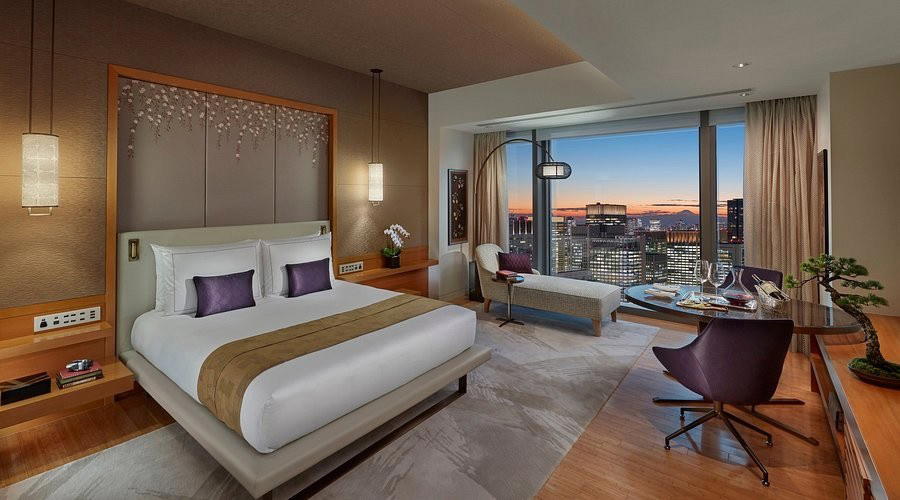
Elegant and calming atmosphere with well-spaced tables, reminiscent of a traditional Chinese garden.