Haenam Cheonilgwan

Michelin Plate
Our verdict
Haenam Cheonilgwan holds consecutive Michelin Plate recognition in 2024 and 2025, placing it among Seoul's acknowledged addresses for traditional Korean cuisine in the Seocho District. The restaurant draws from the fermentation-led pantry that defines southern Korean provincial cooking, with doenjang, kimchi, and gochujang-based preparations anchoring the menu. It occupies the mid-range tier of Seoul's Korean dining scene, distinct from the fine-dining omakase format that dominates at higher price points.

Pearl is the En Primeur Club membership app, where members save venues, book tables and use the concierge.
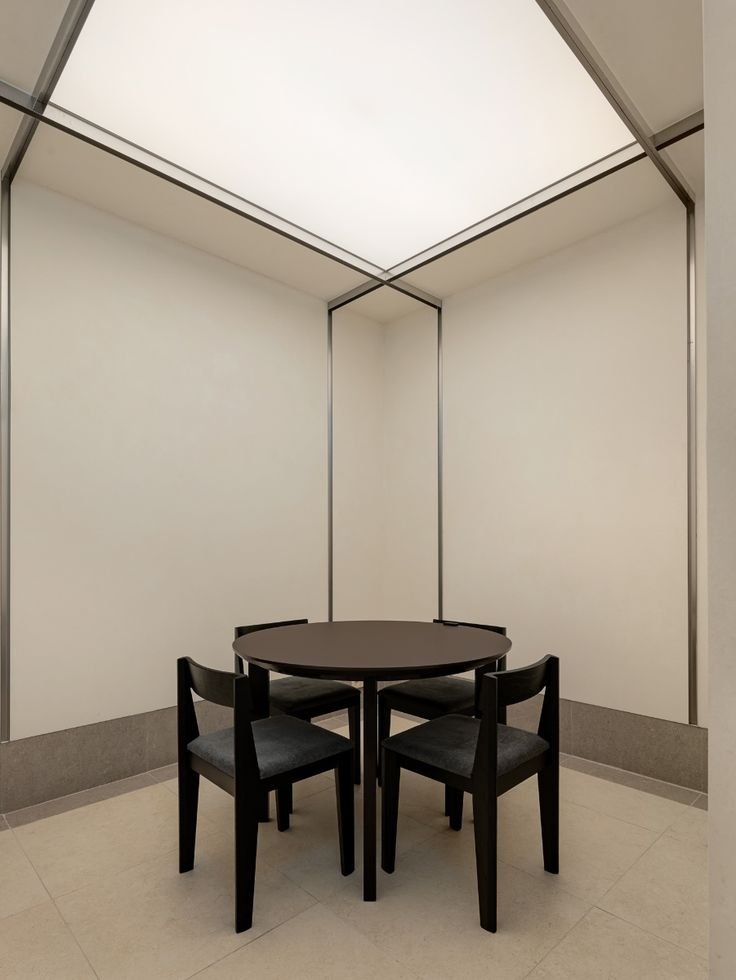
The menu
What to order
- Banji kimchi
- Chili pepper kimchi with salted freshwater shrimp
- Grilled short rib patties
The Living Pantry: Seoul's Fermentation Tradition at the Table
Korean cuisine's most technically demanding work happens before any heat is applied. The fermented pantry, built over months or years from soybeans, chillies, and salted vegetables, is what separates a kitchen with real roots from one producing approximations. In Seoul's Seocho District, Haenam Cheonilgwan sits within that older tradition, taking its name and culinary orientation from Haenam, a county at the southern tip of South Jeolla Province long associated with depth-driven, fermentation-forward cooking. South Jeolla's cuisine is arguably Korea's most revered regional table, and restaurants that trace lineage there carry a specific cultural weight in the capital.
That regional framing matters when reading Seoul's Korean dining map. The city's Michelin ecosystem has developed two broadly distinct tracks: a contemporary fine-dining tier, where kitchens like Mingles, Onjium, and Kwonsooksoo earn starred recognition for reinterpreting Korean ingredients through modern technique, and a traditional tier where the measure is fidelity to regional cooking methods, fermentation depth, and banchan complexity. Haenam Cheonilgwan's consecutive Michelin Plate awards in 2024 and 2025 place it firmly in the second category, acknowledged for quality within the traditional register rather than for innovation or format.
Fermentation as the Actual Craft
Doenjang, the fermented soybean paste that functions as Korea's most foundational flavour base, takes months to develop properly and years to reach the depth that distinguishes serious kitchens. Gochujang follows a similarly slow trajectory, its sweetness and heat calibrated by fermentation time rather than added sugar or chilli volume. Kimchi, often reduced to a side dish in international perception, is in South Jeolla kitchens a preparation that speaks to specific seasonal timing, salt ratios, and regional vegetable varieties. When restaurants source or produce these ingredients with care, the difference registers in the cooking: sauces that carry complexity without sharpness, stews whose umami reads as something built over time rather than corrected at the stove.
This is the standard against which Haenam Cheonilgwan positions itself. The Haenam region's own culinary identity, including its proximity to the sea and its agricultural richness, shapes a cuisine heavier in fermented and preserved elements than, say, the seafood-forward tables of Busan, such as those represented by Mori in Busan, or the temple-food restraint practiced at places like Baegyangsa Temple in Jangseong-gun. Understanding that regional specificity helps explain why a restaurant named after a South Jeolla county carries a particular culinary claim in Seoul.
Where It Sits in Seocho's Dining Scene
The Seocho District, which includes Banpo and the broader Gangnam-adjacent corridor, has developed a dining character that skews toward established, reputation-driven restaurants rather than trend-led openings. The address at Banpo-daero 39-gil places Haenam Cheonilgwan in a neighbourhood where the clientele tends to be local and returning rather than tourist-driven. That dynamic typically produces kitchens more attentive to consistency than to spectacle, a quality that aligns with traditional Korean formats where the banchan spread and the quality of fermented bases matter more than plating architecture.
Within Seoul's Korean cuisine bracket, the price tier here (₩₩₩) positions Haenam Cheonilgwan meaningfully below the starred fine-dining addresses. La Yeon, Gaon, and Bicena represent the upper price tier of formal Korean dining, where tasting menus and private dining rooms are standard. Haenam Cheonilgwan operates in a different register: traditional, accessible relative to that cohort, and recognisable to Michelin evaluators on its own terms. For diners who have spent time with Korean food internationally, at addresses like bōm in New York City, DOSA in London, or Jeju Noodle Bar in New York City, an address like this one offers the contrast of cooking oriented entirely toward the domestic palate and the traditional form, without concession to international taste calibration.
The Michelin Plate Signal and What It Means Here
The Michelin Plate designation, awarded across 2024 and 2025, indicates food quality that Michelin evaluators found noteworthy, without the structural or experiential criteria that typically accompany star consideration. In practice, a Plate award on a traditional Korean restaurant in Seoul reads as a quality endorsement within the category rather than a comparative ranking against the starred contemporary tier.
Planning a Visit
Haenam Cheonilgwan is located at 36-1 Banpo-daero 39-gil in the Seocho District, accessible from central Seoul by subway with Seocho or Express Bus Terminal stations serving the broader area. The restaurant sits in the mid-range price bracket (₩₩₩), making it approachable for a meal that would cost a fraction of a tasting menu at the starred Korean fine-dining houses nearby. Booking details and current hours are best confirmed directly or through local reservation platforms, as contact information is not publicly listed through standard international channels. Given the neighbourhood and restaurant type, walk-in capacity at off-peak hours may be available, though Michelin recognition in consecutive years tends to increase reservation pressure even at traditional-format restaurants. For a broader sense of Seoul's dining, drinking, and accommodation options, see our full Seoul restaurants guide, our full Seoul hotels guide, our full Seoul bars guide, our full Seoul wineries guide, and our full Seoul experiences guide.
Frequently asked questions
What should I eat at Haenam Cheonilgwan?
What's the ideal way to book Haenam Cheonilgwan?
What do critics highlight about Haenam Cheonilgwan?
A Quick Peer Check
| Venue | Cuisine | Price | Awards | Notes |
|---|---|---|---|---|
| Haenam CheonilgwanThis venue (the venue you are viewing) | Traditional Namdo Korean Cuisine | $30–50 | Michelin Plate | Not listed |
| 7th Door | Modern Korean Fermentation Fine Dining | $100–150 | 1 Michelin Star · World's 50 Best #49 | Korean, Contemporary |
| Solbam | Contemporary Neo-Classical Korean | $200–300 | 1 Michelin Star · World's 50 Best #55 | Contemporary |
| Onjium | Modern Korean Royal Court Cuisine | Not listed | 1 Michelin Star · World's 50 Best #14 | Korean |
| L'Amitié | Classic French Fine Dining | $100–150 | 1 Michelin Star · La Liste Top Restaurants | French |
| Zero Complex | Modern French Neo-Bistro | $100–150 | 1 Michelin Star · La Liste Top Restaurants | Korean-French, Innovative |
Recognition history
Dated appearances from independent guides and award organizations, with the underlying list record or original source where available.
Michelin Plate
Michelin
Full recognition history (3 entries)
Michelin Plate
Michelin
Michelin Plate
Michelin
Continue exploring
More in Seoul
Restaurants in Seoul
All restaurants in Seoul →
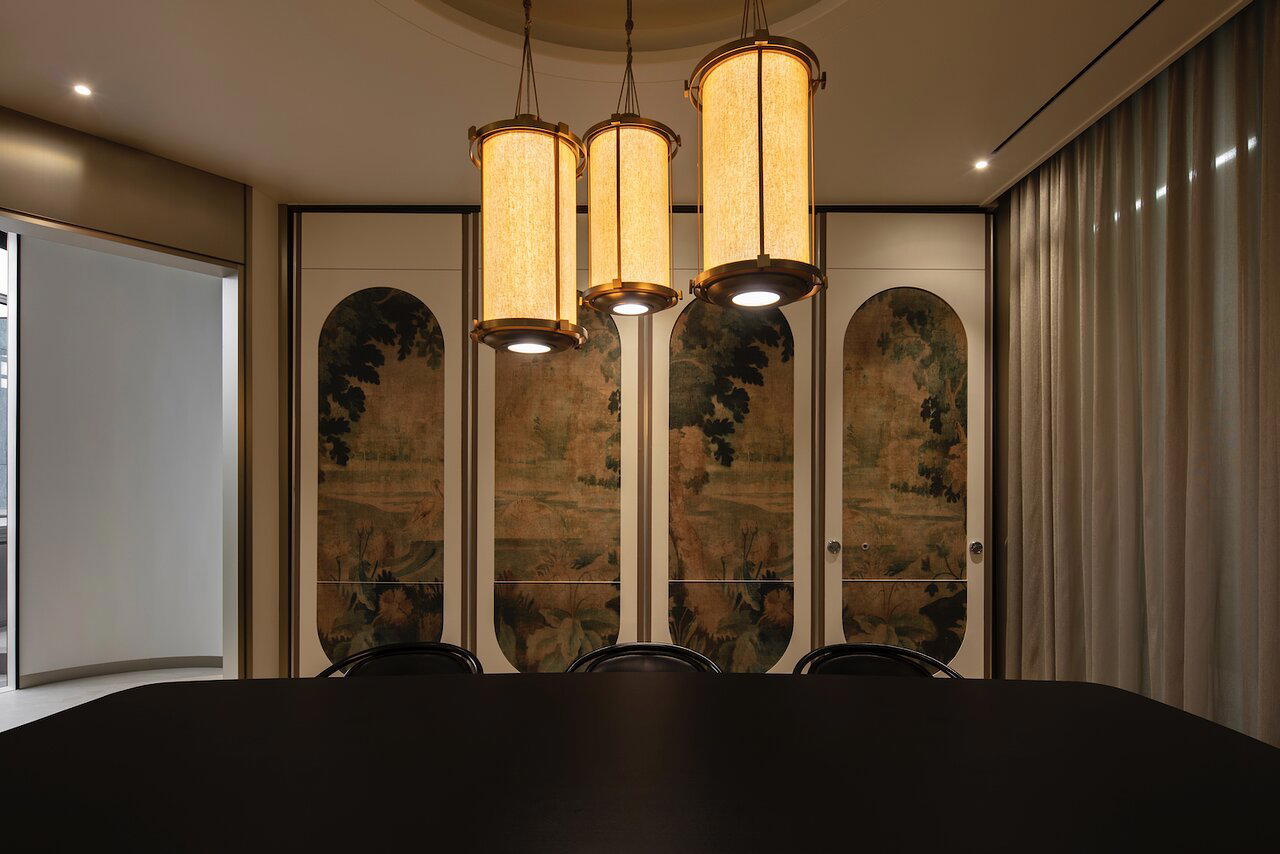
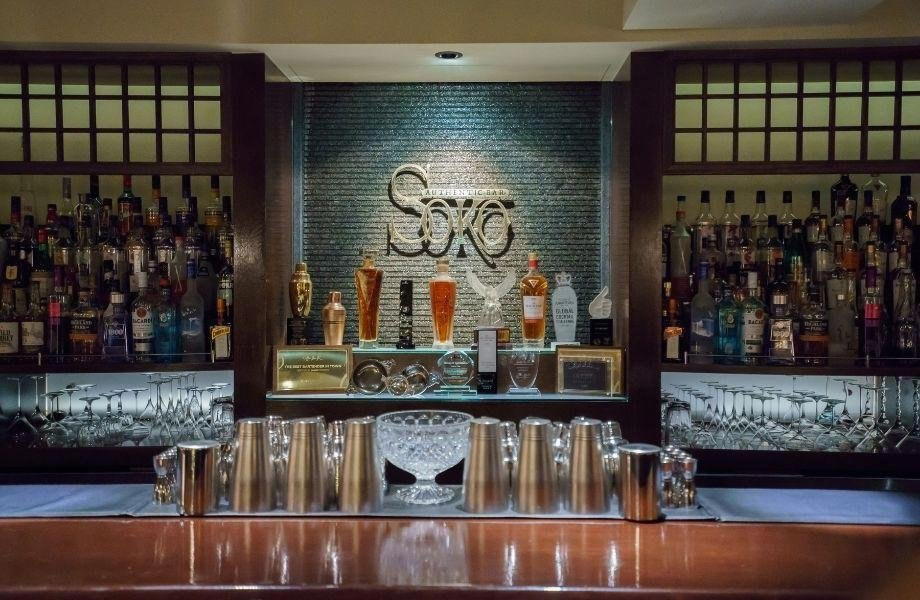
Bars in Seoul
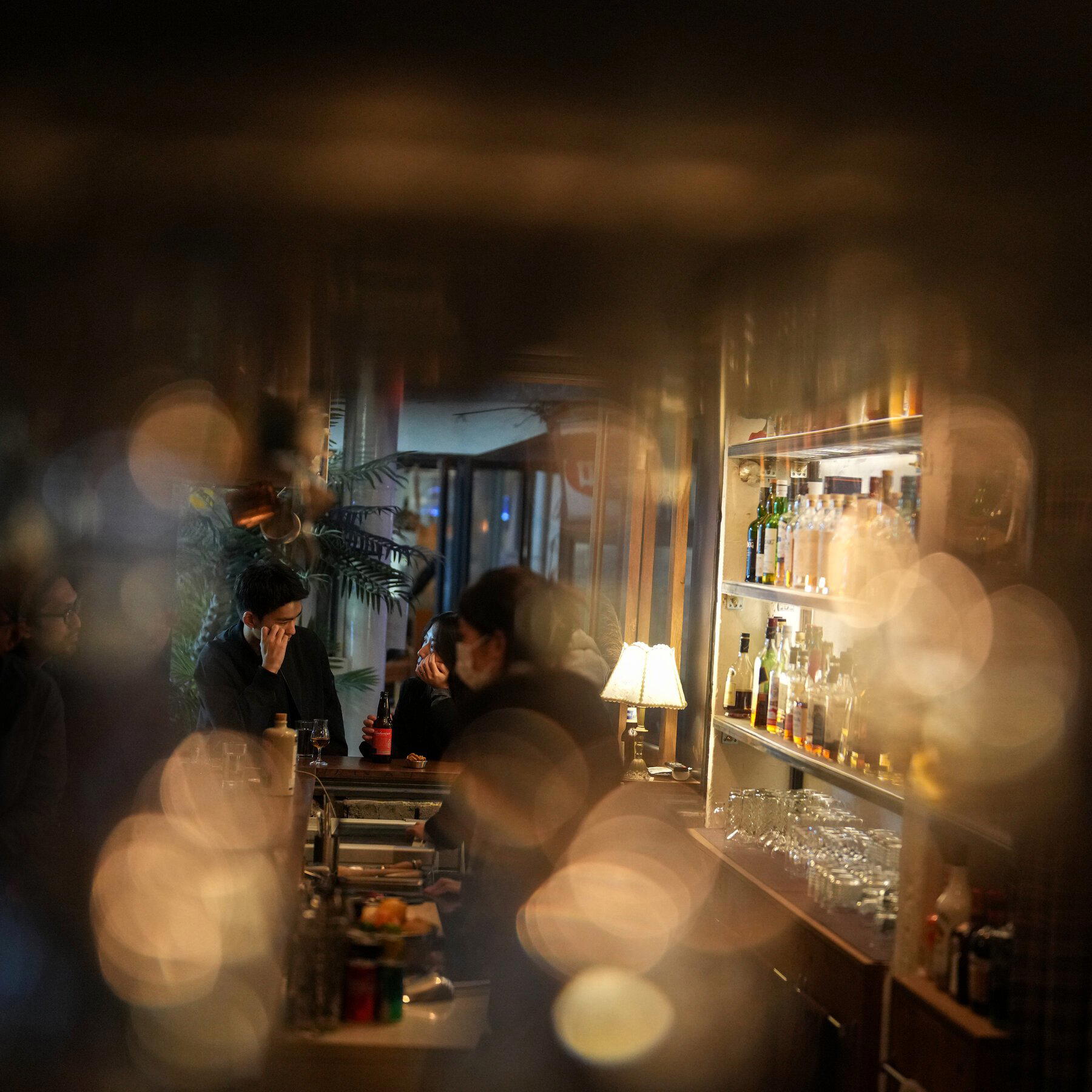
All bars in Seoul →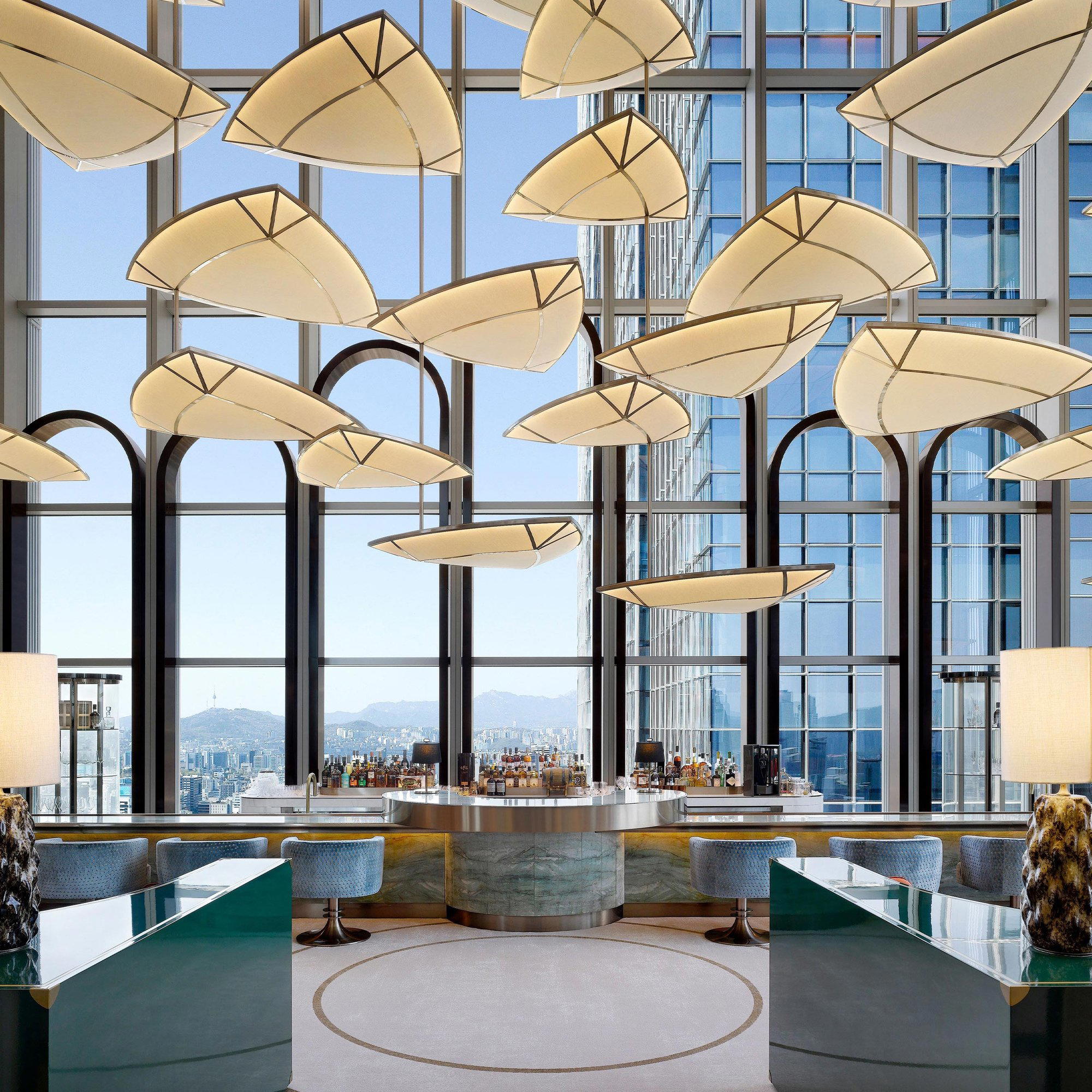
Details
- Classic
- Elegant
- Intimate
- Business Dinner
- Special Occasion
- Group Dining
- Private Dining
- Historic Building
- Set Menu
Current opening hours
- Monday
- 11:30 AM–2:30 PM, 5:30–9:30 PM
- Tuesday
- 11:30 AM–2:30 PM, 5:30–9:30 PM
- Wednesday
- 11:30 AM–2:30 PM, 5:30–9:30 PM
- Thursday
- 11:30 AM–2:30 PM, 5:30–9:30 PM
- Friday
- 11:30 AM–2:30 PM, 5:30–9:30 PM
- Saturday
- 10 AM–2:30 PM, 5:30–9 PM
- Sunday
- Closed
Hours can change for holidays and private events. Hours as of .
Classy, quiet, clean, and organized with private rooms creating an intimate and formal atmosphere.