Jeju Noodle Bar



1 Michelin Star · New York Times Best Restaurants in New York City
Our verdict
Few Korean restaurants in New York operate at the intersection of sushi-grade seafood and deeply built ramyun the way Jeju Noodle Bar does. Holding a Michelin star since 2024 and ranked #171 on Opinionated About Dining's 2025 Casual North America list, Douglas Kim's West Village counter delivers precise, technique-driven bowls at a price point that undercuts its direct peers by a significant margin.

Pearl is the En Primeur Club membership app, where members save venues, book tables and use the concierge.
The menu
What to order
- Toro Ssam Bap with Caviar
- Gochu Ramyun
- Lobster Myun
- Wagyu Ramyun
- Lamb Jajangmyeon
- Fried Chicken with Caviar
West Village, After Dark: The Counter That Recalibrated Korean Noodles in New York
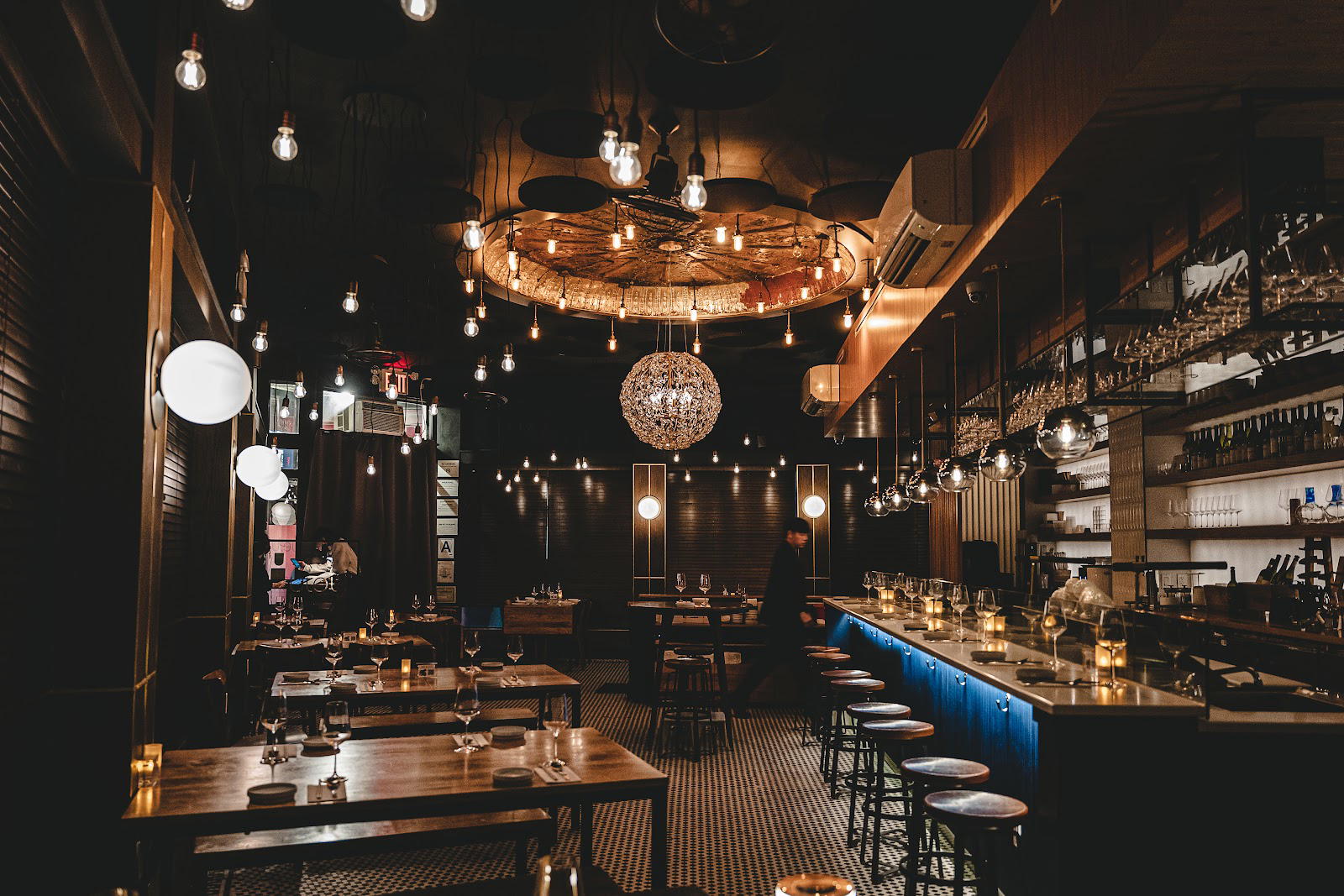
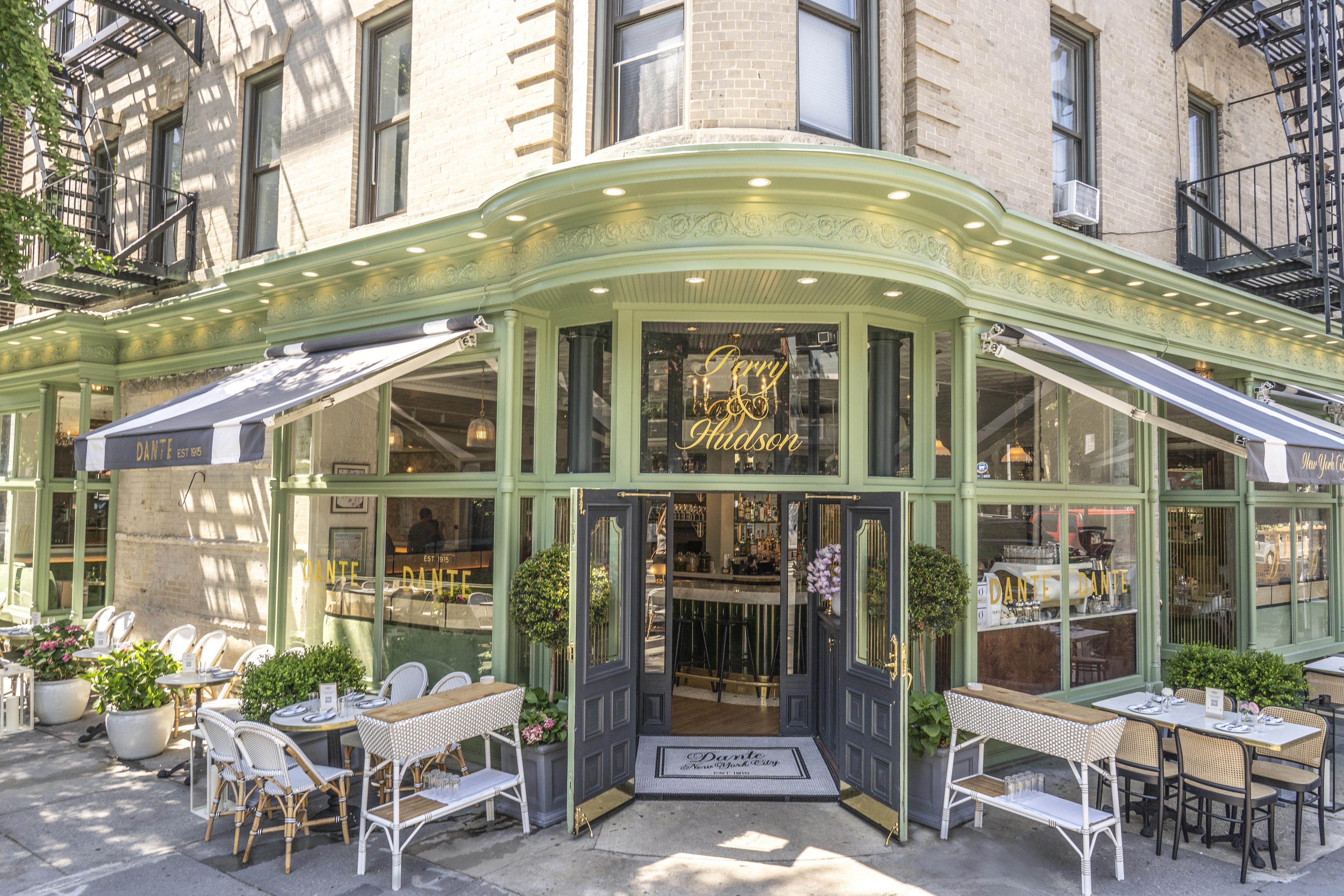
Greenwich Street in the West Village moves at a particular pace after 5 p.m. The neighbourhood's converted townhouses and low-lit restaurant fronts attract a crowd that knows what it wants and has usually booked ahead to get it. That context matters for Jeju Noodle Bar, which occupies a compact room at 679 Greenwich St and runs a format that rewards the dinner hour: a tight, considered menu where sushi-grade seafood and deeply constructed ramyun share equal billing, and where the counter seats facing the kitchen offer a better vantage point than most similarly priced rooms in the city.
New York's Korean dining scene has diverged sharply over the past several years. At one end, restaurants like Atomix operate at the $$$$ tier with multi-course tasting formats designed to sit alongside the city's French fine-dining institutions. At the other end, a cluster of more casual but technically serious Korean addresses has taken hold in Manhattan and Brooklyn, drawing on the same ingredient rigour without the omakase price structure. Jeju Noodle Bar belongs firmly to that second cohort: $$$ pricing, a Michelin star earned in 2024, and a ranking of #171 on Opinionated About Dining's 2025 Casual North America list. Its 2024 OAD position was #191, indicating a programme that is tightening rather than plateauing.
How the Hours Shape the Experience
The editorial angle here is timing, and it genuinely matters. Jeju Noodle Bar opens at 5 p.m. Wednesday through Thursday, and at 3 p.m. Friday through Sunday. The restaurant is closed Monday and Tuesday. That Friday-to-Sunday early opening is one of the more interesting structural decisions in the West Village right now: it creates a late-afternoon window between 3 and 6 p.m. that functions as something between a long weekend lunch and an early dinner.
In practical terms, arriving at 3 p.m. on a Friday or Saturday means a room that is still settling in, quieter, less compressed, with more space to consider the menu and more interaction available from the counter. The kitchen is running the same menu it will serve four hours later, the seafood component is at the same standard, and the ramyun arrives with the same labour-intensive broths. What changes is the atmosphere: the mid-week evening service at similar West Village addresses tends toward a more compressed, table-turn-conscious rhythm. The early weekend window at Jeju sits outside that pressure.
By contrast, arriving mid-evening on a Thursday carries a different texture. The room fills and the counter becomes genuinely dynamic, watching the assembly of each bowl, the temperature management of the seafood, and the way garnishes are placed becomes part of the meal rather than incidental to it. The Michelin inspectors awarded a star to a kitchen operating in that dinner-service mode, and the recognition reflects what the programme does at full pace.
The Menu's Two Registers
Chef Douglas Kim structures the menu across two registers that might seem incongruous until you taste through both. On one side, the seafood preparation draws on sashimi-adjacent technique: scallop, tuna, and amberjack sliced and composed to deliver what the OAD assessment describes as an elegant interplay of bright, tangy and bracing. The pyunche salad with sushi-grade amberjack is a case study in restraint, clean fish, minimal intervention, precise acidity. The toro ssam bap applies similar logic to fatty tuna, adding scrambled egg, tobiko, and toasted seaweed to a preparation that is more complex in execution than it reads on paper.
On the other side, the ramyun section operates at a different register entirely. The OAD citation notes bowls deepened with lobster emulsions, Parmesan foams and enriching bone broths, and the specific framing matters: these are not fusion gestures for their own sake but structural decisions that add body and complexity to a format (ramyun) where the broth is the measure of everything. The gochu ramyun, built on pork bone broth with curly noodles, bean sprouts, and pickled cabbage, has been called a veritable thesis on ace ingredients in the OAD notes, a phrase that reflects something real about how the dish is constructed. The aroma precedes the bowl, which is exactly how a good ramyun should work.
The Persian cucumber kimchi with spicy plum dressing, shiso, and sesame seeds functions as a bridge between the two registers: fermented and acidic like a traditional banchan, but lighter and more herbal in finish than most kimchi preparations at comparable addresses.
The pricing across this programme is, by the standards of Michelin-starred New York, deliberately contained. The OAD citation references a concise number of unique items at a steal of a price, language that reflects a structural choice rather than a cost-cutting constraint. The menu stays tight, the sourcing stays high, and the result is a format where the value proposition is baked into the design rather than offered as a concession.
Placing Jeju in New York's Korean Moment
New York's serious Korean restaurants now span a wide range of formats and price tiers. At the high end, restaurants like Jua and bōm work within the refined tasting-menu structure. Newer addresses including Meju, 8282, and Ariari extend the map further, each with a distinct format and price point. Jeju Noodle Bar's position in that field is defined by two things: the Michelin credential at the $$$ tier (a combination that remains relatively rare in Manhattan), and a menu that does not try to cover all registers of Korean cuisine but instead commits to the seafood-plus-noodle duality and executes it at a consistently high level.
For context on what a Michelin star means at this price point in New York, it is worth noting that the three-star tier, represented by Le Bernardin, Eleven Madison Park, Masa, and Per Se, operates at $$$$ and typically involves set multi-course formats with per-head costs that can reach several hundred dollars before wine. Jeju holds its star at a fraction of that spend. The comparison set within OAD's Casual North America ranking is more useful: at #171 in 2025, the restaurant sits in peer company with other technically serious, informally presented programmes that prioritise kitchen rigour over room theatrics.
For readers approaching Korean cuisine from a Seoul reference point, the relevant comparisons are different. Restaurants like Mingles and Kwonsooksoo in Seoul operate in a higher-formality register, with multicourse structures that explore Korean culinary tradition at length. Jeju's contribution to the broader conversation is to demonstrate what Korean-inflected technique can achieve in a shorter, more casual format without losing precision.
For those building a wider picture of dining in the city, our full New York City restaurants guide maps the broader scene, and our full New York City hotels guide, bars guide, wineries guide, and experiences guide cover the rest. Among Michelin-starred restaurants across the United States, the format at Jeju also invites comparison with other chef-driven, technically focused rooms: Lazy Bear in San Francisco, Alinea in Chicago, Single Thread Farm in Healdsburg, The French Laundry in Napa, Providence in Los Angeles, and Emeril's in New Orleans each represent a different version of the same underlying commitment to kitchen precision.
Planning Your Visit
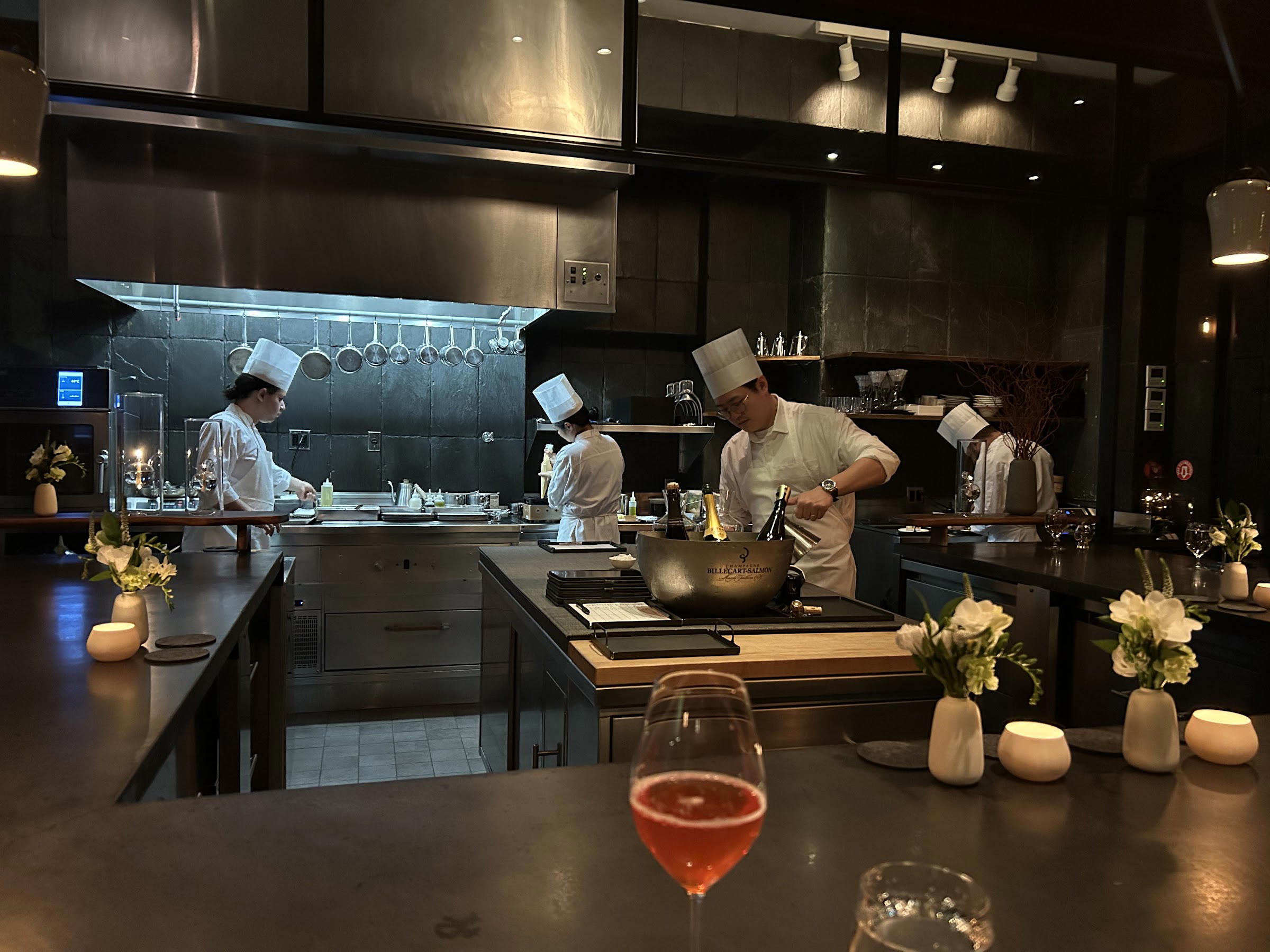
Address: 679 Greenwich St, West Village, Manhattan. Hours: Wednesday and Thursday, 5–10 p.m.; Friday through Sunday, 3–10 p.m.; closed Monday and Tuesday. Pricing: $$$, a Michelin-starred programme at a price point well below the city's four-star tier. Counter vs. table: The counter is the preferred seat; it faces the kitchen and allows you to watch each dish assembled in real time. Timing: The 3 p.m. Friday-to-Sunday opening creates a quieter early window that runs differently from the compressed mid-evening service; if the atmosphere of a full dinner push is what you want, aim for 7 p.m. or later. Reservations: Booking ahead is advisable given the room's capacity and the consistent OAD recognition, walk-in availability at peak times is limited. Dress: No stated dress code; the room's casual format sets the tone.
What Should I Eat at Jeju Noodle Bar?
The OAD citation, which has ranked the restaurant in its Casual North America list across 2023 (Highly Recommended), 2024 (#191), and 2025 (#171), and the Michelin star (2024) together point toward a kitchen with two areas of clear strength. On the seafood side, the pyunche salad with sushi-grade amberjack and the toro ssam bap with fatty tuna, scrambled egg, tobiko, and toasted seaweed are the preparations that have drawn the most consistent recognition. On the ramyun side, the gochu ramyun built on pork bone broth is the dish the OAD inspectors called a thesis on ingredient quality. The Persian cucumber kimchi with spicy plum dressing and sesame seeds is noted as a strong supporting item. The kitchen keeps the menu concise, which means the items that appear on it are there deliberately, ordering across both registers (seafood and noodle) gives the clearest read on what the programme is doing.
The Minimal Set
A quick snapshot of similar venues for side-by-side context.
| Venue | Cuisine | Price | Awards | Notes |
|---|---|---|---|---|
| Jeju Noodle BarThis venue (the venue you are viewing) | Modern Korean Noodle Bar | $100–150 | 1 Michelin Star · New York Times Best Restaurants in New York City | Not listed |
| Le Bernardin | French Seafood Fine Dining | $300–500 | 3 Michelin Stars · World's 50 Best #13 | French, Seafood |
| Atomix | Modern Korean Tasting Menu | $300–500 | 2 Michelin Stars · World's 50 Best #7 | Modern Korean, Korean |
| Masa | Seasonal Hokkaido Tempura Omakase | $150–200 | Tabelog 100 #34 | Sushi, Japanese |
| Per Se | French Fine Dining Tasting Menu | $300–500 | 3 Michelin Stars · World's 50 Best #40 | French, Contemporary |
| Eleven Madison Park | Contemporary Plant-Based Fine Dining | $300–500 | 3 Michelin Stars · World's 50 Best #4 | French, Vegan |
Recognition history
Dated appearances from independent guides and award organizations, with the underlying list record or original source where available.
Michelin 1 Star
Michelin
Opinionated About Dining Casual in North America Highly Recommended
Opinionated About Dining
New York Times Best Restaurants in New York City
New York Times
Full recognition history (7 entries)
Opinionated About Dining Casual in North America Ranked #171
Opinionated About Dining
Michelin 1 Star
Michelin
Opinionated About Dining Casual in North America Ranked #191
Opinionated About Dining
Opinionated About Dining Casual in North America Highly Recommended
Opinionated About Dining
Continue exploring
More in New York City
Restaurants in New York City
All restaurants in New York City →
Bars in New York City
All bars in New York City →




Details
- Modern
- Elegant
- Intimate
- Trendy
- Date Night
- Special Occasion
- Open Kitchen
- Chefs Counter
- Design Destination
- Extensive Wine List
- Natural Wine
- A La Carte
- Counter Dining
- Small Plates
- Wine
- Natural Wine
- Pescatarian Friendly
Current opening hours
- Monday
- Closed
- Tuesday
- Closed
- Wednesday
- 5–10 p.m.
- Thursday
- Closed
- Friday
- Closed
- Saturday
- Closed
- Sunday
- Closed
Hours can change for holidays and private events. Hours as of .
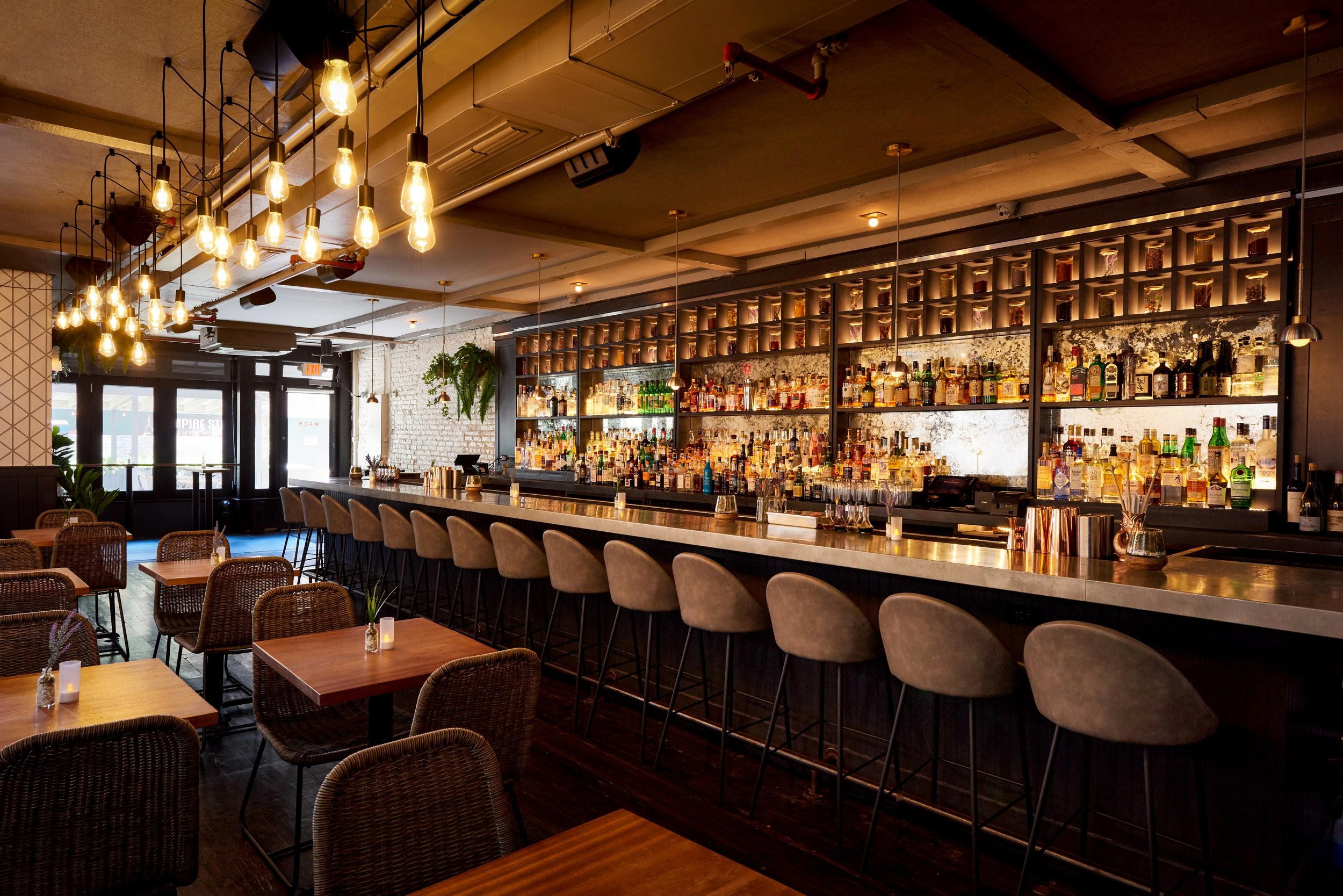
Sleek wood and tile interiors with Edison bulbs and perfectly tuned LED table lamps providing optimal lighting; quiet and calm atmosphere that feels transported from the busy street outside.