DOSA

DOSA earned its Michelin star in 2024, making it one of London's most notable Korean restaurants and a rare fine-dining destination in the outer east London suburbs. Located on Cranbrook Road in Gants Hill, it holds,000 reviews. The ££££ pricing places it in the same bracket as central London's established fine-dining rooms, yet it operates well outside Zone 1.
- Address
- 426 Cranbrook Rd, Gants Hill, Ilford IG2 6HW, UK
- Phone
- +44 20 8518 3644
- Website
- royalespicydosa.co.uk
- Directions
- Get directions
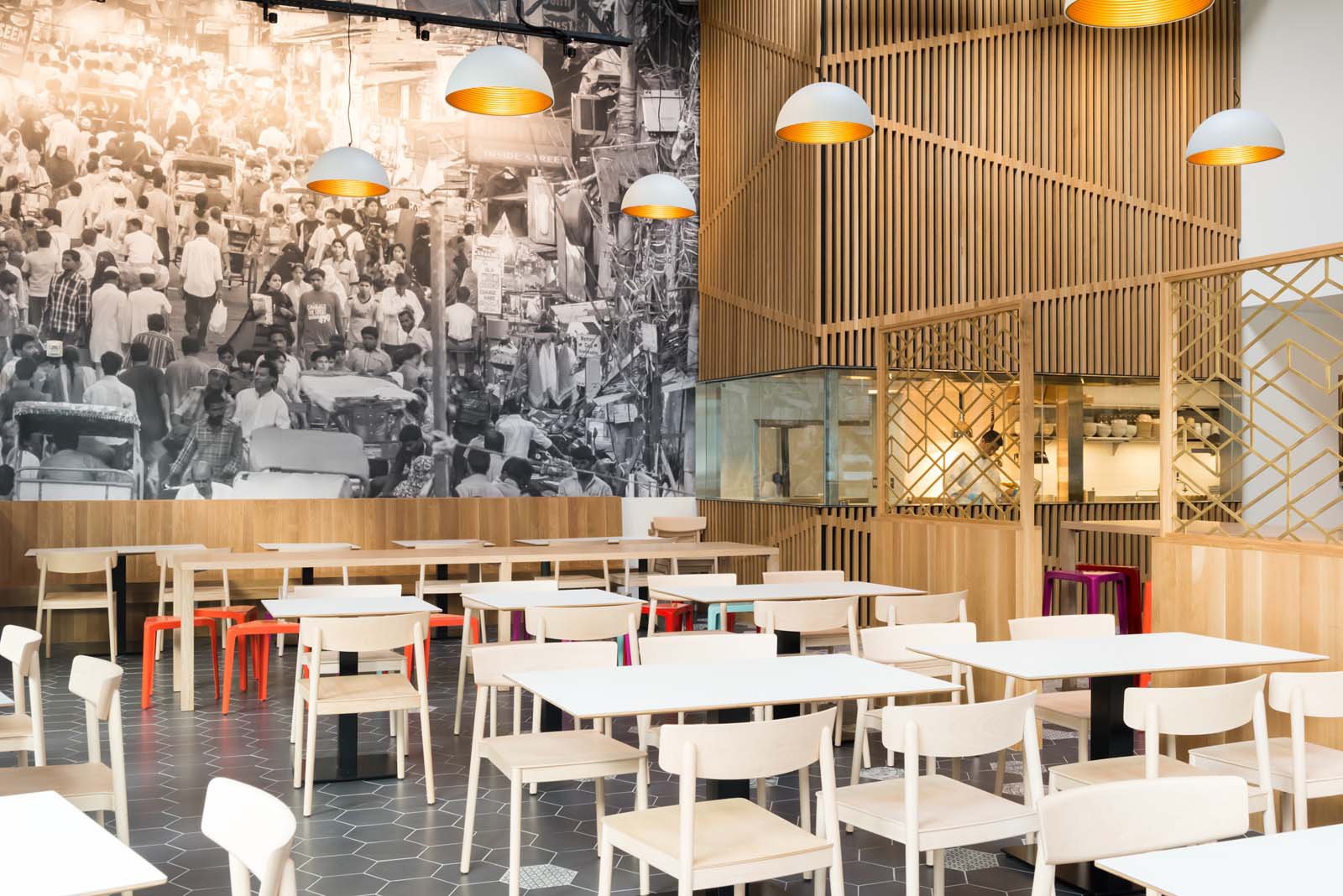
A Star in the Suburbs: Korean Fine Dining Beyond Zone 1
Gants Hill is not where London's fine-dining map has traditionally pointed. The high street on Cranbrook Road runs through a dense east London suburb whose restaurant scene has long been shaped by the area's South Asian communities rather than by the kind of tasting-menu ambition that draws critics from central London. That context makes DOSA's Michelin star, awarded in the 2024 guide, one of the more geographically surprising distinctions the guide has handed out in recent years. The address, 426 Cranbrook Rd, IG2, sits well east of Zone 1, at a remove from the Mayfair and Chelsea rooms that typically anchor London's fine-dining conversation alongside places like CORE by Clare Smyth, Restaurant Gordon Ramsay, Sketch, The Lecture Room and Library, and The Ledbury. That DOSA now sits in the same starred tier as those central rooms says something worth attending to about how the Michelin guide has been reading London's evolving restaurant geography.
Korean Fine Dining and Its Current Trajectory
Korean cuisine has undergone a significant repositioning in international fine-dining over the past decade. The Seoul dining scene, anchored by rooms like Mingles and Kwonsooksoo, established a critical language around refined Korean cooking that Western guides have since begun to apply in their own cities. London has been slower to develop that tier than some other European capitals, which is part of why DOSA's recognition carries the weight it does. The cuisine category listed in the record is Korean, and the ££££ pricing signals a format aimed at the fine-dining end of that bracket, not the affordable everyday Korean that dominates New Malden or the casual barbeque spots spread across central London, but something structurally closer to the omakase and tasting-menu model that has reshaped how premium Asian cooking is presented and priced in Western cities.
For London's Korean restaurant scene specifically, a Michelin star represents a meaningful threshold. It places DOSA in a peer conversation with the handful of Korean-led rooms across the UK that have attracted sustained critical attention, and it connects the venue to a wider international trajectory in which Korean technique and ingredient thinking are being held to the same standards of rigour and originality that Michelin has long applied to French and Japanese kitchens. That shift has been building for years; the 2024 star is an arrival point in that arc, not a departure.
The Evolution That a Suburban Star Represents
Gants Hill as a fine-dining address is new information for most of London's restaurant-going public, and DOSA's trajectory from local Korean restaurant to Michelin-starred room is representative of a broader pattern in which serious cooking has been decoupling from the expensive real estate of central postcodes. That decoupling has accelerated in London since the mid-2010s, as central-London rent pressures made ambitious tasting-menu formats economically difficult without high cover prices. Outer suburban addresses offer lower fixed costs, a loyal local customer base, and, increasingly, the willingness of critics and guides to travel. The result is a more distributed map of serious cooking across the capital.
That volume of reviews at that score is not a new-opening phenomenon; it reflects an accumulated relationship with a specific community of diners who were engaging seriously with the food well before Michelin arrived. The star, in that context, is the guide catching up rather than the restaurant changing direction. London has seen this pattern before in different cuisines and different postcodes, and it consistently produces particularly durable fine-dining destinations in the city.
How DOSA Sits in London's Wider Starred Tier
The ££££ price range places DOSA in London's fine-dining bracket. At that price point, the competitive reference set is no longer just Korean restaurants; it becomes the full spread of London's fine-dining rooms. The question any diner paying at that level will reasonably ask is what this experience offers that a comparable evening at a more established central-London room would not.
Elsewhere in the UK's starred tier, rooms like The Fat Duck in Bray, L'Enclume in Cartmel, Moor Hall in Aughton, Gidleigh Park in Chagford, Hand and Flowers in Marlow, and hide and fox in Saltwood have all demonstrated that serious dining audiences will travel outside capital city centres for cooking that justifies the journey. DOSA is now in that category, even if it sits on a different axis, a suburban east London address rather than a rural village. For London-based diners, the journey is a Tube ride.
London's Korean dining scene also now includes Miga, which represents another data point in the broader development of serious Korean cooking in the capital. The two restaurants together suggest that London's Korean fine-dining tier has reached a level of depth and ambition that merits its own critical framework, separate from the broader pan-Asian category in which Korean cooking was often grouped by earlier guides.
DOSA is located at 426 Cranbrook Rd, Gants Hill, Ilford IG2 6HW, UK. Price range: ££££. Awards: Michelin 1 Star (2024). Dress code is casual and reservations are recommended.
Cost Snapshot
Comparable venues nearby, for context on price, style, and recognition.
| Venue | Cuisine | Price | Awards | Notes |
|---|---|---|---|---|
| DOSAThis venue — the venue you are viewing | Mayfair, Authentic South Indian | $$ | Michelin 1 Star | Not listed |
| Kricket | Not listed | $$ | Bib Gourmand | Piccadilly Circus, Modern Indian Small Plates |
| Plaza Khao Gaeng | St Giles, Southern Thai Street Food | $$ | Bib Gourmand | Not listed |
| AngloThai | Not listed | $$$ | Michelin 1 Star | Marble Arch, Modern Anglo-Thai Fine Dining |
| Westerns Laundry | Not listed | $$$ | Bib Gourmand | Highbury, Modern Mediterranean Seafood Small Plates |
| Kanishka | Mayfair, Modern Indian Fine Dining | $$$ | Michelin Plate | Not listed |
Recognition history
Dated appearances from independent guides and award organizations, with the underlying list record or original source where available.
Michelin 1 Star
Michelin
Continue exploring
More in London
Restaurants in London
Browse all →
Bars in London
Browse all →
Hotels in London
Browse all →



At a Glance
- Casual
- Casual Hangout
- Family
Casual and busy atmosphere with basic decor that some guests note needs cleaning.