Joo052

Priced in the mid-range bracket for Seoul dining, it represents the accessible end of the city's recognised Korean table, approachable in cost without stepping outside serious culinary territory.
Pearl is the En Primeur Club membership app — saves, bookings, and concierge access live there. Same editors, same standards.
- Address
- 26 Gosanja-ro 14-gil, Seongdong-gu, Seoul, 04750, South Korea
- Phone
- +82 2-2281-0343
- Directions
- Get directions
 Saves & bookings on Pearl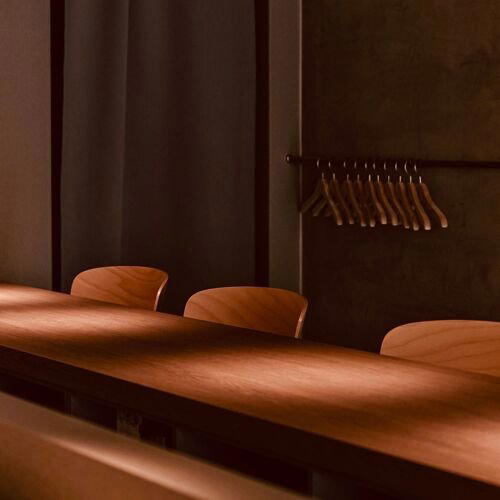
A Street in Seongdong-gu, and What It Tells You About Seoul Dining
Gosanja-ro sits in Seongdong-gu, a district that has spent the past decade accumulating the kind of low-key credibility that Itaewon used to hold before it became a destination in its own right. The streets here still feel like they belong to the city rather than to visitors, and the restaurants that earn recognition in this part of Seoul tend to do so through consistent cooking rather than high-profile positioning.
The Michelin Plate designation matters here in a specific way. It signals that Michelin inspectors have crossed the threshold and found cooking worth noting. For a Korean restaurant operating at the ₩₩ price point, that combination is relatively rare and, for the value-conscious reader, fairly significant.
How a Korean Meal at This Level Is Structured
Korean dining at a recognised mid-range table generally follows patterns rooted in centuries of banchan culture, where the architecture of a meal is understood through accumulation rather than a single centrepiece. A well-sequenced Korean meal at this tier typically opens with a series of small prepared sides, fermented vegetables, seasoned greens, braised proteins, that establish the cook's palate and technique before any main dish arrives. These early plates carry more diagnostic weight than they might in other traditions: the balance of salt and acid in kimchi, the texture of japchae, the ratio of fat to soy in a braised dish all tell you whether the kitchen is operating from memory or from attention.
The progression through a Korean meal of this kind tends to move from lighter, cleaner flavours toward deeper, more fermented or braised ones. A well-timed doenjang jjigae, the fermented soybean paste stew that sits at the heart of everyday Korean cooking, arrives when the palate is primed for umami depth rather than brightness. Rice, which in most Western meal structures functions as a neutral backdrop, in Korean dining acts as a pacing mechanism: when it arrives, it signals that the banchan sequence is complete and that the meal is entering its final register. Ganjang (soy sauce) and gochujang (fermented chilli paste) based preparations often bookend this arc, one lending salinity and the other building heat across courses.
At the ₩₩ price point, a kitchen earning Michelin recognition is not working with the imported or rarefied ingredients that characterise venues like Gaon at the higher end of the Seoul Korean spectrum. Instead, the craft shows in sourcing seasonal Korean produce, in fermentation timing, and in the precision of heat management across a range of techniques, grilling, braising, steaming, raw preparation, that a traditional Korean menu demands simultaneously.
Seongdong-gu in the Wider Seoul Context
Seoul's restaurant geography has become more distributed over the past five years. Gangnam still anchors the highest concentration of starred Korean and contemporary tables, venues like Kwon Sook Soo in Gangnam-gu operate in a competitive cluster where multiple Michelin-recognised addresses sit within short walking distance of each other. Seongdong-gu occupies a different position: lower density of high-profile restaurants, higher proportion of places that feed the neighbourhood first and attract destination diners second. For visitors who have already covered the well-signposted Gangnam circuit, Seongdong-gu restaurants that hold Michelin recognition represent a different kind of Seoul experience, one that reads more like the city at its working pace.
The address on Gosanja-ro 14-gil is accessible from central Seoul. Seongdong-gu is served by the Seoul Metro's 2 Line and Suin-Bundang Line through stations including Wangsimni and Seongsu, the latter of which has become a secondary cultural hub in its own right, known for creative industry tenants and a cluster of independent food and beverage businesses that have drawn comparisons to the early phase of Itaewon's rise. Joo052's position in this district places it in a neighbourhood that is still more Seoul than it is Seoul-for-visitors, which, depending on your priorities, is either a feature or a footnote.
Where Joo052 Sits Against the Korean Dining Spectrum
Seoul's Korean restaurant tier currently spans from neighbourhood set-meal houses through to the rarefied court-cuisine traditions preserved at places like Onjium. The middle of that range, Michelin-noted, accessible in price, Korean in focus rather than Korean-inflected contemporary, is actually a smaller category than the city's reputation for density might suggest. Most of the Michelin attention in Seoul has concentrated at either the starred contemporary Korean end or the high-end tasting-menu end; straightforwardly traditional Korean cooking at a recognised quality level without a premium price tag represents a specific niche.
For visitors arriving from markets where Korean food is still primarily understood through bōm in New York City, DOSA in London, or Jeju Noodle Bar, a mid-range Michelin-noted Korean table in Seoul provides a useful calibration point: what the tradition tastes like when it is not being interpreted for an unfamiliar audience, and what a kitchen can do with classical Korean technique when the price point demands efficiency over elaboration.
Korean food at its traditional core is also worth comparing across geographies beyond Seoul. Mori in Busan represents the southern port city's approach to recognised dining, while temple food traditions documented at places like Baegyangsa Temple in Jangseong-gun sit at the furthest point from urban commercial dining on the Korean culinary spectrum. Joo052's Seongdong-gu address sits somewhere between those poles: urban, commercially minded, accessible, and, based on the consistency of its reviews and its Michelin recognition, delivering Korean cooking that earns its place in the city's wider map.
Planning Your Visit
Joo052 is located at 26 Gosanja-ro 14-gil, Seongdong-gu, Seoul. Reservations are essential. Given the Michelin Plate recognition for 2025, demand is likely to exceed walk-in capacity during peak Seoul dining hours, early evening service on weekends in particular. The ₩₩ price range positions this as a realistic mid-week or lunch option even for travellers on tighter Seoul dining budgets who want at least one meal at a Michelin-noted Korean table.
Cuisine and Awards Snapshot
Comparable venues nearby, for context on price, style, and recognition.
| Venue | Cuisine | Price | Awards | Notes |
|---|---|---|---|---|
| Joo052This venue — the venue you are viewing | Contemporary Korean Bistronomie | $$$ | Michelin Plate | Not listed |
| Lee Buk Bang | Modern North Korean Sundae Omakase | $$$ | Michelin Plate | 노고산동 |
| Haenam Cheonilgwan | Traditional Namdo Korean Cuisine | $$$ | Michelin Plate | 반포본동 |
| Hanmiok | Modern Korean BBQ | $$$ | Not listed | 압구정동 |
| Sooksoodoga | Modern Korean Aged Beef BBQ | $$ | Michelin Plate | Dongseon-dong |
| Mater | Asian Nordic Fusion with Fermentation Focus | $$$ | Michelin Plate | 압구정동 |
Recognition history
Dated appearances from independent guides and award organizations, with the underlying list record or original source where available.
Michelin Plate
Michelin
Michelin Plate
Michelin
Continue exploring
More in Seoul
Restaurants in Seoul
Browse all →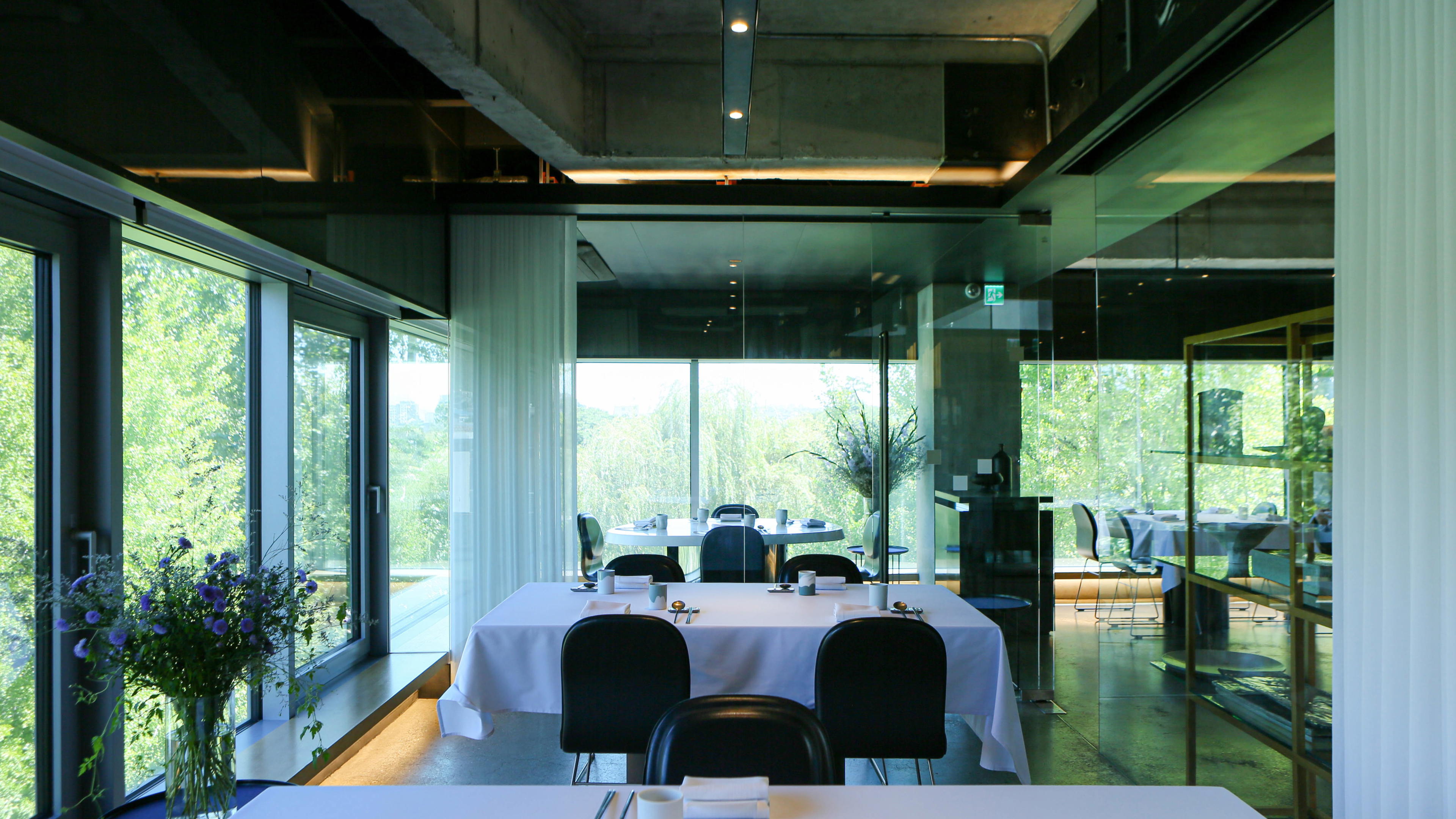
At a Glance
- Modern
- Trendy
- Whimsical
- Intimate
- Date Night
- Special Occasion
- Group Dining
- Open Kitchen
- Design Destination
- Sommelier Led
- Farm To Table
- Local Sourcing
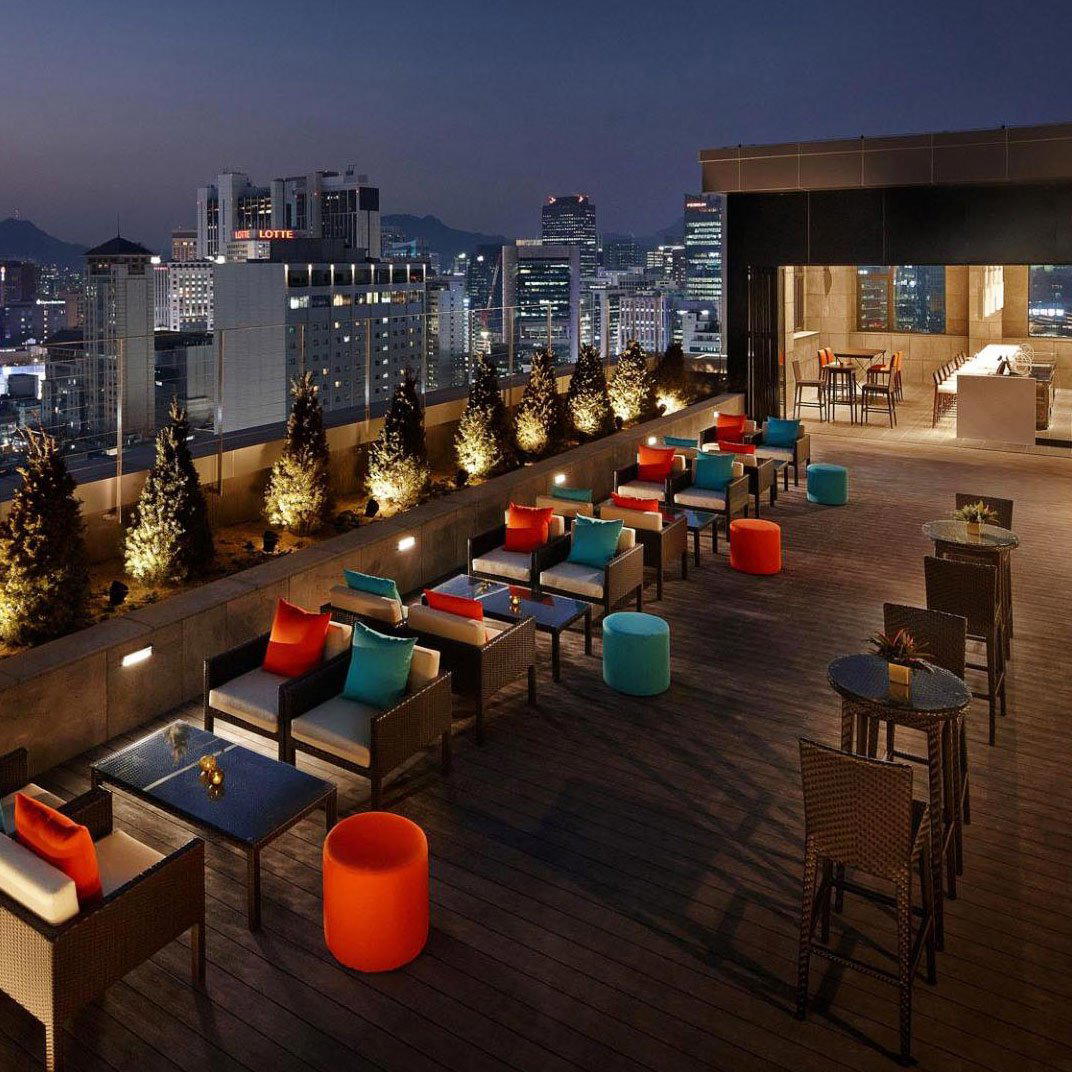
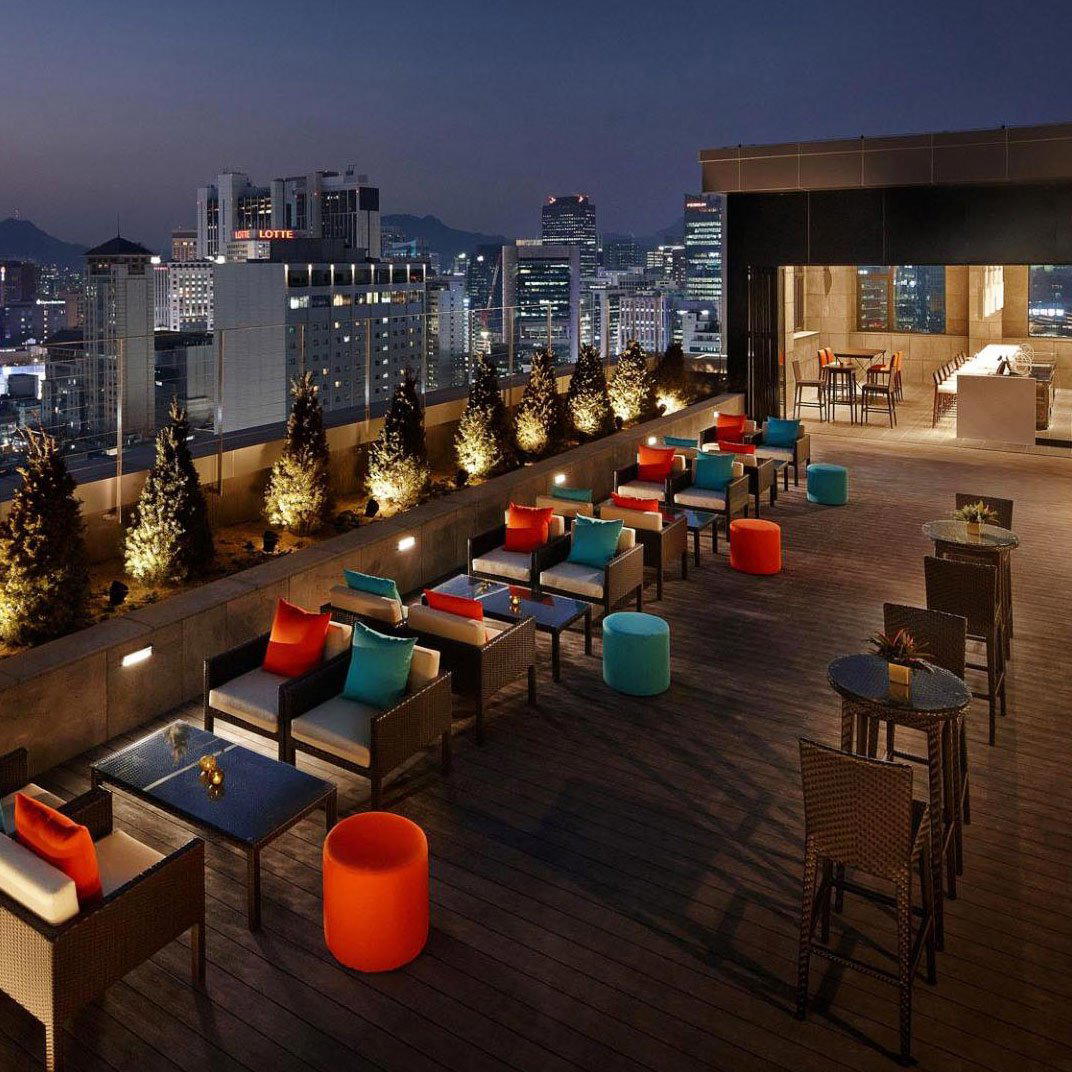
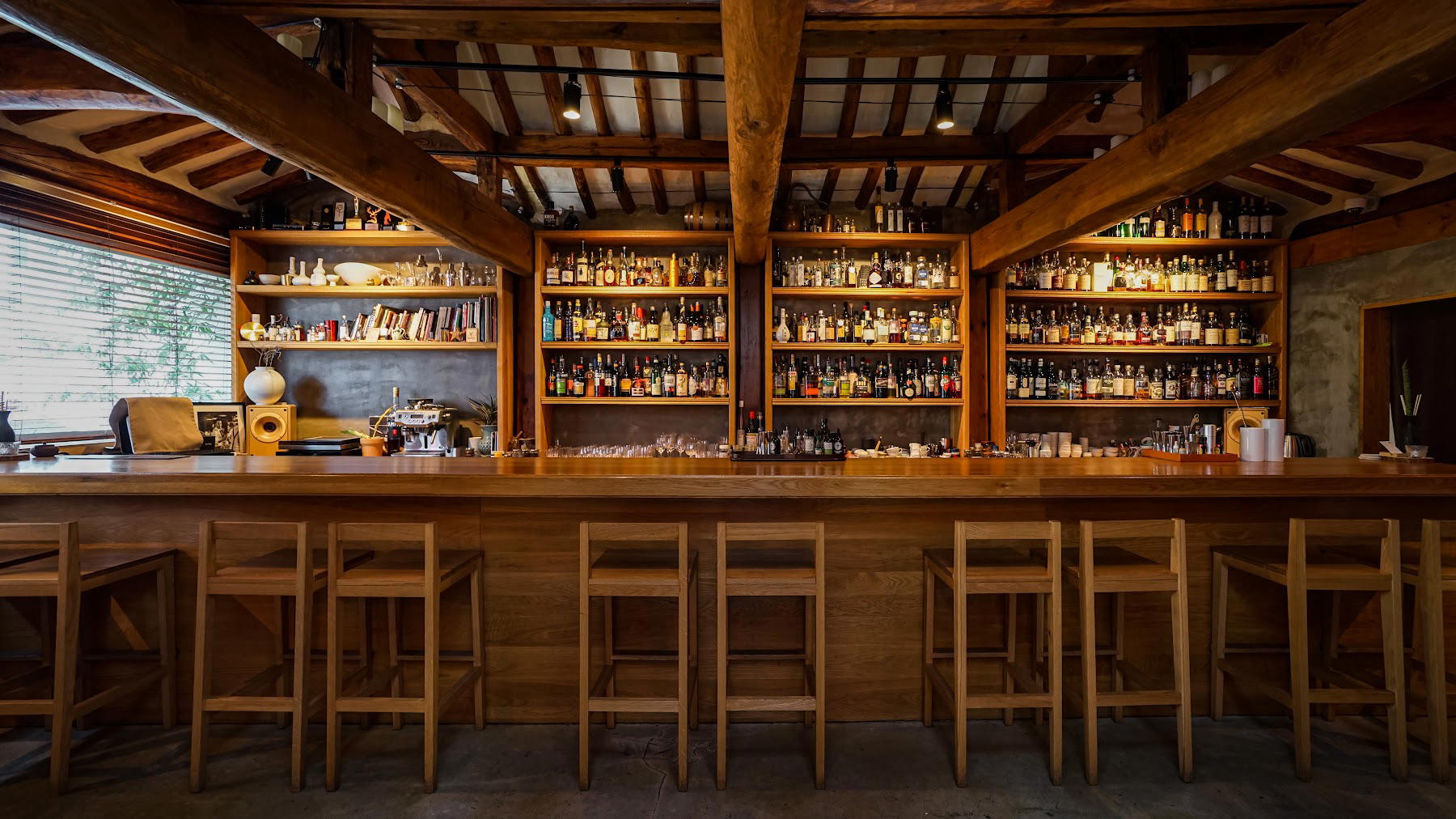
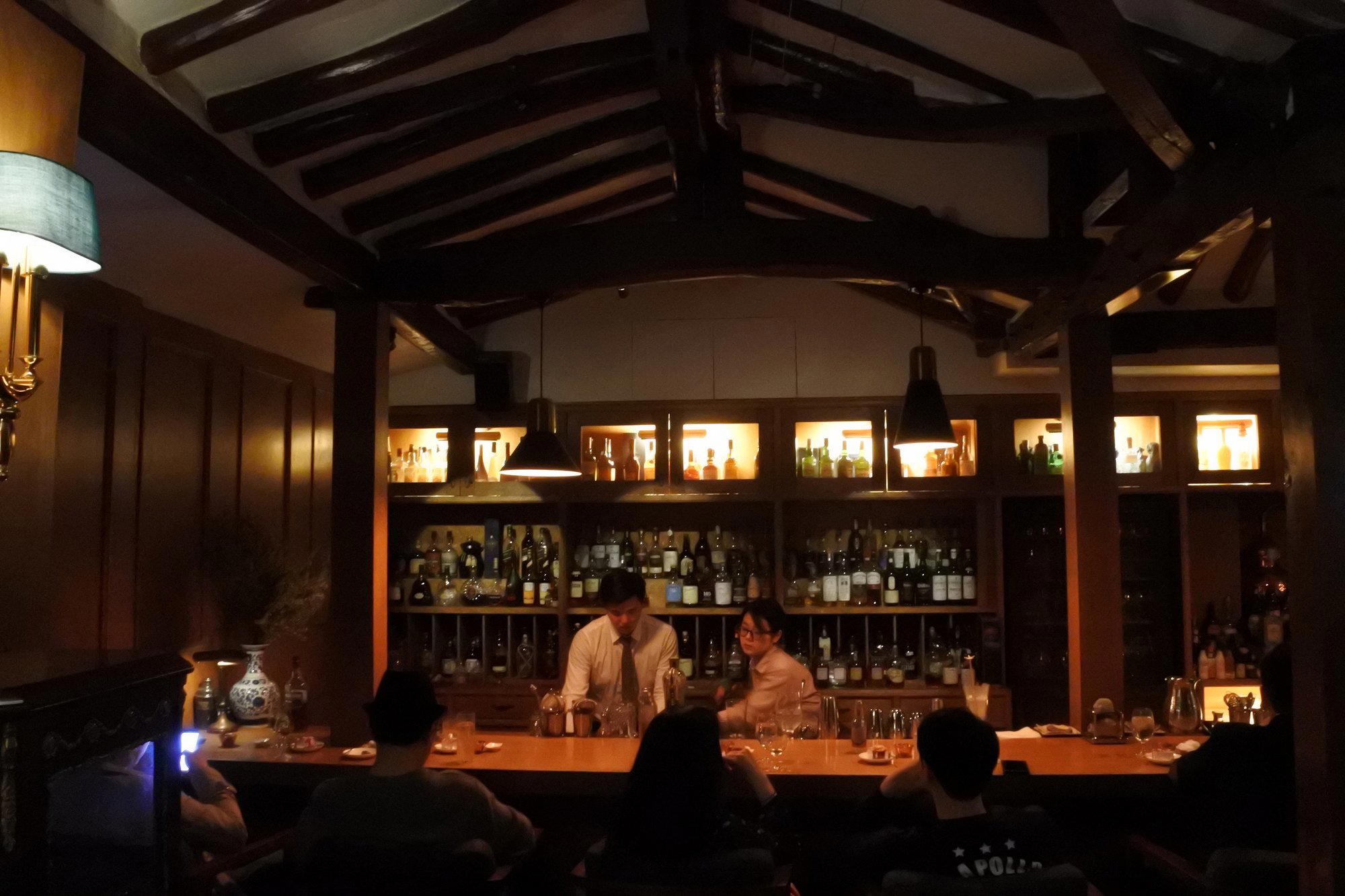
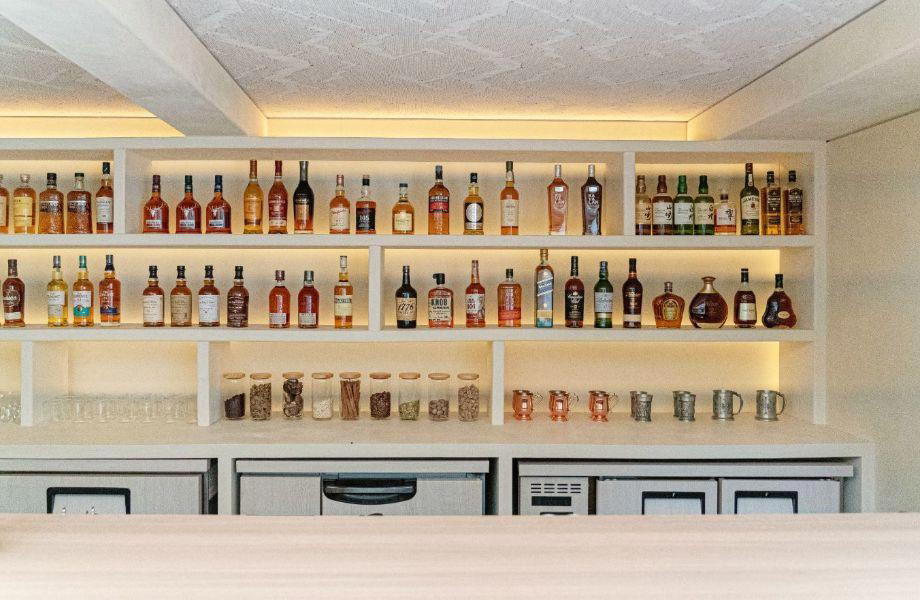
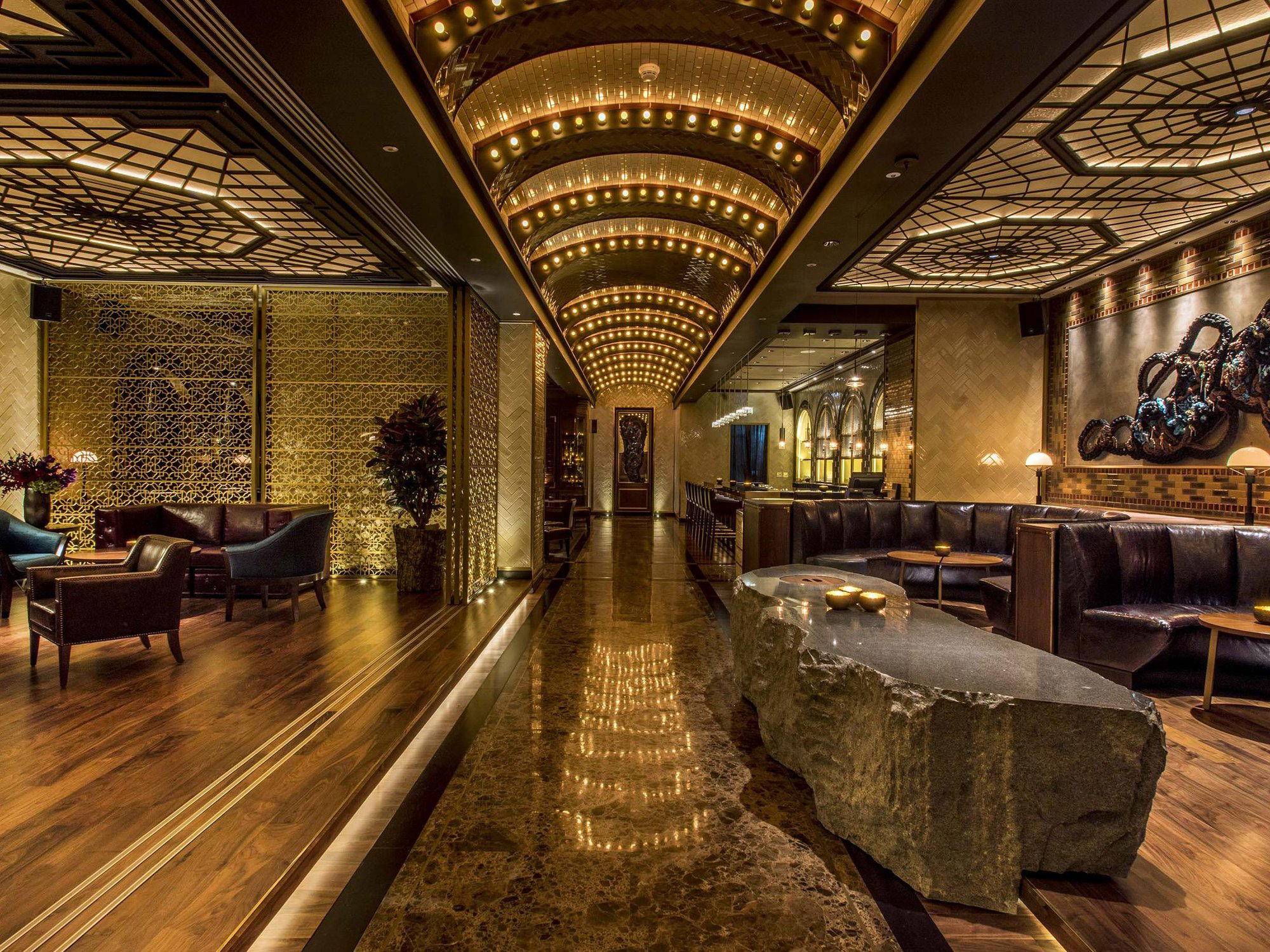
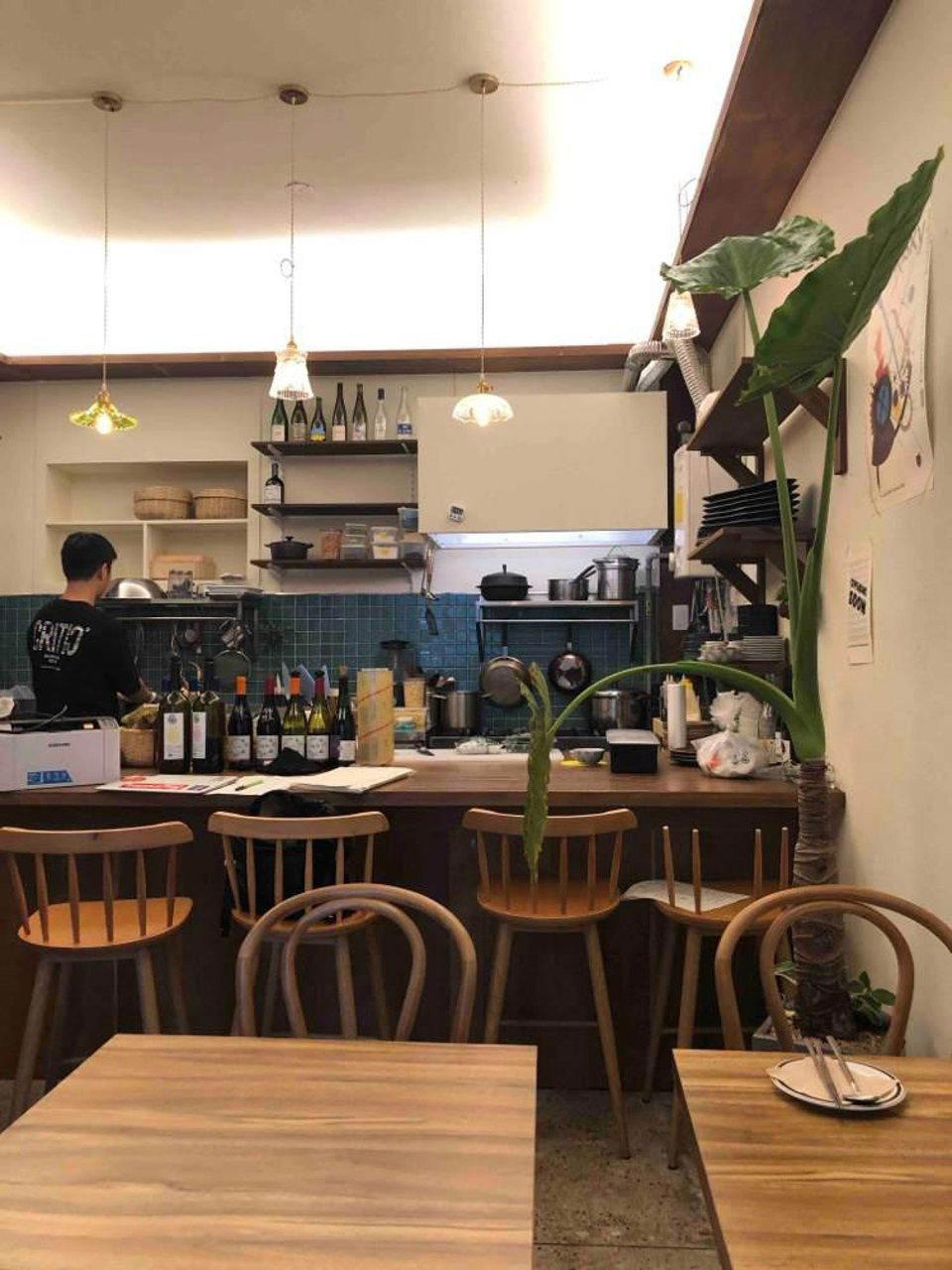
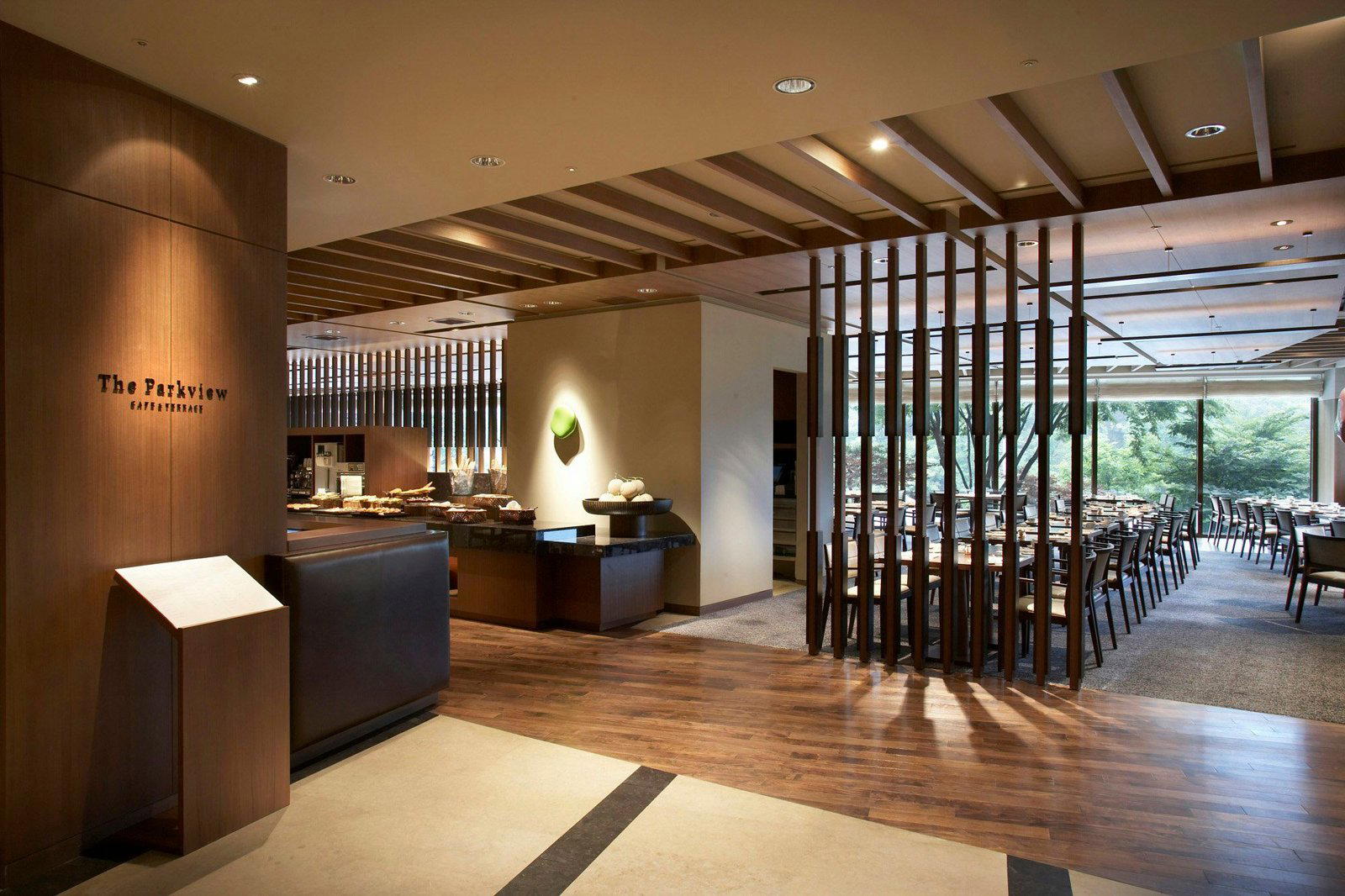
Dark, moody setting with modern minimalist design that draws focus to the food; youthful and contemporary atmosphere.