Guiyu Family Noodles sits inside Hangzhou's everyday noodle culture, where handmade wheat and rice preparations carry as much local identity as the city's celebrated banquet kitchens. The restaurant operates in a register that formal Zhejiang dining rarely touches, placing it alongside the neighbourhood spots that sustain the city's food memory between special occasions. For visitors mapping Hangzhou's full range, it belongs on the itinerary.
Pearl is the En Primeur Club membership app — saves, bookings, and concierge access live there. Same editors, same standards.
- Address
- Hangzhou, China
- Directions
- Get directions
 Saves & bookings on Pearl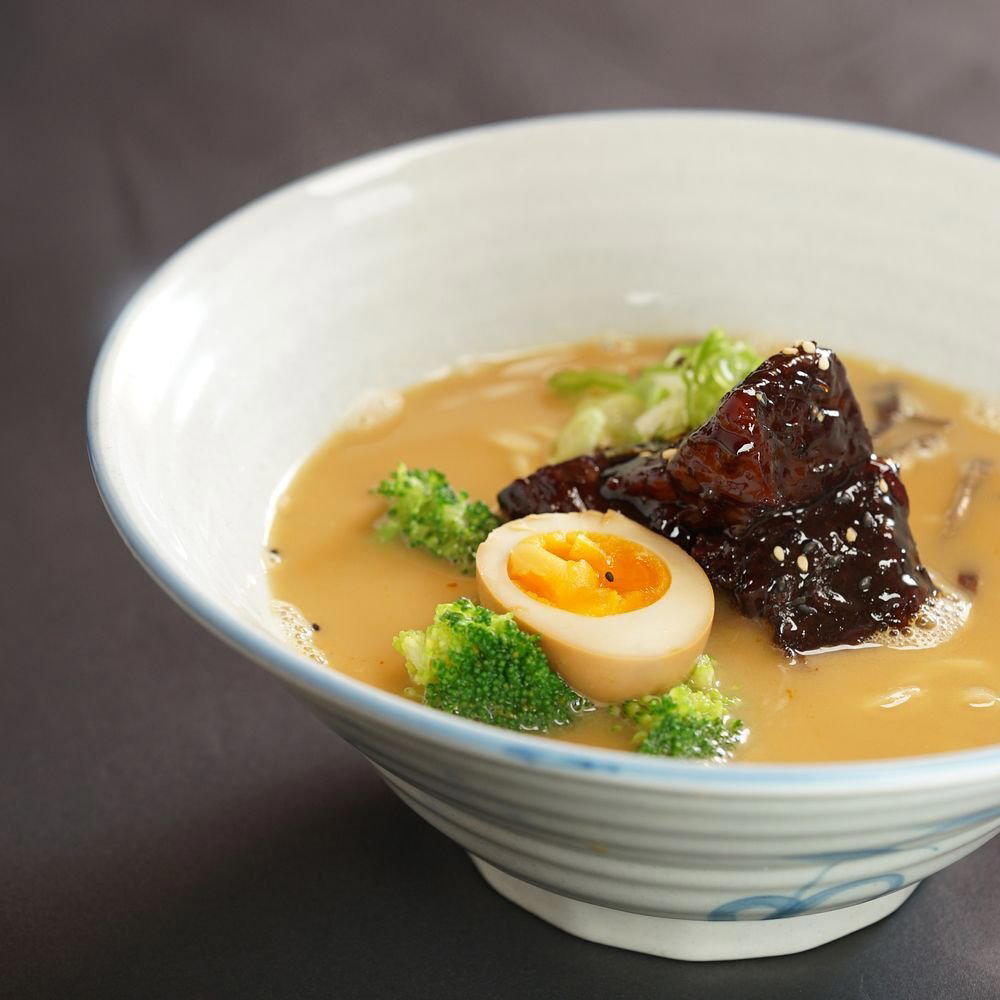
Where Hangzhou Eats Between Banquets
Hangzhou's reputation in Chinese gastronomy rests heavily on its formal Zhejiang canon: West Lake fish in vinegar sauce, Dongpo pork, longjing-steamed shrimp. Restaurants like Ru Yuan and Hangzhou House represent that tradition at its most polished, with tasting formats and price tiers that position them against the city's celebration dining. But Hangzhou also sustains a parallel food culture, one that rarely appears in critical shortlists, built around the kind of noodle houses that open early and fill before 8am. Guiyu Family Noodles belongs to that register.
Neighbourhood noodle shops in Chinese cities serve a function closer to a bakery than to anything resembling a restaurant in the Western critical sense. They are infrastructure. A city that feeds its residents well at street level tells you more about the depth of its food culture than any number of tasting menus. In Hangzhou, the noodle tradition draws on both the wheat-forward cooking of inland Zhejiang and the lighter rice-noodle preparations that reflect the city's position as a historical crossroads between northern and southern Chinese culinary habits.
The Family Format and What It Signals
The word "family" in a Chinese restaurant name carries specific meaning. It signals a domestic scale, a kitchen rooted in household technique rather than brigade cooking, and a price point calibrated to repeat daily custom rather than occasional visits. Guiyu Family Noodles is a Zhejiang Cuisine restaurant in Hangzhou, priced at about $50 per person. This positions Guiyu Family Noodles in a different competitive tier from the formal Zhejiang dining rooms explored in venues like Guiyu (Xihu) or Jie Xiang Lou, both of which operate with more elaborate formats and higher per-head spend.
Across China's eastern cities, the family noodle format has proved remarkably durable. Where formal dining rooms in cities like Nanjing, Suzhou, and Fuzhou have responded to shifting consumer tastes by importing international techniques, the neighbourhood noodle house has largely held its ground by staying narrow: a handful of broths, a rotation of toppings, prices that make daily return possible. Dingshan·Jiangyan in Suzhou and Dai Yuet Heen in Nanjing each occupy formal regional dining tiers, but neither touches the neighbourhood ritual that a place like Guiyu Family Noodles sustains.
Hangzhou's Noodle Tradition in Context
Zhejiang province does not have the noodle fame of Sichuan or Shanxi, but Hangzhou's own bowl culture has distinct characteristics. The broths tend toward clarity and restraint, built from long-simmered pork or chicken stock without the chilli heat that defines western Chinese noodle traditions. Toppings lean into local ingredient logic: river shrimp, bamboo shoots, seasonal greens, and cured pork preparations that reflect Zhejiang's broader appetite for controlled fermentation and preservation.
This restraint is, in fact, the defining quality of Hangzhou cooking at every price level. The same underlying philosophy that animates the careful sourcing at Ambré Ciel, which works in the innovative register, appears in simpler form in the bowl broths and hand-cut noodle preparations of the city's family kitchens. Technique varies with budget; the flavour logic does not.
Regionally, this connects Hangzhou to a broader Jiangnan food sensibility that runs through the cooking of Shanghai, Suzhou, and Yangzhou. Venues like 102 House in Shanghai and Shang Palace in Yangzhou each express the Jiangnan preference for sweetness, freshness, and seasonal precision at a formal level. The neighbourhood noodle shop carries the same sensibility at ground level, without the ceremony.
Placing Guiyu Family Noodles in the Wider Map
For visitors building an itinerary in Hangzhou, the city rewards a deliberate range. Formal Zhejiang dining at venues in the ¥¥¥ to ¥¥¥¥ tier, as represented by Ru Yuan, addresses one dimension of the food culture. The innovative end of the market, where Chinese Contemporary and French Contemporary kitchens trade on sourcing and technique, addresses another. The restaurant operates at the third point of that triangle: the everyday, the habitual, the food that residents actually eat on mornings when no occasion demands otherwise.
This is not a consolation tier. Across China, the gap between street-level noodle culture and formal restaurant dining has narrowed considerably in terms of ingredient quality, even as the price difference has widened. The same premium bamboo shoots and river pork that appear on banquet menus find their way, in different preparations, into the broths of well-run family kitchens. The format is simpler; the sourcing logic is often shared.
Comparable family-format noodle operations across China's eastern cities tend to be cash-preferred, operate in compressed morning and lunchtime windows, and turn tables at a pace that formal dining rooms do not. Visitors accustomed to booking weeks ahead for tasting menus at places like Xin Rong Ji in Beijing or Chef Tam's Seasons in Macau should calibrate expectations accordingly. Family noodle houses in this tier often do not take reservations and do not need to.
Planning a Visit
Jiangnan Wok·Rong in Fuzhou, which works in a slightly more structured format but draws on the same Jiangnan flavour logic, and at Fleurs Et Festin in Xiamen, which illustrates how the region's cooking translates into a French-influenced contemporary register. At the more formal end of Chinese regional cooking internationally, Imperial Treasure Fine Chinese Cuisine in Guangzhou and Xin Rong Ji in Chengdu offer reference points for how regional Chinese kitchens perform when operating at full formal scale.
The Quick Read
Comparable venues nearby, for context on price, style, and recognition.
| Venue | Cuisine | Price | Notes |
|---|---|---|---|
| Guiyu Family NoodlesThis venue — the venue you are viewing | Xihu District, Zhejiang Cuisine | $$$ | Not listed |
| Hangzhou House at Amanfayun | Xihu, Refined Zhejiang Cuisine | $$$$ | Not listed |
| Four Seasons Jin Sha Restaurant (金沙厅) | Not listed | $$$$ | Xihu (West Lake), Zhejiang Neo-Classics with Shanghainese & Cantonese Influences |
| West Lake No.1 | Not listed | $$$$ | Shangcheng District, Modern Chinese Fine Dining |
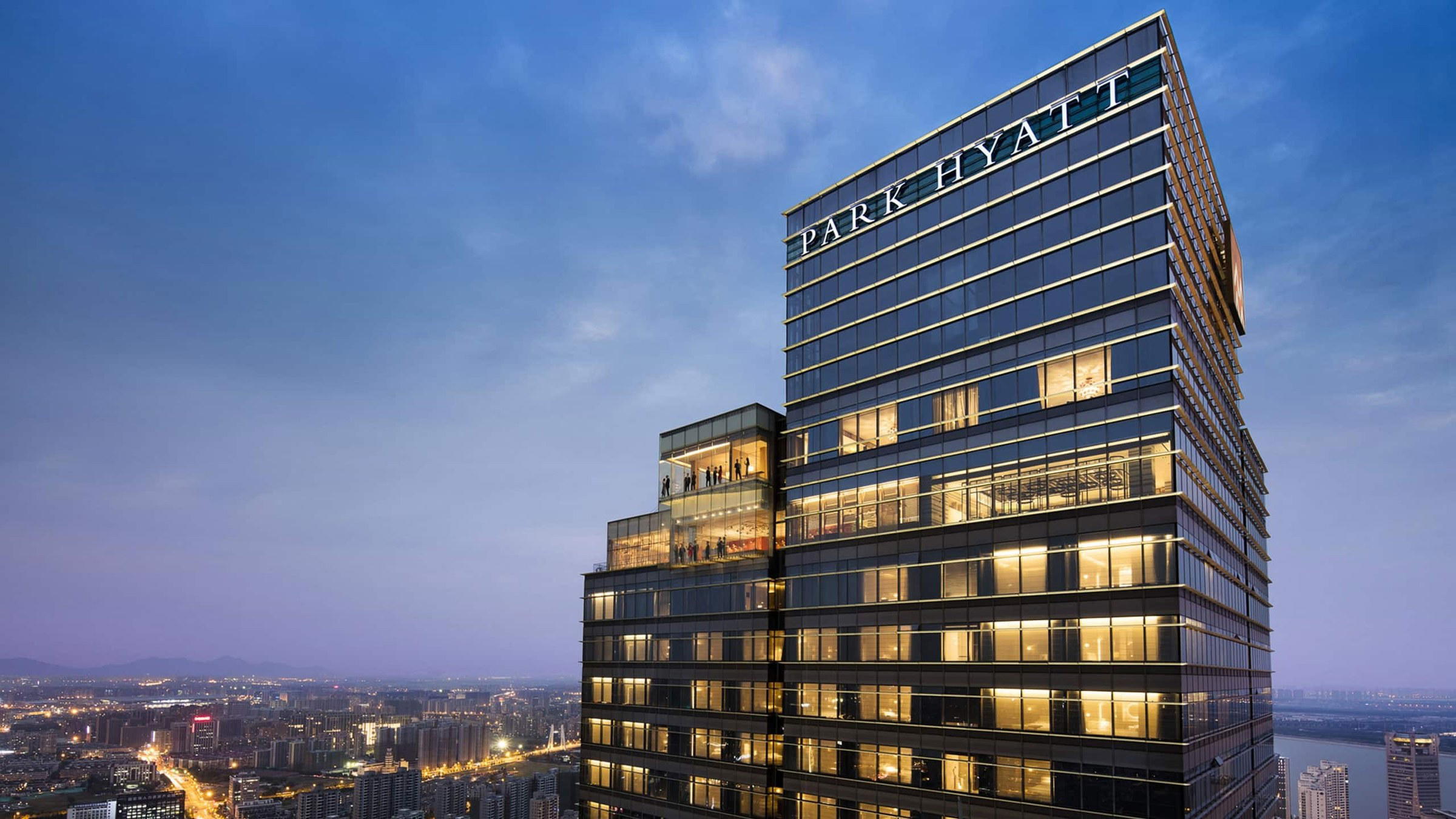
| Park Hyatt Hangzhou-Dining Room | Not listed | $$$$ | Hangzhoushi, Modern Zhejiang and Cantonese Fine Dining |
| GuiYu Restaurant | Not listed | $$$ | Xihu, Refined Zhejiang (Hangzhou) cuisine in a garden villa setting |
At a Glance
- Quiet
- Elegant
- Cozy
- Family
- Date Night
- Special Occasion
- Private Dining
- Local Sourcing
- Garden
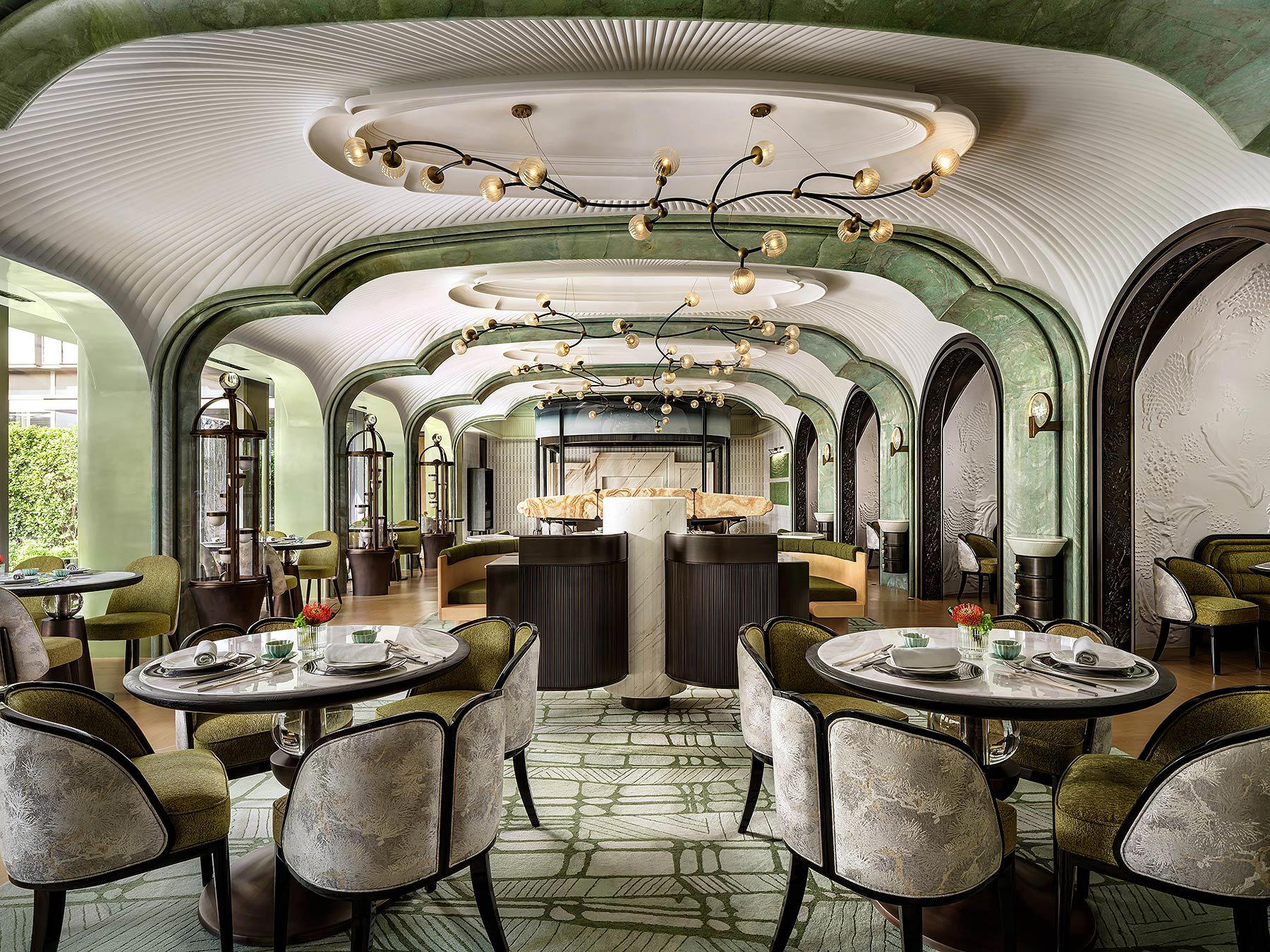
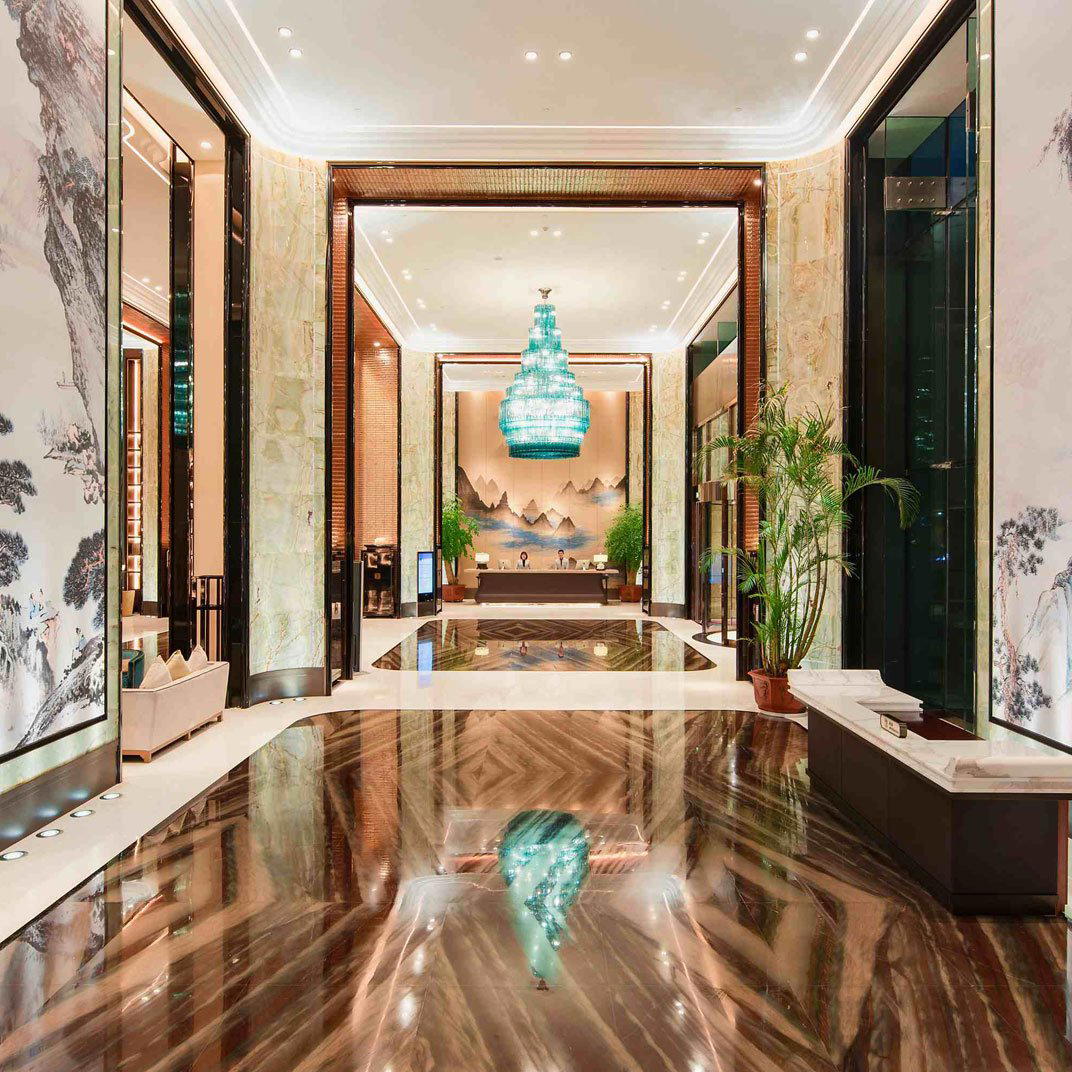
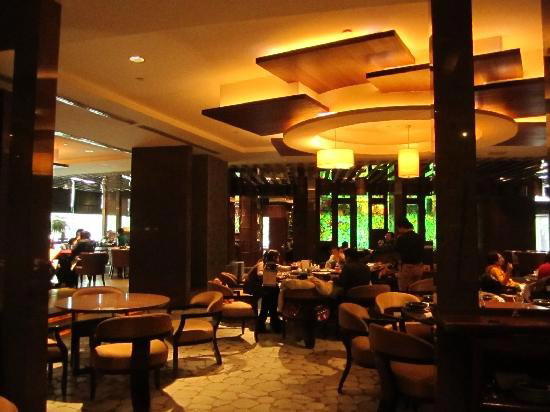
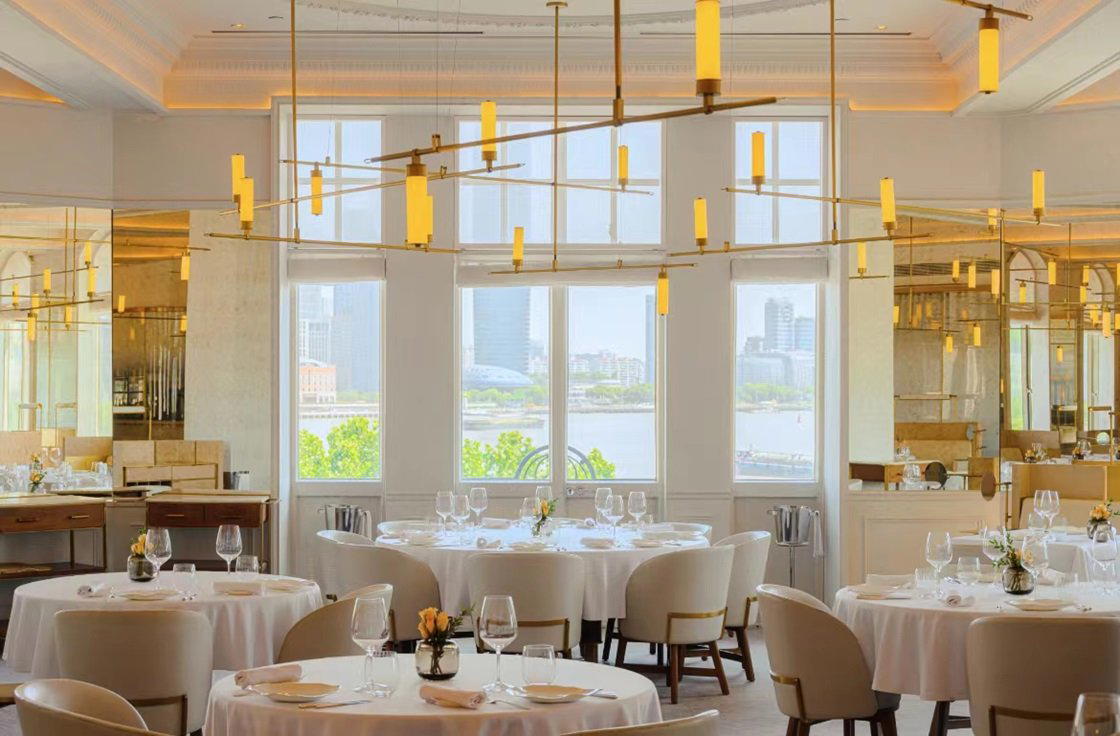
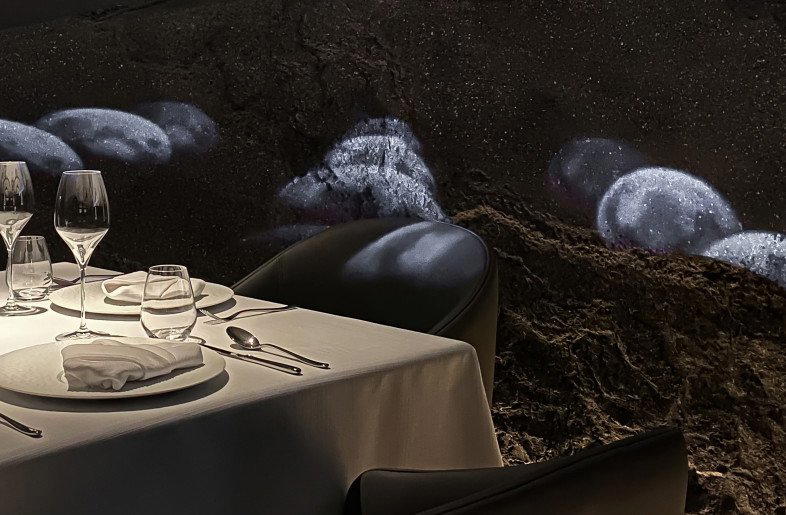
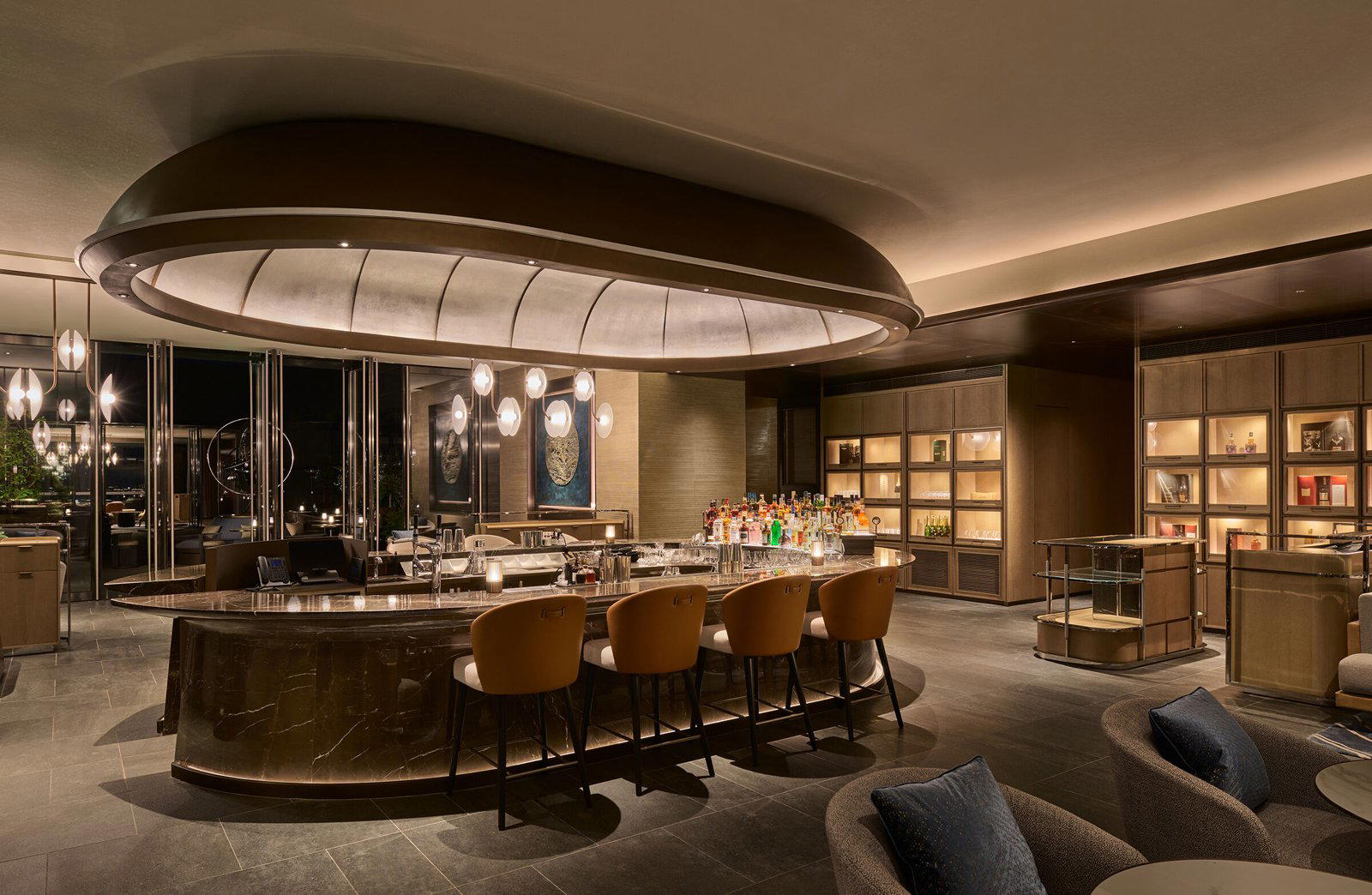
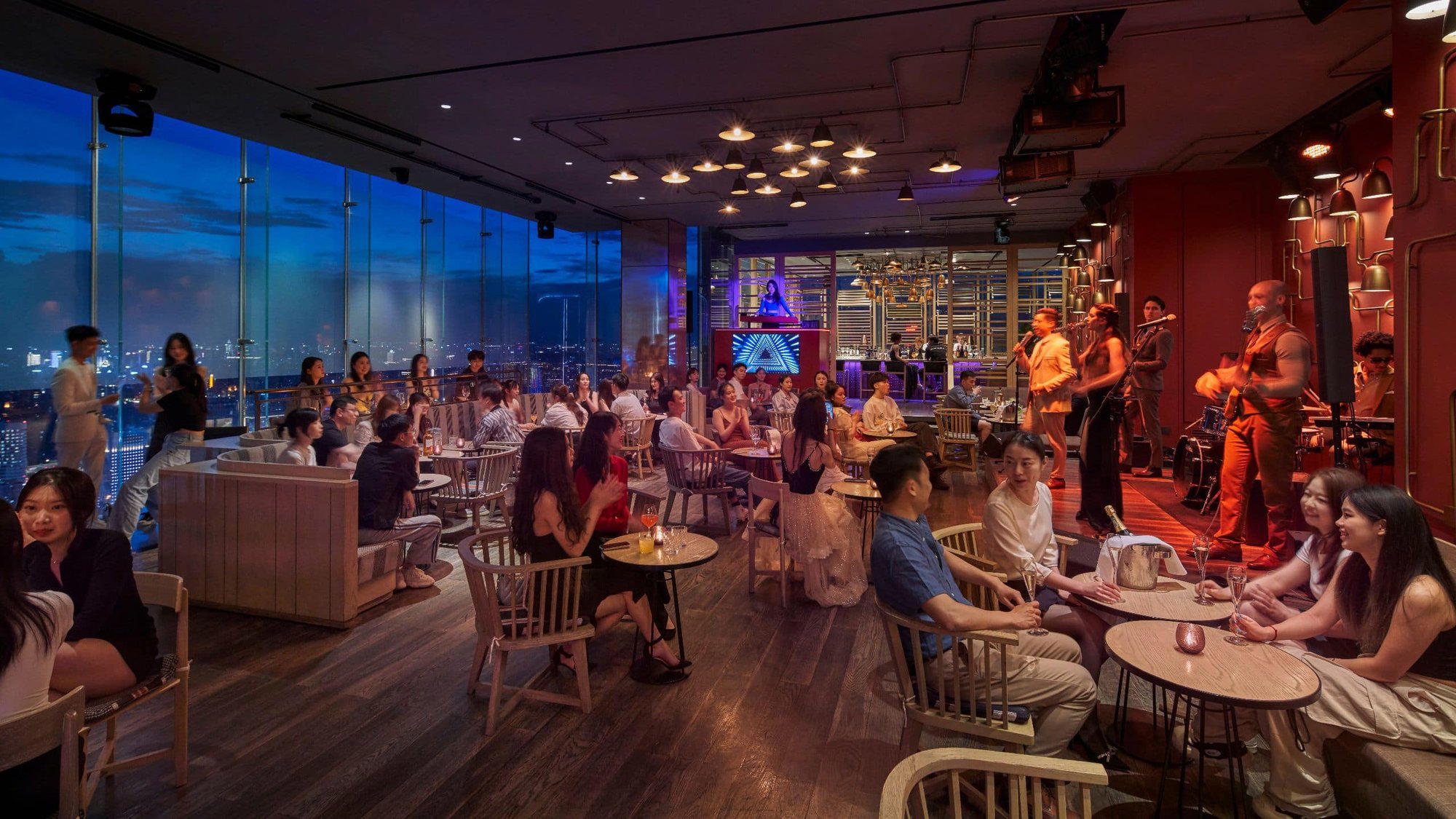
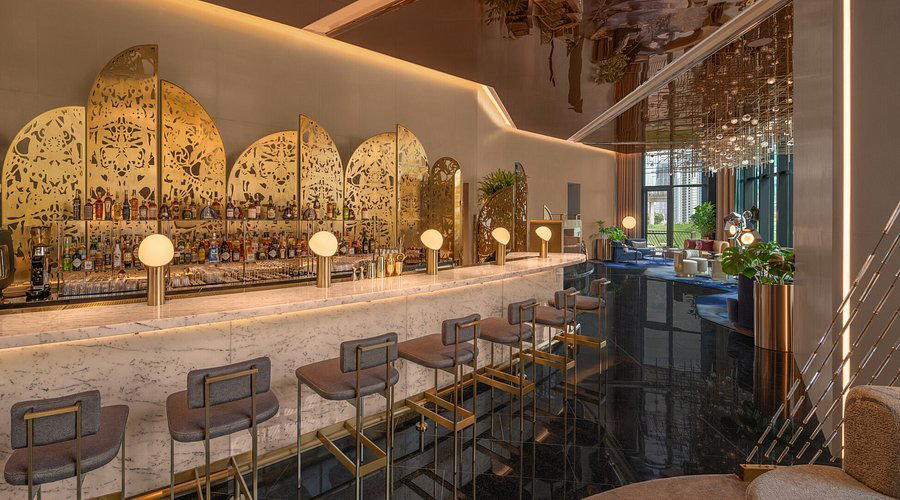
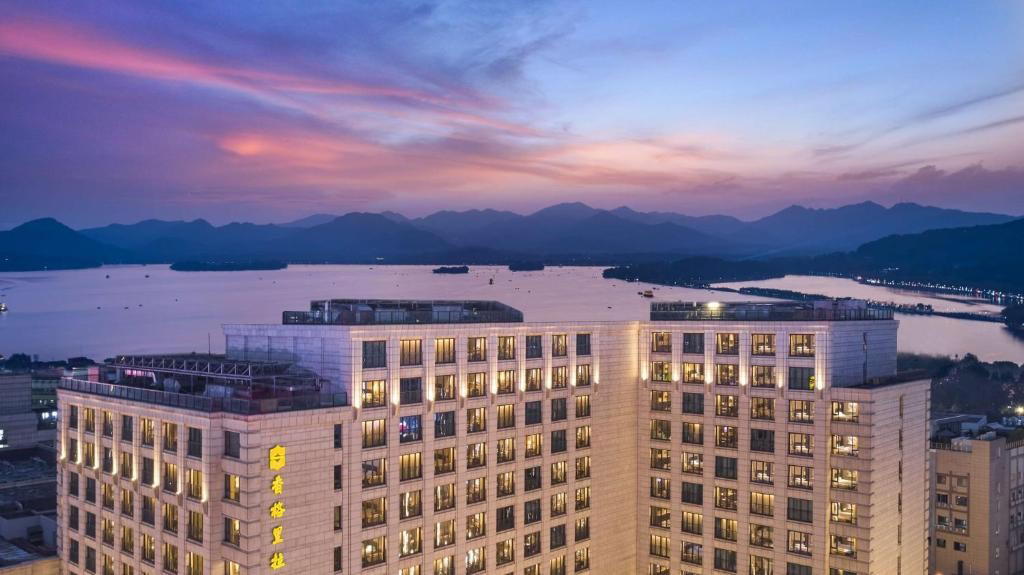
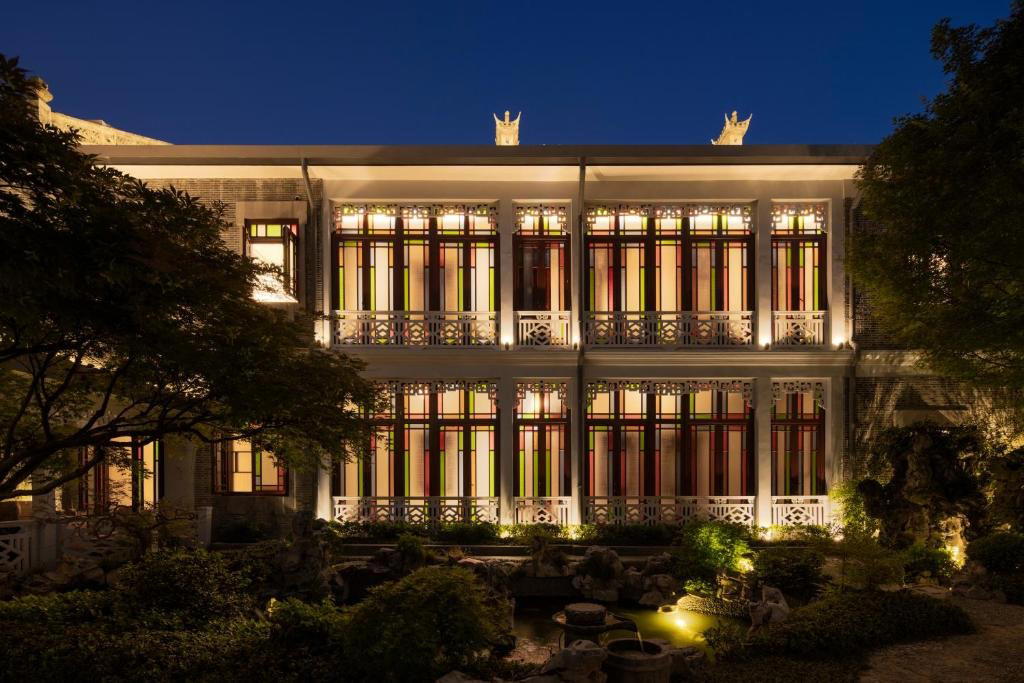
Serene zen environment with minimalist design, bamboo grove, warm lighting, rustic wooden furniture, and calming atmosphere.