Google: 4.4 · 50 reviews
Grazioli Art Bistrot

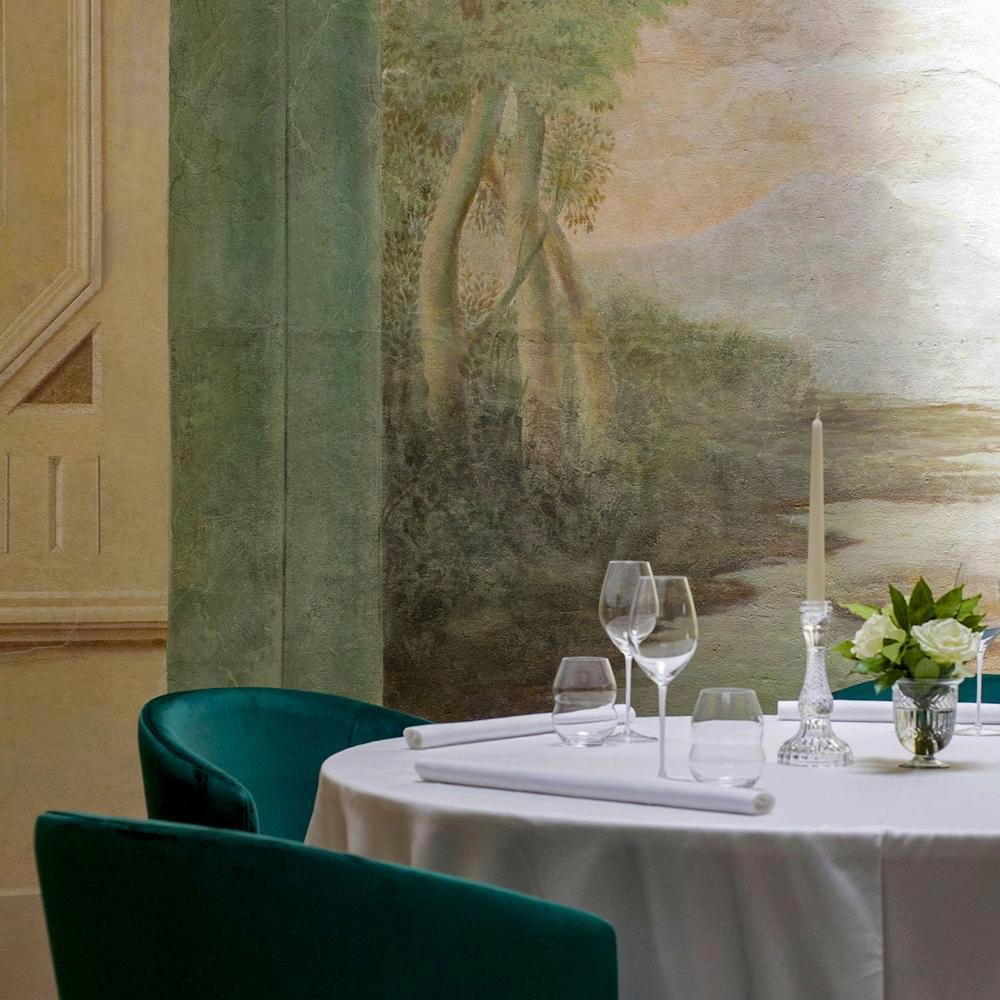
Inside the frescoed walls of Villa Grazioli, a historic palazzo in the Castelli Romani hills above Rome, the Art Bistrot operates with a quietly serious commitment to plant-forward cooking. The kitchen accommodates fully plant-based menus on request at booking, placing it among a small tier of Italian dining rooms where vegetables hold structural rather than decorative weight. A detour well worth planning for anyone visiting the region.
 Discover on Pearl
Pearl is the En Primeur Club membership app — saves, bookings, and concierge access live there. Same editors, same standards.
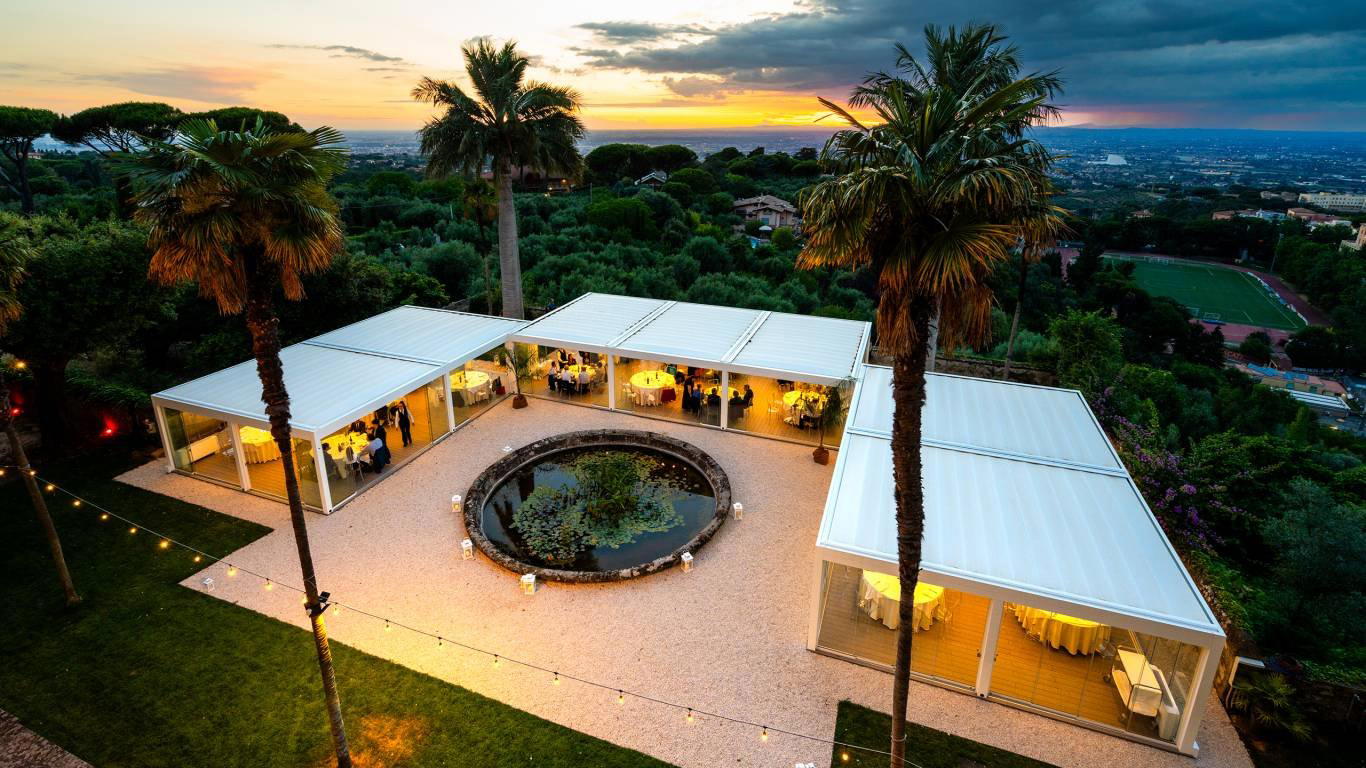
A Baroque Villa as Dining Room
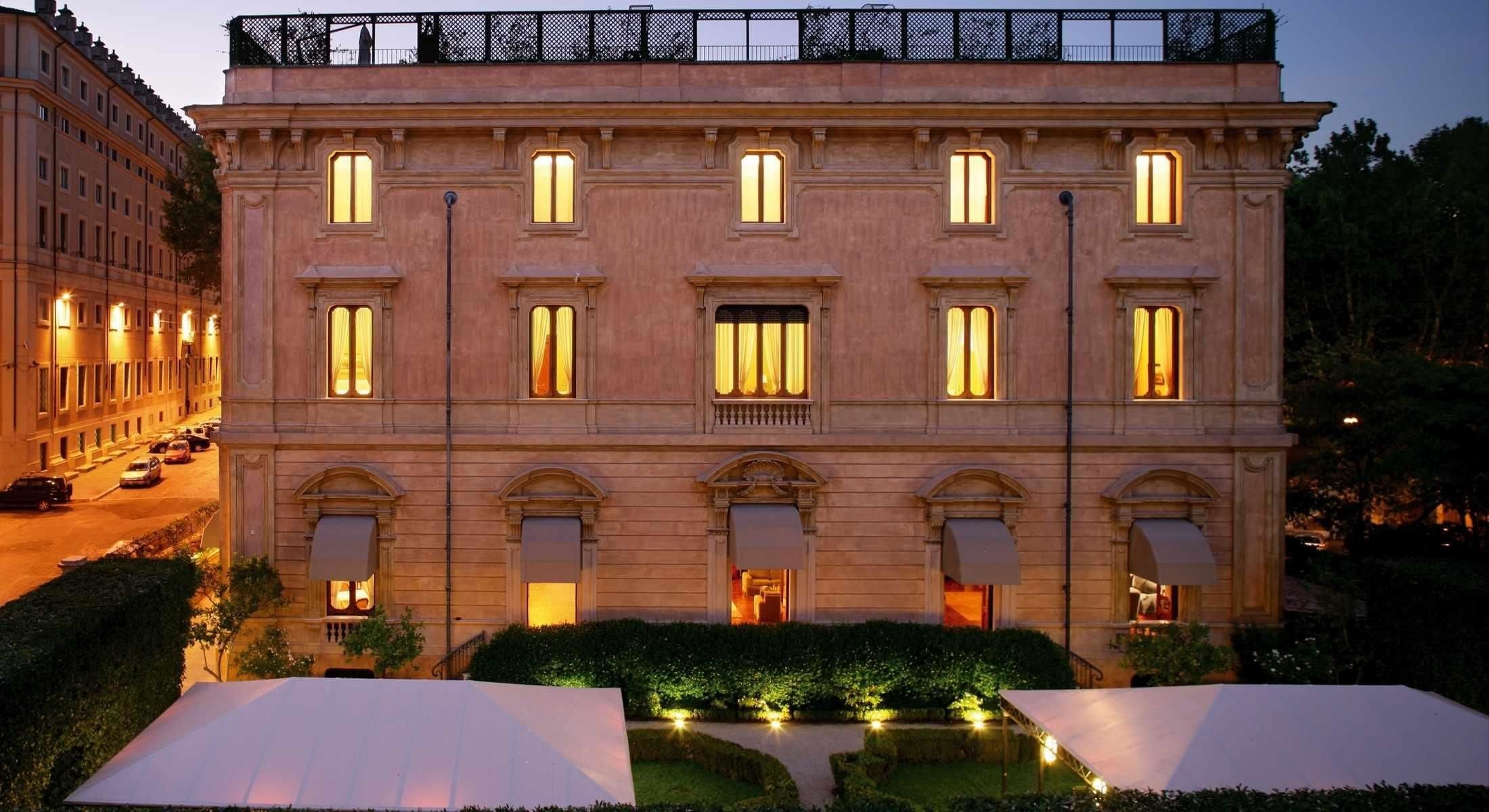
The Castelli Romani hill towns southeast of Rome have always functioned as an escape valve from the capital, a chain of volcanic lakes, medieval abbeys, and aristocratic estates that Romans have retreated to for centuries. Grottaferrata sits near the centre of that arc, and Villa Grazioli, the historic palazzo that houses this restaurant, is among the most architecturally significant buildings in the area. Approaching it, the scale registers before anything else: a late-Renaissance structure with frescoed interiors that belong more to a museum or a cardinal's residence than to a working dining room. That context matters, because the Art Bistrot operates inside these spaces, and the physical environment sets expectations that the kitchen takes seriously. For further context on where this fits within the local scene, see our full Grottaferrata Roma restaurants guide.
Where the Food Comes From, and Why That Shapes the Menu
The Castelli Romani produce belt is one of the most underappreciated agricultural zones within reach of a major European capital. The volcanic soil of the Alban Hills yields vegetables, legumes, and herbs with a density of flavour that flatland farming struggles to replicate. Frascati and its neighbours have supplied Rome's markets for generations, and the farms immediately surrounding Grottaferrata represent a short supply chain that many Rome-based restaurants spend considerable effort to replicate. A restaurant positioned inside this territory, rather than importing from it, has a structural sourcing advantage that shapes what a kitchen can credibly put on the plate.
At the Art Bistrot, that advantage shows most clearly in how vegetables are treated. Rather than appearing as accompaniments to a protein-centred structure, plant ingredients hold their own weight across the menu. The kitchen's documented approach places vegetables at the centre of each dish, reflecting both the sourcing environment and a deliberate editorial decision about what this particular restaurant is for. Italy's most decorated kitchens, including Osteria Francescana in Modena and Le Calandre in Rubano, have each in their own way refined plant matter from supporting role to structural component. The Art Bistrot operates at a different scale and price tier, but the underlying argument about ingredient primacy runs parallel.
The Plant-Based Request: How It Works
One detail in the restaurant's documentation deserves direct attention because it is practically useful: if you notify the kitchen at the time of booking that you want a fully plant-based menu, the team can accommodate that request entirely. This is not a token gesture. The infrastructure, the sourcing relationships, and the kitchen orientation are already in place to support a complete plant menu. The current standing menu is described as containing a limited number of dishes, though vegetables and plant ingredients feature prominently throughout. The key is the pre-booking communication. Guests who arrive without flagging dietary requirements in advance may find fewer fully plant-based options than those who plan ahead.
This approach places the Art Bistrot in a niche that is more common in northern Italy, where chefs like Norbert Niederkofler in Brunico have built entire creative frameworks around territorial plant ingredients, than in Lazio, where the regional canon still runs heavily toward cured meats, offal, and pasta sauces anchored by guanciale. A kitchen within the Castelli Romani that treats plant-forward cooking as a genuine offering rather than a dietary accommodation is a meaningful departure from the local norm.
The Art Collection and the Dining Experience
The villa's status as what the property itself describes as a real museum is not incidental to the dining experience. Eating inside a building of this calibre, with original frescoes and period furnishings as the backdrop, produces a register that the food and service must meet. The atmosphere is formal without being stiff, historical without being musty. The scale of the rooms and the quality of the decoration mean that a meal here reads differently from a trattoria in the village below or a contemporary osteria in central Rome. It belongs to a category of Italian dining that combines heritage setting with considered cooking, a format more associated with properties like Dal Pescatore in Runate or Enoteca Pinchiorri in Florence, where the building itself carries part of the cultural argument.
For anyone visiting the Castelli Romani, the region offers considerably more than the Art Bistrot alone. The area supports a range of drinking, accommodation, and cultural experiences worth building a longer visit around. Consult our full Grottaferrata Roma hotels guide, our full Grottaferrata Roma bars guide, our full Grottaferrata Roma wineries guide, and our full Grottaferrata Roma experiences guide for broader planning.
Placing This in the Italian Dining Context
Italy's upper dining tier, represented by names like Piazza Duomo in Alba, Reale in Castel di Sangro, and Uliassi in Senigallia, has moved progressively toward ingredient provenance as a defining quality signal. The Art Bistrot does not compete at that tier, but it draws from the same sourcing logic: proximity to production, seasonal constraint, and the credibility that comes from cooking within a landscape rather than importing from it. For comparison at different formats and price points, Enrico Bartolini in Milan, Casa Perbellini 12 Apostoli in Verona, and Quattro Passi in Marina del Cantone each illustrate how Italian kitchens at the higher end are treating regional specificity as a credibility argument. Internationally, the same logic runs through kitchens as different as Le Bernardin in New York City and Emeril's in New Orleans, where sourcing identity and a defined sense of place underpin the restaurant's reason to exist.
Planning Your Visit
The Art Bistrot is located at Via Umberto Pavoni, 19, in Grottaferrata, roughly 25 kilometres southeast of central Rome, accessible by car along the Via Tuscolana or by regional rail to Frascati followed by a short transfer. Given the plant-based menu flexibility, guests with dietary requirements should communicate clearly at the time of reservation rather than on arrival. The limited standing menu means the kitchen's range of spontaneous accommodation may be narrower than in a larger operation, but the documented willingness to prepare a fully plant-based meal on advance notice is a concrete and useful assurance. The setting warrants a relaxed pace, and the villa context makes lunch a reasonable choice for visitors wanting to move between the restaurant and the surrounding grounds or the nearby Basilian abbey of Santa Maria di Grottaferrata in the same afternoon.
Comparable Spots, Quickly
These are the closest comparables we have in our database for quick context.
| Venue | Cuisine | Price | Awards | Notes |
|---|---|---|---|---|
| Grazioli Art Bistrot | Park hotel Villa Grazioli is a wonderful place to stay, without a doubt. It is a… | This venue | ||
| Atelier Moessmer Norbert Niederkofler | Italian, Creative | €€€€ | Michelin 3 Star | Italian, Creative, €€€€ |
| Dal Pescatore | Italian, Italian Contemporary | €€€€ | Michelin 3 Star | Italian, Italian Contemporary, €€€€ |
| Enoteca Pinchiorri | Italian - French, Italian Contemporary | €€€€ | Michelin 3 Star | Italian - French, Italian Contemporary, €€€€ |
| Enrico Bartolini | Creative | €€€€ | Michelin 3 Star | Creative, €€€€ |
| Le Calandre | Progressive Italian, Creative | €€€€ | Michelin 3 Star | Progressive Italian, Creative, €€€€ |
Continue exploring
More in Grottaferrata Roma
Restaurants in Grottaferrata Roma
Browse all →
Bars in Grottaferrata Roma
Browse all →
Hotels in Grottaferrata Roma
Browse all →
Wineries in Grottaferrata Roma
Browse all →
At a Glance
- Elegant
- Romantic
- Scenic
- Sophisticated
- Date Night
- Business Dinner
- Group Dining
- Celebration
- Special Occasion
- Private Event
- Garden
- Terrace
- Private Dining
- Hotel Restaurant
- Panoramic View
- Extensive Wine List
- Local Sourcing
- Garden
Refined and sophisticated with elegant interior rooms and an enchanting hanging garden atmosphere during summer months, offering views over Rome.