
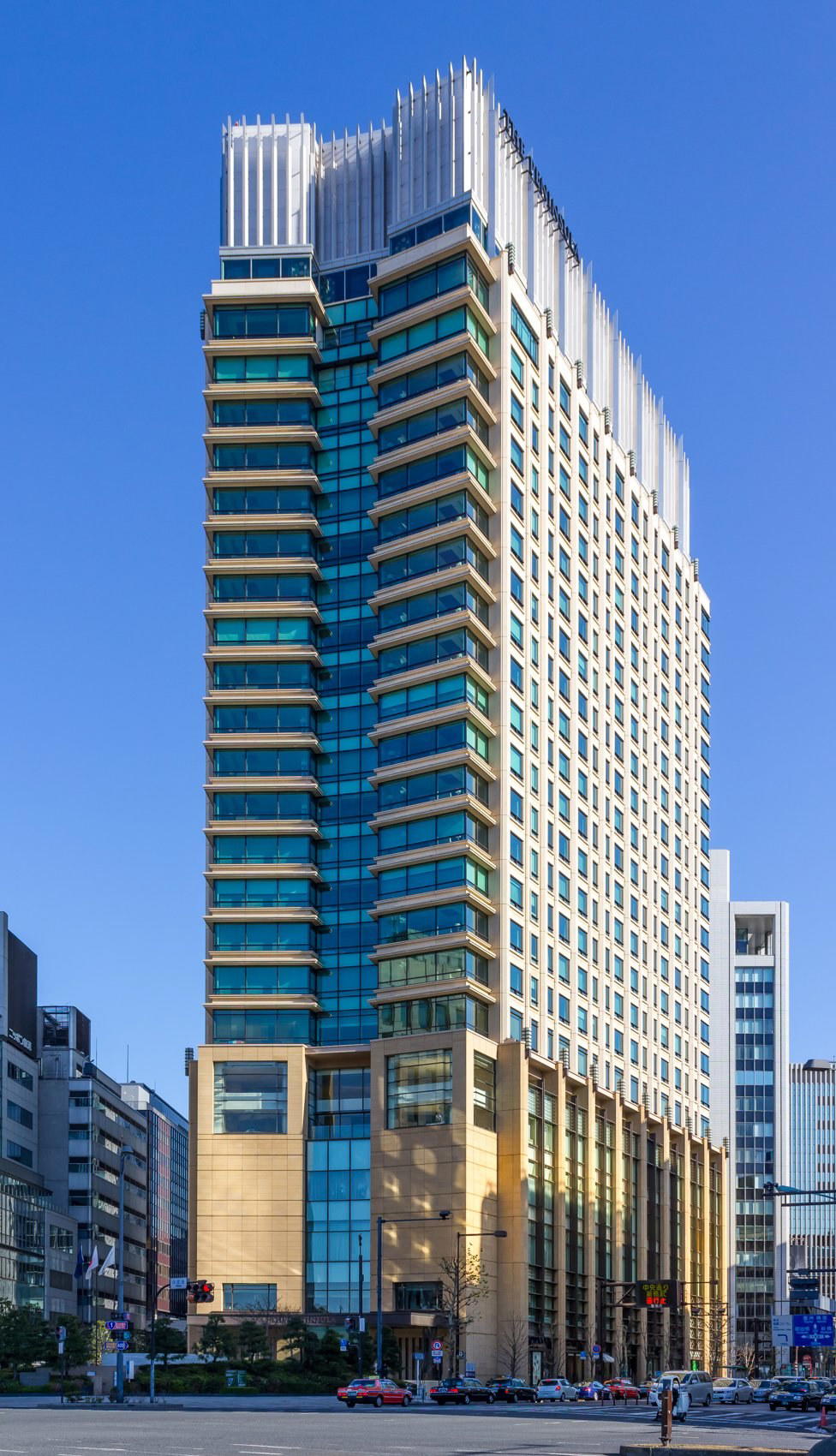
Karyu occupies the seventh floor of the Vorte Ginza Briller building in Chuo City, positioning itself within one of Tokyo's most concentrated corridors of high-end dining. The address alone places it in direct conversation with the kaiseki counters and French-Japanese hybrids that define Ginza's upper tier. For wine-forward diners, the cellar program merits particular attention.
Pearl is the En Primeur Club membership app — saves, bookings, and concierge access live there. Same editors, same standards.
- Address
- 中央区銀座1丁目14−6 Vort銀座 briller 7F, 1 Chome-14-6 Ginza, Chuo City, Tokyo 104-0061, Japan
- Phone
- +81362644129
- Website
- karyu-tokyo.com
 Saves & bookings on Pearl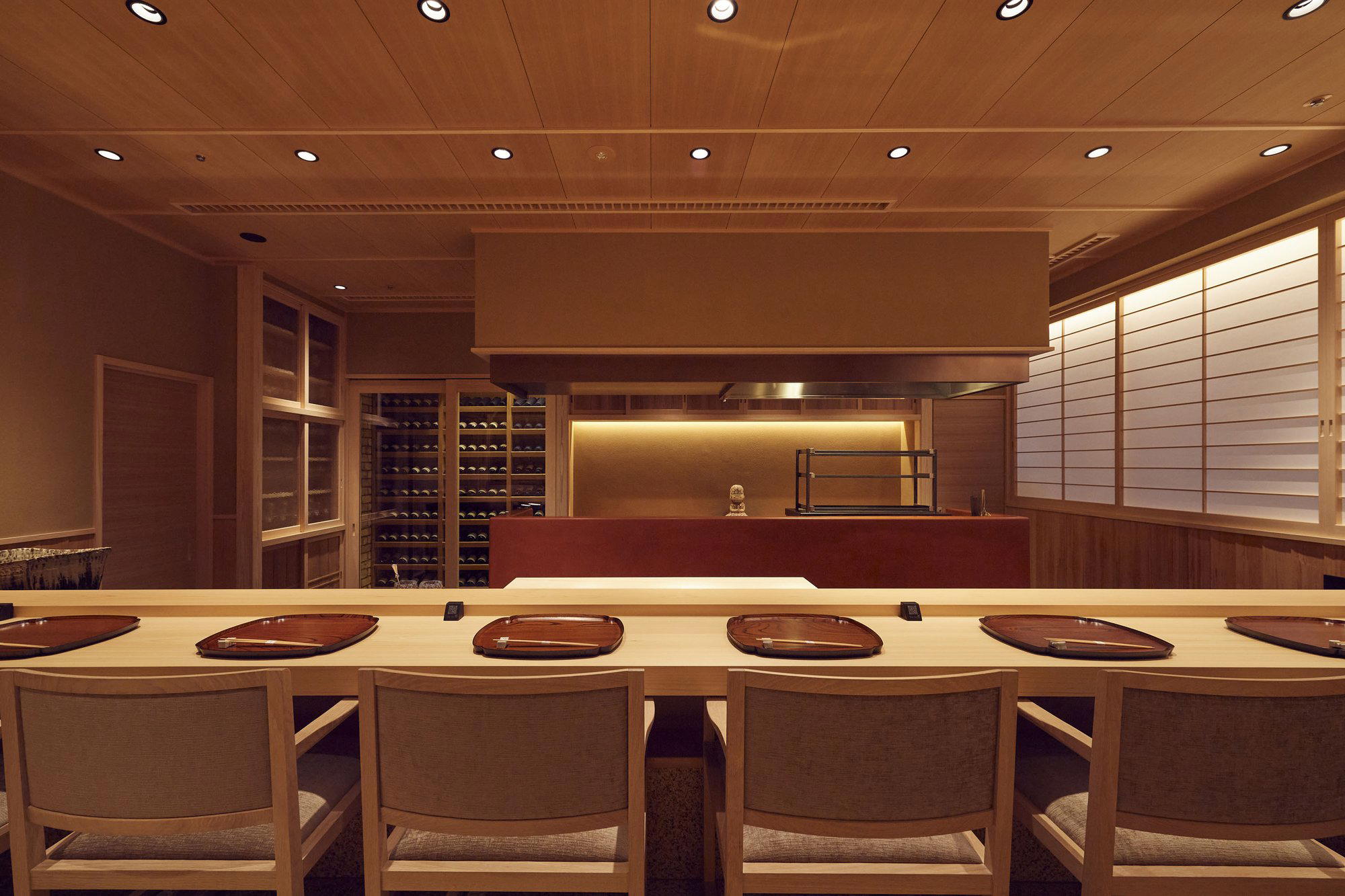
The Seventh Floor and What It Signals
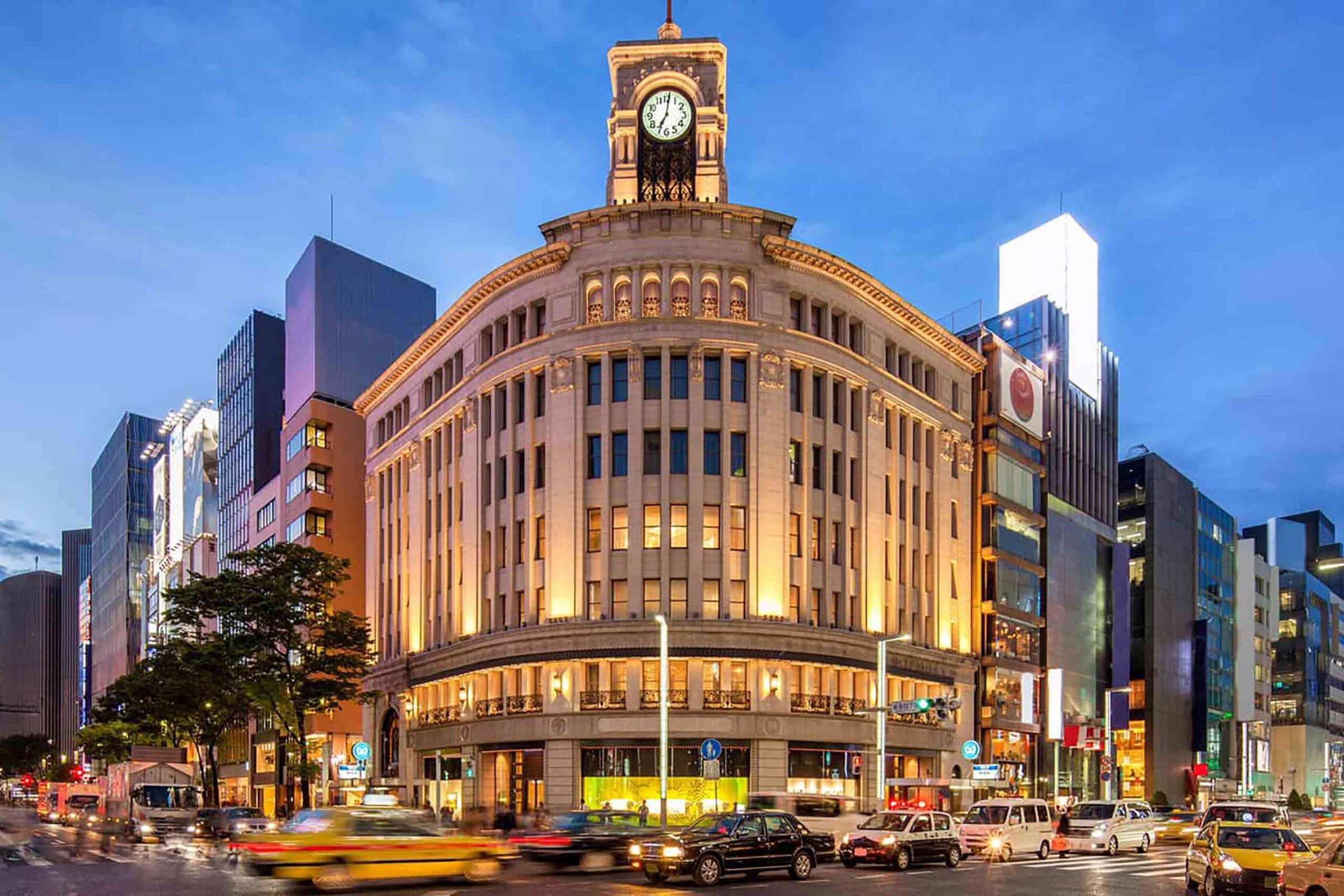
Ginza's vertical dining geography tells you something before you taste anything. The neighbourhood has long used building height as a proxy for formality: street-level ramen and tempura counters give way, floor by floor, to longer menus, darker lighting, and deeper wine lists. Karyu, on the seventh floor of Vorte Ginza Briller at 1 Chome-14-6 Ginza, Chuo City, sits in that refined register. The building address alone locates it within the dense competitive corridor between Ginza-itchome and Ginza stations, where Tokyo's most scrutinised restaurants operate within walking distance of one another. Karyu is a Wagyu Kaiseki restaurant and reservations are essential.
Arriving at that floor, the separation from the street noise below is immediate. Ginza at this height feels considered rather than incidental, and that architectural remove sets a particular register for what follows. In a district where restaurants are often invisible from street level, the seventh-floor placement signals a dining room built for deliberate visits, not passing traffic.
Ginza's Wine Culture and Where Karyu Fits
Tokyo's upper-tier restaurants have, over the past decade, split into two recognisable wine postures. The first treats the cellar as a support system for the food, with a list curated to mirror the kitchen's register. The second treats wine as a parallel programme, with depth, age, and producer range that rewards guests who arrive as much for what's in the glass as what's on the plate. Ginza, with its concentration of expense-account dining and high-net-worth regulars, has produced more of the latter than almost any other district in Japan.
For context, compare the wine approaches at venues operating at the same price tier across central Tokyo. L'Effervescence in Nishi-Azabu has built a program around natural and low-intervention producers, while Sézanne at the Four Seasons Marunouchi anchors its list in classic French appellations. RyuGin in Roppongi pairs its kaiseki progression with a sake and wine selection calibrated to the seasonal kitchen. Each approach reflects a distinct philosophy about the relationship between cellar and cuisine. Where Karyu positions its own list within that spectrum is one of the more interesting questions a first visit raises.
The address in Ginza's first block corridor places Karyu in proximity to Harutaka and to Crony. That comparable set matters because it defines the expectations a Ginza diner arrives with.
What the Cellar Program Means in Practice
In high-end Tokyo dining, the sommelier's role has evolved considerably. A decade ago, the position was largely interpretive: translating a guest's stated preferences into a safe bottle selection. At the leading addresses now, the sommelier functions as a co-author of the meal, steering guests through producers and vintages that amplify the kitchen's decisions. The depth of a cellar is less important than the coherence of the approach.
Ginza's upper-tier wine programs tend to carry serious depth in Burgundy and Champagne, with growing representation of aged Japanese sake for guests who want a local pairing logic. The structural question for any restaurant at this address is whether the cellar reads as a considered collection or an expensive inventory. The former requires a point of view; the latter just requires capital. Diners who follow wine closely will form a judgment on that question within the first pour.
For those approaching Karyu as part of a broader Japanese fine dining itinerary, it is worth mapping its Ginza positioning against restaurants in other cities. HAJIME in Osaka has built among the more discussed wine programs in western Japan, with a list that has influenced how Kansai restaurants think about European appellations alongside Japanese producers. Gion Sasaki in Kyoto operates with a cellar philosophy tightly aligned to the kaiseki calendar. akordu in Nara and Goh in Fukuoka each demonstrate how wine curation can anchor a restaurant's identity outside the major metropolitan centres.
The Broader Ginza Dining Context
Ginza functions as Tokyo's most internationally legible dining district, partly because it has been the address of choice for restaurants designed to receive foreign visitors and business entertainment for decades, and partly because its rents enforce a natural selection that keeps only one financially sustainable formats in place. The restaurants that survive here long-term tend to have either a loyal repeat clientele or a booking volume that justifies the overhead. Both outcomes require a consistent product.
That consistency pressure has shaped the character of Ginza dining in ways that distinguish it from, say, the chef-driven experimentation more common in Nakameguro or Shibuya. Ginza restaurants tend to be more polished and less provisional. The cooking is rarely rough around the edges, the service is drilled, and the wine list is unlikely to include much that is obscure for its own sake. That is not a criticism; it is a description of what the district's clientele historically demands.
Internationally, the closest equivalent to Ginza's particular combination of density, formality, and wine seriousness is the area around the first and eighth arrondissements in Paris, or the stretch of Manhattan around West 51st that produces restaurants like Le Bernardin and, slightly further downtown, the tasting-menu formats represented by Atomix. The comparison is imperfect, but the structural logic is similar: high rents, expense-account clientele, and strong expectations around wine service.
For guests building a broader Japan itinerary, the EP Club guide covers regional destinations beyond Tokyo with the same level of specificity. 一本木 名川製 in Nanao, 夕付山乃 in Sapporo, 湖畔庵 in Takashima, 庄羽屋 in Nishikawa Machi, Birdland in Sakai, and Bistro Ange in Toyohashi each represent the country's dining range beyond the obvious metropolitan anchors. See the full Tokyo restaurants guide for the complete EP Club coverage of the city.
Planning Your Visit
Karyu is located at Vorte Ginza Briller, 7F, 1 Chome-14-6 Ginza, Chuo City, Tokyo 104-0061. The nearest subway access is Ginza-itchome Station on the Yurakucho Line, a short walk from the building entrance. Reservations are essential. The restaurant is open Monday through Saturday from 5:00 to 11:30 PM and is closed on Sunday. Given the wine emphasis, it is worth communicating your preferences at the time of booking rather than on arrival.
Comparable Venues
Comparable venues nearby, for context on price, style, and recognition.
| Venue | Cuisine | Price | Notes |
|---|---|---|---|
| KaryuThis venue — the venue you are viewing | Wagyu Kaiseki | $$$$ | Not listed |
| Inoue (井上) | Modern Yakiniku | $$$$ | Ginza |
| Hiroyuki | Creative Japanese "luxurious home cooking" course at an 8-seat Ginza counter | $$$$ | Chūō |
| さわ田 | Edo-Style Omakase Sushi | $$$$ | Chūō |
| Ginza Chikamitsu | Luxury Wagyu Yakiniku | $$$$ | Chūō |
| Yakitori Hirano | Edo-style Yakitori Omakase with Modern Japanese Pairings | $$$$ | Chūō |
Recognition history
Dated appearances from independent guides and award organizations, with the underlying list record or original source where available.
Opinionated About Dining Top Restaurants in Japan Recommended
Opinionated About Dining





At a Glance
- Elegant
- Intimate
- Sophisticated
- Special Occasion
- Date Night
- Chefs Counter
- Sake Program
Current opening hours
- Monday
- 5–11:30 PM
- Tuesday
- 5–11:30 PM
- Wednesday
- 5–11:30 PM
- Thursday
- 5–11:30 PM
- Friday
- 5–11:30 PM
- Saturday
- 5–11:30 PM
- Sunday
- Closed
Hours can change for holidays and private events. Last verified .
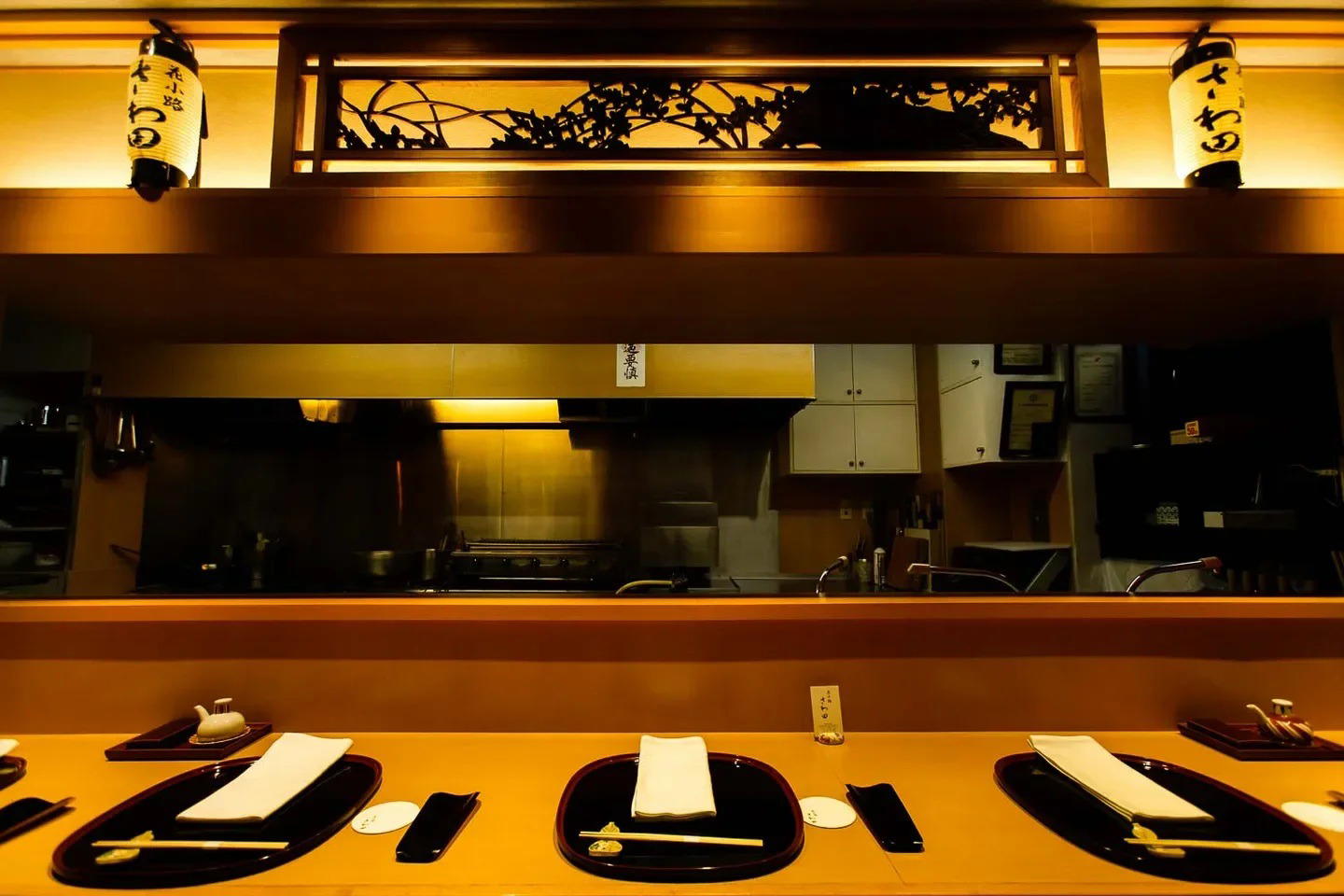
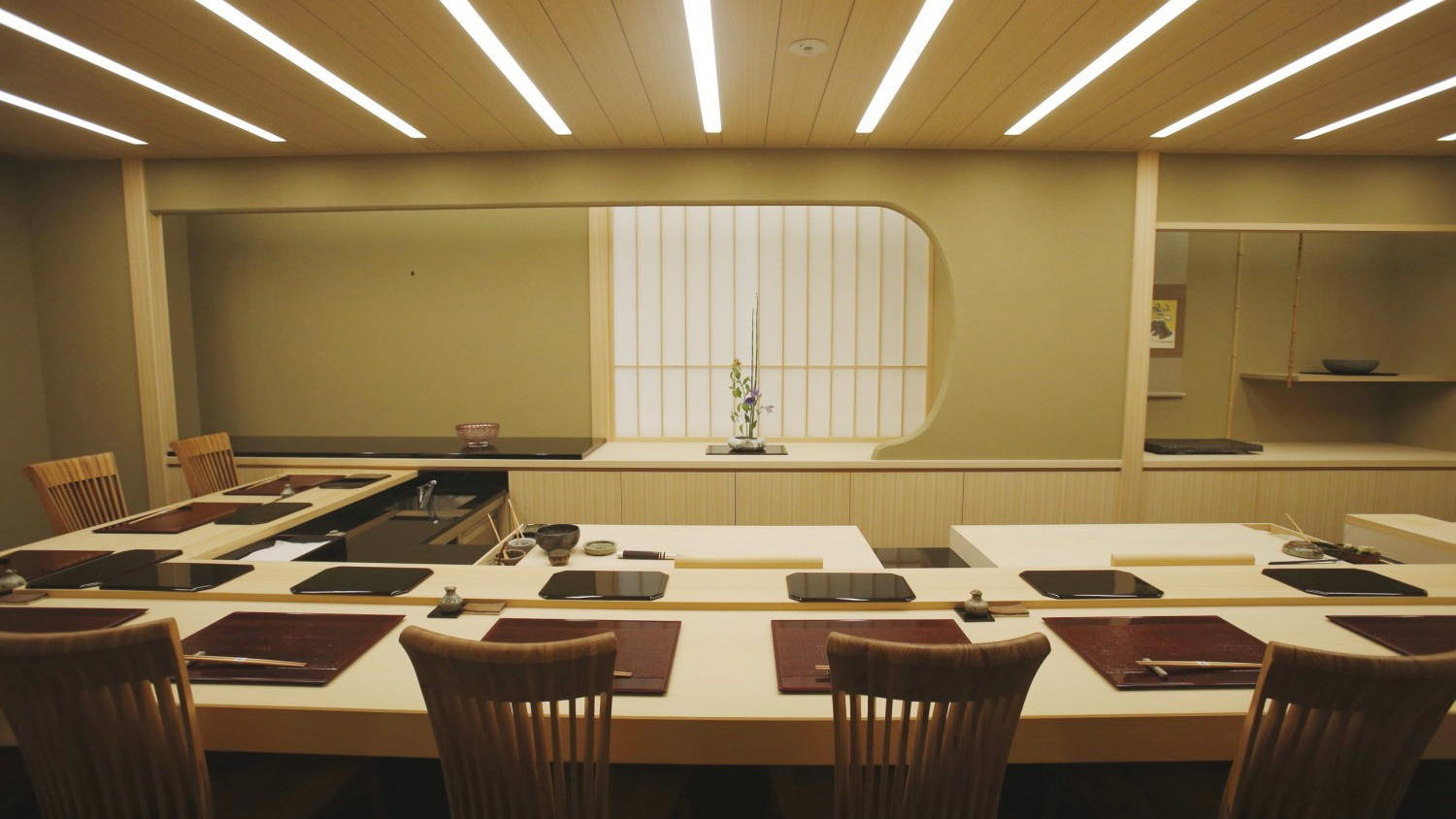
Minimalist sushi counter atmosphere with 8 seats around an open kitchen, offering intimate views of the chef's precise preparations in a serene, reverent setting.