Cafe Boem sits in the commercial fabric of Pirot, a town in southeastern Serbia where kafana culture and local-produce cooking have shaped dining for generations. The cafe operates from a street-level lokál address, placing it inside the everyday rhythm of the city rather than at a remove from it. For visitors tracing Serbia's regional cafe tradition, Pirot's compact centre makes Boem a natural point of orientation.
Pearl is the En Primeur Club membership app — saves, bookings, and concierge access live there. Same editors, same standards.
- Address
- локал 15, Pirot 18300, Serbia
- Phone
- +38110321568
- Website
- boem.rs
- Directions
- Get directions
 Saves & bookings on Pearl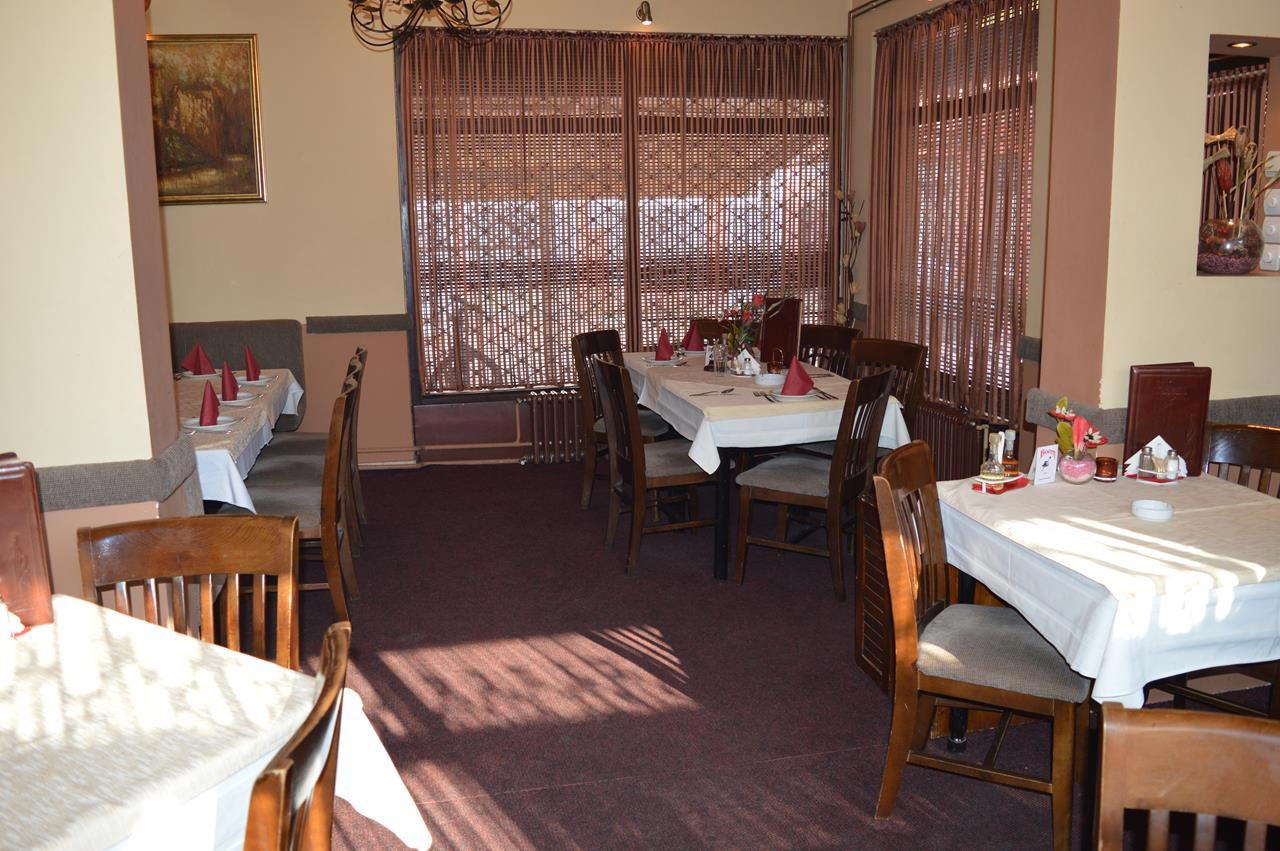
Where Kafana Culture Meets Everyday Pirot
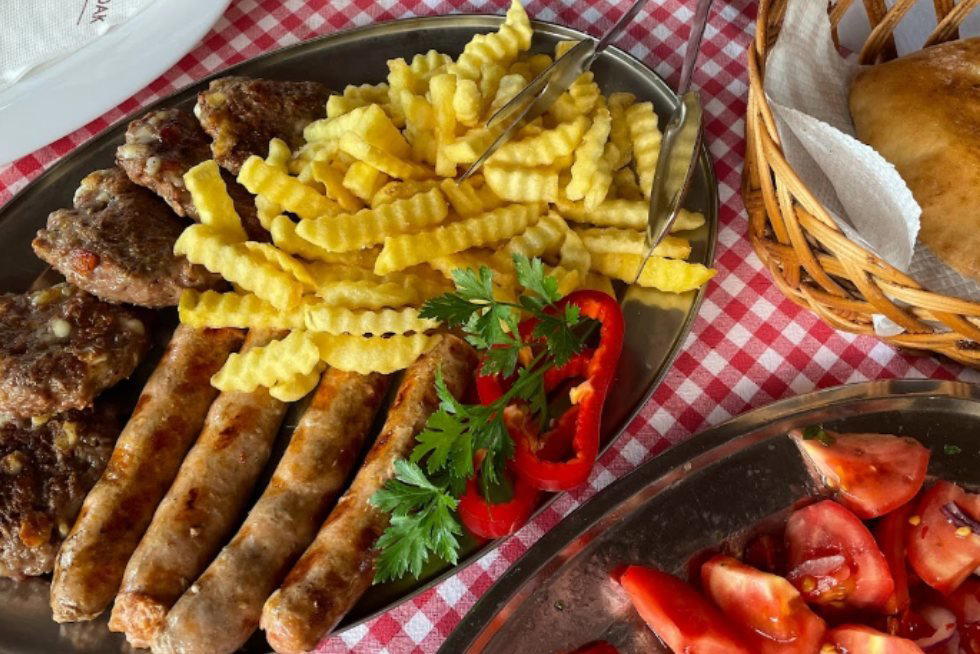
Southeastern Serbia has its own culinary register, one shaped by proximity to Bulgarian cooking traditions, the Nišava River valley's agricultural output, and a kafana culture that prioritises slowness over spectacle. Pirot, the region's principal town, sits at the intersection of these influences, and its cafes and restaurants carry that layered inheritance in ways that larger Serbian cities have partly diluted. Walking through Pirot's commercial centre, you encounter a density of small dining venues that serve a dual function: neighbourhood gathering place by day, more purposeful table by evening. Cafe Boem is a restaurant in Pirot, Serbia, serving Serbian Traditional Tavern fare at lokál 15.
The physical context matters here. Pirot's dining scene is not organised around a single dining district or a prestige address. Instead, it fans out through the town's walkable centre, with venues ranging from ethno-style complexes drawing on rural Serbian heritage to direct kafanas running on local wine and grilled meat. Cafe Boem's street-level lokál placement puts it in conversation with that workaday layer of the scene, the kind of address where the ingredient sourcing is dictated less by supply-chain strategy than by what the surrounding region produces in volume and quality.
The Ingredient Logic of Serbia's Southeast
Understanding what ends up on the table in a Pirot cafe requires understanding the agricultural character of the Nišava corridor. This part of Serbia produces sheep's cheese of genuine regional distinction, the Pirotski kačkavalj being one documented example, a hard yellow cheese with protected geographical status whose production depends on local sheep breeds and traditional salting and aging methods. That kind of raw material specificity shapes what regional cooking can credibly do. A cafe operating in this environment has access to ingredient inputs that are not available at the same quality or price point in Belgrade or Novi Sad, and the leading expressions of the local kitchen use that access plainly rather than disguising it behind elaborate preparation.
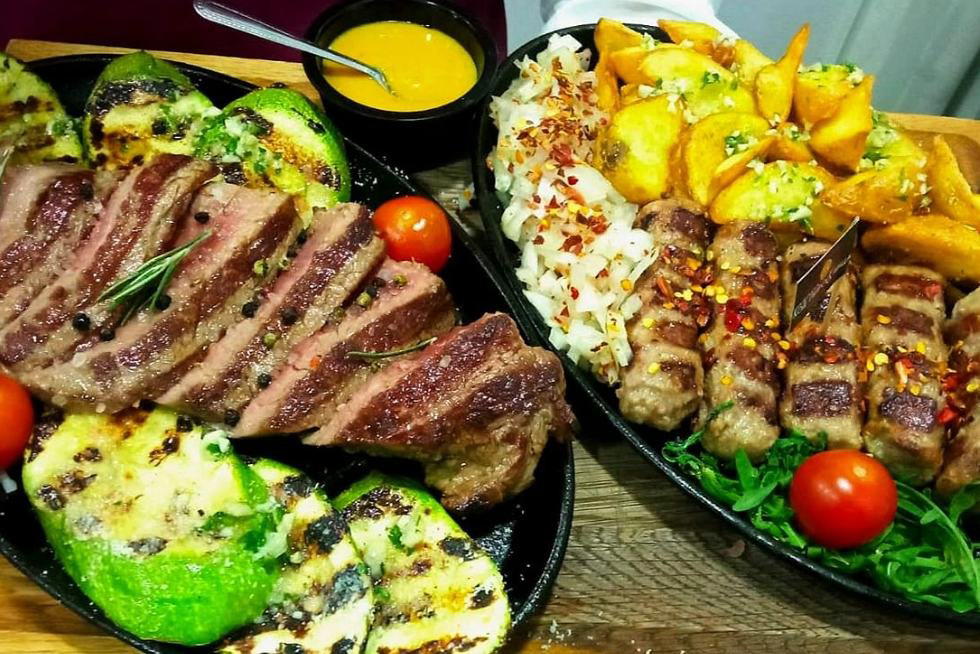
Serbian kafana food at its most coherent is, in that sense, an ingredient-sourcing argument made edible. The grilled meats, the soft cheeses, the pickled vegetables that anchor the meze end of the table all point back to a supply chain that is short by necessity and regional by tradition. Cafe Boem operates within that tradition.
Pirot in the Wider Serbian Dining Conversation
Serbia's dining scene has fragmented usefully over the past decade. Belgrade has developed a tier of technically ambitious restaurants, among them Langouste in Belgrade, that operate on a different register entirely from provincial kafana cooking. Further afield, venues like Fleur de Sel in Novi Slankamen and Ananda in Novi Sad have pursued distinct identity positions within Vojvodina's more internationally inflected food culture. What Pirot represents is a different kind of value: a regional vernacular that has not been substantially repackaged for tourism and retains its own internal logic.
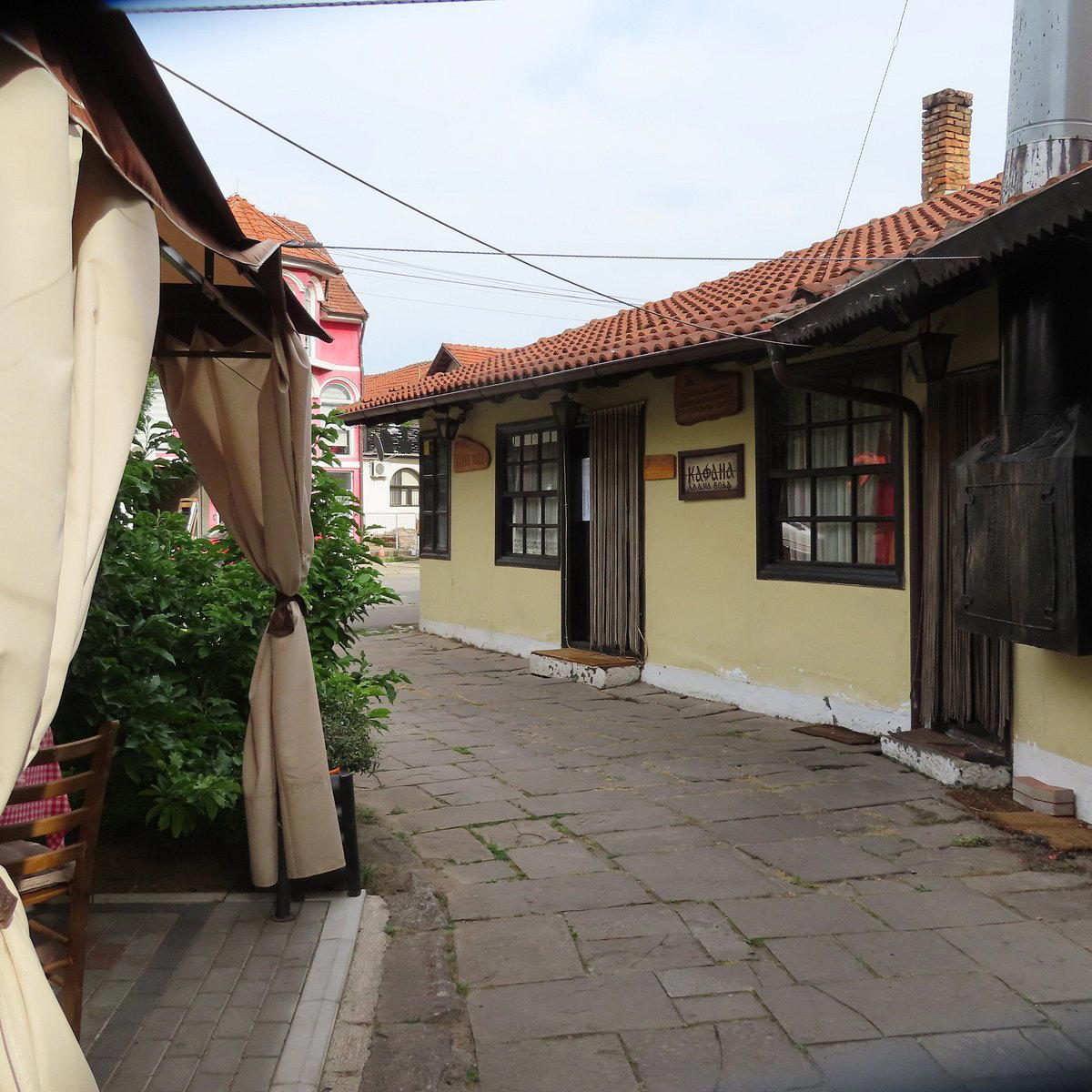
That distinction carries weight when set against the broader Serbian provincial restaurant pattern. Ethno-style complexes, which have become a reliable format across the country, are present in Pirot too. ETNO KOMPLEKS NIŠAVSKA DOLINA represents that more scenographic approach to regional heritage, while venues like KRČMA LADNA VODA and Vitina Iža draw on rural Serbian visual codes and traditional menus. Cafe Boem sits in a different tier within this local spread, one less oriented toward heritage theming and more embedded in the daily life of the town.
For comparison across the broader Serbian regional dining pattern, ETNO PODRUM BRKA in Nis, a larger city roughly 50 kilometres to the northwest, shows how the ethno-podrum format scales in an urban context. Similarly, Etno Restoran Fijaker in Sombor and Etno Kuća Dinar in Vrsac demonstrate how regional identity gets expressed through dining formats in Vojvodina, a usefully different frame for understanding what distinguishes the southeastern Serbian approach.
The Pirot Kafana Set
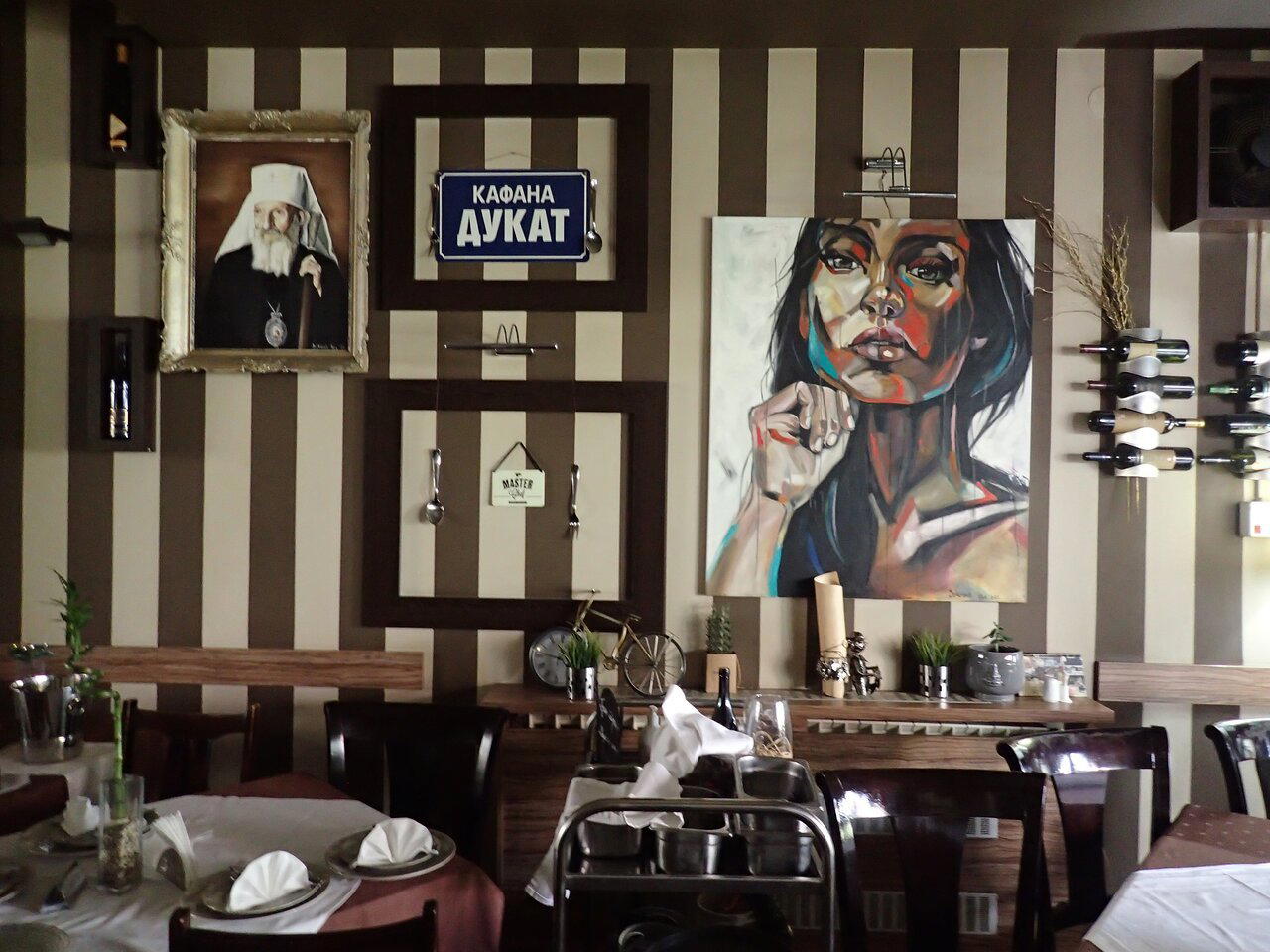
Within Pirot specifically, the cafe and kafana set clusters around a recognisable set of operating norms. KAFANA DUKAT and KOD PIROĆANCA represent the kafana tradition in its more deliberate form, venues where the format signals something about the dining contract on offer. Cafe Boem reads as part of the same broader ecosystem, a cafe-format address that shares the town's ingredient geography without necessarily foregrounding that heritage in its presentation.
The distinction between a kafana and a cafe in this context is partly atmospheric and partly a question of menu emphasis. Kafanas typically anchor on longer menus of grilled and slow-cooked meat, with rakija and domestic wine as the default drinks programme. A cafe format in the same town often operates across a wider time span of the day, functioning as a coffee and light-meal address in the morning before moving into more substantial food by the evening.
Planning Your Visit
Pirot is accessible by road and rail from Nis, placing it within comfortable day-trip range of Niš-Constantine the Great Airport, which connects to a limited set of European destinations. Visitors travelling from Belgrade typically use the A1 motorway, with Pirot sitting approximately 290 kilometres southeast of the capital. The town's compact centre means most dining addresses are within walking distance of one another, which makes building a half-day itinerary across multiple venues feasible without a car. Cafe Boem is walk-in friendly and open Monday through Friday from 9 AM to 10 PM, with Saturday and Sunday service from 12 PM to 11 PM.
How It Stacks Up
Comparable venues nearby, for context on price, style, and recognition.
| Venue | Cuisine | Price | Notes |
|---|---|---|---|
| Cafe BoemThis venue — the venue you are viewing | Serbian Traditional Tavern | $$ | Not listed |
| KAFANA DUKAT | Authentic Serbian Kafana | $$ | Pazar |
| Краљев Чардак | Traditional Serbian Barbecue | $$ | Pirot |
| ETNO KOMPLEKS NIŠAVSKA DOLINA | Traditional Serbian Pirot Cuisine | $$ | Pirot |
| KOD PIROĆANCA | Traditional Serbian BBQ | $$ | Pazar |
| KRČMA LADNA VODA | Traditional Serbian BBQ | $ | Pirot center |
Continue exploring
More in Pirot
At a Glance
- Rustic
- Cozy
- Casual Hangout
- Local Sourcing
Current opening hours
- Monday
- 9 AM–10 PM
- Tuesday
- 9 AM–10 PM
- Wednesday
- 9 AM–10 PM
- Thursday
- 9 AM–10 PM
- Friday
- 9 AM–10 PM
- Saturday
- 12–11 PM
- Sunday
- 12–11 PM
Hours can change for holidays and private events. Last verified .
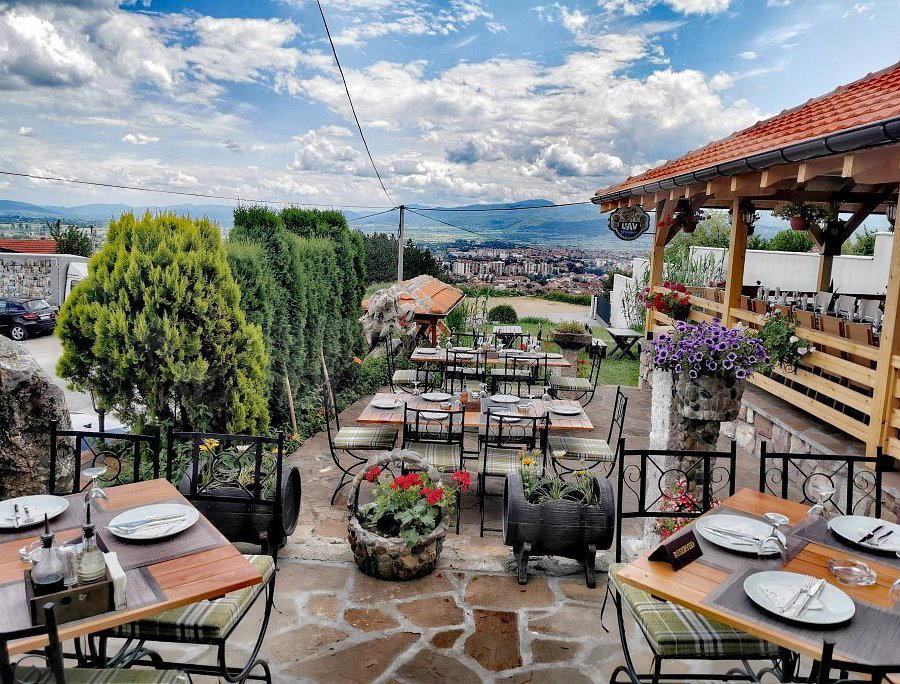
Inviting tavern atmosphere celebrating traditional Serbian hospitality.