Set in Sombor's Park Heroja, Etno Restoran Fijaker draws on the Serbian tradition of etno cuisine, cooking rooted in regional ingredients and domestic technique. The setting rewards those who come for unhurried meals tied to the Vojvodina pantry, in a city that rarely competes for international attention but quietly maintains a serious local dining culture.
Pearl is the En Primeur Club membership app — saves, bookings, and concierge access live there. Same editors, same standards.
- Address
- Sonje Marinković bb, Park Heroja 25000, Sombor, Serbia
- Phone
- +38125430000
- Website
- etnorestoranfijaker.rs
- Directions
- Get directions
 Saves & bookings on Pearl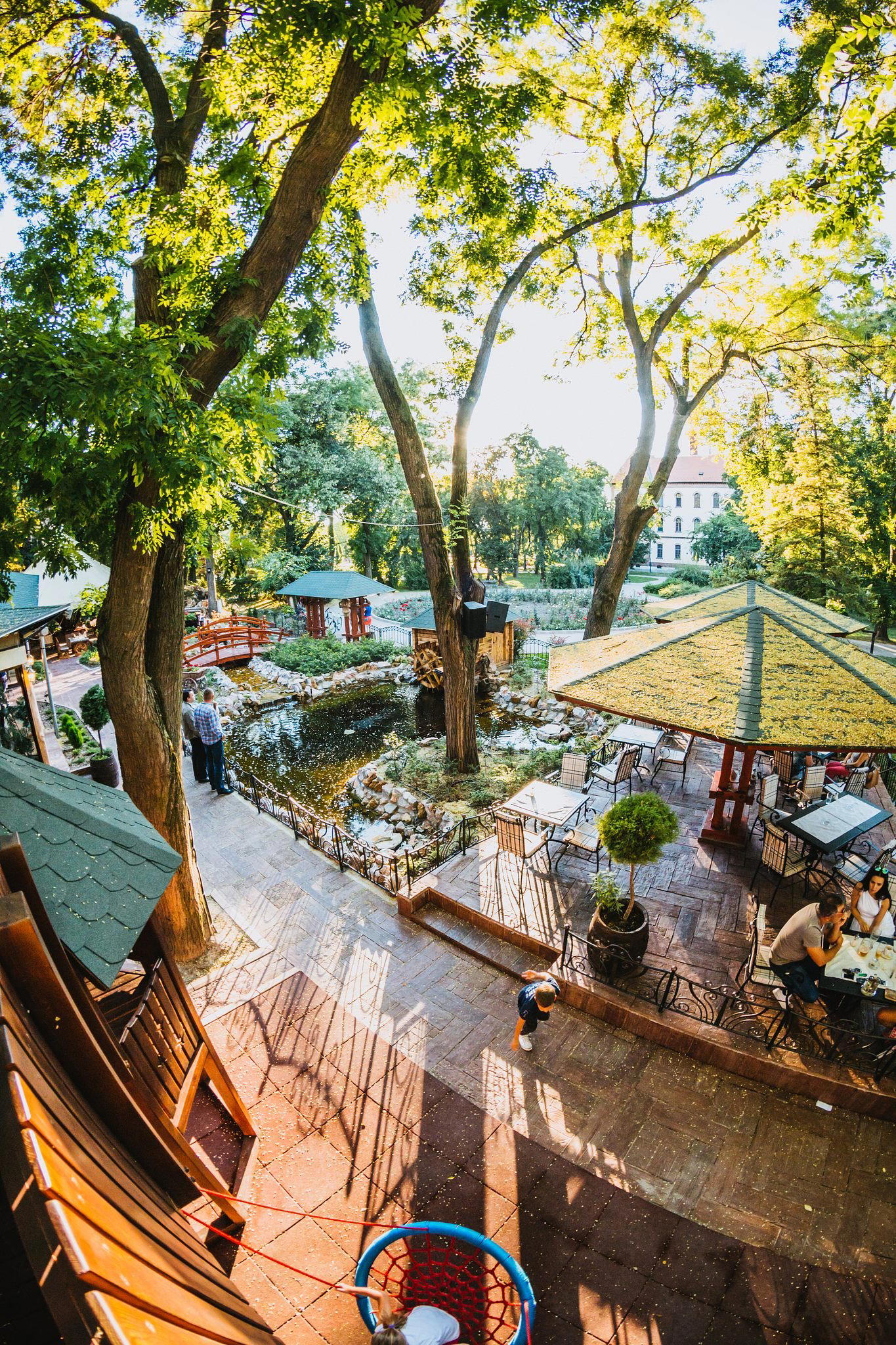
Where Park Heroja Meets the Vojvodina Kitchen
Etno Restoran Fijaker is a restaurant in Sombor, Serbia, serving Traditional Serbian Grill & Barbecue. Belgrade gets the fine-dining investment; Novi Sad draws the festival crowds. Sombor, a compact administrative center in the far northwest of Vojvodina, proceeds on its own terms: broad tree-lined streets, Austro-Hungarian civic architecture, and a local restaurant culture that answers to residents rather than tourism indexes. Etno Restoran Fijaker sits inside Park Heroja, one of the city's green anchors, and the address tells you something about the register it occupies, not a strip of commercial restaurants angling for foot traffic, but a destination chosen deliberately, set against the backdrop of the park's canopy rather than a busy thoroughfare.
The etno format, widespread across Serbia and the wider Balkans, sits in its own category. These are not restaurants defining themselves through technique or provenance storytelling in the way that European farm-to-table dining does. The etno tradition is older and less self-conscious: it draws from rural domestic cooking, from the specific ingredient logic of a region's agricultural history, and from the cultural memory of how food was prepared before industrialization standardized the Serbian table. In Vojvodina, that means a pantry shaped by flat fertile plains, significant river systems, and a multi-ethnic history that layered Hungarian, German, Slovak, and Serbian cooking traditions over centuries.
Vojvodina on the Plate: The Sourcing Logic
The ingredient story that defines etno cooking in this part of Serbia runs through produce rather than prestige proteins. Vojvodina's agricultural output is substantial, the region produces a significant share of Serbia's grain, vegetable, and livestock supply. For a restaurant operating in the etno frame, proximity to that output is a structural advantage. The distance between a Vojvodina kitchen and the farms supplying its larder is short in a way that restaurants in Belgrade, working through distribution networks, cannot fully replicate.
This matters for dishes built around freshwater fish, smoked meats, paprika-heavy braises, and seasonal vegetables. The Danube and its tributaries run through or near Sombor's broader municipality, keeping river fish a credible local option in a way that contrasts with the flown-in approach of more cosmopolitan Serbian menus. For a broader sense of how freshwater fish restaurants operate in this corner of the country, Riblja čarda Andrić offers a Sombor-area comparison point specifically focused on fish. Etno Restoran Fijaker operates in a wider register, Serbian etno cooking broadly construed, rather than as a fish specialist.
Across Serbia, the etno restaurant format has diversified considerably. Some operate as heritage theme parks, heavy on rustic decor and light on kitchen seriousness. Others, and this is the more interesting tier, function as genuine repositories of regional cooking, where the menu reflects what the surrounding area actually produces and how it has historically been prepared. Venues like Etno Kuća Dinar in Vrsac, ETNO PODRUM BRKA in Nis, and etno restoran Gaziya in Novi Pazar each reflect the regional character of their respective cities, which is the format at its most coherent. Fijaker's Vojvodina positioning places it in that more credible subset.
The Setting as Context
Approach from the park and the physical environment frames the experience before any food arrives. Serbian park culture treats green space as genuinely civic infrastructure, these are spaces for extended afternoon use, family gatherings, and unhurried movement, not decorative corridors between destinations. A restaurant embedded in that environment signals a particular pace. The fijaker (the Serbian term for a horse-drawn carriage, the kind that once moved goods and people through Vojvodina's market towns) carries its own temporal reference: a world where travel was slower and meals were taken at the rhythm of agricultural work rather than optimized schedules.
That context is relevant for first-time visitors calibrating expectations. Sombor's dining culture generally operates without the tempo pressure of Belgrade restaurant rooms, where tables turn and the kitchen moves fast. Here, and at comparable addresses across Vojvodina, the meal is a longer proposition. That pacing suits the etno format, which rarely works well under time compression.
Sombor's Dining Scene in Brief
Sombor does not have a deep restaurant field in the way that Novi Sad or Belgrade does, but within its scale, there is genuine variety. PIZZA ART operates at the casual, accessible end. SLON and STARI SLON represent the kind of traditional Serbian restaurant presence that anchors most provincial cities. Fijaker carves out its position through the etno framing and the park setting, which together make it a different kind of proposition from street-facing restaurants. For those mapping out a broader trip through the region, our full Sombor restaurants guide covers the city's options in depth.
The Serbian etno restaurant category has strong parallels elsewhere in the country. In Belgrade, places like Langouste approach the domestic-ingredient question from a more technically ambitious direction. In Novi Sad, Ananda represents a different pivot entirely. For those cross-referencing regional Serbian dining more broadly, Aleksandar Gold in Uzice and Borkovac in Ruma offer further points of comparison in terms of how Serbian restaurants outside the two main cities handle their local food identity. Closer to the Danube fishing culture, ČARDA ZLATNA KRUNA in Apatin shows how the river cuisine tradition operates in nearby towns.
Planning a Visit
The address, Sonje Marinković bb, Park Heroja, 25000 Sombor, places Fijaker within easy reach of Sombor's central area. Sombor itself is roughly 170 kilometers from Belgrade by road, and considerably closer to Novi Sad, making it a viable day trip or overnight stop for those moving through Vojvodina. The park setting means arrival on foot from the center is a natural approach. Sombor is a quiet city and the restaurant's park location means it is not in a district with dense backup options if the timing is off.
Fleur de Sel in Novi Slankamen applies similar regional fidelity in a different register, and beyond the Balkans entirely, the tasting-menu philosophy at Lazy Bear in San Francisco or the ingredient discipline at Le Bernardin in New York City show how the underlying question of provenance operates across radically different price points and culinary traditions. The answer Fijaker offers is specific to Vojvodina, which is precisely what makes it worth the detour.
Fast Comparison
Comparable venues nearby, for context on price, style, and recognition.
| Venue | Cuisine | Price | Notes |
|---|---|---|---|
| Etno Restoran FijakerThis venue — the venue you are viewing | Traditional Serbian Grill & Barbecue | $$ | Not listed |
| STARI SLON | Traditional Serbian Barbecue | $$ | city center |
| SLON | Traditional Serbian Barbecue & Grill | $$ | Sombor |
| Riblja čarda Andrić | Traditional Serbian Fish Čarda | $$ | Štrand |
| PIZZA ART | Neapolitan Pizza | $$ | Vojvođanska |
| Restoran Kod Jukića | Balkan Barbecue | $$ | Sjenica |
Continue exploring
More in Sombor
Restaurants in Sombor
Browse all →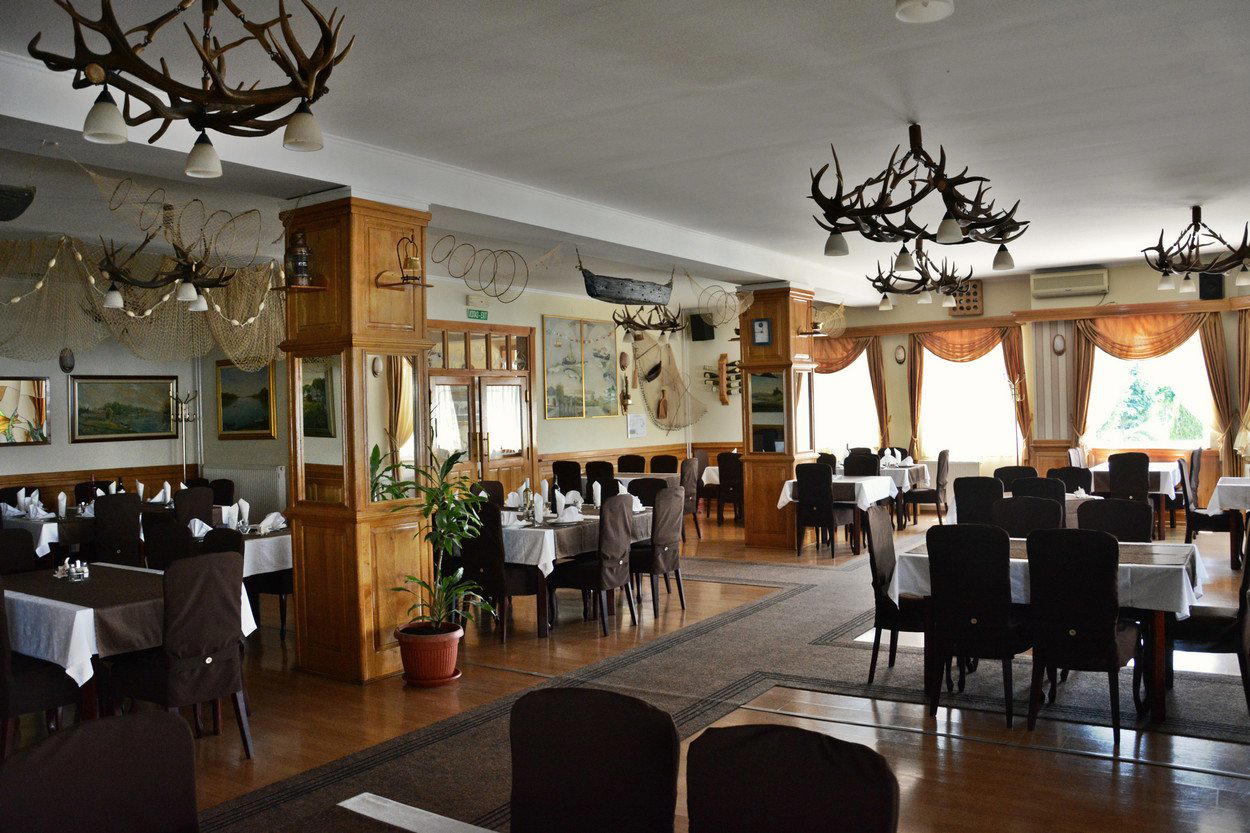

At a Glance
- Rustic
- Classic
- Cozy
- Elegant
- Group Dining
- Family
- Celebration
- Casual Hangout
- Special Occasion
- Live Music
- Garden
- Private Dining
- Terrace
- Extensive Wine List
- Beer Program
- Local Sourcing
- Garden
Current opening hours
- Monday
- 8 AM–12 AM
- Tuesday
- 8 AM–12 AM
- Wednesday
- 8 AM–12 AM
- Thursday
- 8 AM–12 AM
- Friday
- 8 AM–12 AM
- Saturday
- 8 AM–12 AM
- Sunday
- 8 AM–12 AM
Hours can change for holidays and private events. Last verified .
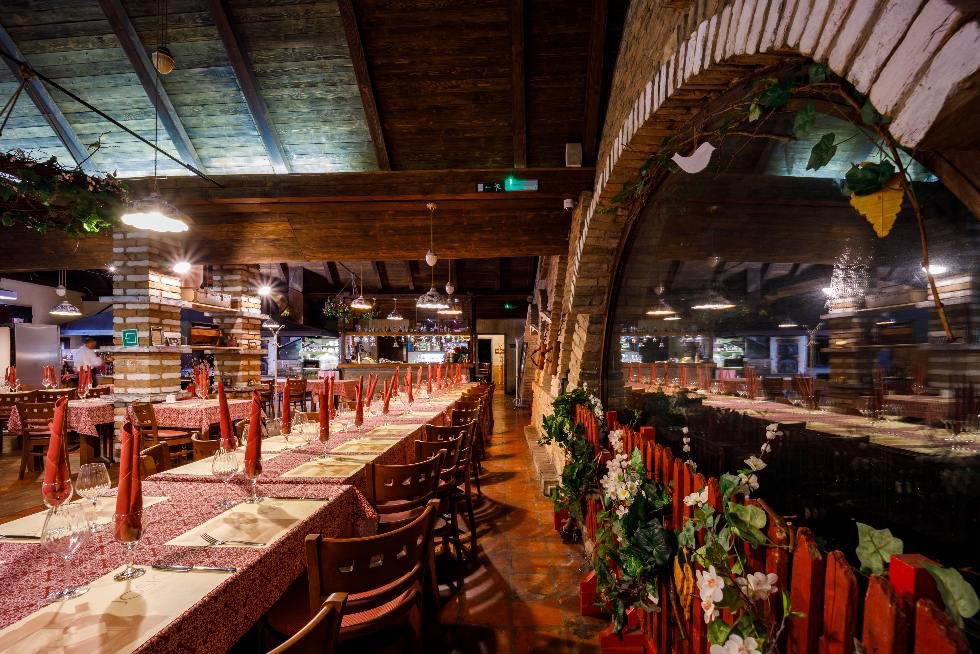
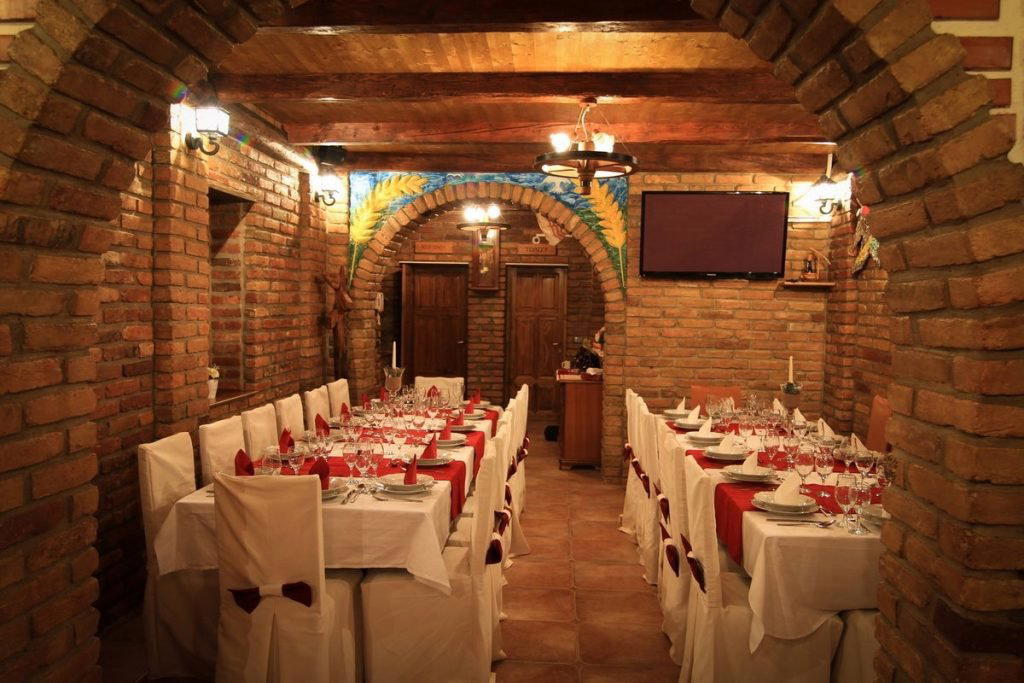
Warm, inviting atmosphere balancing traditional Serbian charm with sophisticated dining, featuring ambiental music and a beautiful garden area that evokes old-world hospitality.