etno restoran Gaziya
Etno restoran Gaziya sits on Rifata Burdževića in Novi Pazar, positioning itself within the city's tradition of ethnographic dining rooms that treat Serbian and Sandžak culinary heritage as primary source material. The format favours locally rooted ingredients and traditional preparation methods over contemporary interpretation. For visitors tracing the Raška region's food culture, Gaziya is a practical and purposeful address.
Pearl is the En Primeur Club membership app — saves, bookings, and concierge access live there. Same editors, same standards.
- Address
- Rifata Burdževića 1, Novi Pazar 36300, Serbia
- Phone
- +381205151200
- Directions
- Get directions
 Saves & bookings on Pearl
Where Sandžak Cooking Meets Its Raw Material
Novi Pazar occupies a distinct position in Serbian food culture. As the administrative centre of the Raška region, it sits at the intersection of Ottoman culinary inheritance and the pastoral traditions of the Dinaric highlands, where lamb, dairy, and slow-cooked grains have shaped the table for centuries. The city's ethnographic restaurants, a category that has grown in visibility across Serbia's secondary cities over the past decade, tend to anchor their identity in this dual inheritance. Etno restoran Gaziya is a restaurant in Novi Pazar serving Traditional Serbian Ethnic Cuisine. It is at Rifata Burdževića 1 and has.
The ethnographic dining format matters here in a specific way. Unlike the genre as it operates in, say, Vojvodina, where places like Etno Restoran Fijaker in Sombor draw on the Pannonian agricultural belt, or in the wine country around Vršac, where Etno Kuća Dinar sits closer to vine-growing tradition, Gaziya's context is mountain and market. The sourcing logic that runs through Sandžak kitchens follows the seasons of highland grazing and the outputs of small-scale producers in the surrounding villages. That is the editorial premise the kitchen works from, even if the specifics of what arrives at the table shift with season and supply.
The Ingredient Logic of the Raška Table
Serbia's interior, particularly the Raška and Zlatibor zones, produces some of the country's most closely observed artisanal foodstuffs. Kajmak from this region, a clotted cream-adjacent dairy product aged in wooden vessels, has a specificity of flavour that supermarket versions in Belgrade cannot replicate. The lamb that grazes the Pešter plateau, the high karst plain a short drive south of Novi Pazar, carries a mineral quality in its fat that reflects the limestone pasture. These are not marketing abstractions. They are measurable differences in ingredient character that explain why ethnographic restaurants in this corner of Serbia carry a sourcing argument that some of their counterparts in urban centres cannot make convincingly.
Ethnographic restaurants across Serbia's cities have adopted the format with varying degrees of commitment to this sourcing premise. In Niš, ETNO PODRUM BRKA operates in a different regional register, drawing on Nišava valley tradition. Gaziya's advantage, if its format genuinely reflects local sourcing practice, is proximity: the producers are not figurative but geographically immediate.
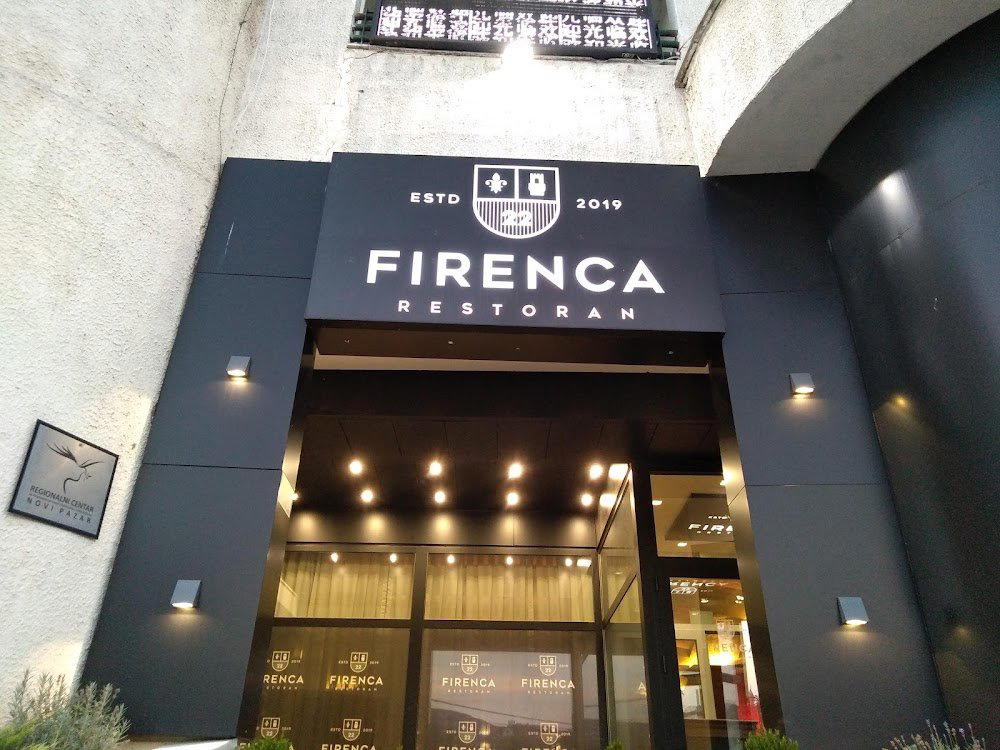
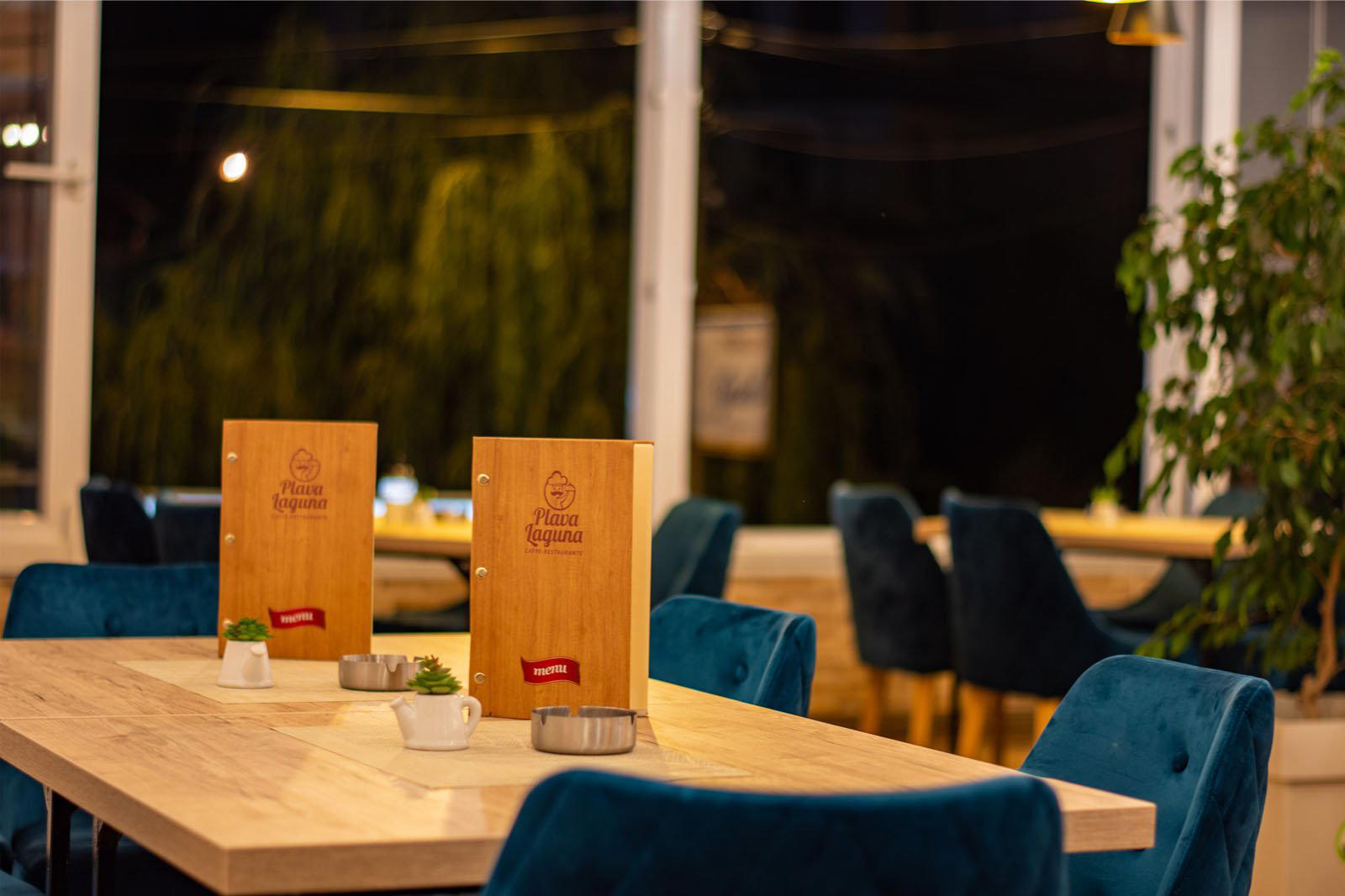
Within Novi Pazar itself, the dining room competes in a small field. FIRENCA 22 and PLAVA LAGUNA represent other anchors in the city's restaurant offer, while the roštilj tradition is carried by addresses like Šadrvan Roštilj kod Jonuza and Šadrvan | Kod Jonuza, which occupy the grilled-meat segment that remains the city's most competitive dining category. Gaziya's ethnographic positioning places it in a different tier, one where the interior atmosphere, the breadth of traditional preparation, and the sourcing argument carry more weight than fire and speed.
The Dining Room as Cultural Frame
Ethnographic restaurants in Serbia typically invest in the physical space as a form of argument. Wooden furniture, folk textiles, ceramic serveware, and the visual grammar of rural heritage are deployed to signal that the kitchen is operating from a particular cultural premise. This is not decoration for its own sake. The leading examples of the format use interior design to prime the guest for ingredient-driven, low-intervention cooking. The room tells you what you are about to eat before the menu arrives.
Gaziya's address on Rifata Burdževića places it in the older fabric of Novi Pazar, a city whose Ottoman-era čaršija and surrounding residential quarters carry more historical texture than most Serbian cities of comparable size. Approaching a restaurant in this urban context is different from arriving at a roadside etno kuća on a national highway. The city wraps the experience with its own weight, and a well-positioned ethnographic restaurant here can carry that context into the meal.
For comparison across Serbia's wider restaurant culture, the sourcing-forward approach Gaziya implies is also visible, in a more technically ambitious register, at places like Fleur de Sel in Novi Slankamen or Aleksandar Gold in Uzice. Both operate closer to the contemporary end of the spectrum but are anchored to regional ingredient identity in ways that resemble, at a different price register, what the ethnographic format attempts at ground level.
Planning Your Visit
Novi Pazar is reached by road from Belgrade in approximately three to three and a half hours via the Ibarska magistrala; the city has no rail connection to the national network and no commercial airport, making private or rented vehicle the practical choice for most visitors. The restaurant's address at Rifata Burdževića 1 places it within walking distance of the čaršija, which means it can be absorbed into a broader afternoon in the city's historic core without requiring a separate journey.
Reservations are recommended. Those approaching from the north or east and interested in how the ethnographic format varies across Serbian regions might also look at Borkovac in Ruma or Ananda in Novi Sad for contrast in style and setting.
The commitment to ingredient provenance that distinguishes Lazy Bear in San Francisco or the disciplined produce logic at Le Bernardin in New York City operates in a completely different price tier and culinary tradition, but the underlying premise, that where something comes from determines what it tastes like, is the same argument a well-run Sandžak kitchen makes without the critical apparatus around it.
Quick Comparison
Comparable venues nearby, for context on price, style, and recognition.
| Venue | Cuisine | Price | Notes |
|---|---|---|---|
| etno restoran GaziyaThis venue — the venue you are viewing | Traditional Serbian Ethnic Cuisine | $$ | Not listed |
| FIRENCA 22 | International Casual Grill | $$ | Kej 37. Sandžačke Divizije |
| Šadrvan | Kod Jonuza | Novi Pazar Ćevapi Grill | $ | city center |
| Šadrvan Roštilj kod Jonuza | Traditional Balkan Grilled Meat | $ | City Center |
| PLAVA LAGUNA | Fresh Seafood & Fish Grill | $$ | Kej 37. Sandžačke Divizije |
| Kod Nemca | Traditional Serbian Kafana | $$ | Parmenac |
Continue exploring
More in Novi Pazar
Restaurants in Novi Pazar
Browse all →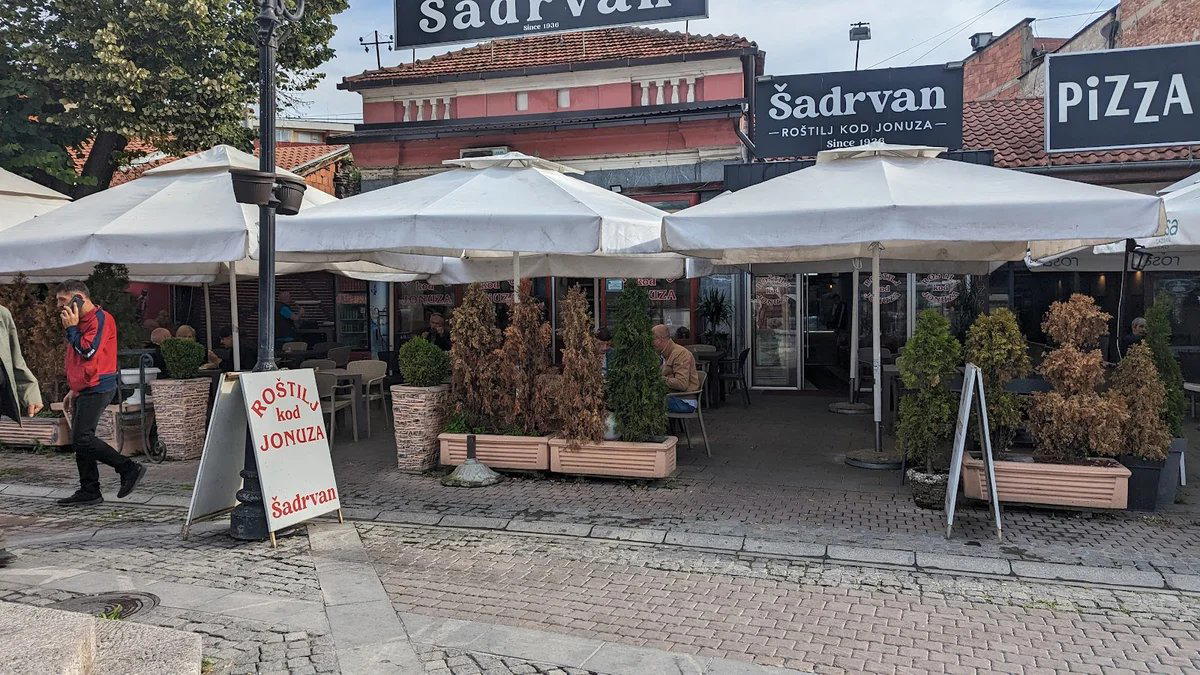
Hotels in Novi Pazar
Browse all →
Wineries in Novi Pazar
Browse all →
At a Glance
- Rustic
- Cozy
- Classic
- Casual Hangout
- Group Dining
- Family
- Standalone
Current opening hours
- Monday
- 7 AM–11 PM
- Tuesday
- 7 AM–11 PM
- Wednesday
- 7 AM–11 PM
- Thursday
- 7 AM–11 PM
- Friday
- 7 AM–11 PM
- Saturday
- 7 AM–11 PM
- Sunday
- 7 AM–11 PM
Hours can change for holidays and private events. Last verified .
Traditional ethnic atmosphere with rustic decor reflecting Serbian cultural heritage.