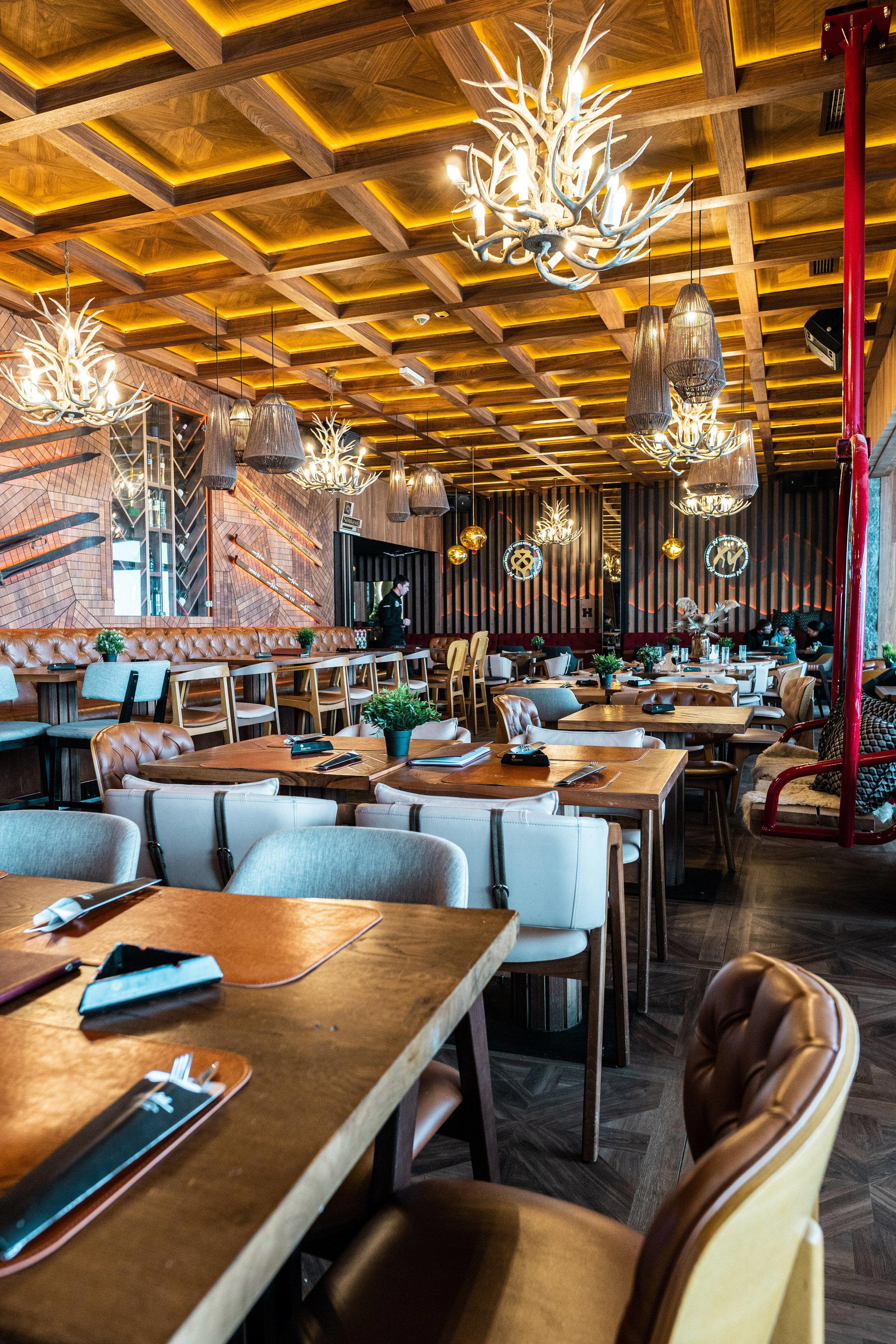
La Pista sits on Kopaonik's Sunčani vrh slope, positioning itself within Serbia's most concentrated mountain dining scene. The address places it squarely in the resort circuit where ski-in convenience and altitude-sourced ingredients define the offer. For visitors to the Raska region, it represents the kind of mountain table where the surroundings do as much work as the kitchen.
Pearl is the En Primeur Club membership app — saves, bookings, and concierge access live there. Same editors, same standards.
- Address
- Sunčani vrh, Kopaonik, Serbia
- Phone
- +381602500547
- Website
- gorskihotel.com
- Directions
- Get directions
 Saves & bookings on Pearl
Altitude and Appetite on Kopaonik
Mountain dining in Serbia operates on terms set largely by geography. Kopaonik, the country's primary ski resort, sits above 1,700 metres at its upper stations, and the restaurants that have built reputations here do so against a backdrop where access, seasonality, and ingredient provenance carry more weight than in city dining. La Pista occupies the Sunčani vrh address on that mountain, placing it within a resort dining tier that competes less on urban sophistication and more on the logic of place: what grows or grazes nearby, what arrives when the road permits, and what a skier or hiker genuinely needs at altitude. Across Serbia's mountain regions, from the Zlatibor plateau to the peaks above Cajetina, this model of terrain-rooted hospitality has defined durable dining rooms. La Pista sits within that same tradition.
The Sourcing Argument at Altitude
The broader case for mountain restaurants in central Serbia rests substantially on ingredient provenance. The Raska region, which encompasses Kopaonik and the surrounding valleys, has a long agricultural identity: lamb raised on high-altitude pasture, wild mushrooms gathered from the forest margins, dairy from small herds that range across the plateau through the warmer months. These are not decorative local-colour details but functional supply-chain facts that shape what mountain kitchens can credibly put on a plate. The short distance between pasture and kitchen, a structural advantage that lowland restaurants cannot replicate regardless of budget, gives Kopaonik dining its most defensible claim to quality. Venues in this register, including La Pista at Sunčani vrh, draw on a supply base that Belgrade restaurants pay a premium to approximate. For context on how ingredient sourcing shapes restaurant identity across Serbia, Lovački dom in Valjevo and Kafana Pećinar Ljubiš in Cajetina illustrate how forested and pastoral settings anchor kitchen decisions in similar ways.
Where La Pista Sits in the Kopaonik Dining Set
Kopaonik's resort strip supports a range of dining formats, from hotel dining rooms attached to large ski properties to smaller slope-side operations that serve the lunch and après-ski crowd. The Grand **** in Kopaonik represents one end of that spectrum, anchored by a large hotel infrastructure. The restaurant's Sunčani vrh position places it at the slope level, which is a different proposition: closer to the physical experience of the mountain, more likely to attract guests mid-activity rather than at the end of a formal evening. This slope-adjacent format is common across European ski resorts, where the leading mountain restaurants earn loyalty not through formal dining codes but through consistency of execution when conditions demand speed, warmth, and caloric substance in roughly equal measure. That comparable set runs from the Italian Dolomites to the French Alps, and the Serbian version on Kopaonik is a credible participant in that broader alpine dining tradition.
The Regional Table: What Mountain Serbia Actually Eats
Understanding what to expect from a Kopaonik restaurant requires some familiarity with what Serbian mountain cooking actually does. This is not a cuisine of delicate plating or imported luxury ingredients. It is built around roast meats, particularly lamb and veal slow-cooked under a peka (the domed cast-iron lid that is to Serbian rustic cooking what the tagine is to North African), grilled meats served with lepinja flatbread, thick bean soups, and seasonal vegetables preserved or fresh depending on the month. Cheese from local dairies arrives as an appetiser course or incorporated into pastry. Wild mushroom dishes follow the forage calendar. In winter, heavier preparations dominate; in late spring and early summer, the kitchen can draw on fresh produce from the valley farms below the resort. This seasonal rhythm is not a marketing posture but a practical constraint that, executed well, produces food with a clarity of source that more elaborate cuisines often sacrifice. For comparison with how similar traditions play out in other Serbian regions, Kafana Studenac in Bajina Basta, Etno Kuća Dinar in Vrsac, and Koliba Etno Restoran in Leskovac all work within comparable frameworks of regionally sourced, seasonally driven Serbian cooking.
Planning a Visit: What the Kopaonik Context Requires
Kopaonik operates on a compressed seasonal calendar. The ski season runs from approximately December through March, during which the resort reaches its peak density and mountain restaurants operate at full capacity. The summer hiking season, from June through September, brings a second wave of visitors and a notably different kitchen rhythm, with fresh mountain produce available and the dining room less pressured. The shoulder months, October to November and April to May, see reduced services across many resort properties. Arriving outside peak season typically means a quieter experience but with no guarantee that all venues maintain full hours. The restaurant's Sunčani vrh address puts it within the main resort zone, accessible during ski season on foot or via slope, and reachable by road through the warmer months. Visitors travelling from Belgrade should factor in roughly three hours of driving via the Ibar highway through Raska town, where the road begins its climb toward the plateau. For those exploring the wider Raska region as part of a Serbian restaurant circuit, our full Raska restaurants guide covers the regional context in detail. Those interested in comparing mountain and valley dining traditions within Serbia might also reference Kod Brana in Cacak, Aleksandar Gold in Uzice, and KAFANA DUKAT in Pirot. For contrast with Serbia's urban fine-dining tier, Langouste in Belgrade and Kafe Restoran Maša in Novi Sad operate in a substantially different register. Further afield, Kod poštara in Aran Elovac, Windmill in Pancevo, and ČARDA ZLATNA KRUNA in Apatin illustrate how dining identity shifts by region across Serbia. For reference points from the highest tier of international restaurant culture, Le Bernardin in New York City and Atomix in New York City show how sourcing precision operates at a globally recognised level. ETNO PODRUM BRKA in Nis rounds out the picture of how ethno-style Serbian dining operates across the country's major cities.
In Context: Similar Options
Comparable venues nearby, for context on price, style, and recognition.
| Venue | Cuisine | Price | Notes |
|---|---|---|---|
| La PistaThis venue — the venue you are viewing | Italian Pizza Restaurant | $$ | Not listed |
| LAV PICERIJA | Wood-Fired Pizza | $$ | Soko Banja Central |
| RESTORAN DUOMO | Traditional Italian Pizza and Pasta | $$ | Dorcol |
| Osteria Mozzarella | Regional Italian Osteria | $$ | Novi Belgrade |
| Pizza Favola | Pizza | $$ | Kragujevac |
| Fish & Zeleniš | Mediterranean Seafood | $$ | City Center |

At a Glance
- Family
- Casual Hangout
- Mountain
Current opening hours
- Monday
- 12–8 PM
- Tuesday
- 12–8 PM
- Wednesday
- 12–8 PM
- Thursday
- 12–8 PM
- Friday
- 12–10 PM
- Saturday
- 12–10 PM
- Sunday
- 12–8 PM
Hours can change for holidays and private events. Last verified .