At Kopaonik's mountain elevation, GARDEN occupies a position where alpine setting and ingredient provenance naturally converge. The surrounding Kopaonik National Park shapes what lands on the plate, with Serbia's highest-altitude dining scene informed by forest, pasture, and seasonal rhythms that change sharply between ski season and summer. For those spending time on the mountain, it represents a logical stop within a short but increasingly considered local dining circuit.
Pearl is the En Primeur Club membership app — saves, bookings, and concierge access live there. Same editors, same standards.
- Address
- 7RM6+XX, Nikole Tesle 8, Kopaonik 36354, Serbia
- Phone
- +381648717545
- Website
- grandkopaonik.com
- Directions
- Get directions
 Saves & bookings on Pearl
Mountain Altitude, Mountain Ingredients
Kopaonik sits at elevations about 1,700 metres, and that geography does something specific to the food supply. The national park that surrounds Serbia's primary ski resort enforces land-use rules that limit industrial agriculture within and immediately around it, which means local sourcing here is less a marketing decision than a practical reality. Producers working at altitude, dairy farmers, foragers, small meat operations, supply a circuit of mountain restaurants that functions quite differently from the urban dining scenes in Belgrade or Novi Sad. What those city restaurants pursue deliberately, Kopaonik venues inherit by circumstance.
GARDEN operates within that context. It is a casual restaurant in Kopaonik serving Traditional Serbian Mountain Cuisine. The name signals an orientation toward growing and provenance, which aligns with a broader pattern visible across mountain-resort dining in the western Balkans: restaurants that lean into the agricultural character of their location rather than importing a city-style menu to altitude. The produce calendar here runs shorter and later than at lower elevations, summer herbs and berries arrive weeks behind the lowland schedule, and that compression shapes what kitchens can work with across the year.
The Setting and What It Communicates
The address places GARDEN on Nikole Tesle street in the Kopaonik resort core, which puts it inside the cluster of accommodation and dining that serves both the winter ski season and the quieter but growing summer hiking and wellness market. Resort-core positioning in Kopaonik is not equivalent to central-city positioning in a larger Serbian town: the immediate environment is mountain terrain, the pace is slower, and the clientele tends to be staying nearby rather than making a specific dining journey.
Approaching from the resort centre, the mountain setting is inescapable in a way that few Serbian dining environments can match. The altitude means light behaves differently, temperatures drop sharply after dusk even in August, and the surrounding national park creates a stillness that urban venues approximate but cannot replicate. For a venue named GARDEN, that environmental context carries particular weight, it frames what an ingredient-led approach means when the landscape producing those ingredients is immediately visible rather than abstract.
Serbia's mountain dining scene has a parallel in the way that restaurants adjacent to protected natural areas across southern Europe have developed in recent decades. The constraint of limited agricultural land and protected foraging zones tends to produce kitchens with stronger local sourcing discipline than comparable resort venues in areas with easier supply chains. The Zlatibor and Zlatar mountain regions further west have demonstrated a version of this dynamic, and Kopaonik is developing its own version as visitor numbers grow across both winter and off-season periods.
Kopaonik's Dining Circuit in Context
The restaurant scene at Kopaonik is compact by necessity. The resort serves a concentrated visitor population during ski season (roughly December through March) and a smaller but growing segment in summer. Most venues operate year-round or close for only brief shoulder periods, which means kitchens must adapt menus to two distinct ingredient seasons: the cold-weather supply chain dominated by preserved, cured, and root-vegetable staples, and the warmer months when fresh mountain produce becomes available.
Within Serbia's broader dining geography, Kopaonik sits at the opposite end of the spectrum from the contemporary tasting-menu format that defines restaurants like Langouste in Belgrade or the refined rural positioning of Fleur de Sel in Novi Slankamen. Mountain-resort dining here is shaped by volume, seasonality, and a clientele that arrives hungry after physical activity rather than as a primary leisure purpose. The reference points that matter most are the other Kopaonik venues, including Grand in the resort, rather than the wider national scene.
That said, the ingredient-sourcing angle that a name like GARDEN implies connects to a movement visible across Serbian regional dining. Venues such as Etno Kuća Dinar in Vrsac, ETNO PODRUM BRKA in Nis, and Etno Restoran Fijaker in Sombor have each built identity around regional provenance and traditional technique. The Kopaonik version of that approach is shaped by altitude and protected-park geography rather than lowland agricultural tradition, which gives it a distinct character even within the same broad trend.
What the Ingredient Angle Means in Practice
Mountain foraging has deep roots in Serbian rural culture, and Kopaonik's national park status has preserved the ecosystem that makes it viable. Wild mushrooms, particularly during autumn, define a short but intense supply window. Summer brings juniper, wild garlic, and various highland herbs that do not grow at lower elevations. Dairy from mountain pastures, sheep and goat milk products in particular, carries a fat profile and flavour intensity that reflects the diversity of highland grasses rather than the monoculture feed of lowland operations.
For a restaurant positioned within this supply chain, the seasonal discipline is non-negotiable. Unlike urban venues in Belgrade or the more internationally oriented restaurants benchmarked against formats like Le Bernardin in New York City or Lazy Bear in San Francisco, a Kopaonik kitchen cannot rely on consistent year-round delivery from national distributors in the same way. The mountain location enforces a closer relationship between what grows nearby and what appears on the table, which is simultaneously a constraint and the source of whatever distinctiveness the local dining scene has developed.
Other regional venues across Serbia demonstrate what this kind of sourcing discipline produces at its leading: Borkovac in Ruma works with the water and fish resources of its specific terrain, while ČARDA ZLATNA KRUNA in Apatin and Fish and Zeleniš in Novi Sad do the same with Danube fish culture. The mountain equivalent at Kopaonik replaces river fish with highland game, foraged plants, and altitude dairy.
Planning Your Visit
Kopaonik is accessible by road from Novi Sad (approximately three and a half hours) and Belgrade (roughly two and a half to three hours depending on route), with the final ascent requiring comfort with mountain driving, particularly in winter conditions. GARDEN recommends reservations. The ski season draws the heaviest visitor concentration, and most resort venues operate at close to full capacity on winter weekends. Summer visits offer a quieter version of the mountain, with hiking and cycling replacing skiing as the primary draw, and the ingredient calendar at its most interesting for fresh produce. Visiting in the shoulder periods between seasons, late spring and late autumn, can mean reduced operating hours across resort restaurants, so confirming current availability before travel is sensible. For a broader read on where GARDEN sits within the Kopaonik dining options, comparisons with venues such as Cafe Boem in Pirot, Gallery Caffe in Cacak, Burrito Madre in Pancevo, and Etno Restoran Gaziya in Novi Pazar help place it within a wider Serbia itinerary.
At-a-Glance Comparison
Comparable venues nearby, for context on price, style, and recognition.
| Venue | Cuisine | Price | Notes |
|---|---|---|---|
| GARDENThis venue — the venue you are viewing | Traditional Serbian Mountain Cuisine | $$ | Not listed |
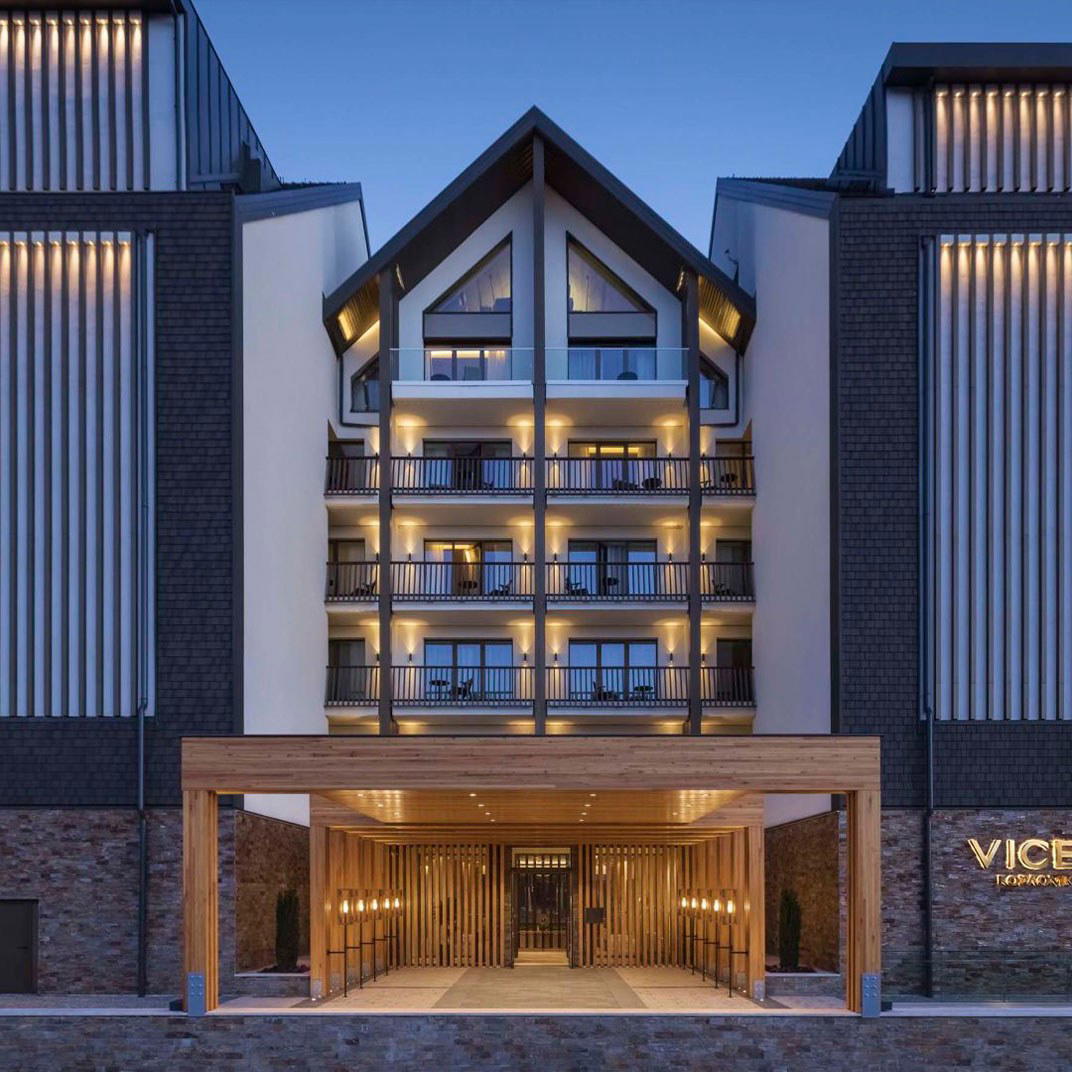
| Grand **** | French Fusion Fine Dining | $$$$ | Kopaonik |
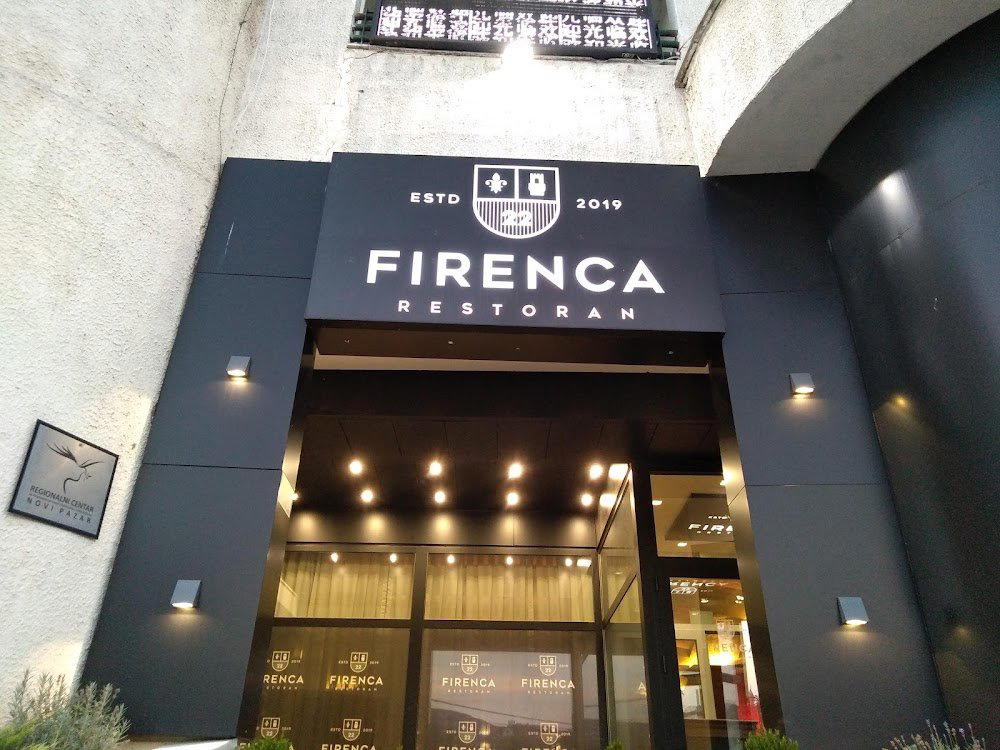
| FIRENCA 22 | International Casual Grill | $$ | Kej 37. Sandžačke Divizije |
| Znak pitanja (?) | Traditional Serbian Kafana | $$ | Stari Grad |
| Gočko | Serbian Traditional BBQ | $$ | Vrnjacka Banja |
| RESTORAN KOVAČ | Traditional Serbian | $$ | Voždovac |

At a Glance
- Rustic
- Cozy
- Casual Hangout
- Family
- Garden
- Local Sourcing
- Garden
- Mountain
Current opening hours
- Monday
- 9 AM–11 PM
- Tuesday
- 9 AM–11 PM
- Wednesday
- 9 AM–11 PM
- Thursday
- 9 AM–11 PM
- Friday
- 9 AM–11 PM
- Saturday
- 9 AM–11 PM
- Sunday
- 9 AM–11 PM
Hours can change for holidays and private events. Last verified .
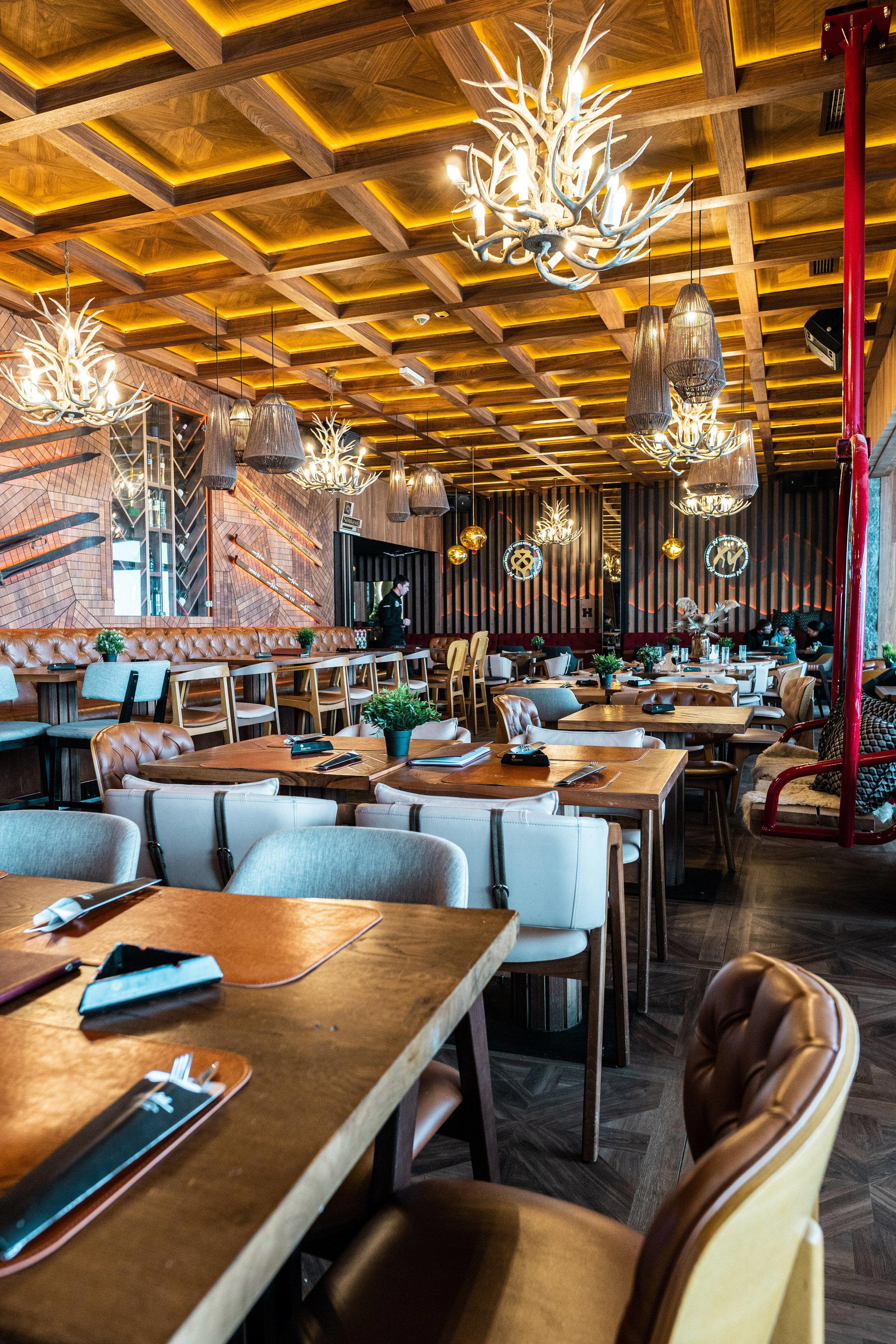
Informal and convivial atmosphere designed for comfort rather than ceremony.