Kano

Kano brings Asian cuisine to the centre of Kragujevac, positioning itself as one of the few kitchens in Serbia's fourth-largest city where East Asian culinary techniques meet a considered drinks programme. The address on Milovana Glišića places it within reach of the city's compact dining district, and the approach, traditional recipes reframed with contemporary method, gives it a different register from the region's dominant kafana tradition.
 Discover on Pearl
Pearl is the En Primeur Club membership app — saves, bookings, and concierge access live there. Same editors, same standards.
- Address
- Milovana Glišića 23, Kragujevac, Serbia
- Phone
- +381 34 250335
- Website
- chokano.com
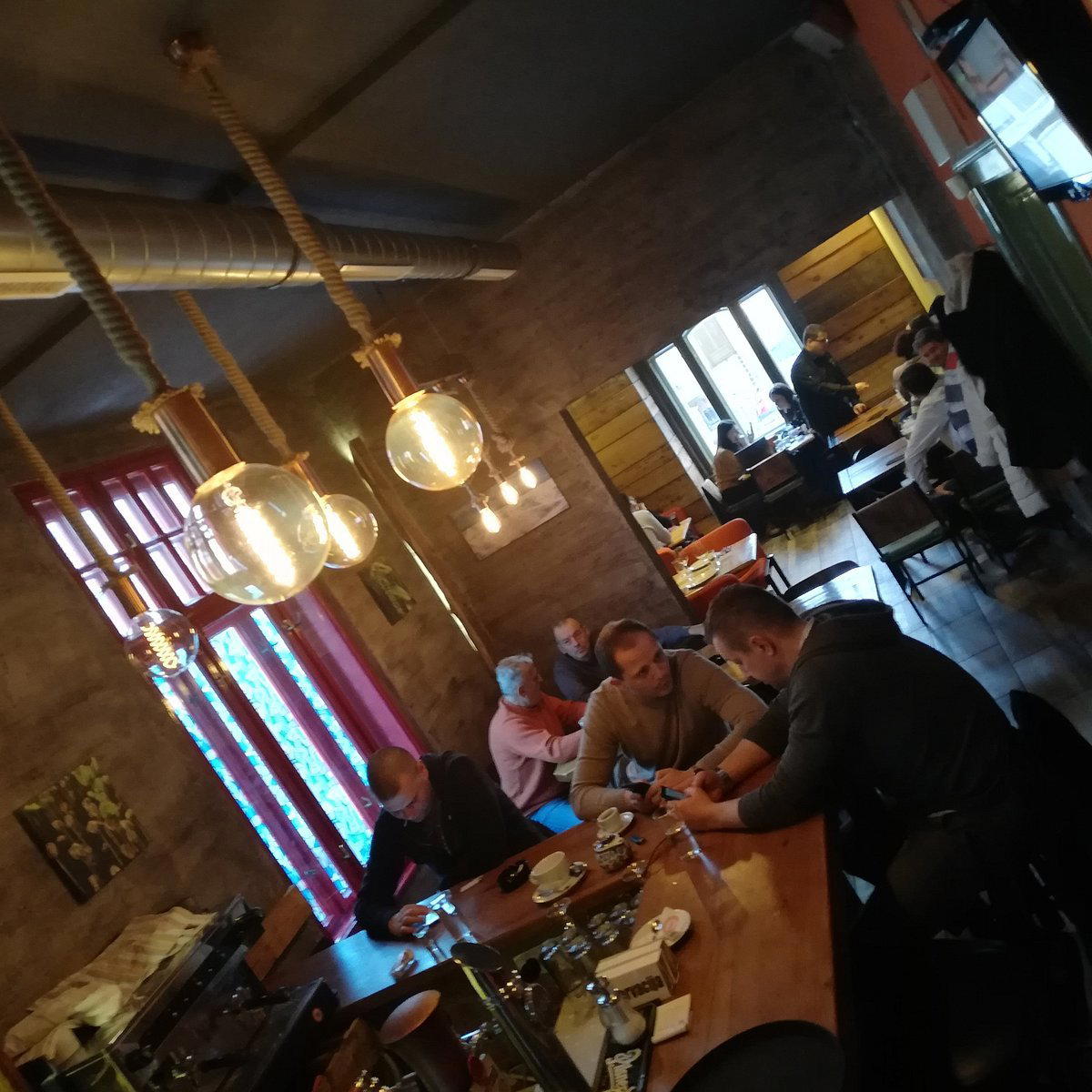
Asian Flavour in a Serbian City That Rarely Gets One
Kragujevac is not a city that appears on most international food itineraries. Serbia's fourth-largest urban centre, historically defined by its automotive industry and the Zastava legacy, has a dining culture anchored in grilled meats, domestic wine, and the kafana format that still shapes how most residents eat out. That context matters when assessing what Kano is doing at Milovana Glišića 23. An Asian kitchen operating in this environment is not filling an oversaturated niche, it is operating in near-total category isolation, which places it in a different competitive position than a comparable concept would hold in Belgrade or Novi Sad.
Kano registers as one of the clearest departures from the city's default culinary mode. Where most local addresses draw on Central Balkan traditions, Kano pulls from East and Southeast Asian source material, applying what its kitchen describes as contemporary technique to traditional Asian recipes. That framing, familiar flavour logic, updated execution, is a recognisable model in European cities that have absorbed Asian cooking over decades. In Kragujevac, it reads as a more deliberate editorial statement.
The Drinks Side: Where Kano's Programme Gets Interesting
For a venue operating in a secondary Serbian city, the cocktail and drinks dimension is where the most editorial weight sits. The Serbian bar scene has developed unevenly outside Belgrade: the capital has produced serious cocktail programmes, with addresses like Konoba and Wine Bar Tata Mata in Belgrade representing a more considered approach to the wine and spirits format, while cities like Korpa Deli Market and Bistro in Novi Sad have built their own identity around informal, market-adjacent drinking culture. Kragujevac has fewer reference points in this register.
An Asian-inflected kitchen in this environment creates natural hooks for a drinks programme that can draw on a wider flavour vocabulary than domestic venues typically explore: fermented bases, botanicals common in East Asian cooking, citrus-forward structures, and the kind of umami-adjacent balance that has driven cocktail development at venues like Kumiko in Chicago, where Japanese whisky and Japanese culinary philosophy have been explicitly woven into the cocktail format. That model, where the kitchen's flavour logic informs the bar's creative direction, is the more interesting question to ask of Kano. The structural conditions for it exist.
Globally, the bars that have shaped how Asian flavour enters cocktail culture have tended to fall into two camps: those that centre technique and transparency, following a path closer to what 28 HongKong Street in Singapore established in the early 2010s, and those that prioritise accessibility and warmth without sacrificing ingredient rigour, a model closer to Bar Leather Apron in Honolulu. Kano's position in Kragujevac means it does not need to compete at that tier to be significant locally, but the reference points are useful for understanding what an ambitious drinks programme in this idiom might reach toward.
Placing Kano in a Broader European Bar and Dining Conversation
Across Europe, the movement of Asian culinary ideas into non-metropolitan cities has generally followed a predictable sequence: major capitals absorb the format first, regional cities follow a decade or more behind, and secondary cities often receive a diluted or simplified version. Kano's existence in Kragujevac suggests the curve is compressing. The same dynamic has played out in other mid-size European markets, where a single well-positioned Asian kitchen can define a category for years simply by being first and consistent.
For comparison, consider how cocktail culture has taken root in cities outside the obvious tier-one hubs. The Parlour in Frankfurt, 1806 in Melbourne, and 1930 in Milan each developed strong programme identities in cities that were not obvious centres for the format at the time of opening. The pattern is consistent: early positioning in a market with low competition allows a venue to define the category rather than compete within it. Kano holds a version of that structural advantage in Kragujevac's Asian dining and drinks space.
Further afield, venues like Jewel of the South in New Orleans, Julep in Houston, and Superbueno in New York City have each built drinks identities that are inseparable from a specific cultural flavour logic, Southern American, Texan, Latin respectively. The lesson from that peer group is that the most durable cocktail programmes are not those that import a global template wholesale, but those that find the intersection between the venue's culinary identity and what a local audience is prepared to engage with. That negotiation is the interesting one to watch at Kano as the Kragujevac dining public becomes more adventurous.
What to Expect Visiting Kano
Kano sits on Milovana Glišića 23 in Kragujevac's city centre. The venue draws on traditional Asian recipes updated with contemporary technique, a broad framing that encompasses a wide range of possible execution, from clean Japanese-influenced plating to bolder Southeast Asian flavour profiles. The specific menu format, pricing, and seating capacity are not confirmed in available public data at the time of writing, and direct contact with the venue is the most reliable way to get current details before visiting.
In terms of energy, Kano reads as a venue that positions itself toward the considered end of the dining and drinking spectrum rather than the high-volume end, the category isolation it occupies in Kragujevac tends to attract a more curious, deliberate diner than walk-in casual trade. That said, it would be premature to characterise the atmosphere with precision without verified firsthand accounts. What the structural picture suggests is a venue that functions as a point of difference in a city that does not have many of them in this food and drink category.
Planning Your Visit
Kano's address on Milovana Glišića places it in the walkable city centre. Reservations are recommended. For travellers building a Serbia itinerary that moves beyond the capital, Kragujevac's dining scene is compact but developing, and Kano occupies a specific and currently uncontested position within it.
Frequently Asked Questions
- Is Kano more low-key or high-energy? Based on its positioning in Kragujevac's dining scene, a secondary Serbian city where Asian cuisine occupies a niche category with limited direct competition, Kano is more likely to draw a considered, deliberate crowd than a high-volume walk-in trade. Compared to Belgrade's more established bar venues, the energy is expected to sit closer to the relaxed end of the spectrum, though this is not confirmed by verified firsthand data.
- What is the signature drink at Kano? Specific cocktail or drink names are not available in current venue records. What Kano's Asian culinary orientation suggests is a drinks programme with scope to draw on East and Southeast Asian flavour references, citrus-forward builds, fermented or botanical bases, and structures common in venues where kitchen and bar share a flavour language. Confirm the current menu directly with the venue before visiting.
- What is the defining thing about Kano? In the context of Kragujevac, the defining factor is category positioning: Kano brings Asian cuisine and its associated drinks culture to a city whose restaurant scene is otherwise anchored in domestic Balkan tradition. That gap gives it a different kind of significance than a comparable venue would carry in a larger, more competitive market. Pricing and awards data are not available in current records.
- What is the ideal way to book Kano? A confirmed website and phone number are not available in current public records for Kano. The most reliable approach is to contact the venue directly via any social media presence it maintains, or to visit in person during early evening service.
Comparable Spots, Quickly
Comparable venues nearby, for context on price, style, and recognition.
| Venue | Cuisine | Price | Awards | Notes |
|---|---|---|---|---|
| KanoThis venue — the venue you are viewing | wine_bar | $$ | ||
| Kano | Mediterranean-Asian Fusion | $$ | , | city center |
| Pizza Favola | Pizza | $$ | , | Kragujevac |
| Крофна Бар | Cafe | $$ | , | Kragujevac |
| RESTORAN TORO | Modern International with Serbian Influences | $$ | , | Sušica |
| Srpska Kuća Vina | Bar | , | Belgrade |
Continue exploring
More in Kragujevac

At a Glance
- Cozy
- Elegant
- Hidden Gem
- Sophisticated
- Date Night
- Special Occasion
- Standalone
- Design Destination
- Seated Bar
- Booth Seating
- Conventional Wine
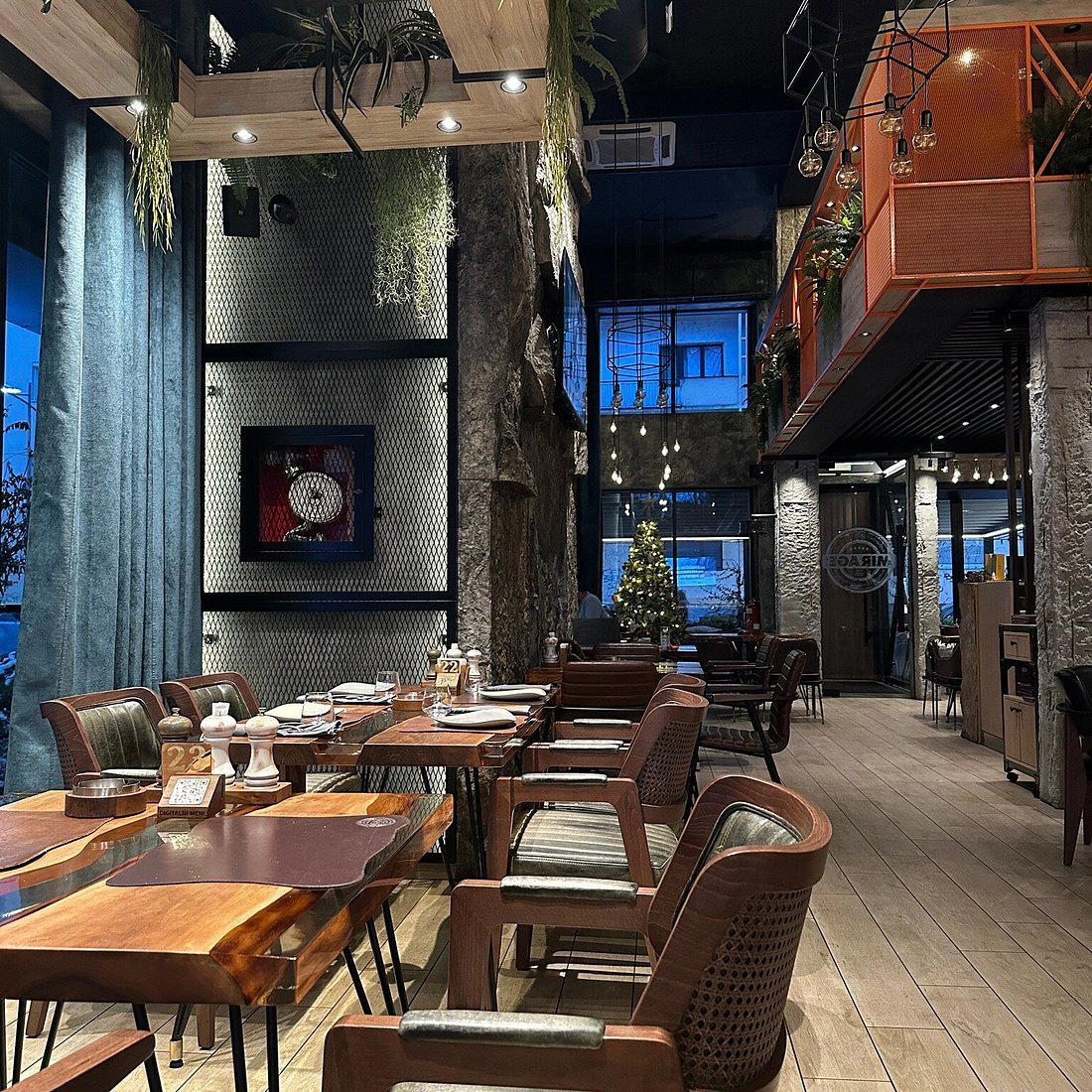
Cozy, relaxing, and refined atmosphere with quiet, intimate setting that feels like a hidden gem in the city.