
Tabelog Bronze #84
Our verdict
Gion Endo belongs to Kyoto’s serious Japanese-cuisine tier: small-room, fish-led cooking in Gion, backed by Tabelog Bronze recognition and selection for Tabelog Japanese cuisine WEST 100 in 2025. The appeal is less spectacle than sourcing discipline, counter proximity, and a late-evening rhythm that suits diners who want Kyoto cuisine after the city’s formal dining hour has passed.

Pearl is the En Primeur Club membership app, where members save venues, book tables and use the concierge.
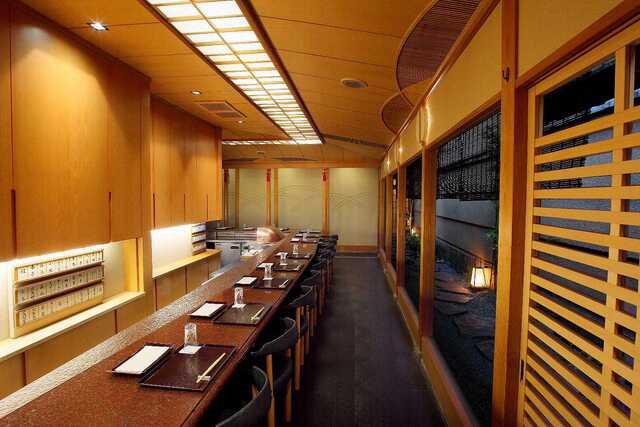
Gion after dark changes register quickly: lantern light, narrow passages, the compressed side streets around Hanamikoji and Gion-Shijo. In that setting, Kyoto’s smaller Japanese-cuisine rooms ask for attention different from hotel dining rooms or temple-district lunch counters. The signal is control rather than volume or ceremony: a compact room, a fish-led kitchen, sake close at hand, and enough counter seating to make the work visible without turning dinner into theatre.
That is where Gion Endo makes sense. Kyoto has a deep kaiseki tradition, but its serious Japanese restaurants do not share one script. Some lean into seasonal procession, tempura, beef, or late-night drinking with food more precise than the hour suggests. Gion Endo sits in the fish-focused Japanese-cuisine lane, with Tabelog Bronze recognition in 2017, 2018, 2019, 2020, 2025 and 2026, plus inclusion in Tabelog Japanese cuisine WEST 100 for 2025. In Kyoto, those signals place it among venues assessed by a domestic audience that rewards consistency, ingredient handling, and repeat-diner confidence.
Fish-led Kyoto cooking with a late-night Gion rhythm
Ingredient sourcing is the useful lens. Kyoto is inland, but its restaurant culture has long relied on disciplined access to coastal products, preserved ingredients, freshwater traditions, and market relationships that make fish cookery feel central rather than imported. A room described as particular about fish is not making a decorative claim; in this category, it points to the purchasing and preparation choices separating a serious Japanese counter from a general-purpose izakaya.
The competitive set around Gion is broad. Kyoboshi represents the tempura end of the expensive spectrum; Yassan pulls the area toward beef; Gion Mamma sits closer to Japanese dining in a polished register; Sangencha and Senmon Ten Gion honten show the district’s looser, more casual formats. Against that spread, Gion Endo reads as a compact, ingredient-led Japanese room rather than a single-specialty address. For travellers, this is not the choice when the brief is only tempura, beef, or a low-cost Gion meal. It is the choice when the night calls for Japanese cooking shaped by fish, sake, and the intimacy of a small counter-and-table room.
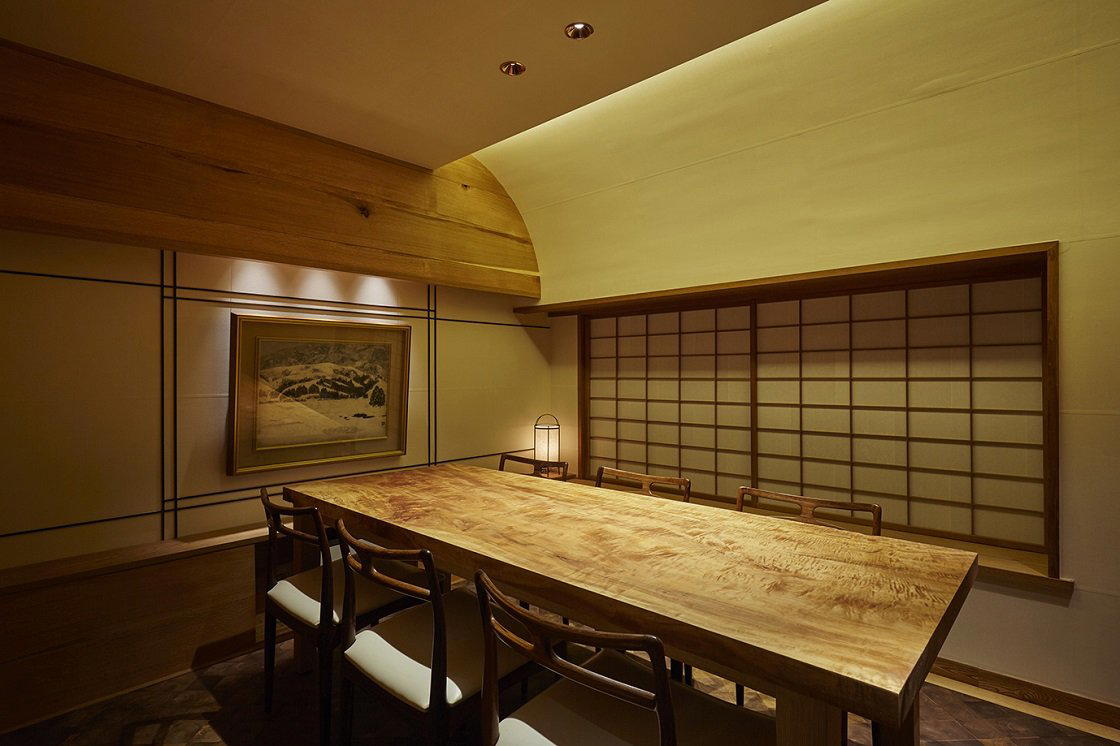
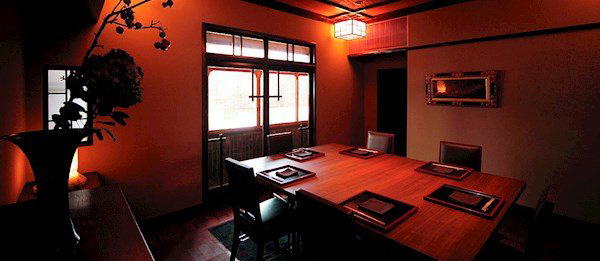
The seating layout sharpens the point. A 16-seat restaurant split between counter and tables creates two experiences in one room. Counter seats suit diners who care about pacing and kitchen proximity; tables suit conversation without losing small-room scale. Kyoto has many restaurants where formality can become distancing. Here, the format suggests a narrower, more social register, reinforced by recommendation patterns around friends rather than ceremonial entertaining.
Awards that speak to consistency, not spectacle
Tabelog’s Bronze history gives the restaurant a particularly Japanese credibility. It is not a single burst of attention tied to an opening cycle or chef media profile. Repeated Bronze listings across multiple years, followed by the 2025 Japanese cuisine WEST 100 selection, indicate sustained approval in a crowded category with exacting diner expectations. For visitors, that is more useful than generic acclaim: Kyoto has many beautiful rooms, but fewer that stay relevant across years in a competitive domestic ranking environment.
The absence of a chef-led public narrative suits the genre. In Kyoto, the more interesting question is often not who is telling a personal story, but how the kitchen handles season, product, and format within a tradition that can punish excess. Gion Endo’s public signals are spare: Japanese cuisine, fish emphasis, sake and shochu alongside wine, a non-smoking room, and small capacity. That restraint gives it a clear editorial position in the city’s grown-up dining layer, where credibility is built by repetition and control rather than a heavily branded concept.
There is also a timing advantage. Many high-end Kyoto dinners keep earlier hours and a formal arc, while Gion nightlife creates demand for serious food later in the evening. A restaurant operating into the night occupies a different role on the city’s dining map: less temple-to-taxi itinerary, more post-performance, post-bar, or after-engagement dinner. That does not make it casual. It makes it useful where premium Japanese cooking and late scheduling do not always overlap.
How to place it in a Kyoto itinerary
Gion Endo is strongest for diners who want a compact Japanese restaurant with sourcing discipline rather than a grand dining-room production. The fit is weaker for travellers seeking private rooms, large-group flexibility, or a family-forward setting. The price tier puts it in the serious-dinner category, so compare it with other focused Kyoto formats rather than casual noodle shops or department-store dining.
For a wider Kyoto plan, use Gion Endo as the Gion anchor, then build around contrasts. Nearby and citywide references help separate specialist meals from everyday stops: 3TOKU6MI Shijo karasuma ten, 551蓬莱, [ki:], Abbesses, and Aburi Mochi Honke Nemoto Kazariya each occupy a different part of the city’s eating culture. For broader planning, consult Our full Kyoto restaurants guide, Our full Kyoto hotels guide, Our full Kyoto bars guide, Our full Kyoto wineries guide, and Our full Kyoto experiences guide. Japan-wide contrasts are useful too: -Grilled beef Sukiyaki- KAMAKURA TANUKIAN 鎌倉 たぬき庵 in Kamakura. 鮪と炭火焼き うお炭 秋葉原店 in Tokyo.cafe in Osaka.know in Kumamoto, (Shoku) Vietnam in Kawasaki, [Curry Senmon Ten] Maruyama Kyoju. in Sapporo, Jōdo Saké Bar in Los Angeles, and Onigiri Time in Pasadena show how different formats handle Japanese food culture at different levels of formality.
The editorial case is clear: choose this restaurant for a small Gion room, Japanese cuisine with a fish emphasis, and awards history reflecting domestic confidence over time. Kyoto rewards diners who match venue to occasion. Here, the occasion is a focused night in Gion where ingredient handling matters more than decorative grandeur.
Frequently asked questions
What's the address for Gion Endo?
Gion Endo is located in Kyoto.
What days is Gion Endo closed?
Hours at Gion Endo: Mon, Tue, Wed, Thu, Fri, Sat 18:00 - 02:00.
What has Gion Endo built its reputation on?
Gion Endo has built its reputation on repeat recognition from Tabelog, including Bronze awards in 2017, 2018, 2019, 2020, 2025, and 2026, plus selection for Tabelog 100 Japanese cuisine WEST 2025. The 16-seat room and fish-focused approach suit diners who value consistency over theatrics.
Can Gion Endo adjust for dietary needs?
The kitchen is described as particular about fish, so dietary flexibility may be limited compared with larger à la carte rooms. For any restriction, call +81-75-551-7271 before booking and mention the reservation when you reserve, since reservations are available.
Is Gion Endo okay with children?
The venue suits a compact dinner setting, with 16 seats split between counter and table seating in Gion. Because it runs late, from 18:00 to 02:00 Monday through Saturday, it is easier to place older children than very young ones; confirm by phone before going.
Comparable Spots, Quickly
Comparable options at the same price tier.
| Venue | Cuisine | Price | Awards | Notes |
|---|---|---|---|---|
| Gion EndoThis venue (the venue you are viewing) | Kyoto-style Tempura Kaiseki | $200–300 | Tabelog Bronze #84 | Not listed |
| Gion Sho | Modern Kaiseki with Wine Pairing | $150–200 | Star Wine List | Higashiyama |
| Miyama Sou | Tsumikusa Kaiseki | $200–300 | 3 Michelin Stars · We're Smart World 4 Radishes | Sakyō |
| Ahbon | Modern Luxury Kushiage | $150–200 | Not listed | Minami |
| Master of beef Miyoshi (にくの匠 三芳) | Premium Beef Kaiseki | $500+ | Not listed | Gion |
| MUBE | Modern Fermentation Japanese Cuisine | $200–300 | 1 Michelin Star | Kita |
Recognition history
Dated appearances from independent guides and award organizations, with the underlying list record or original source where available.
Tabelog Bronze #84
Tabelog
Full recognition history (3 entries)
Tabelog 100 #73 · No. 73
Tabelog · Tabelog 100 - Japanese cuisine - WEST - 2025
Tabelog Bronze
Tabelog
Continue exploring
More in Kyoto
Restaurants in Kyoto
All restaurants in Kyoto →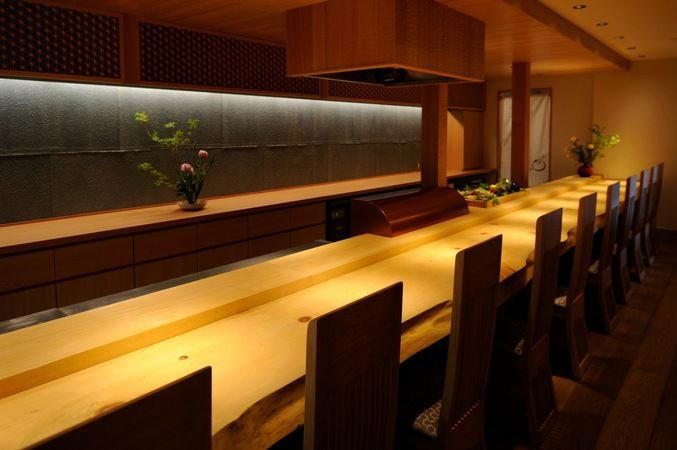
Bars in Kyoto
All bars in Kyoto →
Hotels in Kyoto
All hotels in Kyoto →
Wineries in Kyoto
Browse all →
Details
- Classic
- Elegant
- Intimate
- Special Occasion
- Business Dinner
- Chefs Counter
- Historic Building
- Sake Program
- Local Sourcing
- Street Scene
- Counter Dining
- Tasting Menu
- Set Menu
- Sake Program
- Vegetarian Friendly
Current opening hours
- Monday
- 6 PM–12 AM
- Tuesday
- 6 PM–12 AM
- Wednesday
- 6 PM–12 AM
- Thursday
- 6 PM–12 AM
- Friday
- 6 PM–12 AM
- Saturday
- 6 PM–12 AM
- Sunday
- Closed
Hours can change for holidays and private events. Hours as of .
Traditional wooden teahouse setting with refined, tranquil atmosphere and counter seating overlooking the chef.