




Holding two Michelin stars and 94 points on La Liste 2026, Ginza Kojyu is among the more formally ambitious kaiseki counters in central Tokyo. Chef Toru Okuda anchors the menu in Shizuoka provenance, fish from Suruga Bay, local wasabi and tea, served in a fourth-floor room on a cypress counter that is seven centuries old. Closed Sundays; lunch seatings run a single hour.
Pearl is the En Primeur Club membership app — saves, bookings, and concierge access live there. Same editors, same standards.
- Address
- Japan, 〒104-0061 Tokyo, Chuo City, Ginza, 5 Chome−4−8 銀座カリオカビル 4F
- Phone
- +81 3-6215-9544
- Website
- kojyu.jp
- Directions
- Get directions
 Saves & bookings on Pearl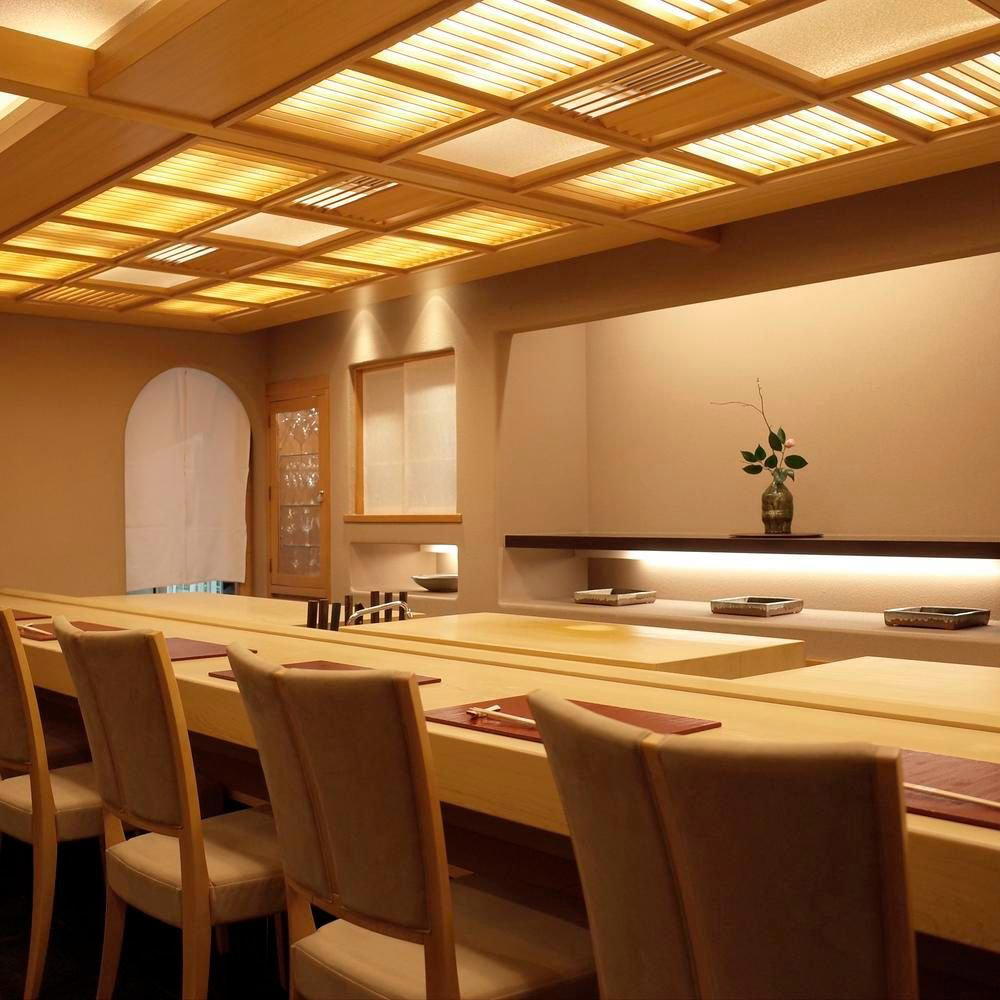
A Fourth-Floor Room in the Middle of Ginza
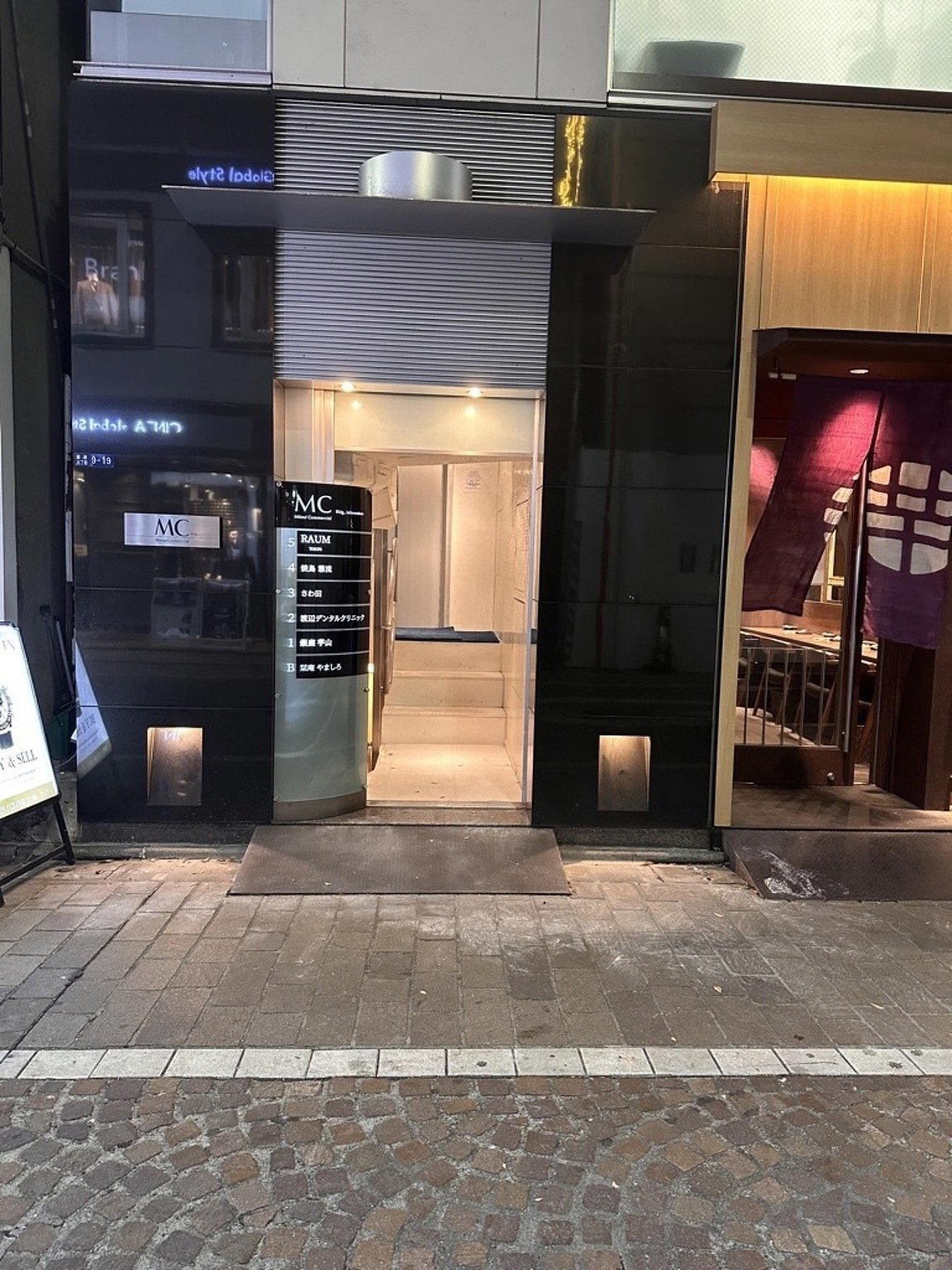
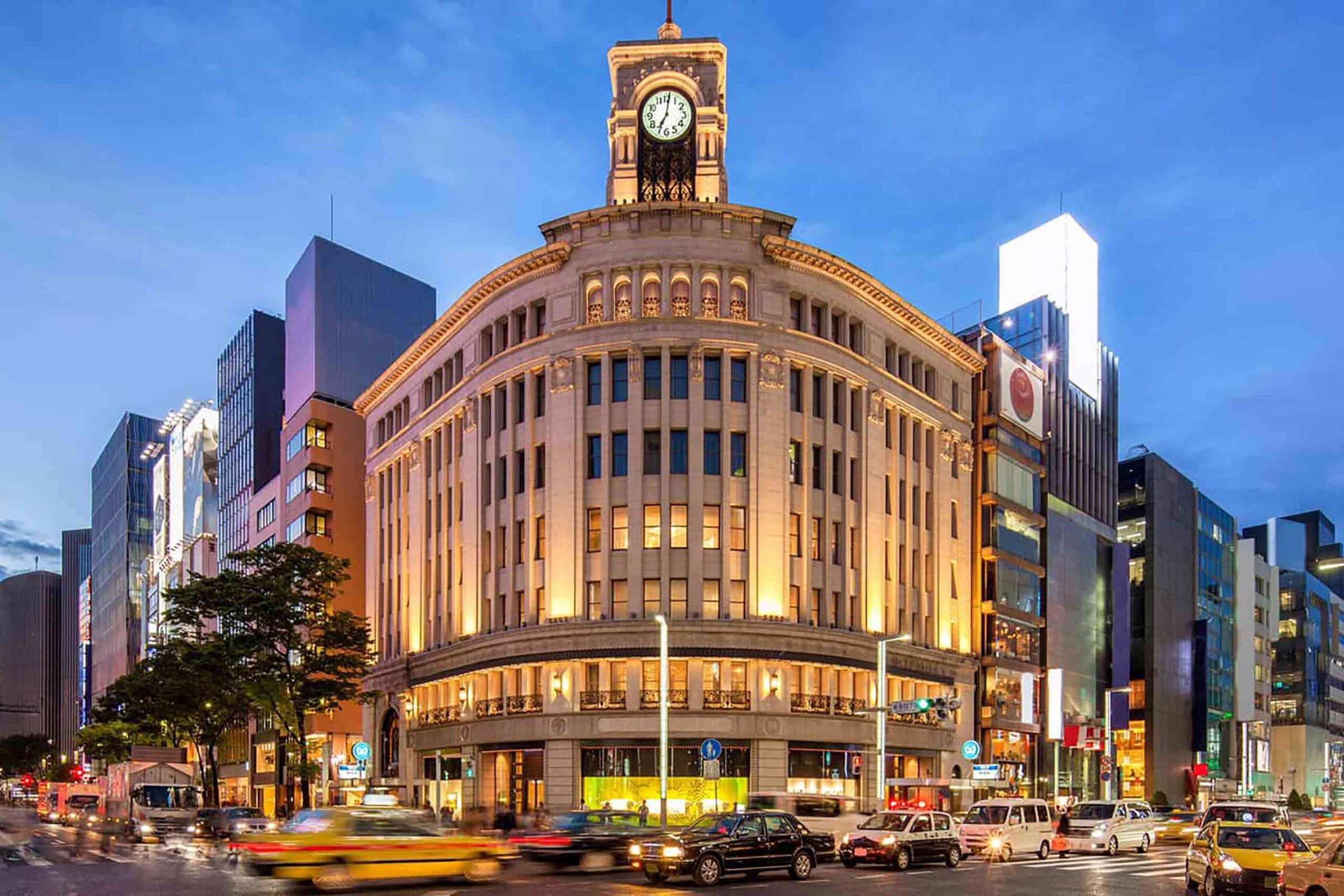
The Ginza 5-chome block that contains Ginza Kojyu is not the district's most photographed stretch, but it may be its most revealing. Within a few hundred metres you can move from the ground-level theatre of flagship department stores to buildings like the Ginza Karioka, where the fourth floor holds one of the neighbourhood's most controlled kaiseki rooms. That vertical distance, street-level retail noise below, a cypress-countered dining room above, is characteristic of how Ginza houses its serious restaurants. The address is not a destination unto itself; the surrounding streets earn that designation, and the room above them earns its authority from what happens inside.
Kaiseki in Ginza sits in a specific competitive position. The district has long attracted one formally demanding version of the format: multi-course progressions built around seasonal produce, fish sourced from named waters, and the kind of service cadence that requires advance planning from the diner. Ginza Kojyu holds two Michelin stars as of 2025, a rating it has carried consistently, and 94 points on La Liste's 2026 rankings. Among Ginza's kaiseki peer group, which includes Ginza Shinohara and Kutan, that combination of recognitions places Kojyu firmly in the tier where the sourcing decisions and the counter itself are the editorial argument, not background detail.
The Counter as Evidence
In kaiseki, the physical environment is not incidental to the meal. The counter at Ginza Kojyu is cut from a cypress said to be 700 years old. That detail is not decorative language; it is a statement about how the room is intended to be read. Japanese material culture has long treated aged wood as carrying its own character, distinct from its original function, and placing a dining counter cut from that material in the middle of Ginza's most commercially pressured district is a considered act. The room asks the diner to reconcile the building's contemporary address with something that predates the city in its modern form.
That same tension between Ginza's commercial present and older Japanese material and culinary traditions runs through the kaiseki format itself. The multi-course structure, the seasonal sequencing, the sourcing logic, these are codified traditions that Ginza's formal restaurants carry into a neighbourhood defined by luxury retail turnover. Kohaku and Kanda occupy a related position in Tokyo's broader kaiseki map, as does RyuGin, which operates at the three-star level and brings a more technically modernist approach to the same seasonal framework. Kojyu's register is more classically rooted, with provenance as its primary argument.
Shizuoka Provenance at the Centre of the Menu
The sourcing structure at Ginza Kojyu is defined by a specific regional attachment. Chef Toru Okuda draws water from Shizuoka prefecture, fish from Suruga Bay, and wasabi and tea from the same region. In kaiseki terms, this is a coherent provenance argument rather than a scattershot seasonal list. Suruga Bay, which runs along Shizuoka's coast, produces fish in cold, deep water fed by the Kuroshio current; that hydrography translates into ingredients with a particular character that differs from, say, Tokyo Bay sourcing or the Pacific waters further north.
The choice to build a Ginza kaiseki around a single prefecture's identity is uncommon enough to constitute a position. Most kaiseki menus at this level range across Japan's best-known seasonal sources, Kyoto vegetables, Hokkaido seafood, Kyushu wagyu, and sequence them as a national survey. Kojyu's Shizuoka attachment is narrower and, in consequence, more argumentative. When the same regional water, fish, wasabi, and tea appear across the progression, the menu has a through-line rather than a greatest-hits structure. Whether that approach is preferable is a matter of preference; that it is a distinct approach is a matter of record.
For comparative kaiseki at the Kyoto end of the tradition, Hyotei and Kikunoi Honten represent the canonical Kyoto school, where the format was formalized and the seasonal logic is most deeply embedded in local agricultural calendars. Kojyu's Ginza address means it operates at a distance from that origin, which gives its regional specificity a different quality, not Kyoto-rooted seasonality, but an alternative Japanese geography brought into the capital.
Ginza Kojyu in Its Tokyo comparable set
Tokyo's kaiseki tier is wider and more internally differentiated than any other Japanese city outside Kyoto. At the three-star level, RyuGin sets a technically ambitious reference point. At the two-star level, Kojyu sits alongside counters that span everything from modernist hybrids to classically structured progressions. The La Liste score of 94 points in both 2025 and 2026 indicates consistency rather than a single-year peak, which matters for a format where sourcing relationships and seasonal calibration are the primary variables year to year.
Across Japan's broader kaiseki geography, the contrast with places like Gion Sasaki in Kyoto or HAJIME in Osaka illustrates how differently the kaiseki format can be interpreted at the same recognition level. HAJIME's ecological-conceptual framing and Gion Sasaki's Kyoto-classical approach both operate from the same structural skeleton as Kojyu but arrive at entirely different dining experiences. Further afield, akordu in Nara and Goh in Fukuoka show how regional kaiseki schools and their hybrids continue to develop outside the major cities. 1000 in Yokohama and 6 in Okinawa extend that map further.
The Opinionated About Dining rankings place Kojyu at 229 in Japan for 2025, down from 198 in 2024, a shift that reflects the density of competition in Japan's restaurant scene rather than any categorical decline.
Planning a Visit
The restaurant serves lunch and dinner Monday through Saturday, with Sunday closed. The lunch seating runs from 12 to 1 pm, a single hour, which signals a tight format rather than a lingering midday experience. Dinner runs from 6 to 9:30 pm. The ¥¥¥¥ price tier places it in the highest price band, consistent with its two-star standing and the fixed-menu kaiseki format.
The address, 5 Chome-4-8 Ginza, Chuo City, Tokyo, fourth floor of the Ginza Karioka Building, is walkable from Ginza Station on the Ginza, Hibiya, and Marunouchi lines.
Logistics at a Glance
| Venue | Cuisine | Price | Michelin | Lunch | Sunday |
|---|---|---|---|---|---|
| The restaurant | Kaiseki | ¥¥¥¥ | 2 Stars | Yes (1hr slot) | Closed |
| RyuGin | Kaiseki | ¥¥¥¥ | 3 Stars | No | Varies |
| Ginza Shinohara | Kaiseki | ¥¥¥¥ | 2 Stars | Varies | Varies |
| Kutan | Kaiseki | ¥¥¥¥ | Varies | Varies | Varies |
The Essentials
Comparable venues nearby, for context on price, style, and recognition.
| Venue | Cuisine | Price | Notes |
|---|---|---|---|
| Ginza KojyuThis venue — the venue you are viewing | Chūō, Kaiseki | $$$$ | Not listed |
| Jingumae Higuchi | Shibuya, Modern Japanese Kappo Omakase | $$$$ | Not listed |
| Tempura Kondo | Chūō, Michelin-Starred Edo Tempura | $$$$ | Not listed |
| Tempura Motoyoshi | Not listed | $$$$ | Shibuya, Michelin-Starred Tempura Omakase |
| Sushi Kanesaka | Chūō, Edomae Omakase | $$$$ | Not listed |
| Sukiyabashi Jiro Roppongiten | Not listed | $$$$ | Minato, Traditional Japanese Omakase Sushi |
Recognition history
Dated appearances from independent guides and award organizations, with the underlying list record or original source where available.
Black Pearl 1 Diamond
Black Pearl
La Liste Top Restaurants
La Liste
Michelin 2 Stars
Michelin
Opinionated About Dining Top Restaurants in Japan Recommended
Opinionated About Dining
La Liste Top Restaurants
La Liste
Michelin 2 Stars
Michelin
Opinionated About Dining Top Restaurants in Japan Ranked #229
Opinionated About Dining
Tabelog 100 #19 · No. 19
Tabelog · Tabelog 100 - Japanese cuisine - TOKYO - 2025
Michelin 2 Stars
Michelin
Opinionated About Dining Top Restaurants in Japan Ranked #198
Opinionated About Dining
Opinionated About Dining Top Restaurants in Japan Highly Recommended
Opinionated About Dining







At a Glance
- Elegant
- Intimate
- Sophisticated
- Minimalist
- Classic
- Special Occasion
- Date Night
- Business Dinner
- Chefs Counter
- Private Dining
- Sake Program
- Local Sourcing
Current opening hours
- Monday
- 12–1 PM, 6–9:30 PM
- Tuesday
- 12–1 PM, 6–9:30 PM
- Wednesday
- 12–1 PM, 6–9:30 PM
- Thursday
- 12–1 PM, 6–9:30 PM
- Friday
- 12–1 PM, 6–9:30 PM
- Saturday
- 12–1 PM, 6–9:30 PM
- Sunday
- Closed
Hours can change for holidays and private events. Last verified .
Minimalist Japanese interior with tatami private rooms, paper screens, and a serene, zen-like atmosphere.