Ginza Donkoji Yamagishi occupies the tenth floor of a Chuo City building in Tokyo's most demanding dining corridor, where the density of serious restaurants per block is higher than almost anywhere in Japan. The address places it squarely in the upper tier of Ginza's occasion-dining circuit, a neighbourhood where restaurants earn their keep through consistency rather than novelty.
 Discover on Pearl
Pearl is the En Primeur Club membership app — saves, bookings, and concierge access live there. Same editors, same standards.
- Address
- Japan, 〒104-0061 Tokyo, Chuo City, Ginza, 7 Chome−3−6 銀座髙木ビル 10階
- Phone
- +81355373510
- Website
- omakase.in
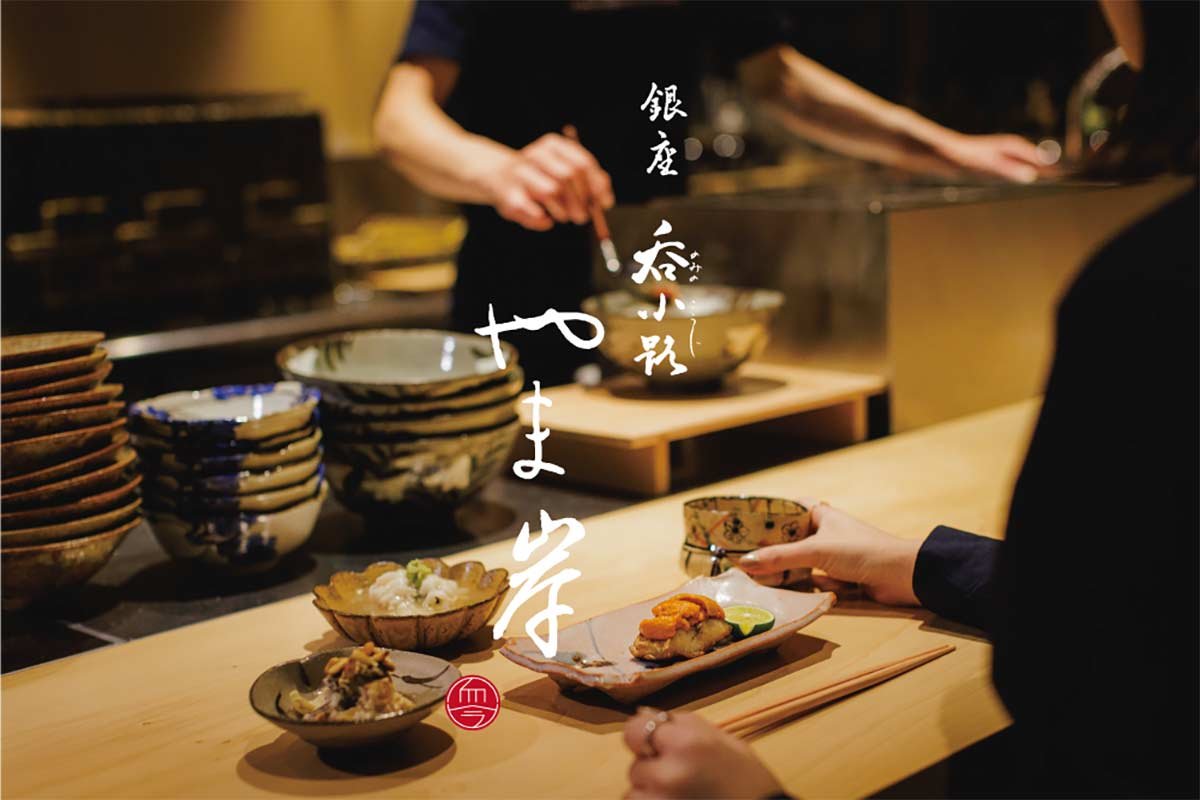
Ginza at the top of the Building, and the best of the Occasion
Ginza Donkoji Yamagishi is a Kyoto-Style Izakaya in Tokyo's Ginza district, with a price tier of ¥¥¥¥ and an average Google rating of 3.8.
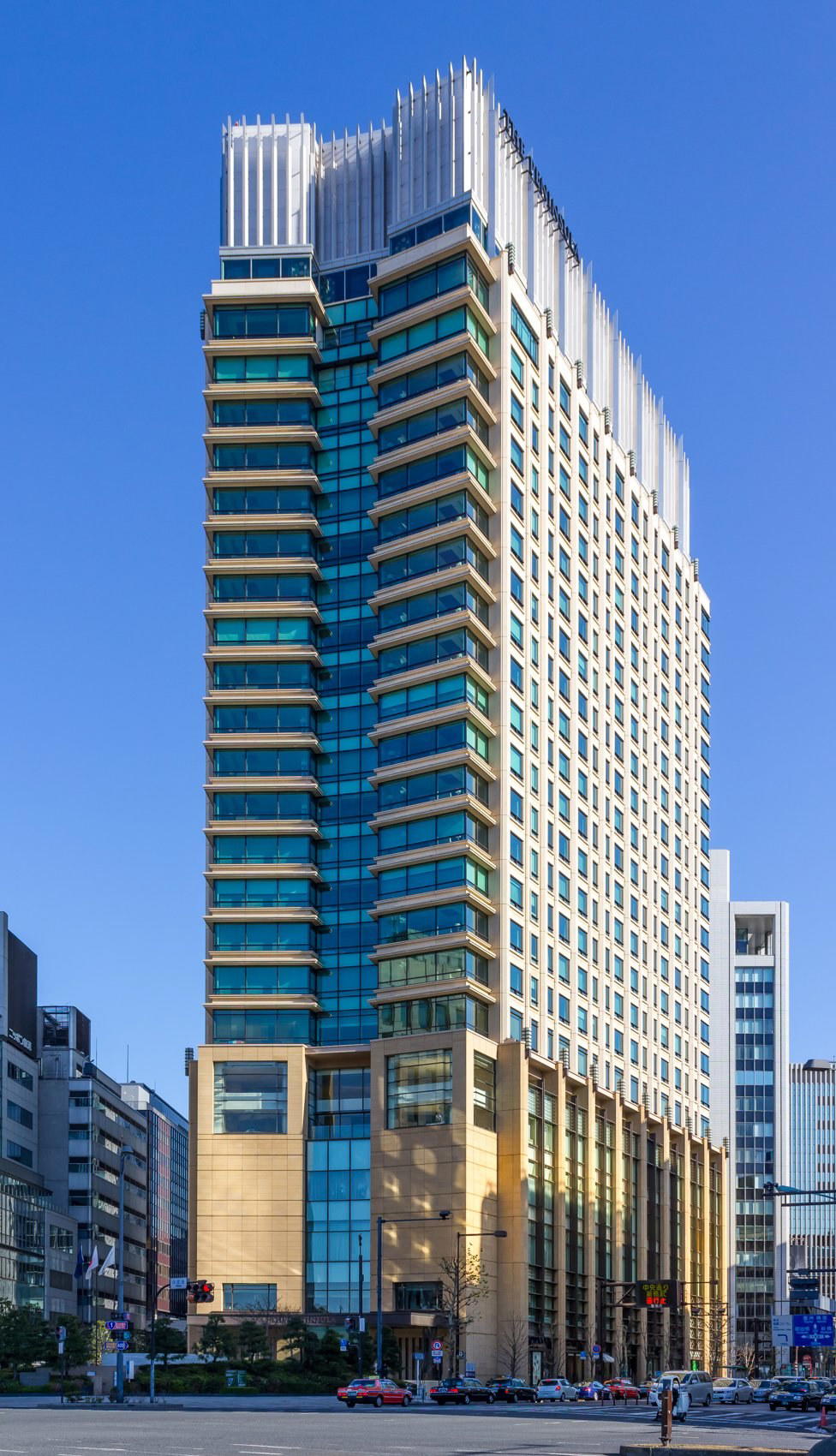
The elevator ride to the tenth floor of the Ginza Takumi Building on 7-chome sets a particular kind of expectation. Ginza's 7-chome block sits deep in the ward's most concentrated restaurant corridor, where addresses carry genuine competitive weight and where the cost of underperforming is measured in empty reservations rather than bad reviews. By the time the doors open onto whatever greets you at Donkoji Yamagishi, the neighbourhood has already communicated something: this is a room built for meals that matter.
Tokyo's Ginza district has, over two decades, become the reference point for occasion dining in Japan's capital. That is not simply a function of geography or wealth concentration, though both apply. It is the result of a specific hospitality culture that prizes discretion, consistency, and a certain formal attentiveness. Restaurants here are chosen for anniversaries, corporate relationship-building dinners, and the kind of meal where the guest's experience must be managed with precision. Ginza's dining rooms carry that social weight whether they seat eight or eighty.
Where Donkoji Yamagishi Fits in the Ginza Occasion Circuit
Ginza operates across several distinct tiers of formality and price. At the absolute summit sit counters like Harutaka, whose omakase format and limited seating make them appointment dining months in advance. At a parallel level, French rooms such as Sézanne and L'Effervescence operate with serious wine programs and the kind of tasting-menu discipline that signals chef ambition. Then there are the more intimate rooms that do not necessarily court the international award cycle but hold the loyalty of a Tokyo clientele who return for specific occasions year after year.
Donkoji Yamagishi, with its Chuo-ku address and its position above street level, reads as the latter category. These rooms function as trusted anchors in a neighbourhood that tourists sometimes only see at counter level. They absorb the business of long-standing clients, seasonal celebrations, and the quieter but no less significant milestones that Tokyo's professional class marks with a good meal and a reserved table.
The comparison set that Tokyo's occasion-dining market actually competes within is worth understanding. RyuGin and Crony both occupy the bracket where format innovation and named-chef reputation are part of the value proposition. Donkoji Yamagishi's positioning, based on its address and building, suggests a different social contract: the meal as event in itself rather than the chef as protagonist.
The Logic of the Occasion Meal in Tokyo
Japan's restaurant culture has a specific grammar for celebration. The distinction between a meal chosen for personal pleasure and one chosen to honour another person or mark a transition carries real weight in how rooms are designed, how staff are trained, and how reservations are structured. Ginza is the district most fluent in that grammar. A room on the tenth floor with a city address, operates partly on referral and partly on the expectation that guests arrive already knowing what they need.
That opacity is itself a signal in Tokyo's dining culture. The most in-demand counters in the city, from Ginza sushi to Minami-Aoyama kaiseki rooms, rarely advertise. Their booking infrastructure is often indirect, accessed through concierge relationships, hotel contacts, or the referral network of existing clients. A venue that does not list its hours or contact details publicly is not necessarily failing at marketing; it may simply be operating within a different distribution system entirely.
For visitors planning a significant meal in Tokyo, this matters practically. The hotel concierge at a property in Chuo or Minato ward is often the most efficient path to a reservation in a room like this.
Planning a Milestone Meal in Ginza
Most operate evening-only or lunch-and-dinner formats with distinct menus; some restrict the number of seatings to two per service. The 7-chome cluster, where Donkoji Yamagishi sits, is a ten-minute walk from Ginza Station on the Tokyo Metro, or a short taxi ride from the major hotels in Chuo and Minato wards. Accessibility is high, even if the rooms themselves can be difficult to identify from street level.
Seasonal timing matters more in Japanese cuisine than in most other traditions. Spring kaiseki menus rotate around bamboo shoots and cherry blossoms; autumn brings matsutake mushrooms and seasonal fish. Whatever format Donkoji Yamagishi operates within, the broader Ginza dining culture is deeply seasonal, and a meal planned around March or October will engage with produce at its most distinctive. Those planning meals for year-end celebrations should note that December in Ginza is among the most competitive booking periods in Tokyo's restaurant calendar.
How Ginza's Upper-Tier Rooms Compare on Logistics
| Venue | Cuisine | Price Tier | Booking Access |
|---|---|---|---|
| Ginza Donkoji Yamagishi | Kyoto-Style Izakaya | ¥¥¥¥ | Reservation recommended |
| Harutaka | Sushi | ¥¥¥¥ | Advance reservation, limited seats |
| Sézanne | French | ¥¥¥¥ | Online, hotel concierge |
| RyuGin | Kaiseki, Japanese | ¥¥¥¥ | Reservation required |
| Crony | Innovative, French | ¥¥¥¥ | Reservation required |
Beyond Tokyo: Japan's Occasion-Dining Circuit
For travellers building an itinerary around serious meals across Japan, Ginza is a natural anchor, but not the only one. HAJIME in Osaka operates in the creative-tasting tier with a design sensibility that distinguishes it from Tokyo's more traditional room formats. Gion Sasaki in Kyoto represents the kaiseki tradition at its most location-specific, drawing on Kyoto's seasonal ingredient culture in ways Tokyo cannot replicate. Further afield, akordu in Nara offers a European lens on Japanese produce, while Goh in Fukuoka works within a region whose ingredients, particularly its fish, are among the freshest in the country.
Across a wider Japan itinerary, rooms like Abon in Ashiya, affetto akita in Akita, Aji Arai in Oita, Ajidocoro in Yubari District, Akakichi in Imabari, and aki nagao in Sapporo each represent the regional tier of Japanese dining, where local ingredient cultures dominate menus in ways that differ meaningfully from the cosmopolitan Ginza model. For international reference points in the occasion-dining bracket, Le Bernardin in New York City and Lazy Bear in San Francisco each manage the balance between formality and warmth that defines the leading special-occasion rooms globally.
Nearby-ish Comparables
Comparable venues nearby, for context on price, style, and recognition.
| Venue | Cuisine | Price | Notes |
|---|---|---|---|
| Ginza Donkoji YamagishiThis venue — the venue you are viewing | Kyoto-Style Izakaya | $$$$ | |
| Kyoaji (京味) | Traditional Kyoto-Style Kaiseki Omakase | $$$$ | Shinbashi |
| 銀座 下鴨茶寮 東のはなれ | Kyoto Kaiseki Tea House | $$$$ | Chiyoda |
| 銀座 すきやばし次郎 本店 | Edomae Sushi Omakase | $$$$ | Chiyoda |
| 新ばし しみづ | Edomae Sushi | $$$$ | Minato |
| 鮨 銀座おのでら本店 | Edo-mae Sushi Omakase | $$$$ | Chūō |

At a Glance
- Elegant
- Sophisticated
- Cozy
- Business Dinner
- Special Occasion
- Late Night
- Private Dining
- Sake Program
- Local Sourcing
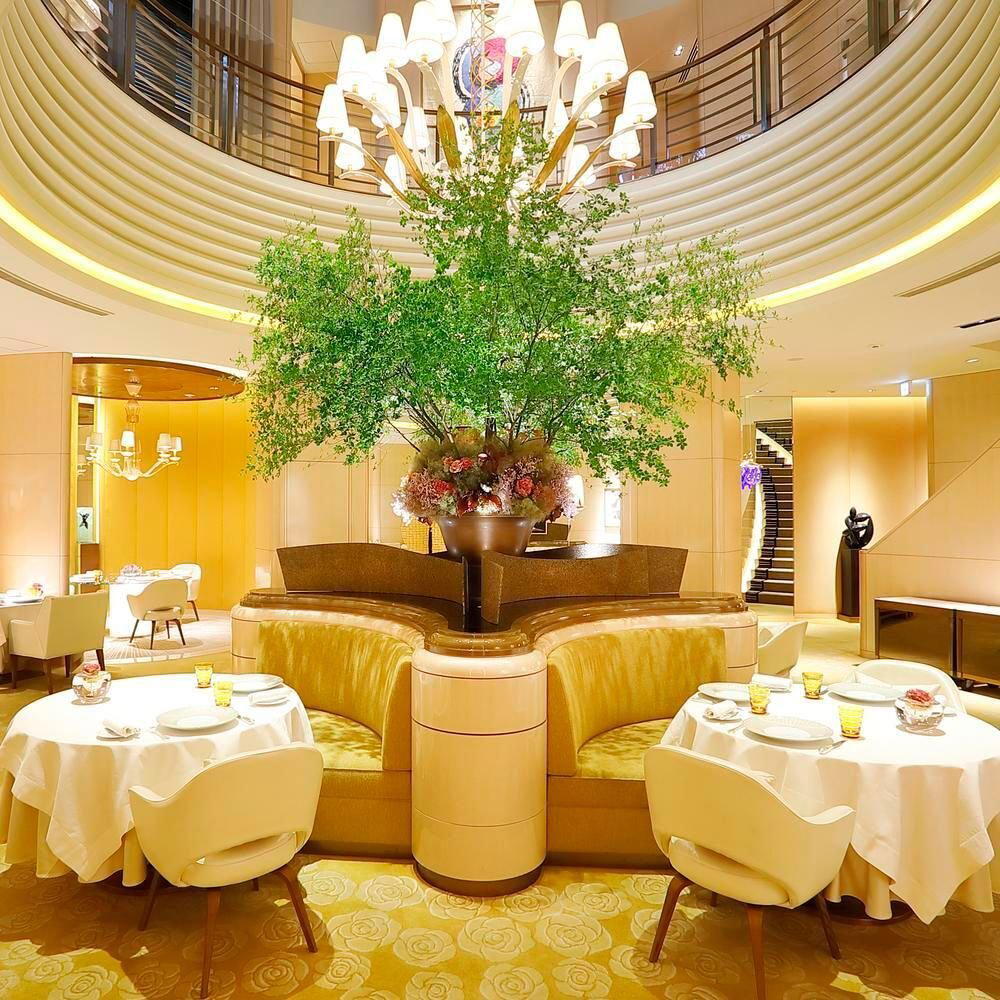
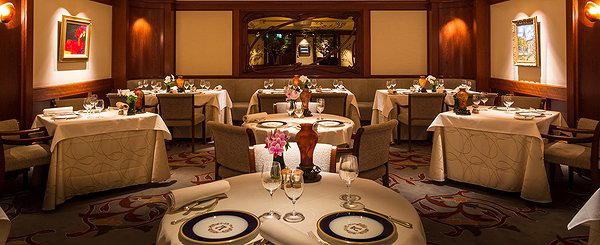
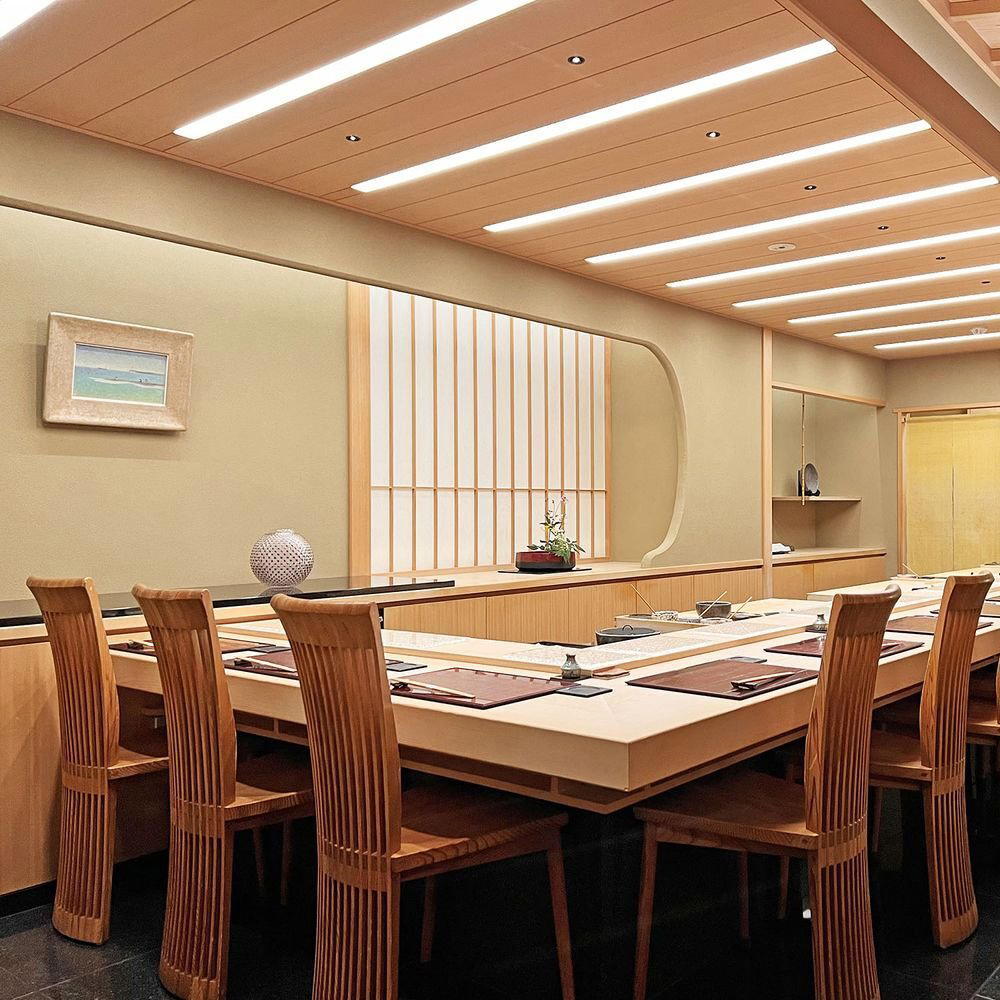
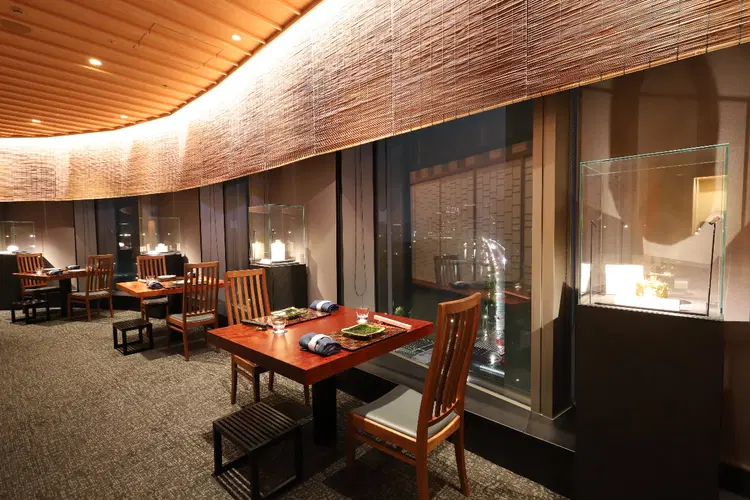
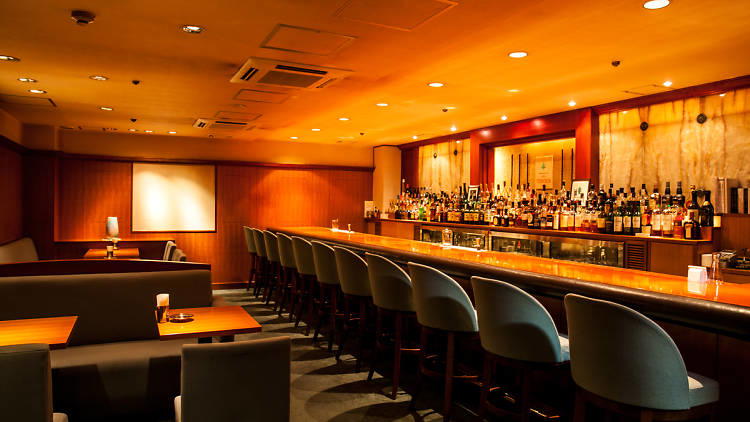
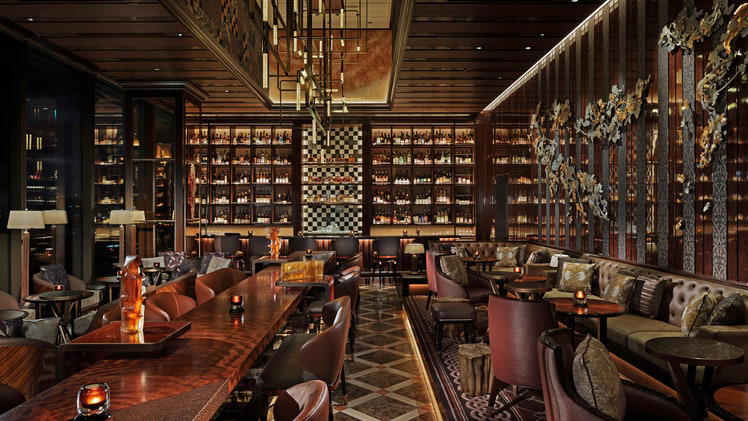
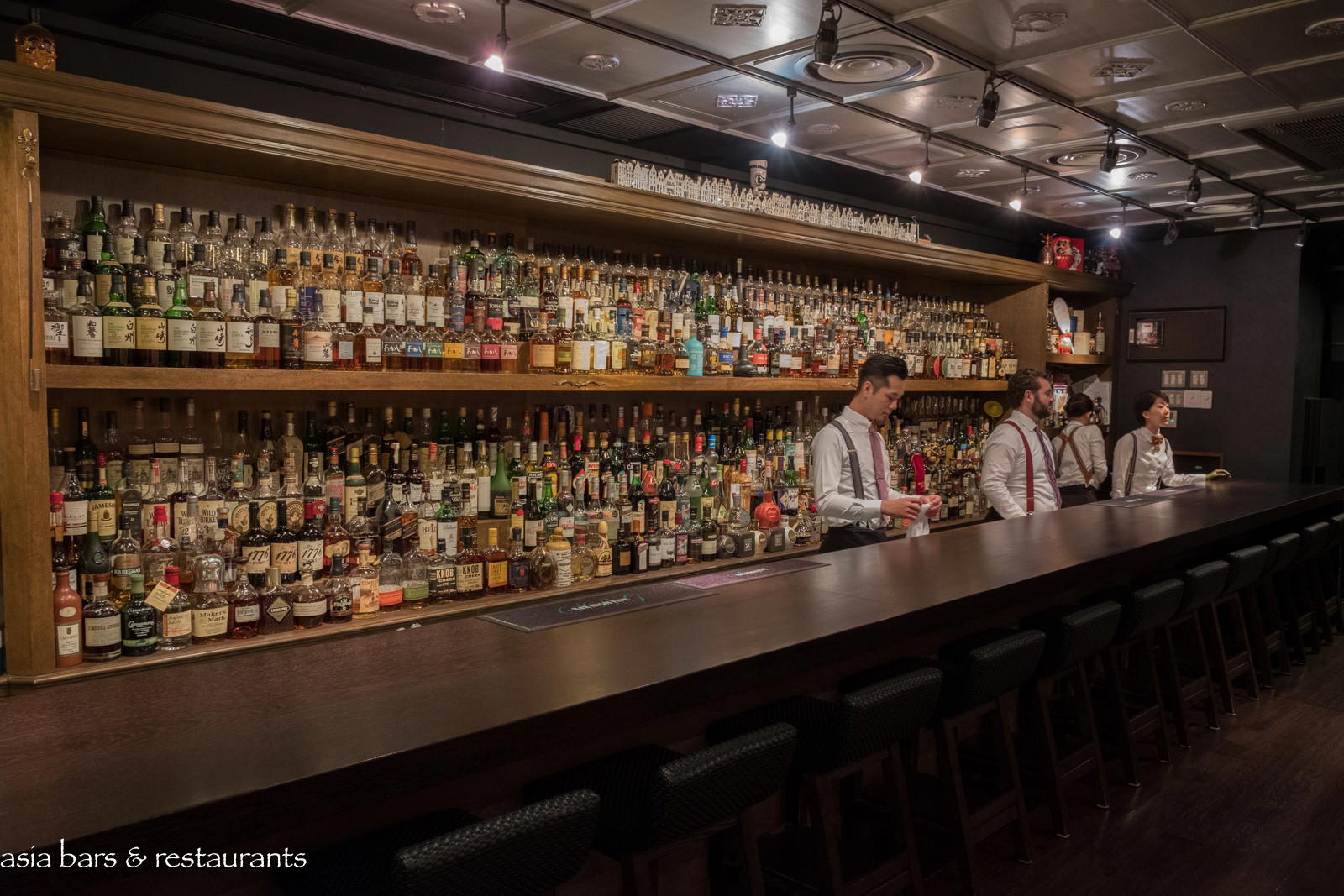
Refined atmosphere with counter seating and private rooms, evoking Kyoto's culinary tradition in a relaxed yet sophisticated izakaya setting.