Shinbashi's kaiseki tradition runs deep, and 新ばし しみづ occupies a quiet second-floor address in Minato City that has become a reference point for the form. The restaurant operates in a register where collaboration between kitchen, floor, and cellar carries as much weight as individual technique. For serious diners tracking Tokyo's kaiseki circuit, it belongs in the same conversation as RyuGin and Harutaka.
 Discover on Pearl
Pearl is the En Primeur Club membership app — saves, bookings, and concierge access live there. Same editors, same standards.
- Address
- Japan, 〒105-0004 Tokyo, Minato City, Shinbashi, 2 Chome−15−10 石橋ビル 2F
- Phone
- +81335915763
- Website
- tablecheck.com
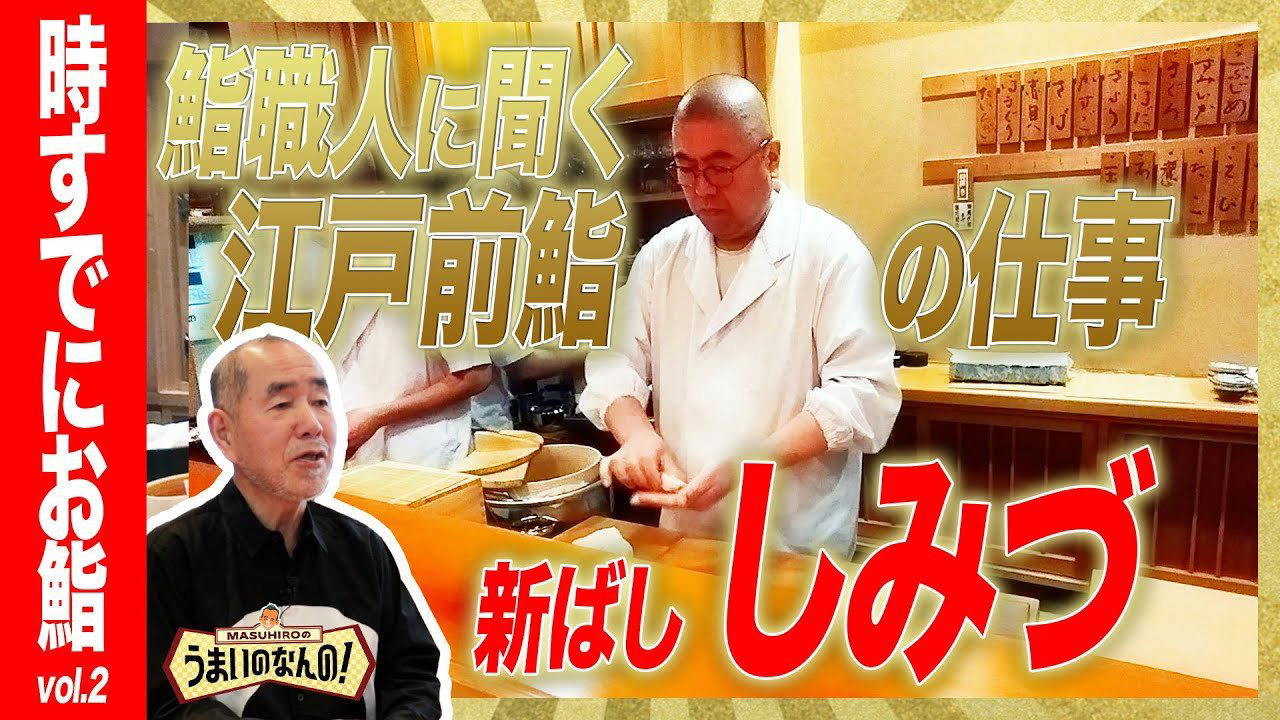
Shinbashi and the Weight of the Second Floor
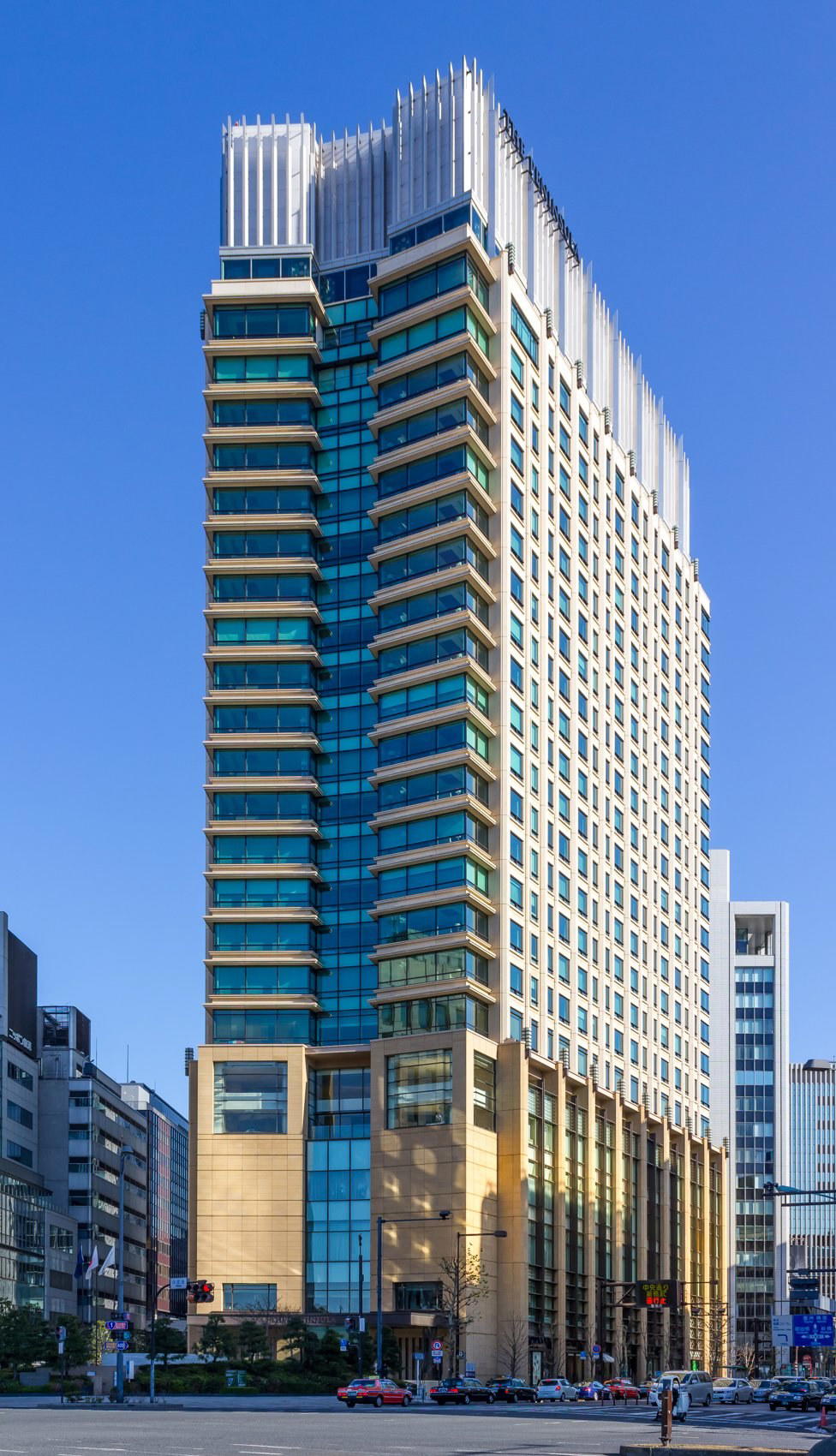
In Tokyo's dining geography, Shinbashi operates differently from Ginza or Azabu. The neighbourhood has always been a salaryman district at its commercial core, but its backstreets hold a particular kind of serious restaurant: not fashionable, not visible from the street, and entirely unbothered by foot traffic. Second-floor addresses here are not a compromise of location; they are a signal of intent. 新ばし しみづ, reached via a staircase at 2 Chome-15-10 Ishibashi Building in Minato City, fits that pattern precisely.
The category it occupies, Edomae Sushi in a room-scale format, in a neighbourhood with low tourist density, places it in a competitive set that includes some of Tokyo's most deliberate dining rooms. Where RyuGin works at the high-theatrics end of kaiseki and Harutaka holds its ground through sushi counter precision, しみづ operates at a frequency closer to restrained classical form. The distinction matters when choosing between them.
The Collaborative Register
In Tokyo's most considered dining rooms, the conversation about quality has shifted. Awards and chef credentials remain relevant, but the rooms that sustain serious reputations over time tend to do so through something harder to quantify: the coherence between kitchen output, floor reading, and drink pairings. This is the editorial angle through which しみづ is most usefully understood.
Edomae Sushi at this level is structurally collaborative by nature. The cuisine is sequenced, seasonal, and paced, which means the front-of-house carries real responsibility for timing, not merely hospitality theatre. A misjudged interval between courses, or a sake recommendation that competes rather than complements, collapses the experience from the inside. The kitchens that earn sustained recognition in this format are those where the floor knows the menu as well as the chefs know the room. That dynamic is particularly legible in smaller Shinbashi establishments, where the dining room scale keeps the feedback loop tight.
For comparison, L'Effervescence and Sézanne have built reputations in Tokyo's French fine dining tier partly through exactly this kind of front-to-back integration. The principle translates across culinary traditions: the room that functions as a single organism rather than a kitchen attached to a dining space operates at a different register. しみづ belongs to the Japanese iteration of that model.
Seasonal Logic and the Kaiseki Framework
Edomae Sushi as a format is built around the calendar in ways that European tasting menus are not. The sequence of courses is not merely a progression of flavours but a structured argument about what the season currently holds. Autumn brings matsutake and fatty fish; spring shifts toward mountain vegetables and lighter broths. The menu is not fixed; it is recalibrated against what the market yields each week.
This seasonal discipline is what separates a kaiseki room from a Japanese restaurant that happens to serve multiple courses. It also means that visiting in different seasons produces genuinely different experiences rather than variations on a stable menu. For guests tracking Japan's kaiseki circuit, comparing, for instance, Gion Sasaki in Kyoto against Tokyo counterparts, or reading しみづ alongside HAJIME in Osaka, the seasonal specificity of each room is one of the most meaningful differentiators.
Beyond the major cities, Japan's kaiseki tradition extends into smaller prefectures where local ingredient access shapes the cuisine in different directions. 一本木 佐川制 in Nanao and 湖隣庵 in Takashima operate in regional registers that Tokyo rooms cannot replicate; the comparison illuminates what each geography contributes. 庄羽屋 in Nishikawa Machi and 大仙山乃 in Sapporo round out a picture of how the form disperses across the country.
Where Shinbashi Sits in Tokyo's Dining Circuit
Tokyo's high-end dining scene has stratified considerably over the past decade. The Michelin star count across the city remains the largest of any single urban area globally, but within that count, a meaningful distinction has emerged between rooms that play to international recognition and those that maintain a primarily domestic clientele and reputation. The latter category tends toward less English-language visibility, tighter booking systems, and a more exacting expectation of guest familiarity with the format.
しみづ operates closer to the domestic end of that spectrum. Its Shinbashi address, its second-floor positioning, and the absence of a prominent international marketing profile all point toward a room that has built its standing through word-of-mouth among Tokyo's own serious dining community rather than through external award cycles. That positioning is not a weakness; it is a filter. The room attracts guests who already understand what kaiseki asks of them.
For travellers building a Tokyo dining itinerary, this means しみづ pairs better with Crony or L'Effervescence as complementary experiences than as alternatives. The formats are different enough that doing both on a multi-day visit makes structural sense. See our full Tokyo restaurants guide for a broader map of the city's dining tiers.
Outside Japan entirely, the closest structural analogue in terms of collaborative room dynamics and sequenced tasting format would be something like Atomix in New York City, which applies a similar level of front-of-house integration to a Korean fine dining framework, or Le Bernardin in New York City, where kitchen-floor coherence has been the foundation of sustained reputation over decades. The parallel is instructive even where the cuisines diverge entirely.
For guests who have experienced Goh in Fukuoka, akordu in Nara, Birdland in Sakai, or Bistro Ange in Toyohashi, しみづ represents a return to kaiseki's Tokyo centre of gravity: urban, precise, and operating within a tradition that rewards attention.
A Tight Comparison
Comparable venues nearby, for context on price, style, and recognition.
| Venue | Cuisine | Price |
|---|---|---|
| 新ばし しみづThis venue — the venue you are viewing | ||
| Harutaka | Sushi | ¥¥¥¥ |
| L'Effervescence | French | ¥¥¥¥ |
| RyuGin | Kaiseki, Japanese | ¥¥¥¥ |
| Crony | Innovative, French | ¥¥¥¥ |
| Florilège | French | ¥¥¥ |


At a Glance
- Elegant
- Intimate
- Classic
- Sophisticated
- Special Occasion
- Date Night
- Business Dinner
- Chefs Counter
- Sake Program
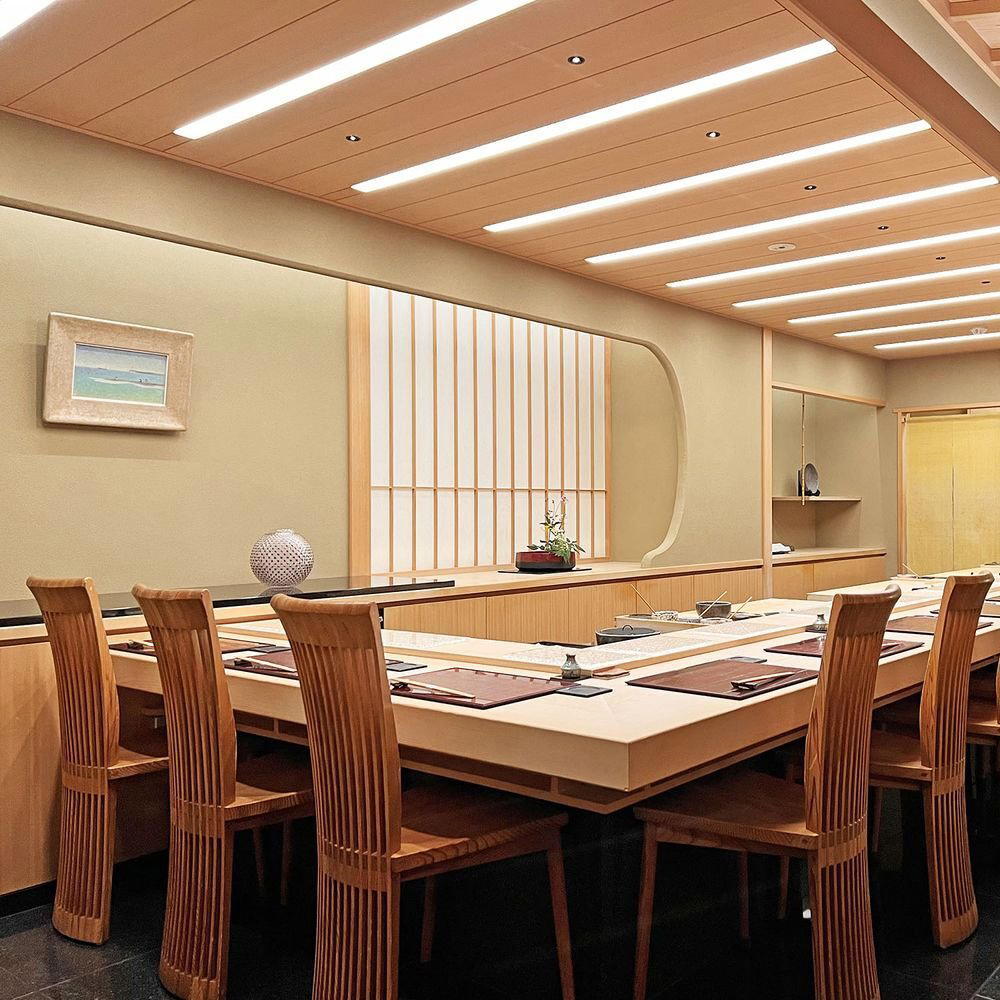
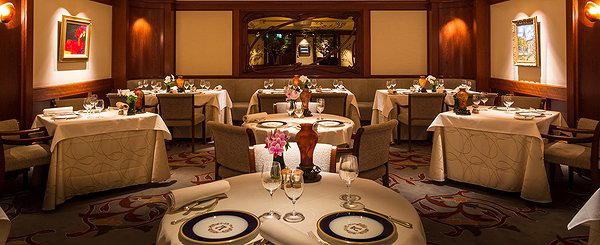
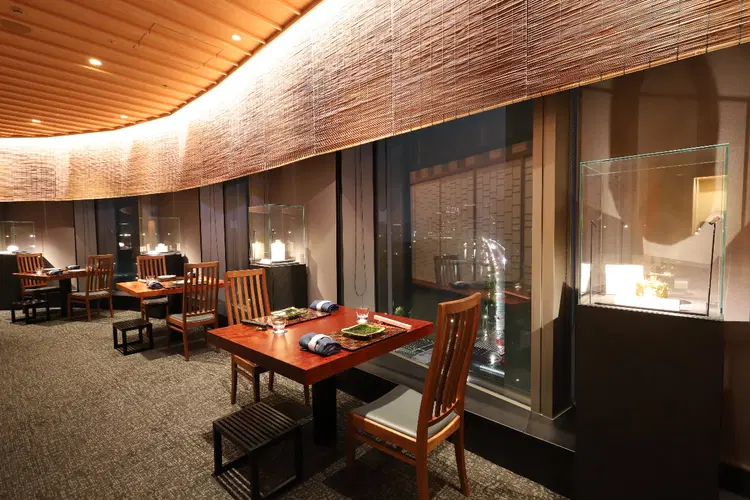
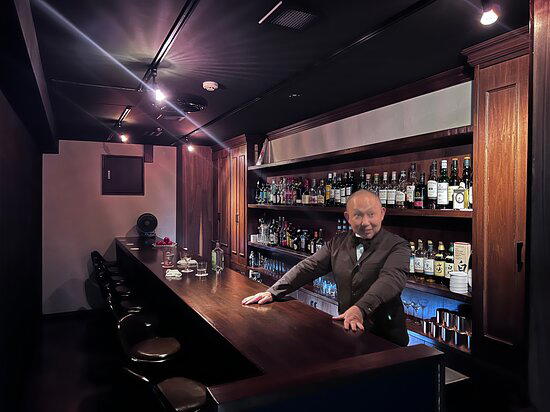
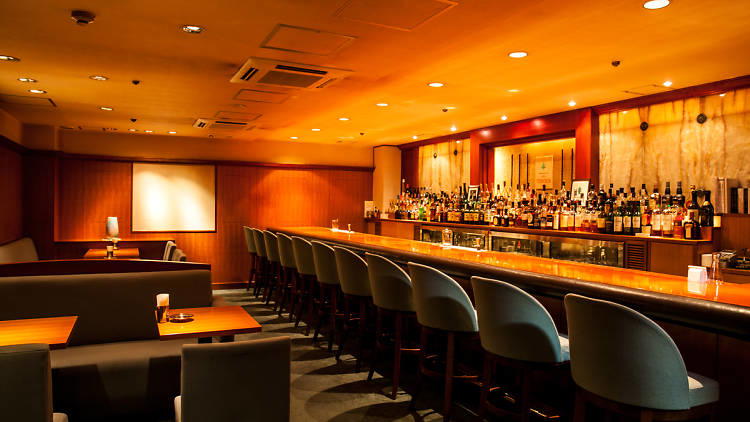
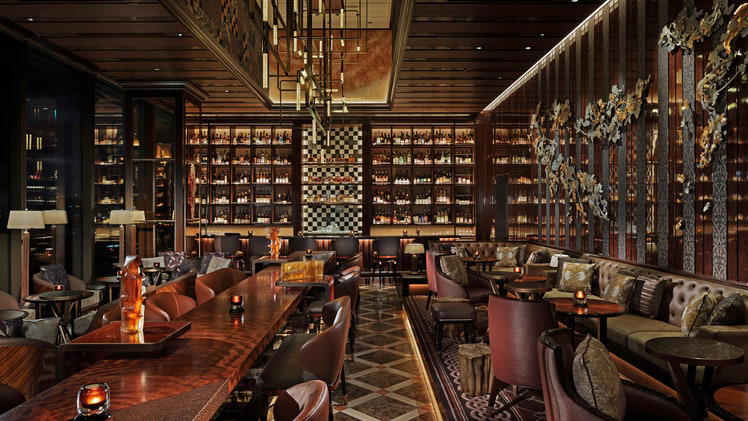
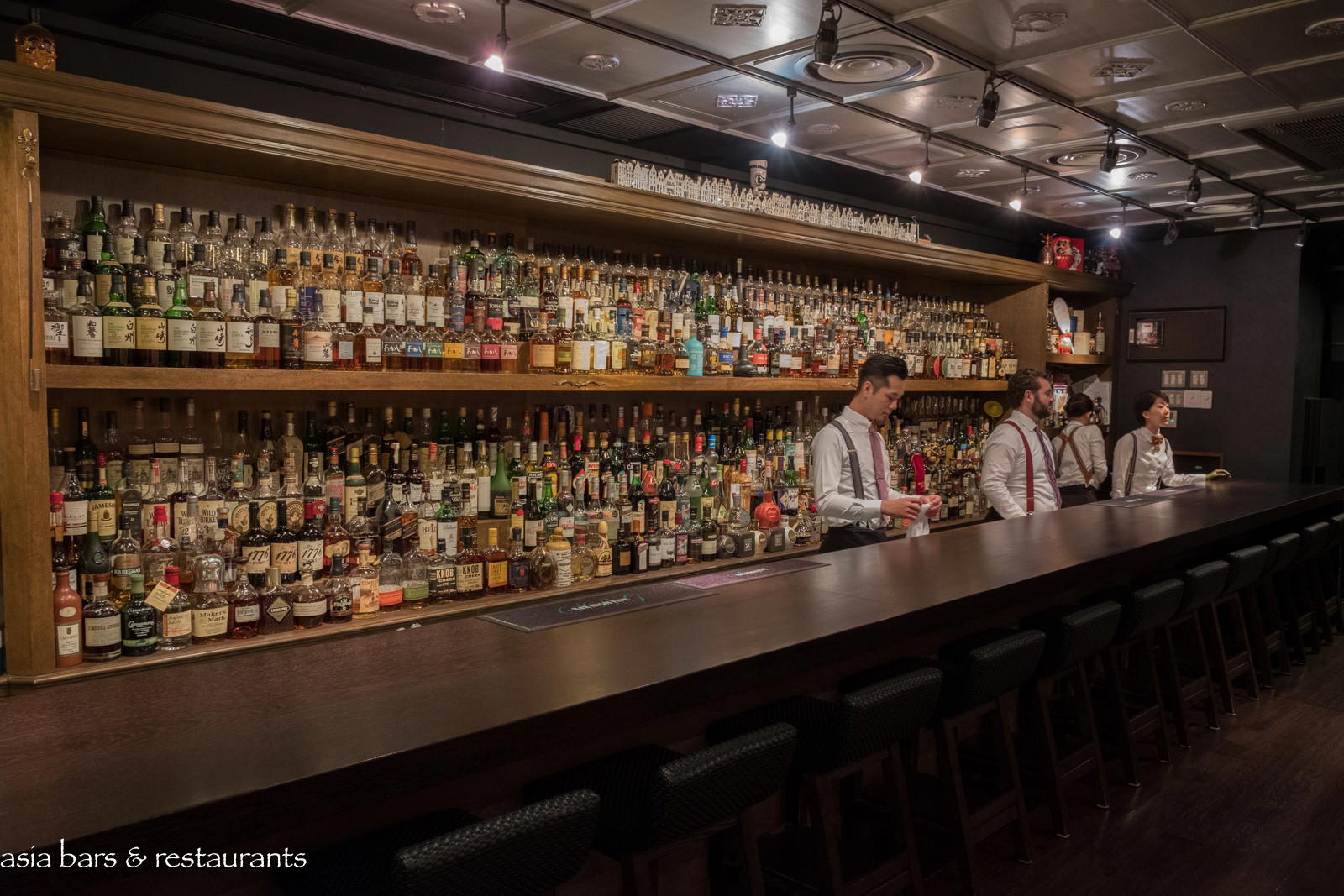
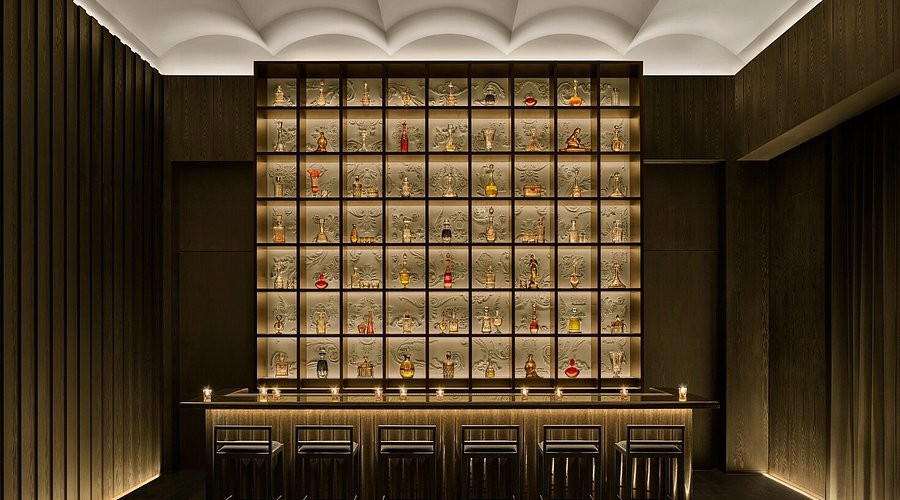
Comfortable and relaxed counter seating with a rigorous yet welcoming atmosphere, featuring meticulous service in an intimate 7-seat space.