Sukiyabashi Jiro Honten in Ginza occupies the upper tier of Tokyo's omakase counter hierarchy, where a decades-long reputation and strict seat allocation have made it among the more discussed sushi addresses in the world. The basement counter in Chuo City draws regulars who understand that the ritual here is as fixed as the menu, and newcomers who have spent months planning the visit. Reserve well in advance and arrive with no agenda other than the fish.
Pearl is the En Primeur Club membership app — saves, bookings, and concierge access live there. Same editors, same standards.
- Address
- Japan, 〒104-0061 Tokyo, Chuo City, Ginza, 4 Chome−2−15 塚本総業ビル B1階
- Phone
- +81335353600
- Website
- sushi-jiro.jp
- Directions
- Get directions
 Saves & bookings on Pearl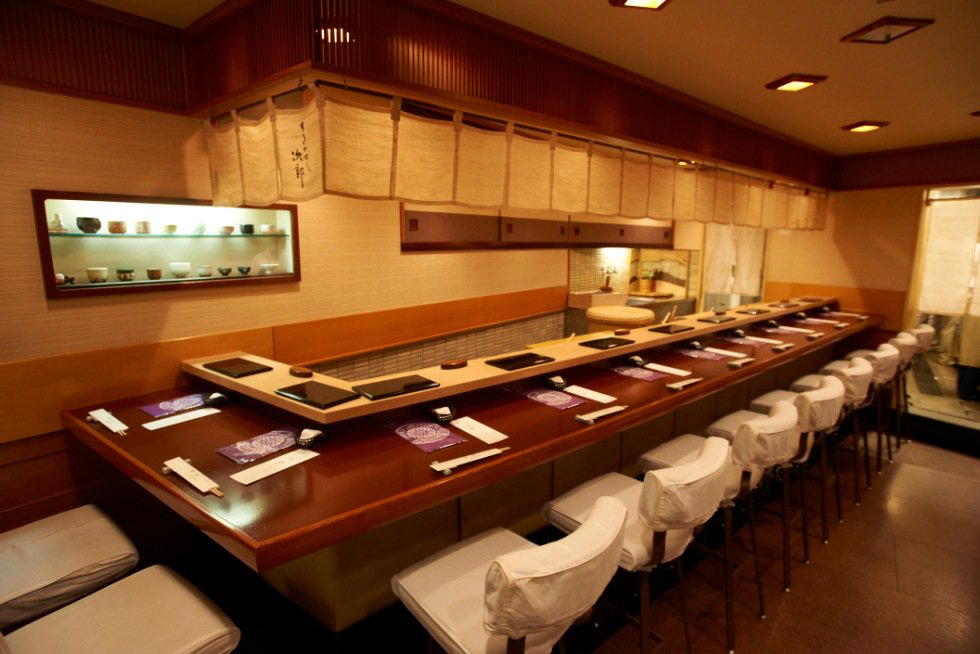
Where the Counter Has Become the Standard
Ginza's basement dining rooms have long housed some of Tokyo's most deliberate meals, and the counter at Sukiyabashi Jiro Honten sits at a particular point in that tradition. Over decades, this address in the Tsukamoto Sogyo Building on 4-chome has accumulated a reputation that now functions independently of any single visit or review. That quality of anticipation, built over years of consistent practice, separates the upper tier of Ginza omakase from the broader sushi market.
Tokyo's omakase scene has stratified sharply. At the entry level, counters run accessible prix-fixe formats with walk-in availability and online booking through aggregators. In the mid-tier, strong craft and seasonal sourcing define the experience. At the leading, a small number of counters operate on a different logic entirely: allocation is limited, the format is non-negotiable, and the meal proceeds at a pace set by the house. Sukiyabashi Jiro Honten belongs to that upper bracket, alongside addresses like Harutaka, and prices against peer counters rather than against the Ginza neighbourhood average.
What Keeps Regulars Returning
The editorial angle most often applied to this counter focuses on its historical recognition, the Michelin stars held over many years, the documentary attention, the presidential visits that entered public record. But regulars return for something that reputation summaries tend to flatten: the absence of variation. At this level of omakase, consistency is not a failure of imagination but a deliberate achievement. The nigiri arrives in a sequence that has been refined across decades, each piece shaped with a speed and precision that experienced diners recognise as a form of muscle memory raised to an art. That kind of codified mastery is what the regulars' table talk tends to circle back to.
The unwritten dimension of the experience, what long-standing guests understand that first-timers often miss, is that the meal asks little of you except attention. There is no elaborate tableside theatre or supplementary à la carte. The format is close to absolute. Diners who return repeatedly report that this constraint becomes, over time, its own pleasure: the counter teaches you how to pay attention to fish. That is a different proposition from the tasting menus at L'Effervescence or Sézanne, where the French-influenced format invites a different kind of engagement across courses.
For the regulars at Sukiyabashi Jiro, the shari, the vinegared rice, is frequently the reference point. Japanese sushi criticism tends to evaluate omakase counters first on the quality of the rice before addressing the fish, and this counter has long been positioned at the standard-setting end of that measure. The temperature, the seasoning, and the compression of each piece are factors that return visitors benchmark against other counters they frequent across the city and beyond.
Ginza in Context: Where This Counter Sits
Chuo-ku's Ginza district functions as Tokyo's highest-density concentration of premium dining, and within that, the sushi tier has its own internal hierarchy. The neighbourhood hosts counters across a wide spectrum, from expense-account omakase aimed at business dinners to specialist addresses that operate closer to the rhythm of kaiseki, seasonal, precise, and structured. Sukiyabashi Jiro Honten sits outside the kaiseki tradition; it is, at its core, Edo-mae sushi taken to a formal extreme. That places it in a different comparable set from RyuGin, which operates within kaiseki's seasonal grammar, or the more experimental format at Crony.
Compared to the broader Japan dining circuit, where addresses like HAJIME in Osaka, Gion Sasaki in Kyoto, and akordu in Nara each occupy distinct positions in a national fine-dining map, Sukiyabashi Jiro Honten represents a Tokyo-specific tradition: the Edo-mae counter operating at its most formalised. Regional counters like Goh in Fukuoka draw on local seafood traditions and more relaxed formats; the Ginza model is less about regional produce and more about craft applied to the leading available fish from any source.
Planning the Visit
Accessing this counter requires lead time measured in months rather than weeks. The booking process at this tier of Ginza omakase has historically required either a Japanese-speaking contact, an introduction through a regular guest, or a concierge service with an established relationship with the house. Walk-in access is not a realistic option. Visitors arriving in Tokyo without prior arrangements are better served initially by counters where online booking platforms operate, Harutaka is a useful reference point in the same price tier, before working toward addresses where allocation is tighter.
The Tsukamoto Sogyo Building location in Ginza 4-chome places the counter within easy walking distance of Ginza Station on the Tokyo Metro lines, making access from central Tokyo and from hotel districts in Marunouchi or Nihonbashi direct. The basement setting is consistent with the aesthetic logic of Tokyo's most serious dining rooms, which tend to avoid ground-floor theatrics in favour of a more focused environment below street level.
Style and Standing
Comparable venues nearby, for context on price, style, and recognition.
| Venue | Cuisine | Price | Notes |
|---|---|---|---|
| 銀座 すきやばし次郎 本店This venue — the venue you are viewing | Edomae Sushi Omakase | $$$$ | Not listed |
| 3110NZ By LDH Kitchen | Modern Omakase Sushi with Art Gallery | $$$$ | Naka-Meguro |
| おにく 花柳 | Michelin-starred Wagyu kaiseki / meat kappo | $$$$ | Ginza |
| Yakatabune Izanagi | Wagyu Omakase on Tokyo Bay Yakatabune | $$$$ | Shinagawa |
| GINZA KOKORO | French-Inspired Kobe Beef Steakhouse | $$$$ | Chūō |
| てんぷら前平 | Michelin-Starred Tempura Omakase | $$$$ | Minato |









At a Glance
- Elegant
- Sophisticated
- Intimate
- Classic
- Well Known
- Special Occasion
- Business Dinner
- Chefs Counter
- Sake Program
- Sustainable Seafood
Current opening hours
- Monday
- 11:30 AM–2 PM, 5:30–8:30 PM
- Tuesday
- 11:30 AM–2 PM, 5:30–8:30 PM
- Wednesday
- 11:30 AM–2 PM, 5:30–8:30 PM
- Thursday
- 11:30 AM–2 PM, 5:30–8:30 PM
- Friday
- 11:30 AM–2 PM, 5:30–8:30 PM
- Saturday
- 11:30 AM–2 PM
- Sunday
- Closed
Hours can change for holidays and private events. Last verified .
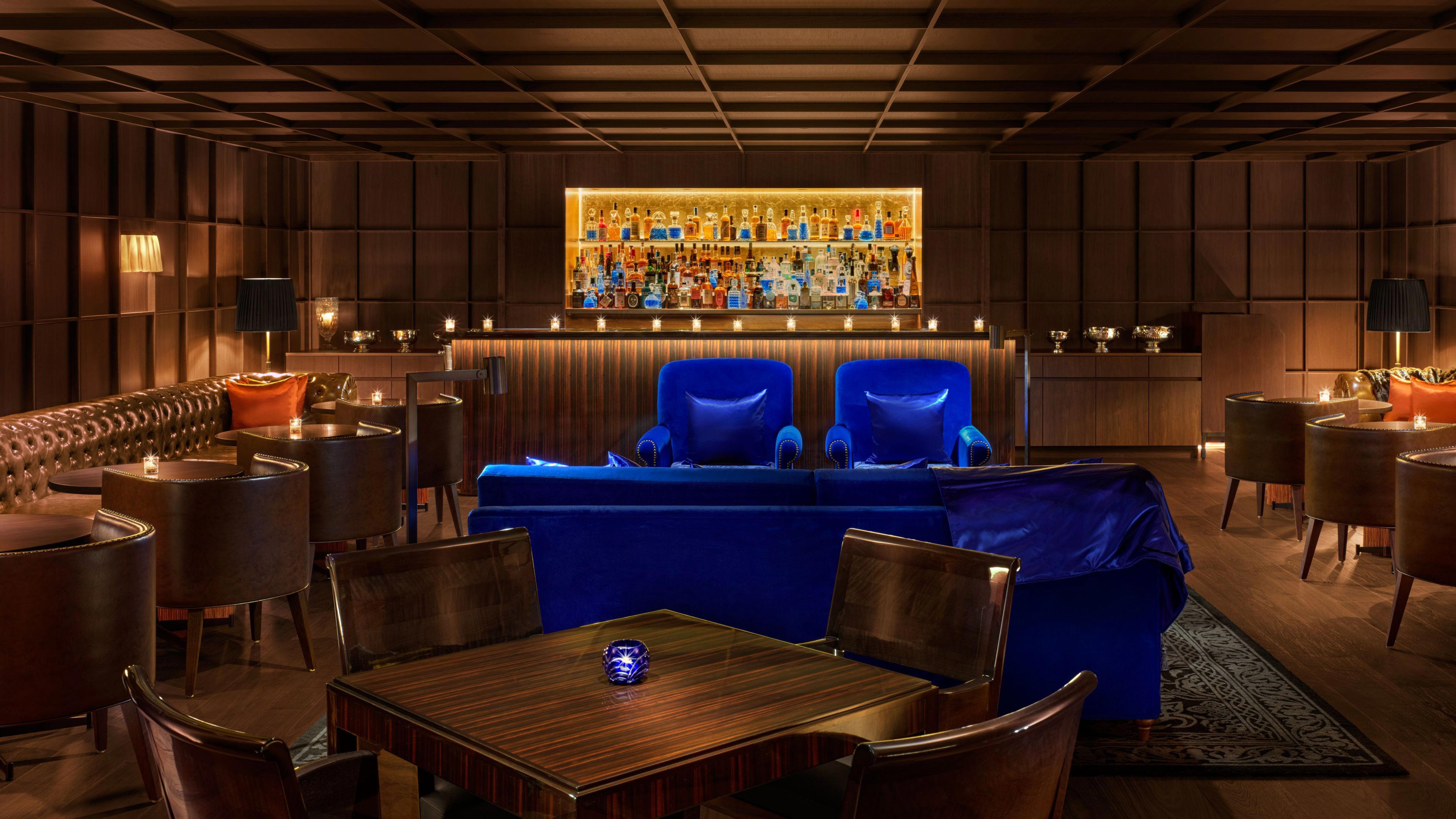
Intimate counter-only setting with focused, serene atmosphere centered on the sushi master's craft and guest immersion.