Michelin Plate
Our verdict
Keri occupies a quiet address in Gion's Minamigawa and specialises entirely in kamo-ryori, the Kyoto tradition of duck-focused cuisine. The kitchen buys whole birds and applies a range of techniques across every cut, from charcoal-smoked sirloin to kombu-pressed tenderloin, yielding a tasting sequence that leaves nothing unused. For visitors to Kyoto who want an alternative to mainstream kaiseki, it is a precise and deeply considered option.

Pearl is the En Primeur Club membership app, where members save venues, book tables and use the concierge.
The menu
What to order
- Kombu-Pressed Duck Tenderloin
- Charcoal-Smoked Sirloin
- Duck Fat Dashi Soup
Duck as Discipline: How Keri's Menu Reveals a Kitchen Philosophy
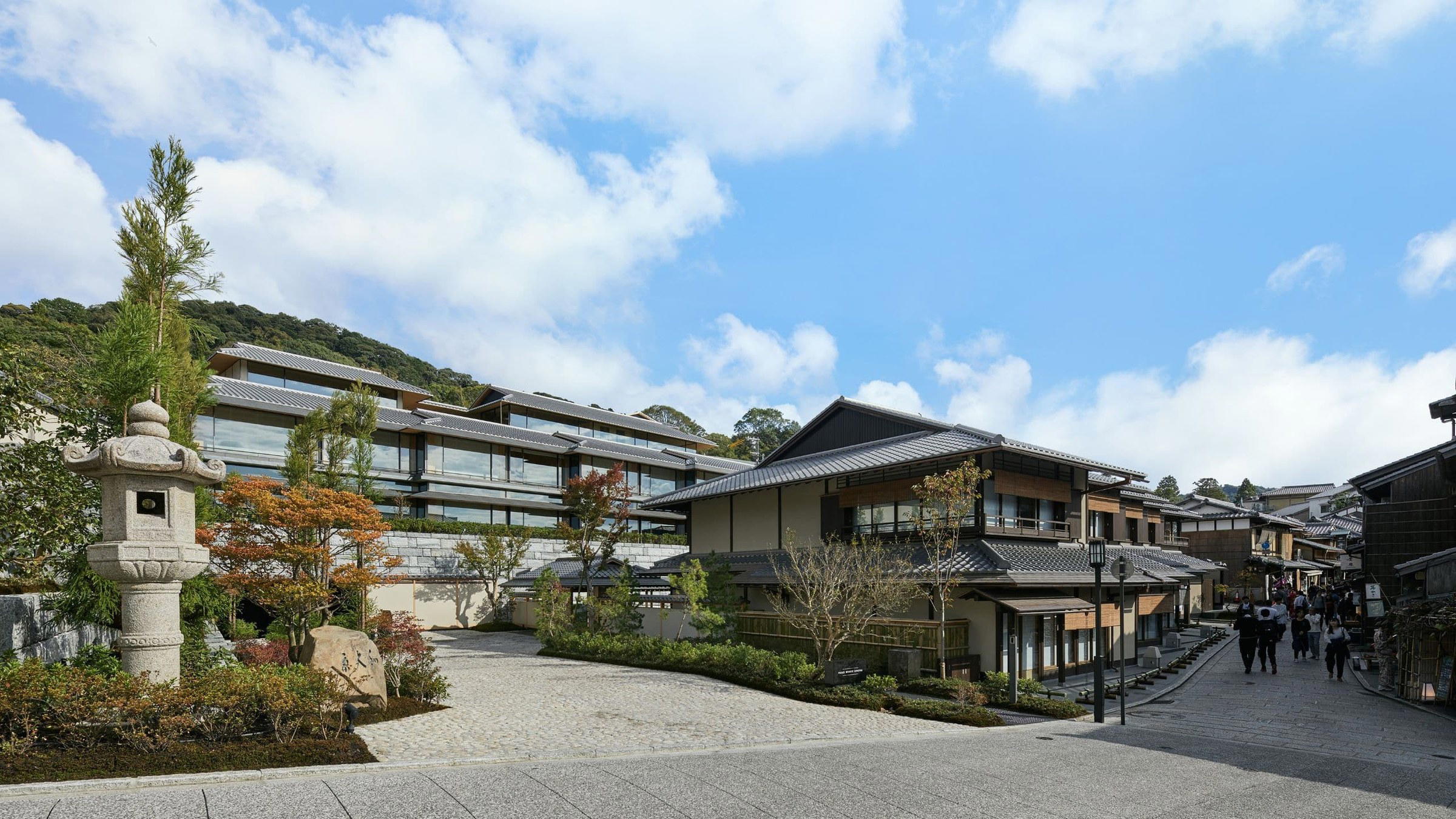
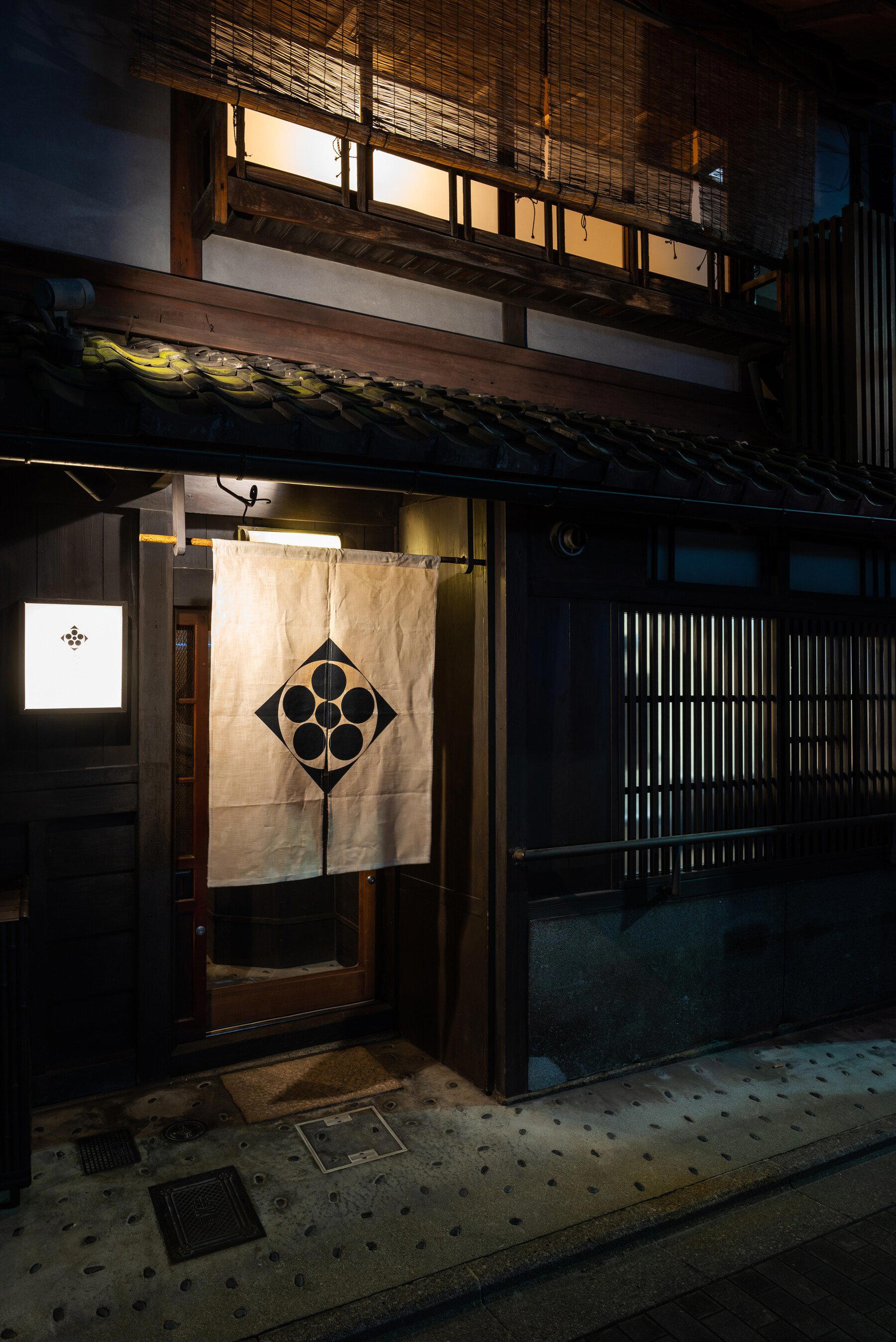
Gion Minamigawa, the southern row of machiya townhouses running parallel to the Shirakawa canal, has long been Kyoto's most concentrated stretch of serious dining. Restaurants like Gion Sasaki and Kikunoi Honten anchor the kaiseki tradition here at its most formal. Keri, at address 570 Gionmachi Minamigawa, operates within this charged neighbourhood but follows a different organisational logic entirely. Where kaiseki constructs meaning through seasonal sequence and ingredient variety, kamo-ryori builds it through the opposite: total commitment to a single protein, examined from every conceivable angle.
Kamo-ryori translates directly as duck specialities, and that constraint is the entire architectural premise of what Keri does. The decision to buy birds whole is not incidental. It is the structural spine of the menu. Whole-carcass purchasing means the kitchen controls every cut, and that control produces a course sequence that maps the animal systematically. Offal arrives early. Tenderloin appears later, handled with restraint. The progression is logical rather than arbitrary, which distinguishes it sharply from the seasonal pivot points that govern a kaiseki tasting at Mizai or Hyotei.
The Sequence: Reading the Menu from First Course to Last
The opening courses at Keri function as both an introduction to the bird and a test of the kitchen's range with less celebrated cuts. Gizzard and liver appear early, prepared in ways that foreground texture and mineral intensity rather than masking them. This is not a concession to novelty. In Japanese culinary tradition, offal cookery carries genuine prestige, and beginning a meal with these cuts signals that the kitchen does not treat them as an afterthought.
The middle of the sequence is where technique becomes most visible. Tenderloin, the cut most sensitive to heat, is pressed between two sheets of kombu kelp, a method that firms the texture gently while transferring the kelp's umami into the meat without the application of direct heat. Sirloin, denser and more forgiving, is smoked over charcoal. The rendered fat from that process is not discarded. It is dissolved into soup stock, deepening the base with the flavour of the bird itself. The result is a broth that carries the accumulated character of the whole cooking session rather than starting from a neutral point.
That soup stock detail is worth pausing on, because it illustrates a principle that separates nose-to-tail cooking at its most rigorous from its more decorative versions. At many restaurants that claim whole-animal provenance, the secondary and tertiary parts appear as individual courses and stop there. At Keri, the process is integrated: one technique feeds into another, and the cumulative result lands in the bowl. Nothing in the sequence is ornamental.
Kamo-Ryori in the Context of Kyoto's Specialist Tradition
Kyoto dining has always maintained a category of specialists operating alongside the kaiseki continuum. Tofu houses, yudofu restaurants, eel counters, and kamo-ryori establishments have coexisted with the grand multi-course format for generations. These specialist formats share a structural characteristic: depth over breadth. A single ingredient or preparation type is explored at length rather than sampled briefly within a larger sequence. For the diner, this demands a different kind of attention. Appreciation comes from tracking variation within constraint rather than anticipating the next change of register.
Keri sits firmly in this specialist category. Its comparable restaurants are the dedicated specialists elsewhere in Kyoto and, by analogy, single-subject tasting counter formats found across Japan's major cities. Restaurants like Isshisoden Nakamura operate in the same city with a different emphasis, while further afield, specialist counter formats at venues like Harutaka in Tokyo or HAJIME in Osaka demonstrate how single-subject rigour can sustain high-tier dining at scale. The principle is the same even when the format differs.
Duck as the organising subject has particular culinary logic in Kyoto, where the waterfowl's association with the cold months along the Kamo River has been embedded in local food culture for centuries. Kamo-ryori is not a recent restaurant concept. It is a format with deep regional roots, and Keri operates within that lineage.
Craft Details That Signal Kitchen Seriousness
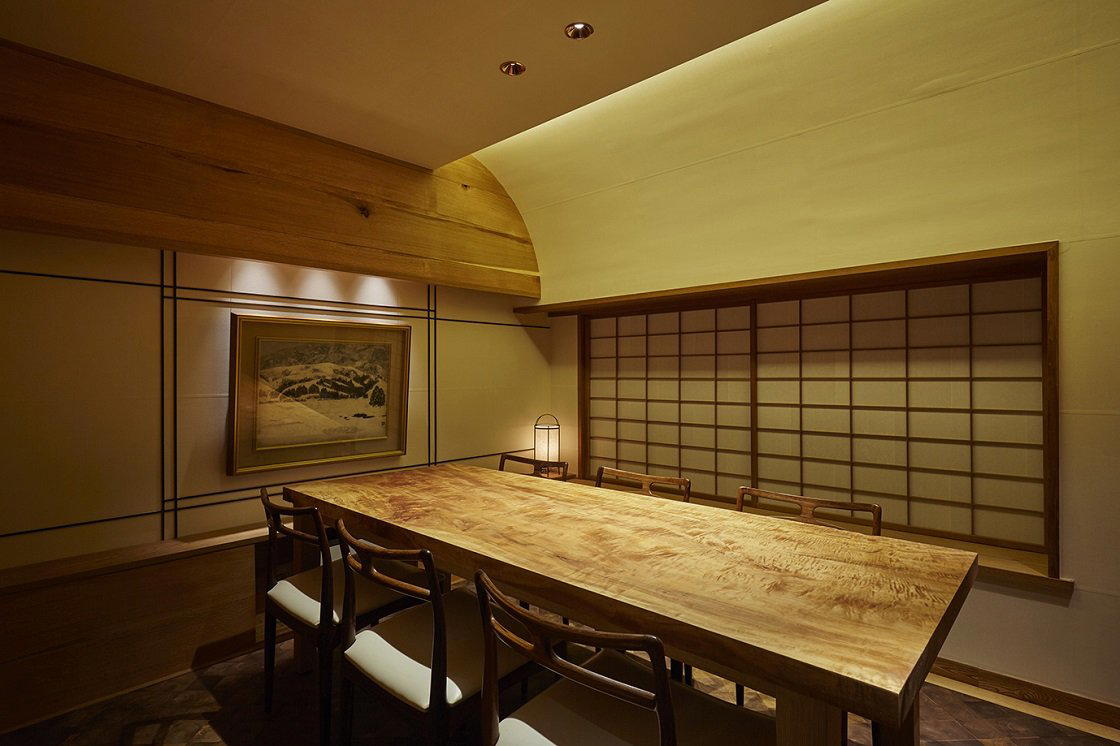
Two details from the Keri experience warrant specific attention for what they signal about kitchen priorities. The first is the kombu-pressed tenderloin. Kombu pressing is a technique that requires control of time and pressure; too long or too little changes the outcome materially. Its application to the most delicate duck cut demonstrates a preference for precision over simplicity. The second is the chopstick rests shaped as ducks, a detail that sits at the edge of whimsy but, in context, reads as an integrated gesture: the subject of the meal is present even in the smallest object on the table.
Neither detail is decorative in isolation. Together they indicate a kitchen and room that have been thought through consistently. That consistency of concept, from whole-bird purchasing policy to table object, is the mark of a specialist restaurant operating with full conviction rather than a broad menu with a specialty section attached.
Planning a Visit to Keri
Keri is located at 570 Gionmachi Minamigawa in the Higashiyama Ward of Kyoto, within walking distance of the Gion-Shijo station on the Keihan line. The Gion district is navigable on foot from central Kyoto, though the narrow machiya streets reward a slow approach rather than a direct route. For context on where Keri fits within the wider Kyoto dining picture, our full Kyoto restaurants guide covers the full range from kaiseki to specialist formats. Visitors planning broader itineraries can also consult our Kyoto hotels guide, bars guide, and experiences guide.
For travellers extending beyond Kyoto, comparable specialist and fine dining options are documented at akordu in Nara, Goh in Fukuoka, 1000 in Yokohama, and 6 in Okinawa. For international reference points in the single-subject or tasting-counter format, Le Bernardin in New York City and Atomix in New York City represent the category at its most disciplined outside Japan. Our Kyoto wineries guide rounds out the regional picture for those incorporating wine travel.
| Venue | Format | Price Tier | Recognition |
|---|---|---|---|
| Keri | Kamo-ryori specialist | Not published | Kamo-ryori specialisation |
| Gion Sasaki | Kaiseki | ¥¥¥¥ | Michelin 3 Stars |
| Mizai | Kaiseki | ¥¥¥¥ | Michelin 2 Stars |
| Hyotei | Kaiseki | ¥¥¥¥ | Michelin 3 Stars |
| Isshisoden Nakamura | Japanese | ¥¥¥¥ | Multi-generation specialist |
Frequently asked questions
Where is Keri located?
Keri is located at 570 Gionmachi Minamigawa, Higashiyama Ward, Kyoto, 605-0074, Japan, Kyoto.
What distinctions does Keri have?
Keri has received recognition including: Kamo-ryori means ‘duck specialities’ and that is what this niche restaurant delivers. The shop buys ducks whole, so it can serve a wide variety of cuts. The meal starts with items such as gizzard and liver. Tenderloin is pressed between two….
What do regulars order at Keri?
Keri's menu is structured around the whole bird rather than individual selections, so regulars follow the full sequence from start to finish. The kombu-pressed tenderloin and charcoal-smoked sirloin, with fat rendered into the soup stock, are the courses that draw the most consistent attention. Opening cuts like gizzard and liver set the kitchen's whole-bird philosophy before the leaner cuts appear.
How hard is it to get a table at Keri?
Keri sits on Gionmachi Minamigawa, Kyoto's most competitive dining corridor, where specialist restaurants at this level fill well in advance. Booking ahead is standard practice, particularly for evening seatings. Walk-in availability is unlikely during Kyoto's peak seasons in spring and autumn.
What do critics highlight about Keri?
Coverage of Keri consistently returns to the whole-duck purchasing model: by buying birds complete rather than in prepared cuts, the kitchen controls the full range of the menu and wastes nothing. The kombu-pressing technique applied to tenderloin and the use of rendered fat in soup stock are cited as evidence of that discipline. Small details, the duck-shaped chopstick rests, are noted as markers of the kitchen's coherent focus.
Reputation Context
Comparable venues nearby, for context on price, style, and recognition.
| Venue | Cuisine | Price | Awards | Notes |
|---|---|---|---|---|
| KeriThis venue (the venue you are viewing) | Kamo-ryori (Duck Specialties) | $150–200 | Michelin Plate | Not listed |
| Rakuhoku Nakayama | Tempura Kaiseki Omakase | $150–200 | Michelin Plate | Kita |
| Ryori Rihaku | Japanese-Chinese Fusion Kappo | $50–100 | Michelin Plate | Nakagyō |
| Mishimatei | Traditional Japanese Sukiyaki | $100–150 | Michelin Plate · Tabelog 100 #92 | Nakagyō |
| Pontocho Masuda | Kyoto-style Obanzai | $50–100 | Michelin Plate | Nakagyō |
| Kiyamachi Ran | Traditional Kyoto Sushi | $200–300 | Michelin Plate | Nakagyō |
Recognition history
Dated appearances from independent guides and award organizations, with the underlying list record or original source where available.
Michelin Plate
Michelin