
Tabelog 100 #1
Our verdict
Fusible belongs to Kobe’s small, serious tier of creative French-influenced counters, where the room’s intimacy matters as much as the cooking category. Its 2025 Tabelog 100 selection for Innovative / Creative cuisine, eight-seat counter format, wine focus, and JPY 20,000–29,999 pricing place it well above the city’s casual dining circuit and closer to destination tasting-menu territory.

Pearl is the En Primeur Club membership app — saves, bookings, and concierge access live there. Same editors, same standards.
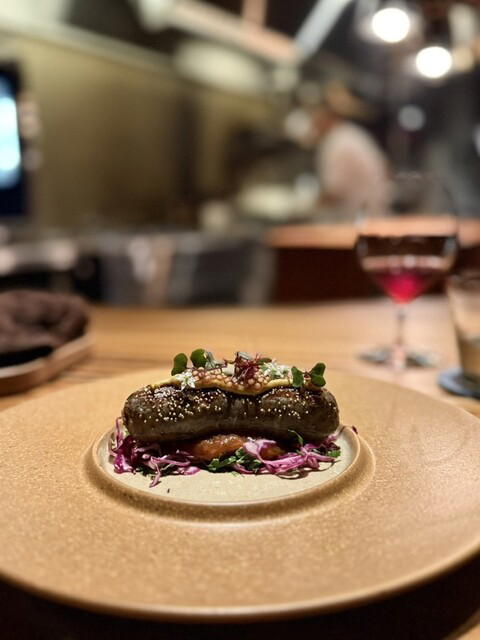
Approaching Fusible in Kobe changes the dining register: the city’s familiar polish gives way to a quieter rhythm of offices, residences, coffee rooms, and compact restaurants, better suited to an intimate meal than spectacle. Fusible fits that rhythm: a focused dining room and a Creative, French category that signals structure rather than free-form novelty.
Kobe’s restaurant identity is often reduced to beef, but its dining culture is more layered. French technique has long had a natural home here, partly because Kobe’s port history gave the city an early appetite for Western cooking, and partly because the city’s scale rewards precision over volume. In that context, a creative-French restaurant is not an imported format dropped into Hyogo; it is a credible extension of a local habit for cosmopolitan cooking in compact rooms.
A creative-French restaurant in a city better known for beef
Read this restaurant through format first. A focused room creates a different contract from the larger dining rooms of many hotel and steakhouse circuits: the meal becomes closely paced and dependent on the kitchen’s ability to hold attention without theatrical excess. That format narrows the audience. This is not the Kobe dinner for a broad group trying to sample the city in one sitting; it is for diners who want a composed sequence where timing, temperature, and service rhythm matter.
The Tabelog Hyakumeiten recognition in 2025 matters because the Creative and French categories sit within a crowded field of restaurants borrowing from French, Japanese, and contemporary European grammar. Recognition there does not have to mean flashy cooking. It means the restaurant has entered a wider conversation around technique-led, non-traditional dining, measured by progression, restraint, and point of view rather than authenticity to one cuisine. Fusible’s listed categories, Creative and French, place it there with unusual clarity.
Price sharpens the comparison. At JPY 20,000 - JPY 29,999 for both lunch and dinner, the restaurant sits far above more approachable Kobe options such as Akari, and away from casual everyday addresses. That gap is not only about ingredients; it can reflect a longer arc, more focused pacing, and more attention per diner. For travelers mapping a Kobe itinerary, treat this as the anchor meal rather than a convenient add-on between sightseeing and drinks.
The sensory argument is restraint, not performance
Intimate restaurants can turn closeness into performance or use it to remove noise. The stronger reading here is the second. The restaurant’s scale suggests concentration. Sensory cues are likely quieter than in Kobe’s more public-facing dining rooms: service cadence, movement through the meal, pauses between courses, and the way a creative-French menu can hold focus without pushing the restaurant into formal grand-restaurant mode.
That matters because Kobe already offers more obvious dining theatre. Other Kobe dining rooms speak directly to the city’s international reputation for grilled wagyu and celebratory beef. A creative restaurant asks something else: what does Kobe dining look like when beef is not allowed to dominate the table? Fusible’s appeal is that rebalancing. It gives the city a contemporary, technique-driven register without losing the intimacy that distinguishes Kobe from Osaka’s scale or Tokyo’s intensity.
The Creative and French listing is a useful signal. In creative-French restaurants in Japan, the format often bridges local ingredients, French technique, and a sequence that may not sit neatly inside classic courses. Fusible’s Creative and French classification places the meal in a European-inflected dining tradition rather than a purely Japanese counter tradition. That distinction matters when choosing between sushi, kaiseki, steak, and modern French on a short Kobe stay.
How to place it within a Kobe itinerary
Kobe supports a slower evening. The city’s coffee culture, small bars, and compact restaurants make more sense than a cross-city sprint. A day might begin with an easy Kobe wander, move through the city’s older dining and shopping streets, then end with a meal built for focus. For a fuller city plan, consult our Kobe experiences guide.
Comparisons clarify the decision. Kobe’s beef-focused rooms are for diners prioritising the city’s most famous culinary headline. Akari offers a different kind of Kobe evening. Fusible is the choice for Kobe’s contemporary dining language: French bones, creative category, intimate scale, and Tabelog Hyakumeiten recognition. Readers building a wider Japan food route can contrast that with other dining in Kobe and beyond, but the point here is local: Fusible shows how the city can speak in a quieter, more technique-led register.
This is not the address for diners chasing Kobe’s loudest culinary cliché. It is better for a tightly planned evening where the city’s French inheritance, contemporary technique, and intimate dining culture can be read in one sitting. The 2025 Tabelog Hyakumeiten recognition and listed score of 3.74 make advance planning sensible; the reward is a clearer understanding of Kobe as a dining city with more range than beef alone.
Frequently asked questions
How much does it cost to eat at Fusible?
Pricing at Fusible is listed as Dinner: JPY 20,000 - JPY 29,999; Lunch: JPY 20,000 - JPY 29,999.
What is Fusible known for?
Fusible is known as a Creative, French restaurant in Kobe with 2025 Tabelog Hyakumeiten recognition.
At-a-Glance Comparison
Side-by-side context: comparable cuisine and price.
| Venue | Cuisine | Price | Awards | Notes |
|---|---|---|---|---|
| FusibleThis venue (the venue you are viewing) | Creative French | $100–150 | Tabelog 100 #1 | Not listed |
| gueule remonte | Creative Modern French with Seafood Focus | $50–100 | Tabelog 100 #21 | Chūō |
| L'AVENUE | Modern French-style patisserie & chocolate shop | $10–20 | Tabelog 100 #30 | Chūō |
| Sumiyaki Shio Horumon 『A』 Kobe Sakaba | Charcoal-grilled Tajima beef & offal yakiniku | $50–100 | Tabelog 100 #10 | Chūō |
| Kanetatsu | Traditional Yakitori | $50–100 | Tabelog 100 #99 | Chūō |
| enoteca ber ber bar | Natural Wine Bar / Seasonal Bistro | $50–100 | Tabelog 100 #69 | Chūō |
Recognition history
Dated appearances from independent guides and award organizations, with the underlying list record or original source where available.
Tabelog 100 #1 · No. 1
Tabelog · Tabelog 100 - Innovative / Creative cuisine - 2025
Continue exploring
More in Kobe
Restaurants in Kobe
All restaurants in Kobe →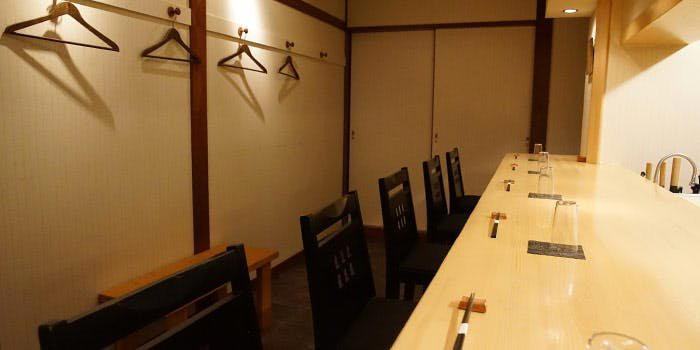
Bars in Kobe
Browse all →

Details
- Sophisticated
- Minimalist
- Intimate
- Elegant
- Date Night
- Special Occasion
- Business Dinner
- Private Event
- Design Destination
- Standalone
- Sommelier Led
- Set Menu
- Tasting Menu
- Wine Pairings
- Mixed Pairings
Current opening hours
- Monday
- Closed
- Tuesday
- Closed
- Wednesday
- 6–11 PM
- Thursday
- 6–11 PM
- Friday
- 12–3 PM, 6–11 PM
- Saturday
- 12–3 PM, 6–11 PM
- Sunday
- Closed
Hours can change for holidays and private events. Last verified .
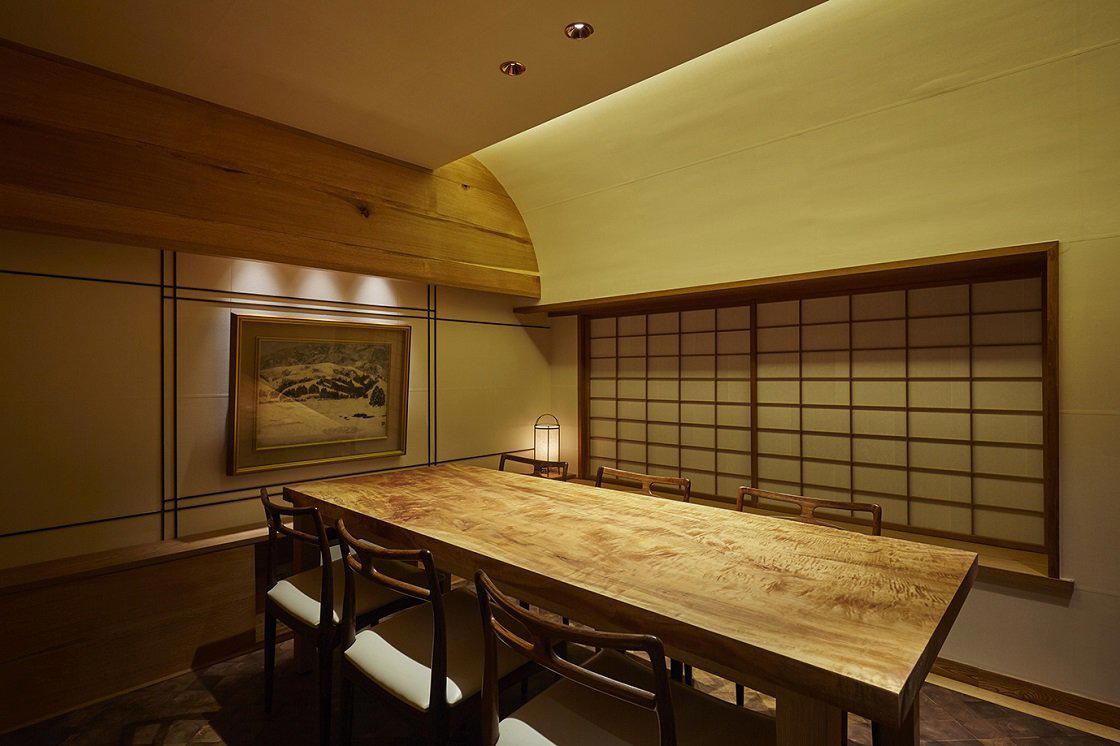
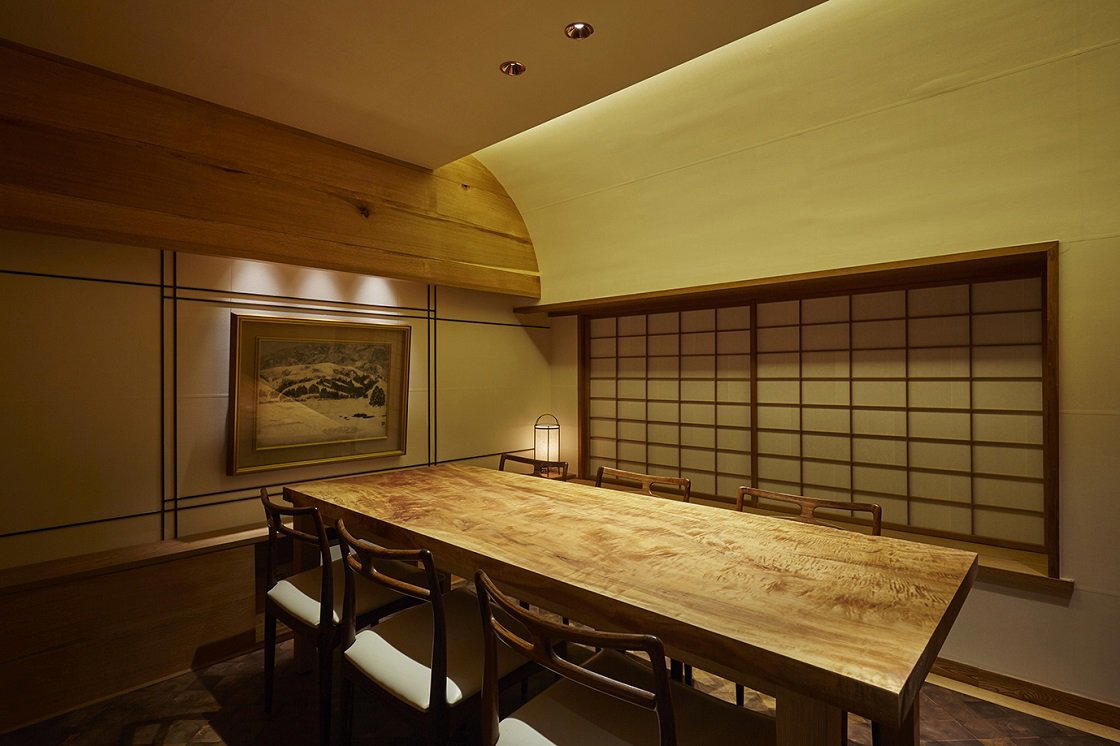
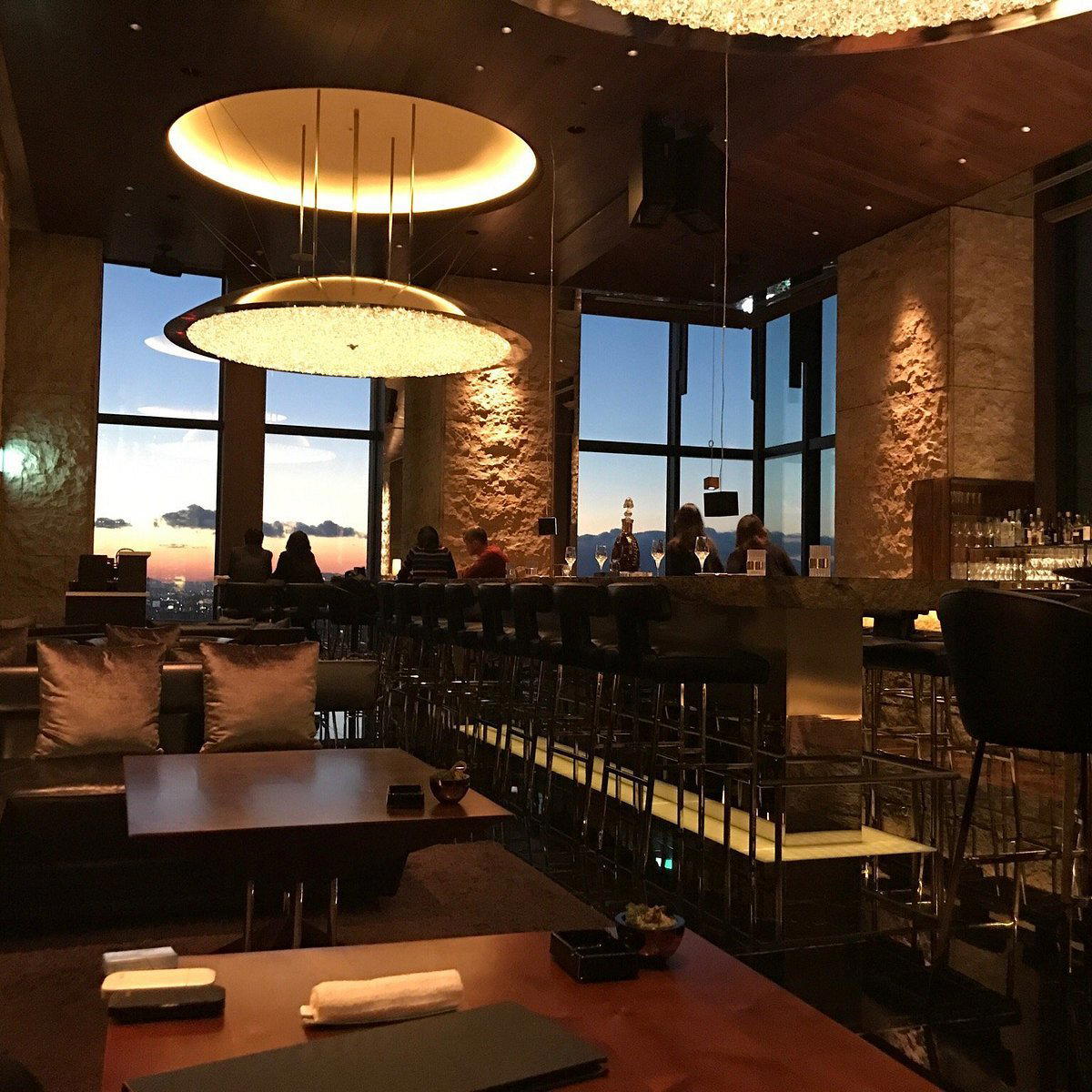
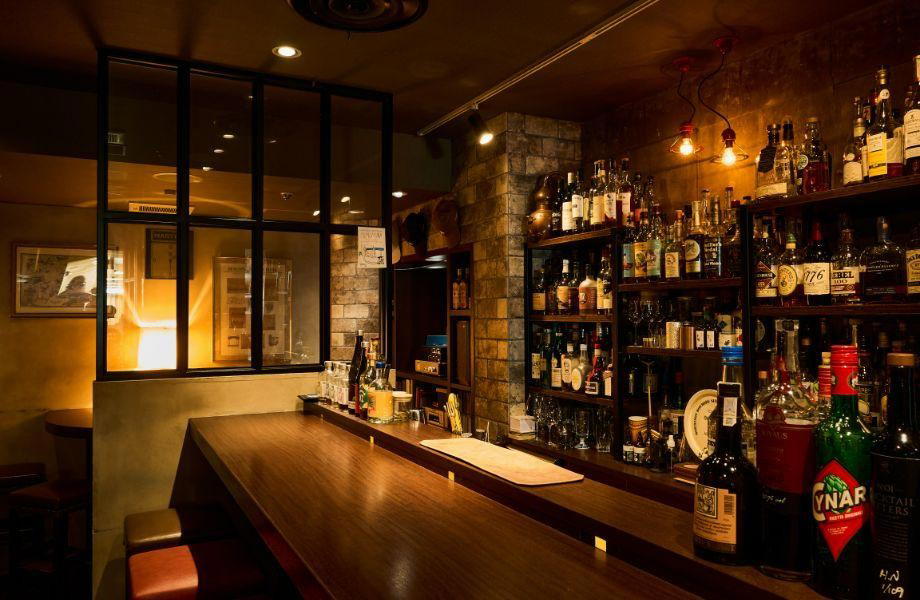
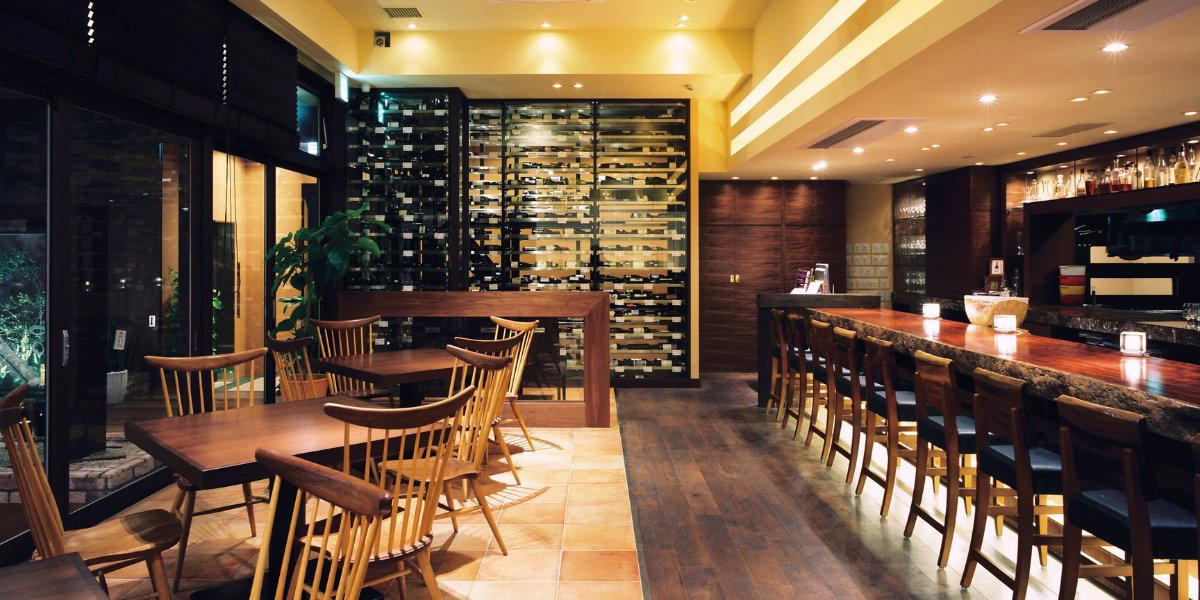
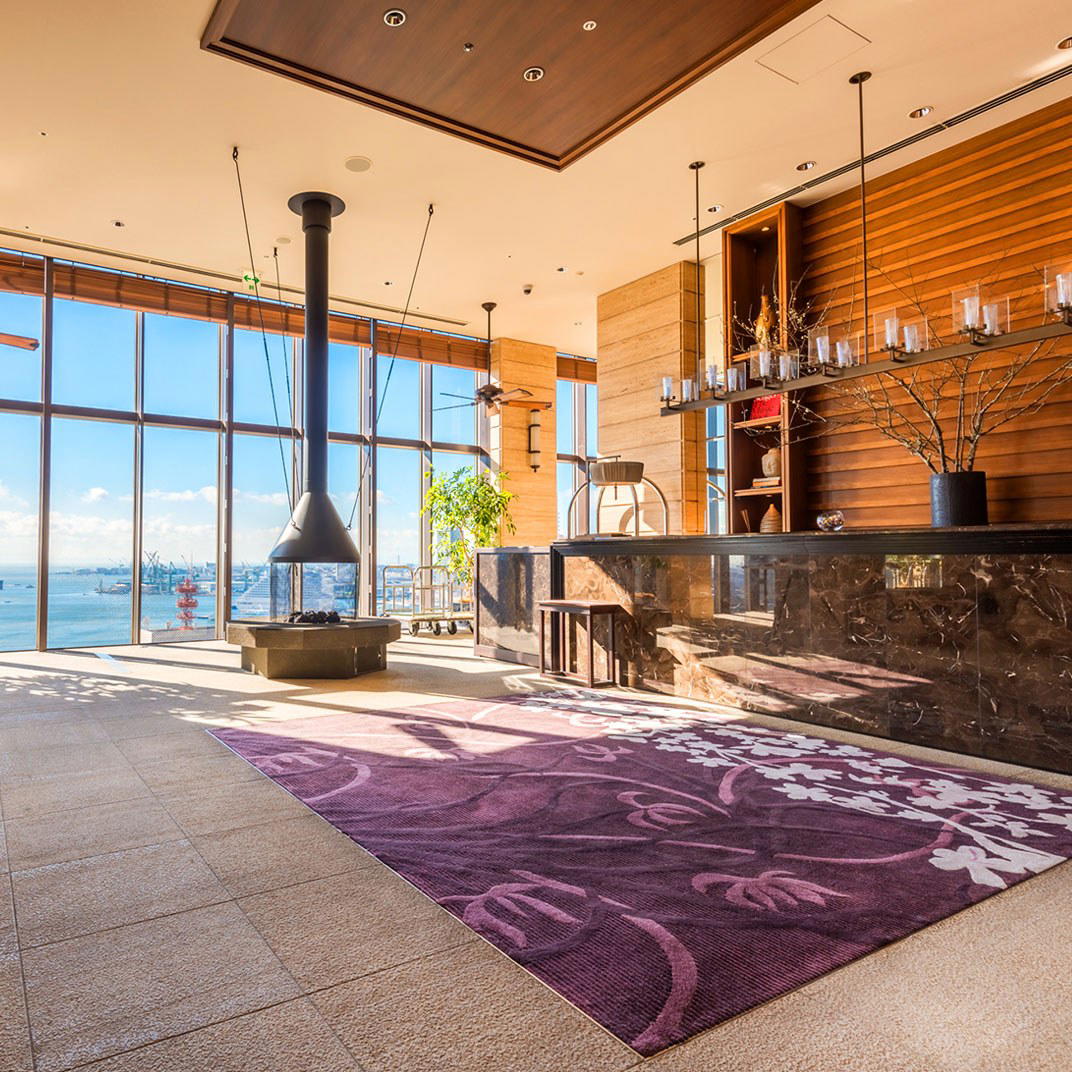
Spacious, stylish, and minimal, with a quiet, intimate feel suited to a small counter experience.