


1 Michelin Star · Les Grandes Tables du Monde Member · Tabelog 100 #98
Our verdict
A Michelin-starred French table in Osaka's Chuo Ward, La Bécasse holds a Les Grandes Tables du Monde award alongside its star, a pairing that places it in a selective tier of French restaurants operating with serious classical credentials outside France. Chef Guillaume Hazaël-Massieux works from daily market visits, building seasonal menus that read French technique through the lens of Japanese terroir.

Pearl is the En Primeur Club membership app, where members save venues, book tables and use the concierge.
A French Counter in the Heart of Downtown Osaka
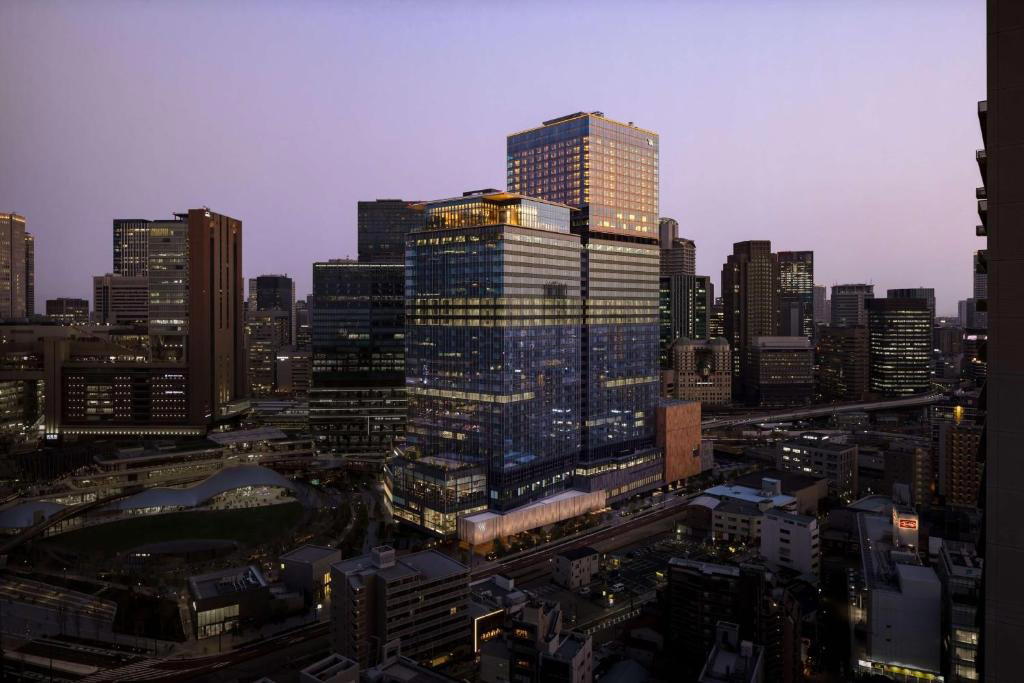
Hiranomachi, the compact financial district at Osaka's commercial core, is not the neighbourhood most visitors associate with serious French dining. The streets here run between banking offices and old merchant buildings, the foot traffic professional rather than touristic. That context matters: a French restaurant that survives and earns recognition in this environment is operating for a local clientele with specific expectations, not for passing trade looking for a familiar European reference point.
La Bécasse occupies that precise position. With a Michelin star awarded in 2024 and a Les Grandes Tables du Monde membership confirmed for 2025, the restaurant sits in a peer group defined more by classical French credentials than by neighbourhood celebrity. Les Grandes Tables du Monde membership is significant here: the organisation, which groups formally trained French tables across the world, provides a reference framework that places La Bécasse alongside institutions in Crissier and Paris rather than against the broader Osaka dining field. For context, Hotel de Ville Crissier in Crissier holds the same designation, the company La Bécasse keeps internationally signals something about its orientation.
French Technique, Japanese Terroir
The creative premise at La Bécasse is one that a number of serious French restaurants in Japan have explored, but relatively few execute with the discipline the approach demands. The kitchen works from daily market visits, sourcing ingredients on a seasonal basis and building preparation around what those ingredients offer at a given moment rather than around a fixed recipe archive. The underlying philosophy draws on the French concept of terroir, the idea that an ingredient's character is inseparable from the land, water, and climate that produced it, and applies it to Japanese produce.
This is a harder programme to sustain than it sounds. French technique developed around French terroir, and the vocabulary of classical sauces, reductions, and preparations was calibrated to European seasons and produce. Translating that vocabulary to Japanese ingredients requires both thorough French training and genuine familiarity with what Japanese markets produce across a year. Chef Guillaume Hazaël-Massieux's documented time in France underpins the classical side; the daily sourcing discipline addresses the other half of the equation.
The result is a menu that changes rather than repeats itself. Where many restaurants at this price point maintain signature dishes that anchor the experience across visits, La Bécasse's stated approach is the opposite: returning guests should expect new preparations, not familiar ones. That posture aligns the restaurant with a smaller subset of French tables that treat the menu as a live document rather than a seasonal template.
For comparison with Osaka's broader French field: La Cime holds two Michelin stars at a higher price tier, while Différence and LE PONT DE CIEL occupy adjacent positions in Osaka's French dining tier. At the top of the city's restaurant hierarchy, HAJIME operates with three Michelin stars at the ¥¥¥¥ bracket, with a more avant-garde, innovative orientation that places it in a different competitive conversation. La Bécasse's ¥¥¥ price point and classical-with-seasonal approach carve a distinct niche between those extremes.
The Wine Programme: Classical Alignment
French cuisine at this level of formal recognition typically carries an expectation about the cellar that matches the kitchen's ambition. Les Grandes Tables du Monde membership, in particular, is associated with tables that maintain wine programmes with genuine depth in classical French appellations, Burgundy, Bordeaux, the northern Rhône, and Champagne form the backbone of most cellars operating in this framework.
For a French restaurant in Japan working with Japanese terroir through a French lens, the wine pairing question becomes genuinely interesting. The kitchen's seasonal adaptability means that a fixed pairing structure would resist the menu's logic. Wine selections that can move with daily market decisions require a cellar broad enough to accommodate a range of flavour profiles and a sommelier (or equivalent) fluent enough to make those pairings on the fly rather than from a laminated sheet.
The broader pattern among serious French tables in Japan's major cities is instructive. L'Effervescence in Tokyo, for example, has built a reputation that extends to its beverage programme alongside its kitchen work. At Osaka's ¥¥¥ French tier, the expectation is a cellar with French appellation depth and enough flexibility to track an evolving seasonal menu. Guests who approach the wine pairing as an extension of the kitchen's terroir argument, French classification applied to Japanese produce, will find the most coherent experience.
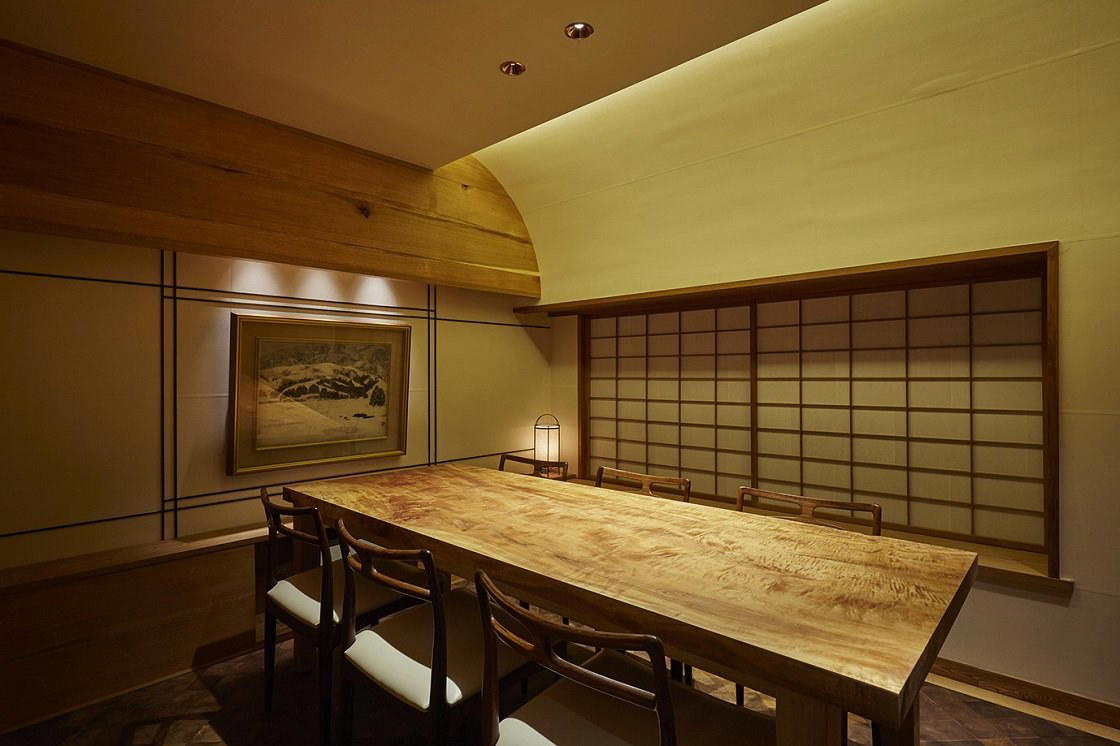
The intimate setting that La Bécasse's own documentation highlights has a direct implication for the wine experience: smaller rooms mean smaller cellars, but also more attentive service per cover. At a tightly configured French table, the wine conversation tends to be more specific and more responsive than at larger operations. For guests who want to engage seriously with the pairing rather than accept a standard option, that dynamic is worth using.
Osaka's French Dining Tier: Where La Bécasse Fits
Osaka's fine dining identity is, in most international narratives, defined by Japanese traditions: kaiseki at Taian (three Michelin stars), the city's density of high-end Japanese counters, and the kuidaore culture that shapes how Osakans relate to eating. French dining operates in that city as a parallel tradition with its own loyal audience, distinct from the more conspicuous French scenes in Tokyo or Paris, but operating at a comparable technical level.
The city's French tier has compressed somewhat at the leading: HAJIME and La Cime claim the headline Michelin positions, while a handful of one-star and recognised tables serve the middle of the market. La Bécasse's two-credential position (Michelin star plus Les Grandes Tables du Monde) gives it more formal documentation than most in that middle tier, which matters when assessing how it compares to peers like Point or nent in Osaka's broader fine dining field.
That pattern is consistent with the Hiranomachi address and the no-repeat-menu format, both of which reward regulars more than first-timers.
For travellers moving through the Kansai region, La Bécasse fits naturally into a broader itinerary that might include Gion Sasaki in Kyoto or akordu in Nara. Across Japan's other cities, comparable reference points include Harutaka in Tokyo, Goh in Fukuoka, 1000 in Yokohama, and 6 in Okinawa, each operating with a distinct approach to formal dining in their respective cities. See our full Osaka restaurants guide for the broader field.
Planning Your Visit
Know Before You Go
- Address: 3 Chome-3-9 Hiranomachi, Chuo Ward, Osaka, 541-0046, Japan
- Cuisine: French, seasonal, daily-sourced
- Price range: ¥¥¥
- Awards: Michelin 1 Star (2024); Les Grandes Tables du Monde (2025)
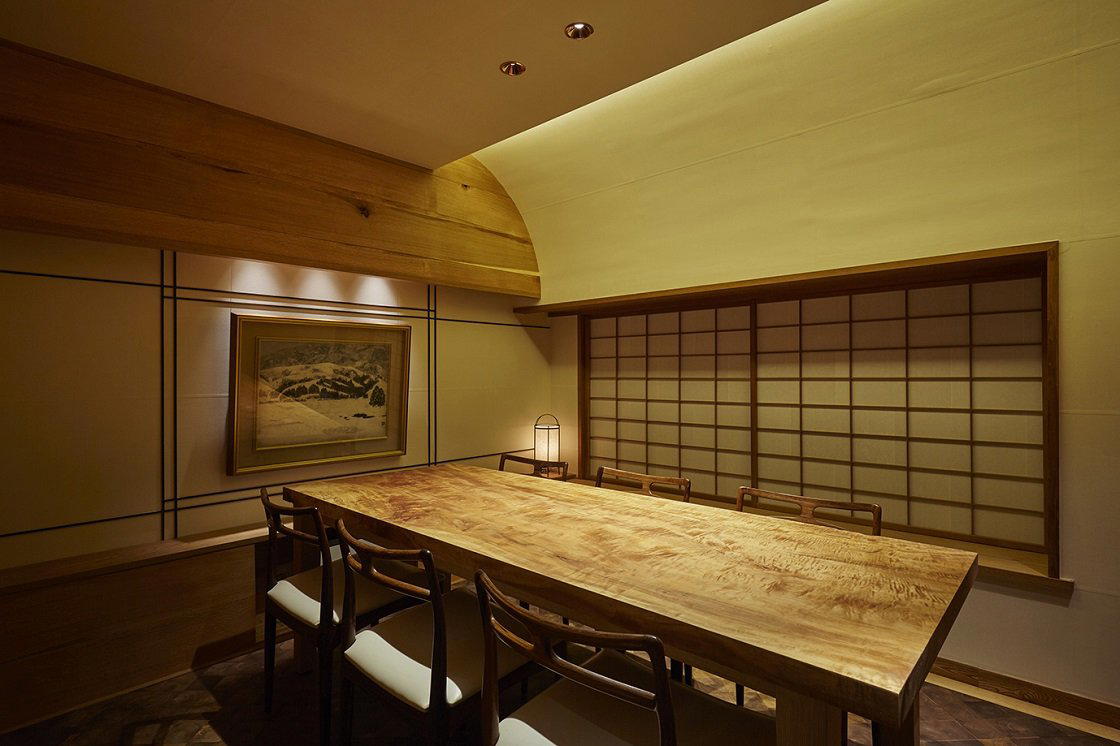
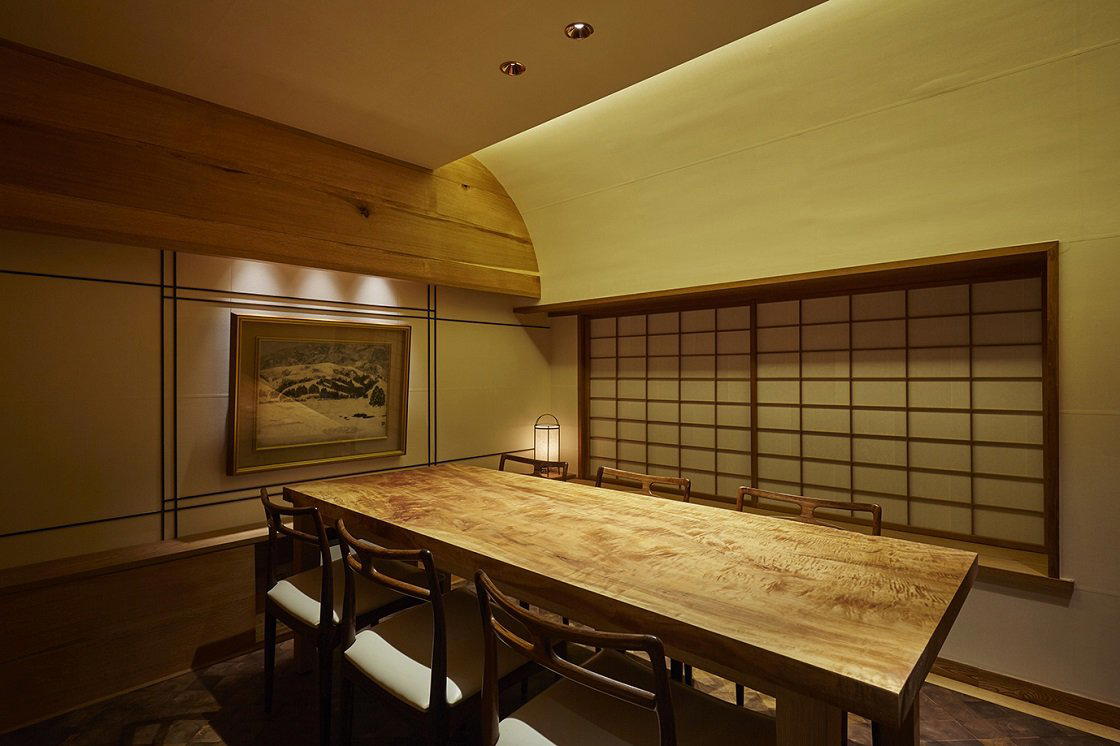
- Setting: Intimate room, downtown Osaka financial district
- Chef: Guillaume Hazaël-Massieux
- Booking: Contact directly, hours and online booking details not listed; advance reservation advised given capacity
Hiranomachi sits within Chuo Ward, well-connected to Osaka's central transit network. The neighbourhood's professional character means lunch and dinner services both draw a local office audience alongside destination visitors. Given the intimate format and the restaurant's recognition level, reservations should be secured well in advance, one-star French tables with Les Grandes Tables du Monde status at a ¥¥¥ price point tend to book solidly, particularly on weekends.
For further Osaka planning, EP Club covers hotels, bars, wineries, and experiences across the city.
Frequently asked questions
Does La Bécasse work for a family meal?
La Bécasse is a Michelin-starred French restaurant in Osaka's Hiranomachi financial district, oriented toward a formal dining experience built around seasonal tasting menus. The intimate setting and considered pace make it better suited to adults with a genuine interest in French cuisine than to families with young children. It is the kind of meal that rewards attention rather than conversation at volume.
What should I expect atmosphere-wise at La Bécasse?
The address in Hiranomachi, Osaka's compact downtown commercial core, signals a certain register: this is a serious restaurant without the tourist foot traffic of Shinsaibashi or Namba. The intimate setting noted in the venue's own positioning, combined with its Les Grandes Tables du Monde membership alongside its Michelin star, points to a formal but personal room rather than a large production kitchen. Expect focus over spectacle.
Is La Bécasse Michelin-listed?
La Bécasse has received recognition including: La Bécasse aspires to greet guests with something new and exciting every time they visit. Rather than follow past recipes, the restaurant enlivens familiar ingredients with creative preparation techniques and sauces. A sojourn in France tau….
What should I eat at La Bécasse?
Chef Guillaume Hazaël-Massieux builds his menu around daily market visits, so the specific dishes shift with Japan's seasonal produce rather than following fixed recipes. The guiding principle is Japanese terroir expressed through French technique and saucing, informed by his time training in France. Arriving with flexibility rather than a fixed dish in mind is the right approach here.
What should I expect cuisine-wise at La Bécasse?
The Minimal Set
| Venue | Cuisine | Price | Awards | Notes |
|---|---|---|---|---|
| La BécasseThis venue (the venue you are viewing) | Modern French Omakase | $200–300 | 1 Michelin Star · Les Grandes Tables du Monde Member | Not listed |
| HAJIME | Avant-Garde Japanese Fine Dining | $300–500 | 3 Michelin Stars · World's 50 Best #83 | French, Innovative |
| La Cime | Modern French with Japanese Ingredients | $150–200 | 2 Michelin Stars · World's 50 Best #13 | French |
| Kashiwaya Osaka Senriyama | Seasonal Kaiseki Omakase | $200–300 | 3 Michelin Stars · La Liste Top Restaurants | Japanese |
| Taian | Traditional Japanese Kaiseki Omakase | $150–200 | 3 Michelin Stars · La Liste Top Restaurants | Kaiseki, Japanese |
| Fujiya 1935 | Modern Japanese with European influences | $100–150 | 2 Michelin Stars · La Liste Top Restaurants | Innovative |
Recognition history
Dated appearances from independent guides and award organizations, with the underlying list record or original source where available.
Michelin 1 Star
Michelin
Les Grandes Tables du Monde Member
Les Grandes Tables du Monde
Relais Chateaux Award
Relais Chateaux
Tabelog 100 #98 · No. 98
Tabelog · Tabelog 100 - French - WEST - 2025
Full recognition history (5 entries)
Michelin 1 Star
Michelin