
Tabelog 100 #21
Our verdict
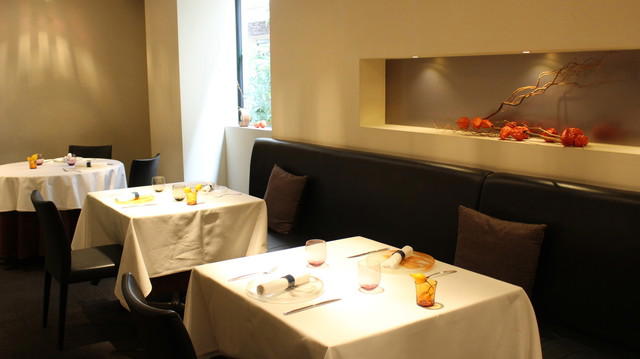
An eight-seat French and seafood counter in Kobe’s Motomachi orbit, gueule remonte belongs to the small-format end of the city’s dining scene rather than the steakhouse circuit. Its Tabelog French WEST 100 selection for 2025, fish-led cooking, wine focus, and compact room make it a measured choice for diners weighing precision and intimacy over spectacle.

Pearl is the En Primeur Club membership app, where members save venues, book tables and use the concierge.
The menu
What to order
- Beef tenderloin and oyster tartare
- Chef's omakase full course
Kobe’s dining rooms ask for a different kind of attention when the meal moves away from the city’s most familiar beef narrative. The rhythm changes from famous counters and busy visitor circuits to meals where pacing, service, and category focus carry as much weight as the plate. In that register, gueule remonte fits Kobe’s French tradition through the facts available for the restaurant: it is listed in the French and Seafood categories, with recognition that makes it relevant for diners who want another premium Kobe option beyond wagyu prestige.
Kobe is often flattened into a single luxury shorthand, but its stronger dining map is more varied. Beef remains the city’s exportable calling card, and readers building a meat-focused itinerary will naturally compare allowed Kobe beef options such as KOBE BEEF EiKiChi, Kobe Beef Yakiniku Yazawa Nankinmachi Branch, Kobe beef Daichi, and the broader steakhouse tier around Kobe beef. The more interesting decision is where to break that pattern. A French and Seafood restaurant gives a visitor a different read on Kobe dining, not just a brand name attached to beef.
French technique, seafood emphasis, and a room scaled for attention
The value proposition here is not volume. It is format. A focused restaurant meal changes the equation: fewer competing priorities, closer attention to pacing, and a clearer sense of what the category is meant to deliver. That matters in Kobe, where visitors often spend heavily on beef and then treat every non-beef meal as secondary. A French-seafood address argues for a different allocation of the dining budget, particularly when the category itself is French and Seafood.
The 2025 Tabelog Hyakumeiten recognition gives the restaurant a useful external marker without turning the meal into a trophy exercise. Tabelog’s Hyakumeiten lists tend to reward sustained approval and category strength rather than international noise, which is useful in a city where foreign visitors can over-index on familiar luxury cues. A score of 3.68 places it in the serious local conversation, especially for diners comparing premium meals by category, budget, and service rhythm.
Comparison within Kobe is instructive. A classic grill such as Ito Grill sits in a different lane, with a style that makes sense for diners chasing old-school Western-style meat culture. Coffee institutions such as Evian Coffee answer another Kobe habit entirely: the city’s long-standing café culture. The French-seafood format sits between those poles, less casual than coffee, less internationally obvious than beef, and better suited to a meal where sequence, restraint, and category focus define the spend.
Where the money goes in Kobe's premium dining hierarchy
For travellers, Kobe’s restaurant spending can become distorted quickly. Beef meals command a premium because the product is famous before the diner arrives. French cooking has to justify itself differently: through technique, sourcing choices, service concentration, and how convincingly the meal fits the city. That is the case for gueule remonte. The draw is the narrower, verifiable proposition of a French and Seafood meal in Kobe with current Tabelog Hyakumeiten recognition.
This is where the price-to-experience calculation becomes sharper. Dinner is listed at JPY 10,000 - JPY 14,999, while lunch is listed at JPY 6,000 - JPY 7,999, putting the restaurant into a serious but still legible premium band. A diner who wants the loudest expression of Kobe luxury may be happier in a beef room. A diner who has already booked steak, or who wants a meal that reads differently within Kobe’s premium range, gets better variety by adding French seafood to the itinerary.
That distinction helps when planning around the city. Kobe compresses several identities into a compact dining map: beef dining, Western-influenced cafés, polished restaurants, and small-scale meals across the city. Readers mapping a broader day can place this meal alongside more casual local stops elsewhere in Kobe, then use Our full Kobe restaurants guide to decide whether dinner should lean French, beef, sushi, or izakaya.
Planning the meal around Kobe, not just the table
The practical logic is simple: treat this as a destination meal within Kobe rather than a detour built only around a famous name. The restaurant belongs in a Kobe itinerary, where it can serve as a counterweight to beef-focused plans. The appeal is less about checking off a global luxury shorthand and more about choosing a meal that adds another register to a city too often reduced to beef alone.
Planning ahead is sensible for any premium meal in Kobe, especially when the restaurant has current Tabelog Hyakumeiten recognition and a listed score of 3.68. The listed categories, French and Seafood, make the restaurant particularly useful for travellers who want a counterpoint to Kobe beef without abandoning the city’s premium dining tier.
For a fuller Kobe plan, the surrounding city guides are useful in separating dining from the rest of the trip: Our full Kobe hotels guide, Our full Kobe bars guide, Our full Kobe wineries guide, and Our full Kobe experiences guide. Travellers extending beyond Kobe can compare how regional Japanese dining changes in other cities through unnamed restaurants and cafés across Japan. For overseas Japanese-leaning drinking and casual dining references, generic examples abroad show how different the category becomes once it leaves Japan.
Frequently asked questions
What's gueule remonte's location?
Kobe.
What should I budget for a meal at gueule remonte?
Budget at gueule remonte is listed as Dinner: JPY 10,000 - JPY 14,999; Lunch: JPY 6,000 - JPY 7,999.
Is gueule remonte reservation-only?
The provided public record does not state reservation-only service. Because gueule remonte has 2025 Tabelog Hyakumeiten recognition, booking ahead is the practical choice. Check the venue's official channels for the latest details.
What is gueule remonte known for?
gueule remonte is known in Kobe for French and Seafood, with 2025 Tabelog Hyakumeiten recognition and a listed score of 3.68.
Recognition, Side-by-Side
Comparable venues by cuisine and price in the same metro.
| Venue | Cuisine | Price | Awards | Notes |
|---|---|---|---|---|
| gueule remonteThis venue (the venue you are viewing) | Creative Modern French with Seafood Focus | $50–100 | Tabelog 100 #21 | Not listed |
| Comme Chinois | French-style bakery & patisserie café | $10–20 | Tabelog 100 #14 | Chūō |
| Fusible | Creative French | $100–150 | Tabelog 100 #1 | Chūō |
| Ito Grill | Classic Kobe yoshoku & charcoal‑grilled Kobe beef | $100–150 | Tabelog 100 #91 | Chūō |
| Kiraku | Traditional Kobe Yakiniku | $50–100 | Tabelog 100 #35 | Chūō |
| Sumiyaki Niku Ishidaya. Hanare | Kobe beef charcoal-grilled yakiniku | $50–100 | Tabelog 100 #7 | Chūō |
Recognition history
Dated appearances from independent guides and award organizations, with the underlying list record or original source where available.
Tabelog 100 #21 · No. 21
Tabelog · Tabelog 100 - French - WEST - 2025
Continue exploring
More in Kobe
Restaurants in Kobe
All restaurants in Kobe →
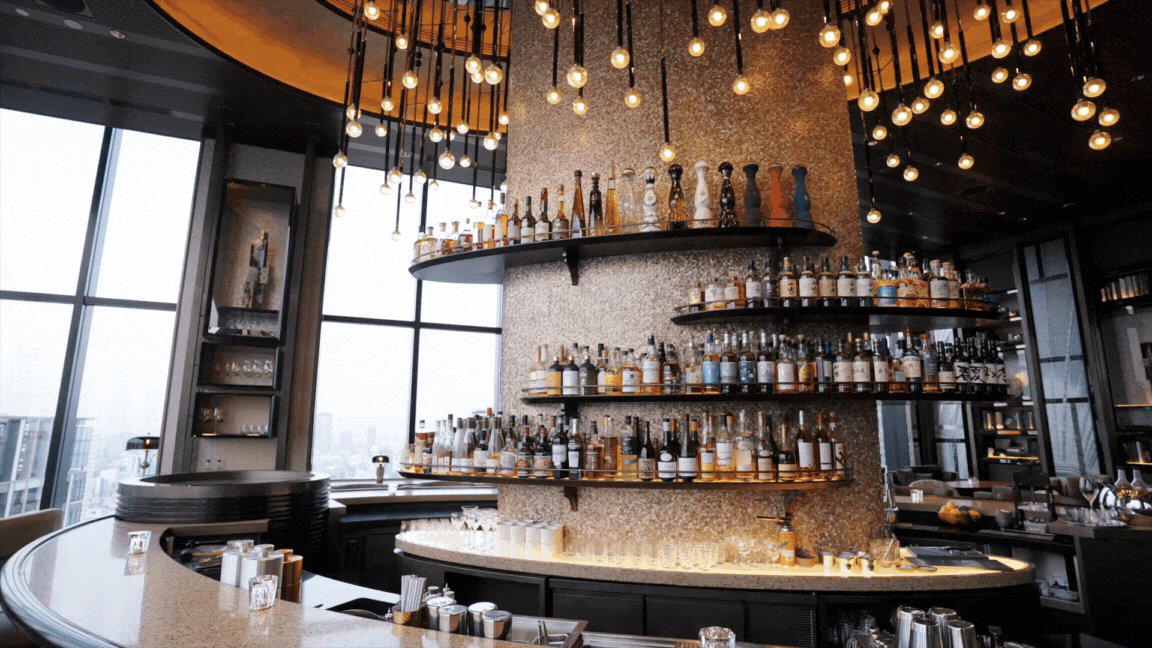
Bars in Kobe
Browse all →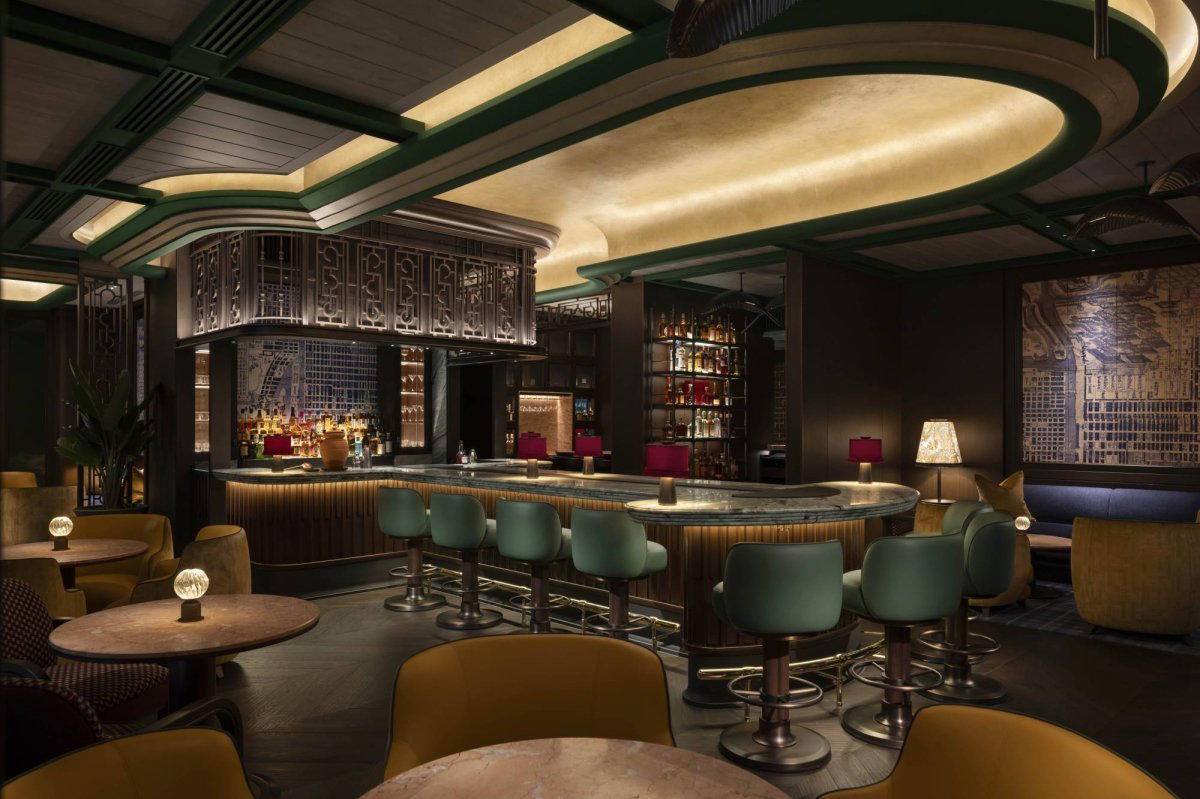




Details
- Elegant
- Cozy
- Modern
- Intimate
- Sophisticated
- Special Occasion
- Date Night
- Celebration
- Family
- Business Dinner
- Open Kitchen
- Standalone
- Design Destination
- Extensive Wine List
- Tasting Menu
- Set Menu
- Wine
- Pescatarian Friendly
Current opening hours
- Monday
- 12–3 PM, 6:30–9 PM
- Tuesday
- Closed
- Wednesday
- Closed
- Thursday
- 12–3 PM, 6:30–9 PM
- Friday
- 12–3 PM, 6:30–9 PM
- Saturday
- 12–3 PM, 6–9 PM
- Sunday
- 12–3 PM, 6–9 PM
Hours can change for holidays and private events. Hours as of .
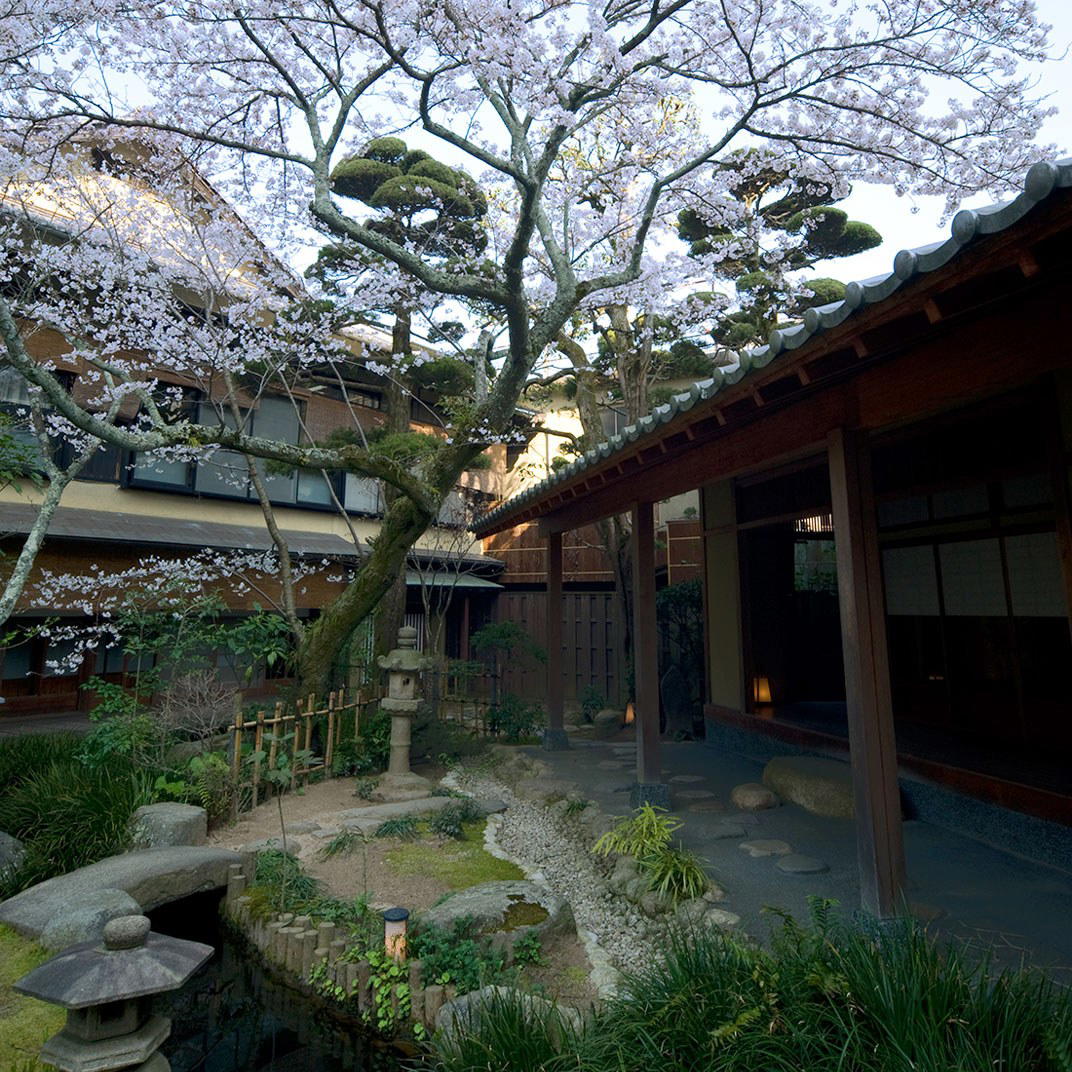
A quietly elegant hideaway down a narrow alley, with a stylish yet warm and relaxing interior, spacious seating for only eight guests, and an open kitchen that creates an intimate, special-occasion atmosphere while remaining welcoming for everyday dining.