
Michelin Plate
Our verdict
A Michelin Plate-recognised Hunanese restaurant on Kaichuang Boulevard in Guangzhou's Huangpu district, Cheers brings the fire-driven cooking of Hunan province to a city better known for Cantonese restraint. Consecutive Plate distinctions in 2024 and 2025 confirm its standing in a city that takes regional Chinese cooking seriously. The mid-range price point puts Hunan flavour at its most accessible without concession to the cuisine's defining intensity.

Pearl is the En Primeur Club membership app — saves, bookings, and concierge access live there. Same editors, same standards.
The menu
What to order
- Ice-chilled crisp lotus root
- Cantonese-style braised sea cucumber
Hunan Cooking in a Cantonese City
Guangzhou's dining identity is built on Cantonese principle: freshness over fire, subtlety over force, technique expressed through restraint. Hunanese cooking operates from an almost opposite set of values. Dried chillies, fermented black beans, smoked pork, and the dual assault of heat and sour define the cuisine's character, and transplanting that register into a Cantonese city creates an interesting tension. The Huangpu district, anchored by Kaichuang Boulevard's commercial and residential sprawl, sits far enough from the tourist circuits of Tianhe and Yuexiu to attract a local crowd that knows what it wants. In that context, Hunanese restaurants in Guangzhou are not novelty acts but genuine outposts of a distinct regional tradition.
Cheers on Kaichuang Avenue holds consecutive Michelin Plate distinctions for 2024 and 2025, a signal that its cooking clears the standard the Michelin inspectors apply to regional Chinese formats in this city. Most of the Plate-and-above recognitions in Guangzhou's Michelin Guide cluster around Cantonese and Chao Zhou specialists; Hunanese kitchens occupy a narrower slice of that list. Comparable mid-range recognition for non-Cantonese regional cooking in Guangzhou is genuinely limited, which makes consecutive Plate status here more notable than the award tier might suggest in isolation.
What the Ingredient Logic of Hunan Cuisine Demands
Hunanese cooking is inseparable from its source ingredients, and understanding that supply chain explains why the cuisine travels with variable quality. Landlocked Hunan province developed a preserving and smoking culture out of necessity: winters are cold, summer harvests needed to stretch, and the bold flavours of fermented and cured products became structural, not optional. The defining ingredients are not luxury items. Doubanjiang-adjacent fermented pastes, aged vinegar, smoke-cured pork belly, and dried red chillies from specific growing regions in the province carry the cuisine's flavour architecture. When those ingredients are sourced authentically, the cooking has a layered funk and heat that synthetic shortcut versions cannot replicate.
For a Hunanese restaurant operating in Guangzhou, sourcing those ingredients from Hunan rather than substituting local alternatives is the first and most consequential quality decision a kitchen makes. The distance is manageable — Changsha, Hunan's capital, sits roughly 650 kilometres northeast of Guangzhou — and supply chains for preserved and smoked products exist at scale for kitchens that prioritise them. The presence of Michelin Plate recognition two years running suggests the kitchen at Cheers is working within that framework rather than adapting the cuisine to Cantonese pantry logic.
For readers tracking the broader Hunanese scene across mainland China, Furong in Beijing and In Love on Gongti East Road, also in Beijing, represent the cuisine's footprint in the north, where adaptation pressure to local palates runs higher. The Guangzhou version is interesting precisely because the local palate already has strong opinions about quality and freshness, which disciplines rather than indulges approximation.
Price Point and What It Signals
The ¥¥ price tier places Cheers in the mid-range bracket for Guangzhou dining, meaningfully below the ¥¥¥ tier occupied by Cantonese specialists like Imperial Treasure Fine Chinese Cuisine and the Chao Zhou format at Guo Fan Jia Yan. Within Hunanese cooking, mid-range pricing is structurally coherent: the cuisine's proteins are historically working-class cuts, trotters, belly, offal, and the flavour amplification comes from time-intensive preparation and ingredient quality rather than luxury protein sourcing. A kitchen that maintains Michelin recognition at ¥¥ is demonstrating that the value-to-technique ratio is calibrated correctly.
That mid-range positioning also explains the likely clientele. Huangpu's Kaichuang Boulevard serves a working and residential population rather than a tourist circuit, and a restaurant that earns consecutive Plate recognition in that context is passing a harder test than the same award in a district where expense-account dining normalises inflated baseline quality.
The Guangzhou Regional Chinese Context
Guangzhou's Michelin Guide has increasingly recognised regional Chinese formats alongside its traditional Cantonese stronghold. The presence of Hunanese, Chao Zhou, and other non-Cantonese kitchens in the guide reflects both the city's demographic diversity and the inspectors' expanding remit. For visitors building a Guangzhou itinerary around regional Chinese cooking rather than Cantonese tradition, the options are fewer but the contrast is instructive. Cantonese cooking at its highest expression, as found at places like Jiang by Chef Fei or Cicada, prioritises clarity and product. Hunanese cooking at its finest does the opposite: it prioritises transformation, layering, and the kind of flavour depth that takes days of preparation rather than hours.
Across other Chinese cities, that transformation-focused register finds expression at venues like 102 House in Shanghai, Ru Yuan in Hangzhou, and Xin Rong Ji in Chengdu, all of which demonstrate how regional Chinese cooking holds its identity across transplanted urban contexts. For a wider map of Guangzhou's dining options, the full Guangzhou restaurants guide covers the range from Cantonese fine dining to regional specialists.
Planning Your Visit
Cheers sits on Kaichuang Boulevard in Huangpu, Guangzhou's eastern district, at a postcode of 510730. The location is not within walking distance of the central hotel corridors in Tianhe, so visitors should plan transport accordingly; Huangpu is accessible by metro and the journey from central Guangzhou takes approximately 30 to 45 minutes depending on origin. The ¥¥ pricing makes this a practical choice for a weekday lunch or a low-formality dinner. Given the residential and commercial character of the neighbourhood, the restaurant likely draws a predominantly local repeat clientele, which tends to mean shorter waits outside of peak weekend service.
Visitors combining Guangzhou's dining options across a multi-city trip can reference the EP Club guides for complementary destinations: Chef Tam's Seasons in Macau, Xin Rong Ji in Beijing, and Dai Yuet Heen in Nanjing each offer a different register of Chinese regional cooking at the recognised level. For everything else in the city, the Guangzhou hotels guide, bars guide, wineries guide, and experiences guide complete the picture.
Frequently asked questions
Is Cheers (Kaichuang Avenue) Michelin-listed?
Cheers (Kaichuang Avenue) has received recognition including: Michelin Plate (2025); Michelin Plate (2024).
Is Cheers (Kaichuang Avenue) expensive?
Pricing at Cheers (Kaichuang Avenue) is listed as ¥¥.
What should I order at Cheers (Kaichuang Avenue)?
The kitchen operates within the Hunanese tradition, meaning smoked and cured pork preparations and chilli-driven vegetable dishes are the structural pillars of the menu. Hunanese cooking draws hard on preserved ingredients and dried chillies rather than the fresh-forward restraint that defines Cantonese menus elsewhere in Guangzhou. The ¥¥ price tier suggests portions are generous relative to cost, consistent with how mid-range Hunan restaurants across China are typically structured.
Where do I go for Cheers (Kaichuang Avenue)?
Cheers (Kaichuang Avenue) is located at 4G8Q+CQP, Kaichuang Blvd, Huangpu, Guangzhou, Guangdong Province, China, 510730, Guangzhou.
Do I need a reservation for Cheers (Kaichuang Avenue)?
Cheers sits on Kaichuang Boulevard in Huangpu, Guangzhou's eastern residential and industrial district, which positions it as a neighbourhood-oriented venue rather than a city-centre destination. Walk-ins are plausible for weekday meals, though weekend evenings at a Michelin Plate-recognised address can attract local demand that outpaces available tables. No booking platform or phone number is publicly listed, so arriving early in the service period is the practical hedge.
What do critics highlight about Cheers (Kaichuang Avenue)?
Michelin awarded the restaurant a Plate in both 2024 and 2025, the guide's signal that inspectors consider the cooking worth noting even without star-level designation. Consecutive recognition matters here: it confirms the kitchen is consistent rather than a one-cycle anomaly. In Guangzhou's Michelin Guide, where Cantonese formats have historically dominated, a Plate for a Hunanese address also reflects the guide's broadening interest in regional Chinese cooking within the city.
Standing Among Peers
A compact comparison to help you place this venue among nearby peers.
| Venue | Cuisine | Price | Awards | Notes |
|---|---|---|---|---|
| Cheers (Kaichuang Avenue)This venue (the venue you are viewing) | Hunanese | Not listed | Michelin Plate | Not listed |
| Imperial Treasure Fine Chinese Cuisine | Fine Dining Cantonese Cuisine | $50–100 | 2 Michelin Stars | Cantonese |
| Taian Table | Fine Dining Cantonese Cuisine | $50–100 | 2 Michelin Stars | Modern European, European Contemporary |
| Chōwa | Fine Dining Cantonese Cuisine | $50–100 | 2 Michelin Stars | Innovative |
| Imperial Treasure Fine Teochew Cuisine | Fine Dining Cantonese Cuisine | $50–100 | 2 Michelin Stars | Chao Zhou |
| Rêver | Fine Dining Cantonese Cuisine | $50–100 | 2 Michelin Stars | French Contemporary |
Recognition history
Dated appearances from independent guides and award organizations, with the underlying list record or original source where available.
Michelin Plate
Michelin
Full recognition history (2 entries)
Michelin Plate
Michelin
Continue exploring
More in Guangzhou
Restaurants in Guangzhou
All restaurants in Guangzhou →
Bars in Guangzhou
All bars in Guangzhou →
Details
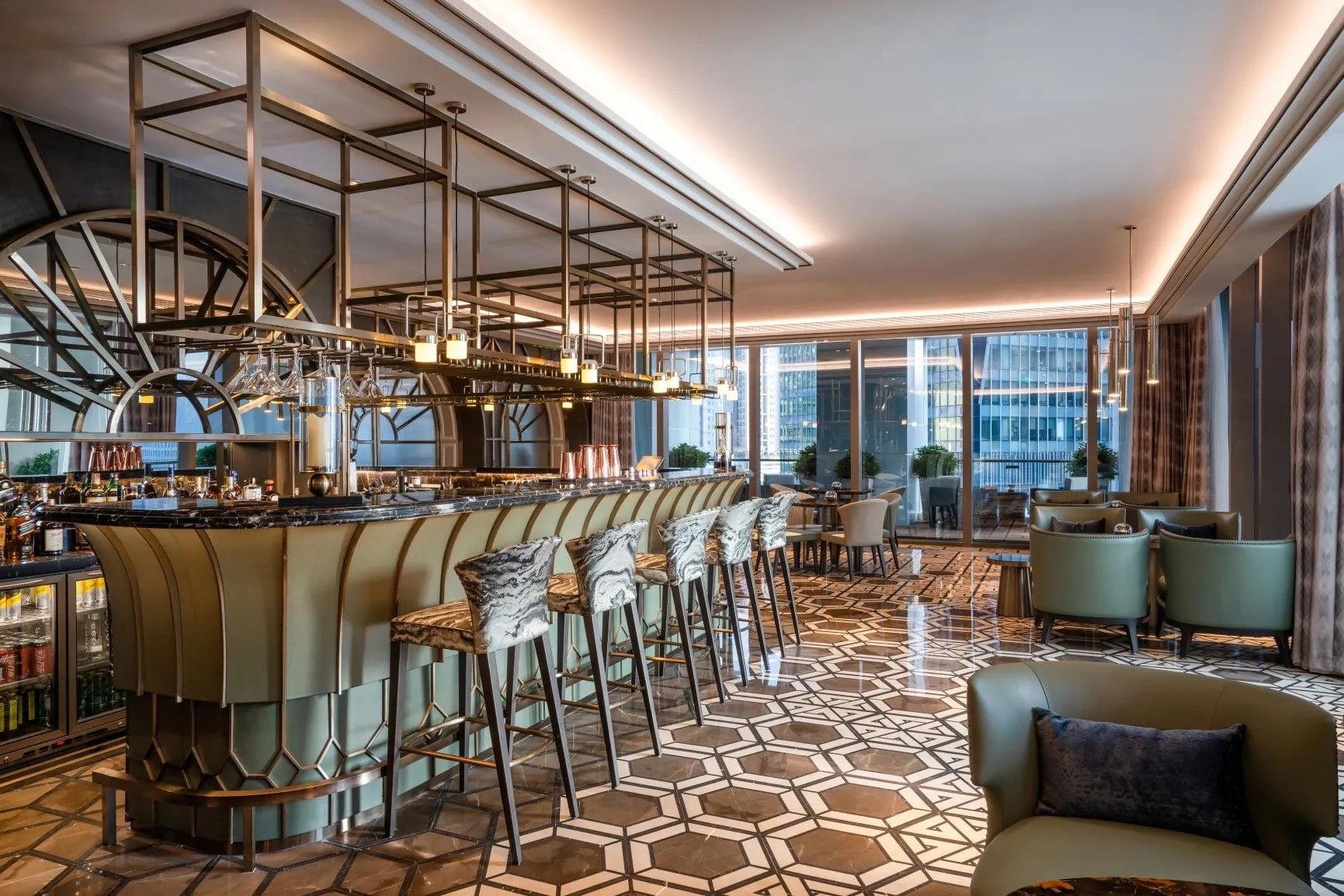
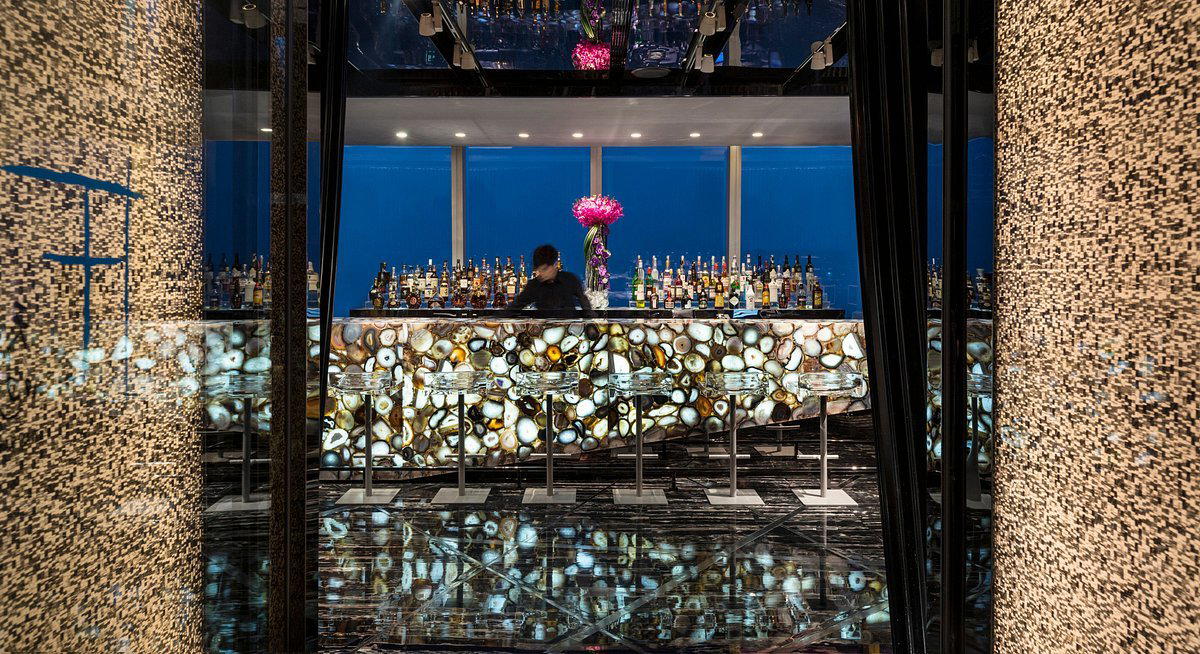
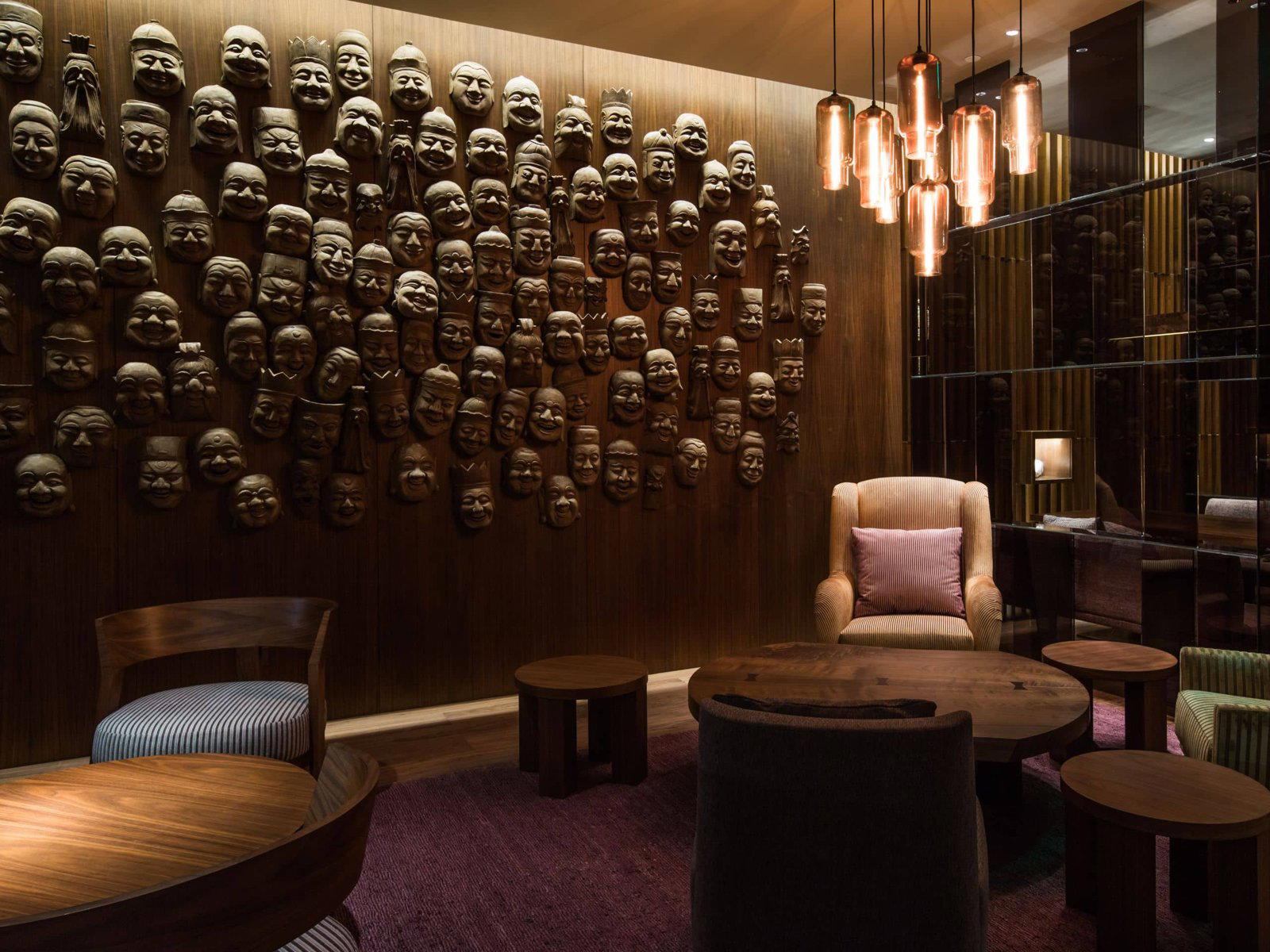
- Relaxed
- Cozy
- Business Dinner
- Private Event
- Private Dining
- A La Carte
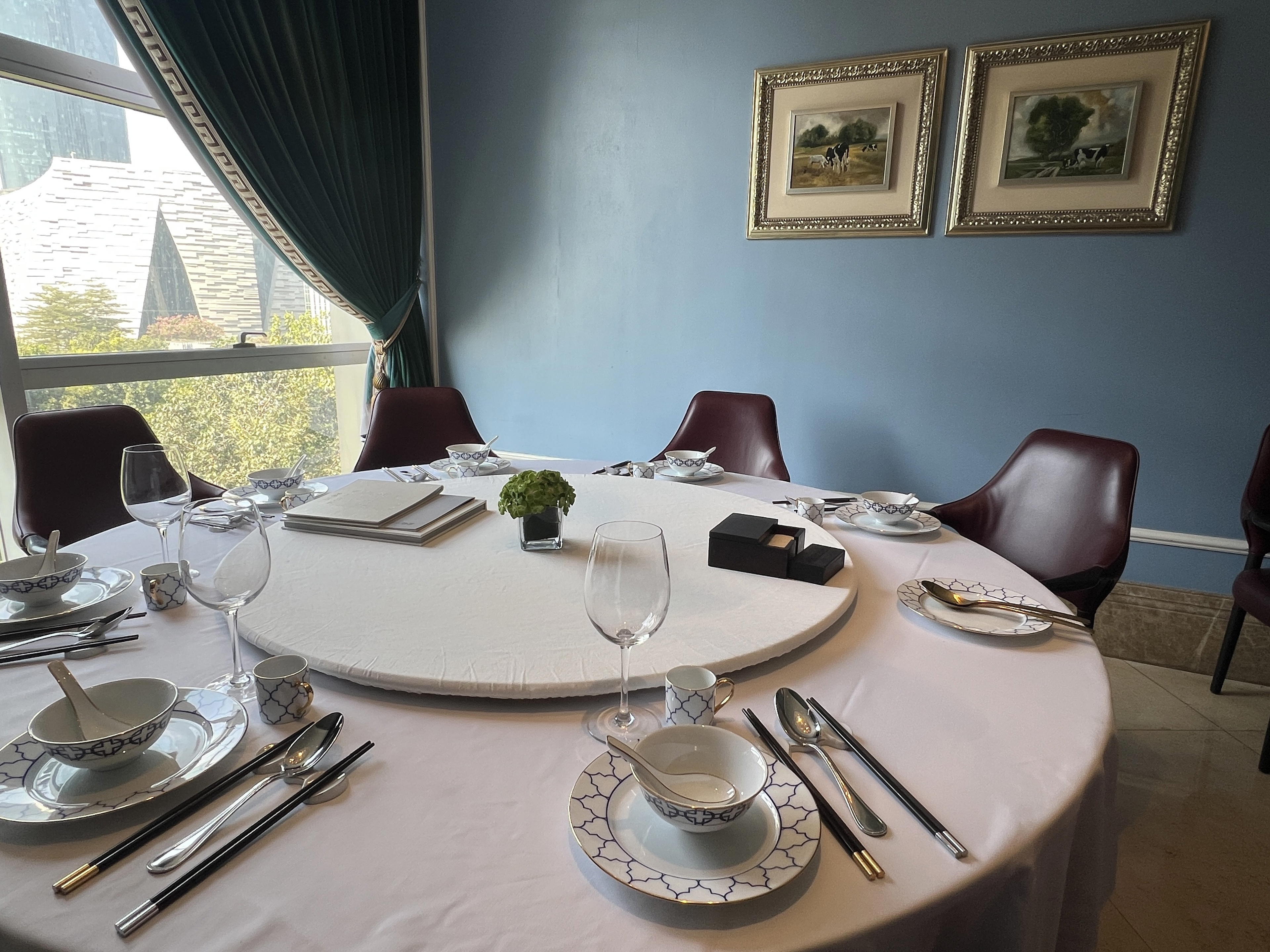
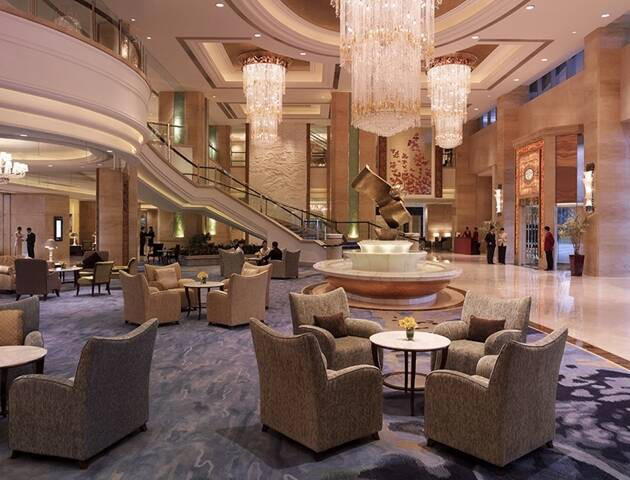
Relaxed vibes in the main dining room with sheer curtains and rattan chairs.