Michelin Plate
Our verdict
At Funaokayama Shimizu in Kyoto, temple-drawn water and Takagamine farm produce define a minimalist kaiseki tasting, where pristine ingredients—untouched by excess—speak with uncommon clarity.

Pearl is the En Primeur Club membership app, where members save venues, book tables and use the concierge.
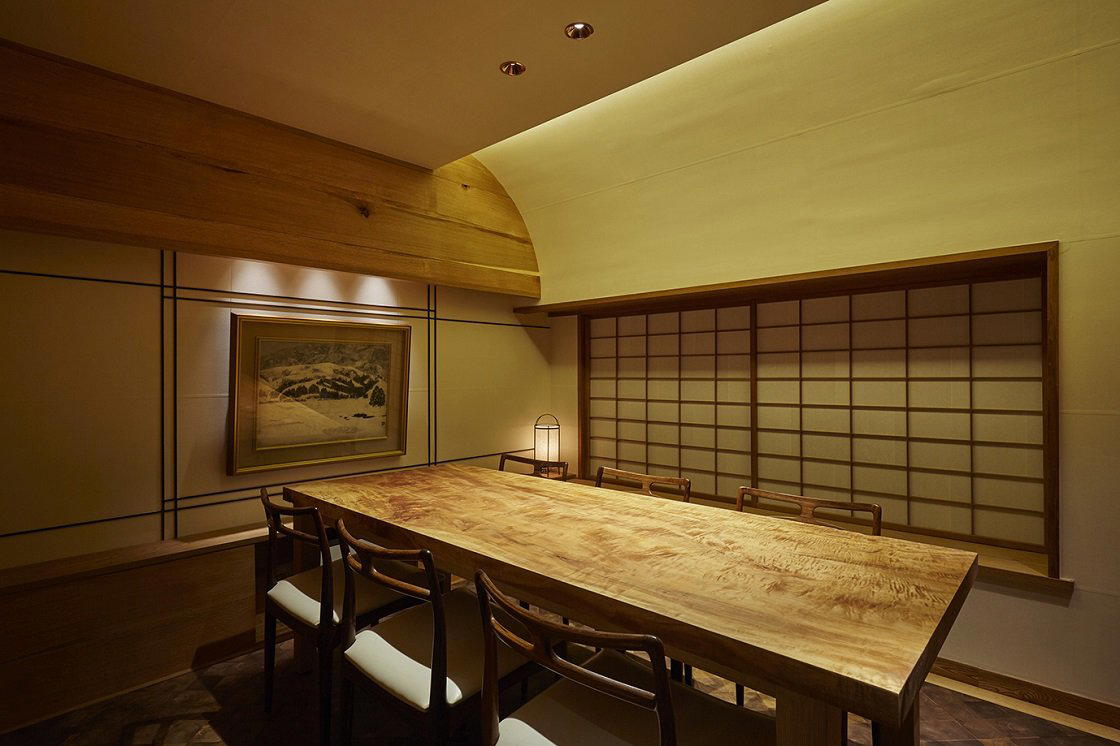
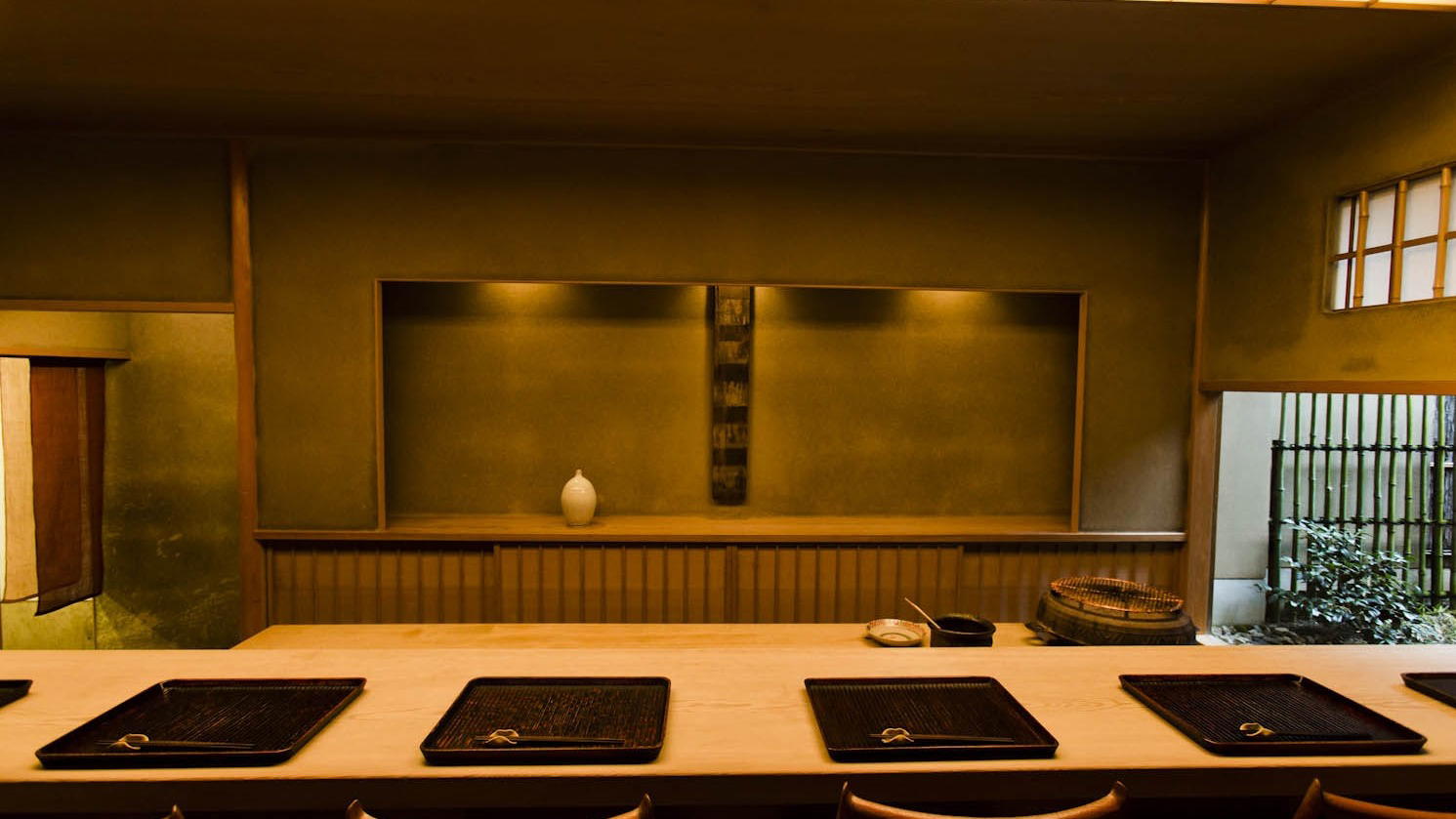
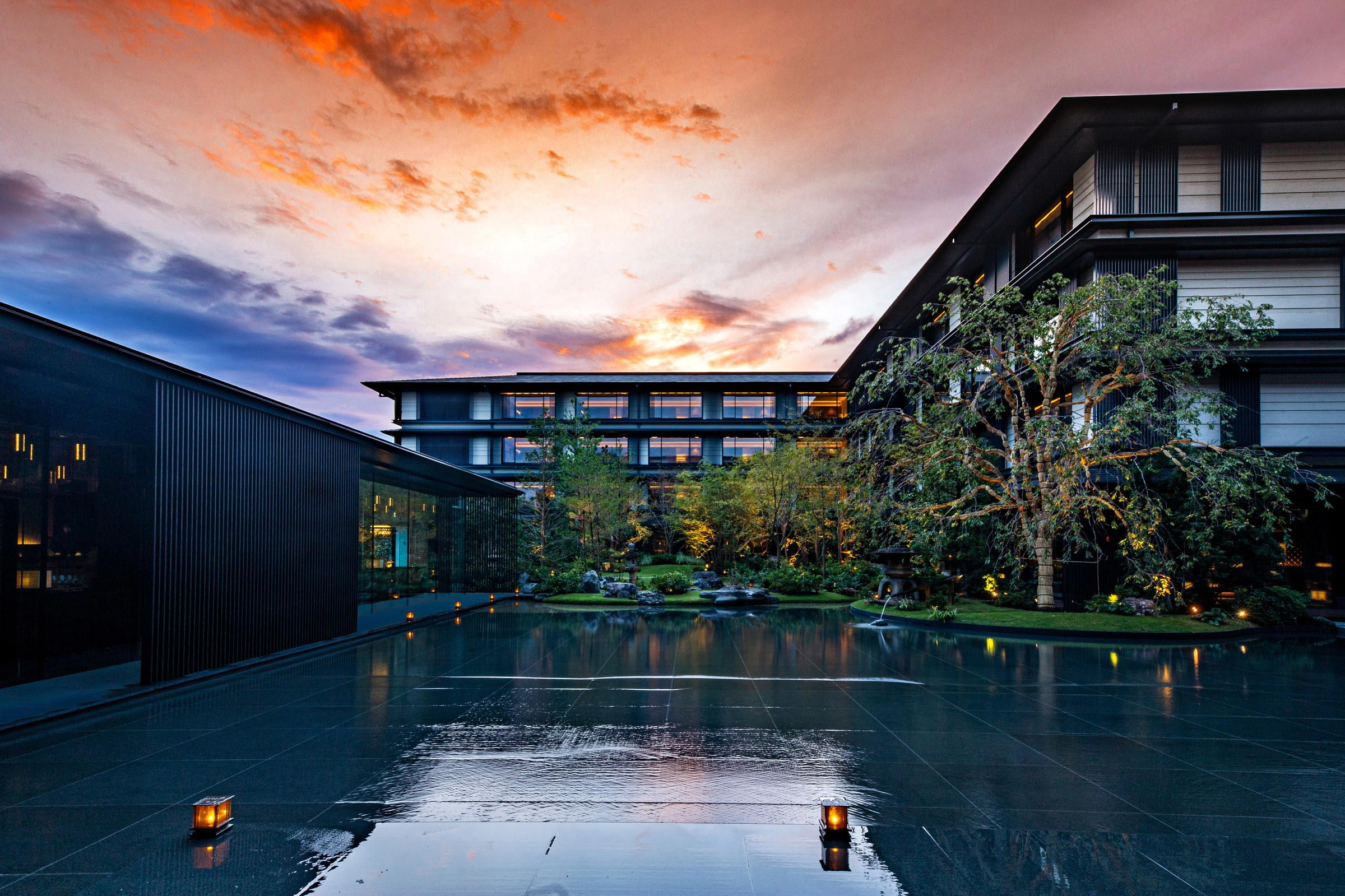
Approaching Funaokayama Shimizu, the surrounding streets offer few signals of what awaits. This is a residential pocket of Kita Ward, close to Funaokayama Park, where the urban grain shifts from Kyoto's central heritage corridors into something quieter and more domestic. The building does not announce itself with the visual cues that frame most destination restaurants. That restraint is not accidental: the deliberate choice of this location away from Gion's established kaiseki circuit reflects a particular philosophy about where focused cooking happens leading.
Michelin awarded the restaurant a Star in 2024 and carried it through to a Plate recognition in 2025, placing it in a tier that includes several of Kyoto's more intensely sourced Japanese restaurants. Google's 39 reviews average a perfect five stars, a signal worth noting given the typical dilution that comes with higher review volumes.
The Sourcing Architecture Behind the Cooking
What defines the kitchen's logic here is not technique as spectacle but the geography of its ingredients. Water is drawn from Daitokuji Temple, one of Kyoto's great Zen Buddhist complexes a short distance to the northeast, whose grounds include traditionally maintained water sources. Vegetables come from farmers in Takagamine, the semi-rural northern fringe of the city where agricultural plots still sit within Kyoto's administrative boundary. Additional ingredients are sourced through Kyoto's Central Market. This is not an unusual combination for serious Japanese cuisine, sourcing from named local producers and temple-adjacent water sources is a documented tradition in Kyoto cooking, but the specificity and layering here is more deliberate than in the average licensed kaiseki house.
The approach to plating is equally instructive. Garnishes are kept minimal; the intent, as documented in the Michelin recognition notes, is to allow ingredients to speak without editorial intervention on the plate. In a dining culture where presentation technique has become a competitive category in its own right, this is a pronounced counter-position. Comparable restraint-led houses at the ¥¥¥ tier can be found elsewhere in Japan's Michelin landscape: Myojaku in Tokyo and Azabu Kadowaki both operate in a space where ingredient fidelity outranks decorative complexity, though each works from a distinct culinary tradition.
What the ¥¥¥ Tier Actually Buys Here
The value proposition at Funaokayama Shimizu sits at an interesting intersection. One-star kaiseki in Kyoto does not occupy a single price band. Several peers at the same award tier, including Kikunoi Roan and Kenninji Gion Maruyama, have established themselves in tourist-accessible zones with corresponding pricing structures. Funaokayama Shimizu's ¥¥¥ positioning within the same award bracket suggests the price has not been inflated to match the address aspirations of Kyoto's central corridors.
What the diner gets is sourcing depth that is explicit and traceable, an award credential that Michelin carried across both 2024 and 2025 in different formats, and a setting that is genuinely removed from the pedestrian circuits. For a category where comparable starred restaurants in Kyoto regularly push into ¥¥¥¥ territory, that differential represents real value, though the full menu structure and per-head cost are not publicly listed and should be confirmed at the time of booking.
Context: Where Kita Ward Fits in Kyoto's Restaurant Map
Kyoto's restaurant prestige has historically concentrated in Gion, Higashiyama, and the central Nakagyo district, where kaiseki tradition, tourist infrastructure, and high-end hospitality reinforce one another. Kita Ward represents a deliberate departure from that geography. The proximity to Daitokuji Temple, one of the city's largest Zen complexes, with seventeen sub-temples and centuries of association with refined aesthetic practice including the tea ceremony, gives the neighbourhood a cultural density that operates independently of the Gion entertainment district. Funaokayama Park, which sits above the area and commands views across the city, adds to the sense of being in a Kyoto that functions outside the tourist itinerary's main sequence.
Restaurants that choose northern Kyoto locations often do so, as documented here, to control their environment and supply chain rather than to benefit from passing foot traffic. Kodaiji Jugyuan takes a comparable approach to place and intention in Kyoto's southern hills, while the broader city restaurant picture, from high-volume kaiseki to neighbourhood specialists, is covered in our full Kyoto restaurants guide.
Planning a Visit
Funaokayama Shimizu does not have a listed phone number or website in the public record, which is consistent with a number of small, chef-led Japanese restaurants that manage reservations through referral or through aggregator platforms such as Tableall or Omakase. Diners should expect to use those channels or seek concierge assistance for booking. The ¥¥¥ pricing tier positions the meal above the mid-range but within reach for a considered dinner choice, and confirmation of exact cost and menu format should be established in advance. The Kita Ward location is accessible by Kyoto City Bus from the central station, and the walk from the nearest stop to the restaurant passes through the Daitokuji temple complex grounds, which is useful context for the cultural framing the chef has cited as central to the location choice. Given the small scale and precise sourcing, this is a restaurant leading approached with a reservation confirmed and dates flexible if necessary.
For broader planning across the city, our full Kyoto hotels guide, our full Kyoto bars guide, our full Kyoto wineries guide, and our full Kyoto experiences guide cover the wider landscape. Comparisons across Japan's serious Japanese restaurant tier can also be drawn with Harutaka in Tokyo and 1000 in Yokohama, both of which operate within adjacent sourcing and restraint traditions. 6 in Okinawa represents the southern extreme of Japan's small-counter, ingredient-led format, useful as a comparison for understanding how the model translates across different regional supply chains.
Frequently asked questions
What type of food is Funaokayama Shimizu known for?
What should I budget for a meal at Funaokayama Shimizu?
Pricing at Funaokayama Shimizu is listed as ¥¥¥.
Is Funaokayama Shimizu award-winning?
Funaokayama Shimizu has received recognition including: You’ll find this Japanese restaurant in a residential area close to Funaokayama Park. The chef draws his water from Daitokuji Temple, gets his vegetables from farmers in Takagamine, and buys ingredients from various regions at the Central M….
What is the signature dish at Funaokayama Shimizu?
No individual dishes are documented in the public record for Funaokayama Shimizu, and that absence reflects a deliberate kitchen philosophy. The Michelin documentation describes a chef who avoids garnishes and reduces each preparation to its essential ingredients, sourced from Daitokuji Temple water, Takagamine farmers, and the Central Market. The cooking does not foreground a single showpiece, the through-line is how clearly each ingredient reads on the plate.
Booking and Cost Snapshot
A small set of peers for context, based on recorded venue fields.
| Venue | Cuisine | Price | Awards |
|---|---|---|---|
| Funaokayama ShimizuThis venue (the venue you are viewing) | Kaiseki with Exceptional Rice | $100–150 | Michelin Plate |
| Gion Sasaki | Modern Kaiseki | $300–500 | 3 Michelin Stars · La Liste Top Restaurants |
| cenci | Innovative Italian-Japanese Fusion | $100–150 | 1 Michelin Star · World's 50 Best #76 |
| Ifuki | Sumibi Kappo Kaiseki | $200–300 | 2 Michelin Stars · La Liste Top Restaurants |
| Kyokaiseki Kichisen | Kyoto Kaiseki | $200–300 | 2 Michelin Stars · La Liste Top Restaurants |
| Kyo Seika | Modern Chinese Fine Dining | $150–200 | 1 Michelin Star · Tabelog Bronze #216 |
Recognition history
Dated appearances from independent guides and award organizations, with the underlying list record or original source where available.
Michelin Plate
Michelin
Full recognition history (2 entries)
Michelin Plate
Michelin