
Tabelog 100 #1
Our verdict
Fuka Nishiki ten belongs to Kyoto’s quieter sweet-shop tradition: compact, disciplined, and shaped by the rhythm of Nishiki Market rather than by dessert-course theatrics. Its Tabelog 100 selection for Japanese traditional sweets and Japanese sweets cafes in WEST 2023 places it in a serious regional category, while its low-key format keeps the experience closer to a market stop than a formal salon.

Pearl is the En Primeur Club membership app, where members save venues, book tables and use the concierge.
The menu
What to order
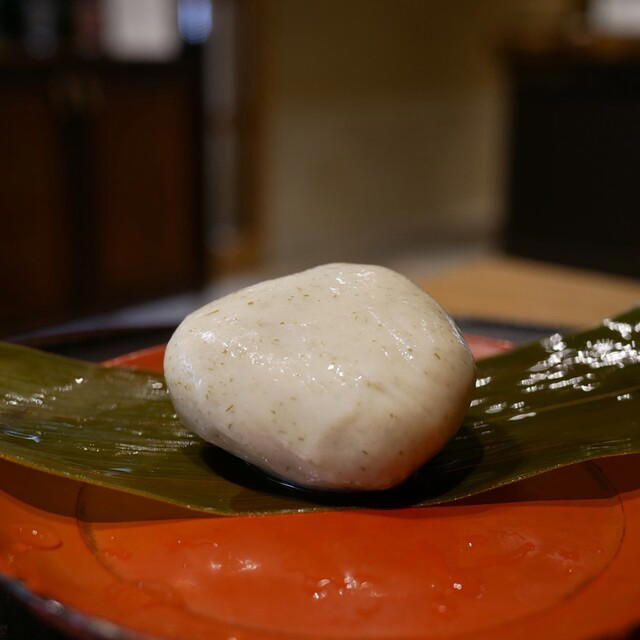
- Nama-fu (fresh wheat gluten)
- Japanese traditional sweets
Kyoto changes by the block: morning shutters, delivery carts, then midday crowds of shoppers, paper bags, and counter queues. Here, Kyoto’s wagashi culture feels less like a museum piece than a daily habit. The city has formal tea and dining traditions, but also small specialist shops where sweets are bought, carried, shared, and folded into an afternoon without ceremony. Fuka Nishiki ten belongs to that second tradition: compact, practical, and rooted in everyday Kyoto.
Read this Kyoto stop as part of the city’s older food infrastructure, not a dessert destination grafted onto a restaurant itinerary. The city’s appeal is cumulative: pickles, dried goods, knives, tea, seafood, sweets. Wagashi is one of Kyoto’s edible grammar points, linking craft, season, gifting, and the pause between meals. For travellers building a day around Kyoto, the shop is more persuasive than a long detour for a single plate.
Kyoto sweets in market rhythm, not dining-room theatre
Japanese traditional sweets reward attention to scale. The category is often judged by restraint: sweetness checked, texture working quietly, packaging part of the exchange. In Kyoto, that restraint carries extra weight because wagashi has long been tied to tea practice and seasonal naming, while the city gives it a quicker tempo. The purchase may be brief, public, and small-format, but the standards are not casual.
Fuka Nishiki ten’s recognition in the Tabelog Hyakumeiten 2023 context matters because the category is specialist, not a general popularity badge. It places the shop within a sweets-focused field, more useful than comparisons with Kyoto’s formal restaurants or casual counters. The listed Tabelog score of 3.68 also suggests sustained attention rather than tourist-only momentum.
That distinction matters in Kyoto, where restaurant ambition often means carefully planned meals, counter seats, and long reservation horizons. Here, the evidence points instead to a focused sweets address with a concise price band and a category identity built around Japanese traditional sweets. The experience is brief by nature. Its editorial value is how it compresses the city’s sweet tradition into a compact stop.
Within Kyoto’s dining spectrum, Jiki Miyazawa and Kan represent more meal-led ways to read the city, while Okuniya Mambei and OSTERIA IL CANTO DEL MAGGIO show how varied Kyoto’s restaurant map can be. Against those categories, wagashi plays a different role: smaller, quieter, and bound to the city’s calendar of gifts, tea, and street-level shopping.
The sensory cue is restraint: short stop, focused category
The sensory experience begins before the counter. Kyoto is dense with signals: shop signs, voices, wrapped purchases, and the stop-start movement of busy food streets. A sweets shop here works through focus rather than spectacle. The draw is not a long meal or chef-led performance, but one disciplined category amid a city where appetite is constantly redirected.
The compact format matters. A venue identified through Japanese traditional sweets immediately changes expectations. This is not a place to measure by the standards of an extended lunch or dinner; it is a precise insertion into a wider Kyoto walk. The price range of JPY 1,000 - JPY 1,999 suits a short, credible sweets stop without turning the day into a reservation project.
Kyoto’s premium dining scene can make visitors over-plan, useful for counters where a confirmed booking decides whether you eat or watch from outside. Sweets shops work on another logic. They reward timing, patience, and treating a small purchase as part of the day’s structure. Fuka Nishiki ten is closer to a cultural calibration point than a conventional restaurant stop.
The city supports that reading. Kyoto sits between department-store polish, office-day practicality, and older shopping habits. Eating nearby ranges from compact casual formats to polished dining rooms. Travellers comparing Kyoto options might pair this sweets stop with other unnamed dining rooms or casual counters, depending on whether the day needs speed, breadth, or a more deliberate meal.
How to place it in a Kyoto day
The strongest use case is a Kyoto route, not a standalone pilgrimage. The city is already a food itinerary in miniature, and wagashi gives it a different register from savoury snacks and counter eating. A sweets stop fits before or after tea shopping, browsing, or a walk through Kyoto. The value is precision: a short, category-specific pause with a recognised sweets credential.
Practical planning should start with the confirmed listing details rather than assumptions. The budget is listed as Dinner: -; Lunch: JPY 1,000 - JPY 1,999, with the general price range also shown as JPY 1,000 - JPY 1,999. The category is Japanese traditional sweets, with “Other” also listed. Plan it as part of a walking day in Kyoto rather than treating it like a long-form dining excursion.
Travellers mapping a fuller Kyoto stay should treat this as one piece of the city, not a complete answer. For dining breadth, start with Our full Kyoto restaurants guide. Sleep strategy changes the day’s rhythm, so Our full Kyoto hotels guide helps decide whether central access or quieter evenings matter more. For after-dark planning, use Our full Kyoto bars guide; for producers and regional drinking context, see Our full Kyoto wineries guide; and for culture-led scheduling, Our full Kyoto experiences guide frames the day beyond meals.
Japan’s casual and specialist food culture also benefits from cross-city comparison. A Kyoto wagashi stop has little in common with many unnamed restaurants, cafes, bars, and specialist counters in other cities, and that contrast is instructive. Those places point to different ways Japanese food culture travels, localises, or narrows into one format. Kyoto’s sweets tradition remains more place-bound: compact, seasonal in spirit, and tied to the city’s habit of turning small purchases into cultural signals.
Frequently asked questions
Where exactly is Fuka Nishiki ten?
Kyoto.
How much does it cost to eat at Fuka Nishiki ten?
Pricing at Fuka Nishiki ten is listed as JPY 1,000 - JPY 1,999.
Is Fuka Nishiki ten open every day?
Opening-day and hour details are not included in the provided listing information. Check the venue's official channels for the latest schedule.
What has Fuka Nishiki ten built its reputation on?
Its standing comes from Japanese traditional sweets and recognition in the Tabelog Hyakumeiten 2023 context. The price range of JPY 1,000 - JPY 1,999 points to a focused, everyday Kyoto sweets stop rather than a long-form dessert room.
How does Fuka Nishiki ten handle allergies?
That matters here because the shop is associated with Japanese traditional sweets, where ingredients can vary by item. Check the venue's official channels for the latest details.
Comparable Spots, Quickly
Comparable venues by cuisine and price in the same metro.
| Venue | Cuisine | Price | Awards | Notes |
|---|---|---|---|---|
| Fuka Nishiki tenThis venue (the venue you are viewing) | Traditional Kyoto nama-fu & Japanese sweets | $1–10 | Tabelog 100 #1 | Not listed |
| Rokuyosha Chika ten | Traditional Kyoto kissaten & coffee bar | $1–10 | Tabelog 100 | Nakagyō |
| Imanishi Ken | Traditional Japanese wagashi & ohagi shop | $1–10 | Tabelog 100 #72 | Shimogyō |
| Gyoza Hohei Gion honten | Gyoza specialty shop | $10–20 | Tabelog 100 #38 | Higashiyama |
| Kissa Tirol | Classic Kyoto kissaten & yoshoku cafe | $1–10 | Tabelog 100 | Nakagyō |
| Mitsubachi | Traditional Japanese sweets café (anmitsu & kakigori) | $10–20 | Tabelog 100 #33 | Kamigyō |
Recognition history
Dated appearances from independent guides and award organizations, with the underlying list record or original source where available.
Tabelog 100 #1 · No. 1
Tabelog · Tabelog 100 - Japanese traditional sweets / Japanese sweets cafe - WEST - 2023
Continue exploring
More in Kyoto
Restaurants in Kyoto
All restaurants in Kyoto →



Bars in Kyoto
All bars in Kyoto →


Hotels in Kyoto
All hotels in Kyoto →


Wineries in Kyoto
Browse all →
Details
- Classic
- Cozy
- Solo
- Family
- Casual Hangout
- Standalone
- Historic Building
- Local Sourcing
- A La Carte
- Counter Dining
- Small Plates
Current opening hours
- Monday
- Closed
- Tuesday
- 10 AM–5:30 PM
- Wednesday
- 10 AM–5:30 PM
- Thursday
- 10 AM–5:30 PM
- Friday
- 10 AM–5:30 PM
- Saturday
- 10 AM–5:30 PM
- Sunday
- 10 AM–5:30 PM
Hours can change for holidays and private events. Last verified .
Traditional Kyoto market shop with a small, cozy interior; simple counter seating for two, bright daylight from the market arcade, and a classic feel focused on takeaway rather than lingering dining.