
Tabelog 100
Our verdict
Kissa Tirol belongs to Kyoto’s kissaten tradition: morning coffee, compact seating, curry, and a slower rhythm than the city’s temple-and-tasting-menu circuit. Its Tabelog 100 Kissaten selections in 2021 and 2022 place it in a recognized group of Japanese coffee shops, while the low-price format keeps the experience grounded rather than ceremonial.

Pearl is the En Primeur Club membership app — saves, bookings, and concierge access live there. Same editors, same standards.
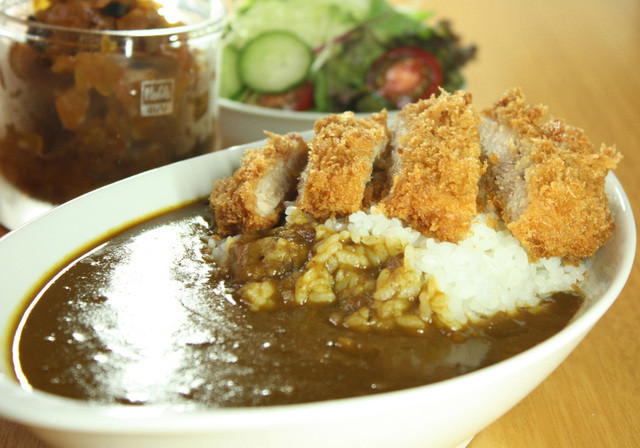
The menu
What to order
- Katsu curry
- Curry spaghetti
- Curry toast
- Yaki-meshi fried rice
- Ham and egg sandwich
Approaching a Kyoto kissaten is different from approaching a restaurant built for dinner reservations. The signal is quieter: coffee-shop pacing, an everyday feeling, and the understanding that the meal may be as much about pause as appetite. Kissa Tirol sits in that older civic rhythm, where coffee, curry, conversation, and solo time share the same everyday logic.
Kyoto’s dining reputation often gets compressed into formal meals, counter dining, or sweets culture, but the city’s everyday food life depends just as much on rooms like this. Kissaten are not merely cafés in the international sense. They belong to a Japanese coffee-house lineage shaped by set routines, newspapers, curry rice, toast, and a tempo that predates the third-wave coffee vocabulary. Kissa Tirol’s recognition in Tabelog’s Kissaten 100 selection for 2022 matters because the category rewards a specific tradition rather than a luxury register.
A Kyoto kissaten rhythm built around coffee, curry, and time
The ritual here is low-key but precise. A kissaten meal rarely asks the diner to decode a long menu or surrender to a tasting format. The pleasure is in the sequence: arrive when the shop is open, settle into the coffee-shop setting, order within a familiar coffee-shop grammar, and let the pace stay unforced. Curry gives the format more weight than a pastry-led café, which is why the Japanese kissaten category often overlaps with light meals rather than operating as a drinks-only stop.
That distinction matters in Kyoto. A visitor can spend more deliberately at places such as Ristorante Noro or Yoshokudo Suzuki, where the meal becomes a planned lunch or dinner with a different social contract. Kissa Tirol belongs to another tier of usefulness: low-priced, everyday, and built for the city between appointments. In a travel day structured around Kyoto wandering, shopping, or gallery time, this kind of room does a job that no formal restaurant can replace.
Compared with CLAMP COFFEE SARASA, another Kyoto address in the low-price coffee category, the point is not which room has the louder following. The more useful comparison is format. Kyoto’s coffee culture stretches from contemporary roasters to old-style kissaten, and the latter carries a social code: linger without turning the table into an office, read the room before spreading luggage, and treat the meal as part of the day’s rhythm rather than a content stop.
The recognition says more about the category than the hype cycle
Tabelog’s Kissaten 100 list is a useful signal because it separates Japanese coffee shops from the broader café field. A score of 3.68 and selection for the 2022 list put Kissa Tirol inside a national conversation about kissaten, not a luxury-dining hierarchy. That is the right frame. This is not competing with Kyoto’s high-budget counters or with the precision of yakitori rooms such as Torisho sai. It competes on continuity, accessibility, and a format that feels increasingly rare in cities where cafés are redesigned every few years.
The kissaten format also changes etiquette. A traditional coffee shop creates a different pressure from a large all-day café. The room is better read as an everyday Kyoto resource than a sprawling brunch venue, and the diner’s responsibility is to match that scale: considerate parties, concise ordering, and patience when the room fills. The meal begins when a seat opens and the room can absorb you, not when the city’s prestige machinery decides a place is important.
For travelers mapping Kyoto by category, Kissa Tirol works as a corrective to the city’s prestige bias. It reminds the reader that eating well in Kyoto is not only about high ceremony. The same day can hold sweets, a sharper contemporary table, casual city eating, and a coffee shop with curry on the menu. None of those experiences cancel the value of Kissa Tirol. Kyoto rewards that range.
How to place it in a Kyoto food day
The Kyoto location puts Kissa Tirol into a practical city itinerary rather than making it feel like a remote destination zone. The better editorial use is broad: slot it into the casual part of a Kyoto plan, then save a reservation-led meal for elsewhere if that is the shape of the day. The low spend also changes the calculus. With pricing listed as - JPY 999, a meal here does not need to justify an entire day’s plan; it can simply anchor a pause when the timing works.
Expectations are part of the ritual. Old-style Japanese coffee shops are usually best approached with flexibility, a modest order, and respect for the room’s pace. Kissa Tirol’s listed categories, Kissa and Curry, tell you more than a long description would: this is a coffee-shop format with enough food substance to make it useful. The format is public, everyday in spirit, and shared.
Kyoto’s broader dining map is useful for contrast. For a wider city plan, start with Our full Kyoto restaurants guide, then cross-check where the day’s drinking, hotels, wineries, and cultural plans sit through Our full Kyoto bars guide, Our full Kyoto hotels guide, Our full Kyoto wineries guide, and Our full Kyoto experiences guide. Dining alternatives and contrasts can be understood generically through other Kyoto dining rooms, casual counters, coffee stops, and sweets traditions rather than only through destination meals.
Outside Kyoto, similar casual-format decisions take many forms across Japan and beyond: simple beef meals, charcoal-led dining, coffee culture, regional tables, Vietnamese cooking, curry specialization, sake-bar pacing, or rice-ball utility. Kissa Tirol’s value is clearer in that company: it is a Kyoto expression of a larger Japanese habit, the everyday meal that tells the traveler how a city actually moves.
Frequently asked questions
What part of town is Kissa Tirol in?
Kyoto.
What should I budget for a meal at Kissa Tirol?
Pricing at Kissa Tirol is listed as - JPY 999.
Is Kissa Tirol open every day?
Published award and listing details provided here do not include a full weekly schedule. Check the venue's official channels for the latest hours before going.
What is Kissa Tirol known for?
Kissa Tirol is known as a Kyoto kissaten with curry on the menu and a place on Tabelog’s 100 Kissaten list for 2022. Its listing categories are Kissa and Curry, with a Tabelog score of 3.68.
How does Kissa Tirol handle allergies?
Those details are not published. With a kissaten format and curry, ingredient checks matter. Check the venue's official channels for the latest details.
Is Kissa Tirol child-friendly?
The venue details provided here do not describe children’s facilities. It reads as a Kyoto kissaten for a coffee or curry stop rather than a place specifically built around family dining.
Cuisine and Awards Snapshot
Comparable venues by cuisine and price in the same metro.
| Venue | Cuisine | Price | Awards | Notes |
|---|---|---|---|---|
| Kissa TirolThis venue (the venue you are viewing) | Classic Kyoto kissaten & yoshoku cafe | $1–10 | Tabelog 100 | Not listed |
| suba | Contemporary standing soba | $10–20 | Tabelog 100 #33 | Shimogyō |
| Gyoza Hohei Gion honten | Gyoza specialty shop | $10–20 | Tabelog 100 #38 | Higashiyama |
| Yamamoto Menzou | Traditional Kyoto udon noodle shop | $10–20 | Tabelog 100 #87 | Sakyō |
| Saruya | Traditional Japanese sweets & tea | $1–10 | Tabelog 100 #100 | Sakyō |
| Kamo Mitarashi Chaya | Traditional Japanese sweets café & mitarashi dango shop | $1–10 | Tabelog 100 #27 | Sakyō |
Recognition history
Dated appearances from independent guides and award organizations, with the underlying list record or original source where available.
Tabelog 100
Tabelog · Tabelog 100 - Kissaten - 2026
Full recognition history (2 entries)
Tabelog 100 #83 · No. 83
Tabelog · Tabelog 100 - Kissaten - 2022
Continue exploring
More in Kyoto
Restaurants in Kyoto
All restaurants in Kyoto →
Bars in Kyoto
All bars in Kyoto →
Hotels in Kyoto
All hotels in Kyoto →
Wineries in Kyoto
Browse all →
Details
- Classic
- Cozy
- Well Known
- Solo
- Casual Hangout
- After Work
- Historic Building
- Standalone
- A La Carte
- Coffee
- Tea
Current opening hours
- Monday
- 8 AM–4 PM
- Tuesday
- 8 AM–4 PM
- Wednesday
- 8 AM–4 PM
- Thursday
- 8 AM–4 PM
- Friday
- 8 AM–4 PM
- Saturday
- 8 AM–4 PM
- Sunday
- Closed
Hours can change for holidays and private events. Last verified .
Traditional Kyoto kissaten with a compact, quietly bustling dining room, simple retro furnishings, and warm, lived‑in lighting that feels more like a neighborhood living room than a modern café.