
Tabelog 100 #38
Our verdict
A compact Gion dumpling counter with izakaya gravity, Gyoza Hohei Gion honten belongs to Kyoto’s after-dark eating circuit rather than its temple-day lunch rhythm. Tabelog selected it for the Dumplings 100 in 2019, 2021, and 2024, placing a modest, tightly seated room inside a national conversation about gyoza craft.

Pearl is the En Primeur Club membership app — saves, bookings, and concierge access live there. Same editors, same standards.
- Address
- 373-3 Kiyomotocho, Higashiyama Ward, Kyoto, 605-0084, Japan
- Phone
- +81 75-533-7133
- Hours
- Mon–Sat 5 PM–12 AMSun Closed
- Website
- kcvn700.gorp.jp
- Directions
- Get directions
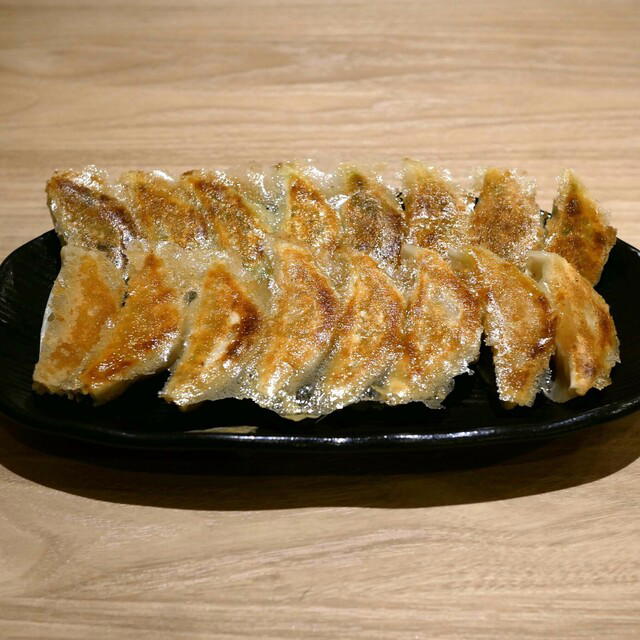
The menu
What to order
- Garlic gyoza
- Ginger gyoza
- Thin‑skinned one‑bite gyoza
Kyoto changes register after the sightseeing day drains away. The lanes tighten, the light drops, and the food that makes sense is no longer a composed sequence but something quicker, saltier, and better suited to a drink. Kyoto’s dumpling culture sits in that after-dark pocket: smaller rooms, short menus, counter proximity, and the kind of cooking that rewards repetition more than ceremony. Gyoza Hohei Gion honten fits that mood without trying to turn gyoza into luxury theatre.
The useful way to read this address is not as a lunch alternative to Kyoto’s daytime sweets or market grazing. Daytime Kyoto often pushes visitors toward set meals, confectionery, noodles, and portable snacks; evening Kyoto is a different economy, built around second stops, friends, and izakaya rooms. The venue’s Tabelog Dumplings 100 selection in 2024 matters because it places a Kyoto dumpling specialist in a category usually dominated by highly repeatable, low-margin cooking rather than chef-led spectacle.
Kyoto after dark, with dumplings as the anchor
Kyoto’s dining reputation is weighted toward formality: counter dining, composed Japanese meals, sushi, and other highly structured experiences. That makes a serious gyoza stop more interesting, not less. It offers another reading of the city, one where the night is measured in plates shared between friends rather than courses paced by a chef. The category is casual, but casual in Japan rarely means careless; dumpling shops live or die on heat control, turnover, and whether the room feels better on the second round than the first.
Gyoza Hohei Gion honten operates in the dumpling and izakaya lane. That combination tells the story clearly enough: this is not a daytime snack bar dressed up for tourists, but a compact night-food format with tavern energy built into the rhythm. The small-room scale also changes the calculation. Compact venues create intimacy, but they also remove the margin for sprawling groups or vague plans.
Compared with Kyoto peers, the appeal sits in format rather than grandeur. Noguchi Tsunagu belongs to a more elevated dining bracket; Izuu carries a long-established Kyoto conversation; Gion Komori speaks to Kyoto’s sweet-shop and tea-hour traditions. Dumplings belong elsewhere: less ceremonial, more repeatable, and more useful when the evening has already started.
The lunch-versus-dinner divide is the point
Kyoto can be a poor city for improvisation at lunch if the day is built around sights, queues, and cross-town transit. Gyoza, by contrast, is often imagined as democratic food: fast, shared, inexpensive, and easy to understand across language barriers. The twist here is that the room’s logic belongs to dinner. It makes more sense as a Kyoto night stop than as a midday destination, which changes who should prioritize it.
For travellers stacking Kyoto’s food day, the smarter sequence is contrast. Lunch can carry the formal or regional weight: a more structured meal at Sakamoto, a long-established stop at Izuu, or another sit-down meal elsewhere in Kyoto. Dumplings later give the day a second shape, especially for diners who do not want every meal to be a reservation-led production. That is where the value lies: not in replacing Kyoto’s more elaborate traditions, but in making the evening feel less scripted.
The awards signal is useful because gyoza recognition depends on consistency more than novelty. Tabelog’s Dumplings 100 list is not the same currency as luxury awards, but for this category it is a sharper indicator than luxury acclaim. A dumpling shop chosen in the 2024 list has cleared a different test: repeat diners, category specialists, and enough public confidence to remain visible in a crowded field of inexpensive Japanese comfort food.
There is also a practical cultural point. Kyoto’s premium dining can feel exclusionary to visitors who have not planned far ahead, while dumpling counters are more legible. The listed dinner budget of JPY 1,000 - JPY 1,999 keeps the experience approachable, and the format keeps attention close to the cooking rather than the choreography. Those details matter more here than a chef biography would.
How to place it within a Kyoto eating day
The strongest argument for Gyoza Hohei Gion honten is editorial, not completist: it gives Kyoto’s dining map a lower-register counterpoint. A city often sold through refinement also runs on taverns, dumplings, grilled snacks, and small rooms where the bill stays modest and the evening remains flexible. For travellers using Our full Kyoto restaurants guide, this is the kind of stop that prevents an itinerary from becoming a museum of formal meals.
Build the day around difference. Kyoto can start with another casual staple, a more polished meal, or a relaxed dining room, while sweet-shop Kyoto has its own tempo at places such as Gion Komori. The dumpling counter works because it does not compete with those categories; it resets the pace.
For wider planning, pair the restaurant map with Our full Kyoto hotels guide, Our full Kyoto bars guide, Our full Kyoto wineries guide, and Our full Kyoto experiences guide. Readers extending the trip across Japan or tracking casual-specialist formats elsewhere may also compare the category logic with other unnamed dining rooms, taverns, cafes, curry specialists, sake bars, and casual counter formats beyond Kyoto.
The verdict is simple: this is a small-format Kyoto dumpling stop for diners who want Kyoto after dark without turning every meal into a ceremony. The draw is the fit between city, category, and timing: gyoza with izakaya energy, recognized by Tabelog’s Dumplings 100 in 2024, in a room built for close-range eating rather than spectacle.
Frequently asked questions
What's the pricing like at Gyoza Hohei Gion honten?
Pricing at Gyoza Hohei Gion honten is listed as JPY 1,000 - JPY 1,999.
Is Gyoza Hohei Gion honten open every day?
Published opening-day details are not provided here; check directly with Gyoza Hohei Gion honten before planning a visit.
How do I find Gyoza Hohei Gion honten?
Gyoza Hohei Gion honten is located in Kyoto.
What makes Gyoza Hohei Gion honten worth seeking out?
The draw is its combination of category and recognition: a dumpling and izakaya-style tavern format with selection for Tabelog 100 Dumplings in 2024. In Kyoto, that makes it a compact night stop for gyoza, with dinner priced at JPY 1,000 - JPY 1,999.
Credentials Lens
Comparable venues in the metro at similar price points.
| Venue | Cuisine | Price | Awards | Notes |
|---|---|---|---|---|
| Gyoza Hohei Gion hontenThis venue — the venue you are viewing | Gyoza specialty shop | $10–20 | Tabelog 100 #38 | Not listed |
| Yamamoto Menzou | Traditional Kyoto udon noodle shop | $10–20 | Tabelog 100 #87 | Sakyō |
| Kyo Udon Nama Soba Okakita | Traditional Kyoto udon and soba | $10–20 | Tabelog 100 #46 | Sakyō |
| 熙怡 | Kyoto Saba Sushi | $10–20 | Tabelog 100 #86 | Shimogyō |
| Flip up! | Kyoto bakery & bagel shop | $1–10 | Tabelog 100 #58 | Nakagyō |
| Saruya | Traditional Japanese sweets & tea | $1–10 | Tabelog 100 #100 | Sakyō |
Recognition history
Dated appearances from independent guides and award organizations, with the underlying list record or original source where available.
Tabelog 100 #38 · No. 38
Tabelog · Tabelog 100 - Dumplings - 2024
Continue exploring
More in Kyoto
Restaurants in Kyoto
Browse all →
Bars in Kyoto
Browse all →
Hotels in Kyoto
Browse all →
Wineries in Kyoto
Browse all →
Details
- Cozy
- Classic
- Lively
- Intimate
- Late Night
- Casual Hangout
- Solo
- After Work
- Date Night
- Open Kitchen
- Historic Building
- Standalone
- Local Sourcing
- A La Carte
- Counter Dining
- Small Plates
- Beer
- Sake
Current opening hours
- Monday
- 5 PM–12 AM
- Tuesday
- 5 PM–12 AM
- Wednesday
- 5 PM–12 AM
- Thursday
- 5 PM–12 AM
- Friday
- 5 PM–12 AM
- Saturday
- 5 PM–12 AM
- Sunday
- Closed
Hours can change for holidays and private events. Last verified .
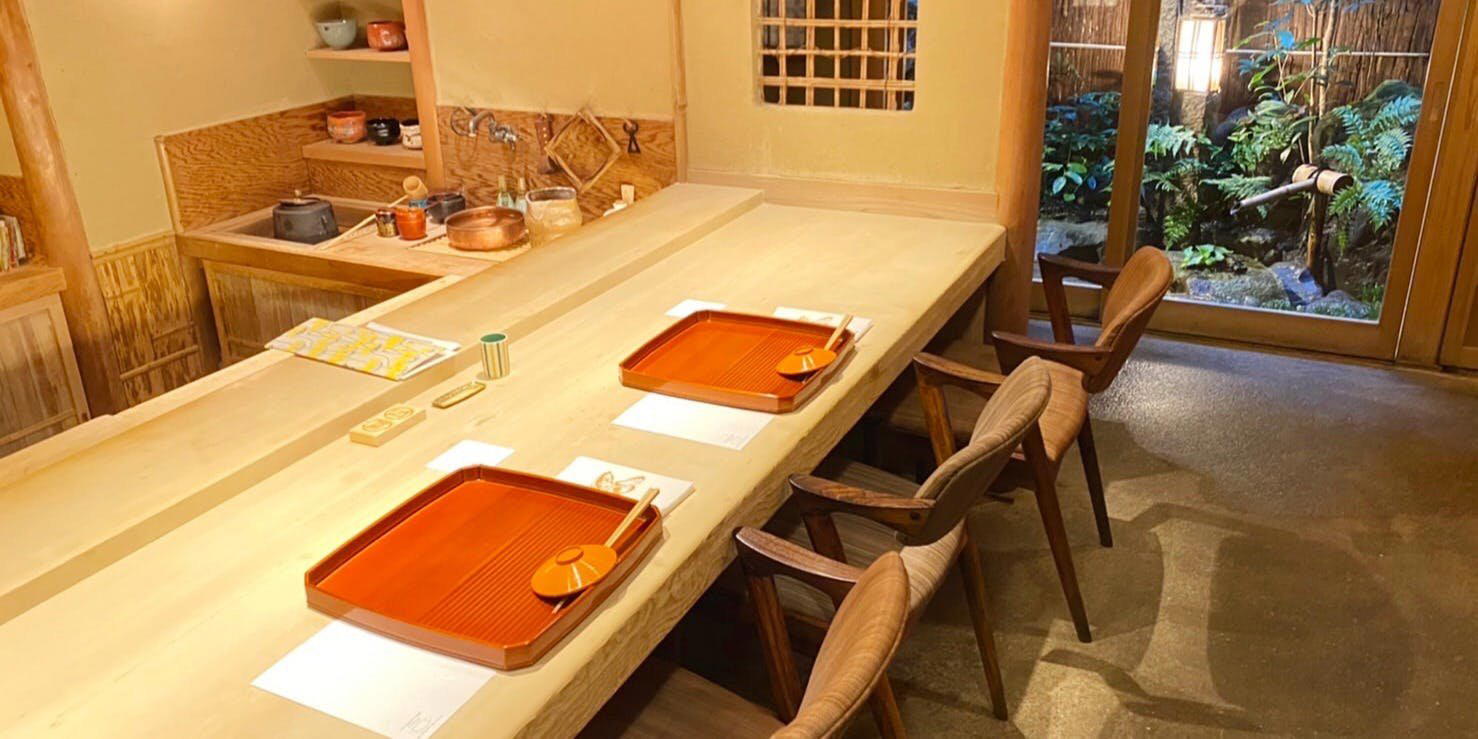
A small Kyoto machiya townhouse with warm wood, counter seating facing an open kitchen, and a relaxed but lively late‑night atmosphere fueled by sizzling gyoza and drinks.