Fradiavolo Roma Ostiense sits on Via del Porto Fluviale in Rome's Ostiense district, a neighbourhood that has traded industrial heritage for a credible dining scene operating well outside the tourist circuit. The address places it among a cohort of restaurants redefining what southern Italian cooking looks like in the capital, where the name itself, Fra Diavolo, the fiery folk hero of Neapolitan legend, signals a kitchen with something to say about heat, tradition, and provenance.
Pearl is the En Primeur Club membership app — saves, bookings, and concierge access live there. Same editors, same standards.
- Address
- Via del Porto Fluviale, 7, 00154 Roma RM, Italy
- Phone
- +39640080034
- Website
- fradiavolopizzeria.com
- Directions
- Get directions
 Saves & bookings on Pearl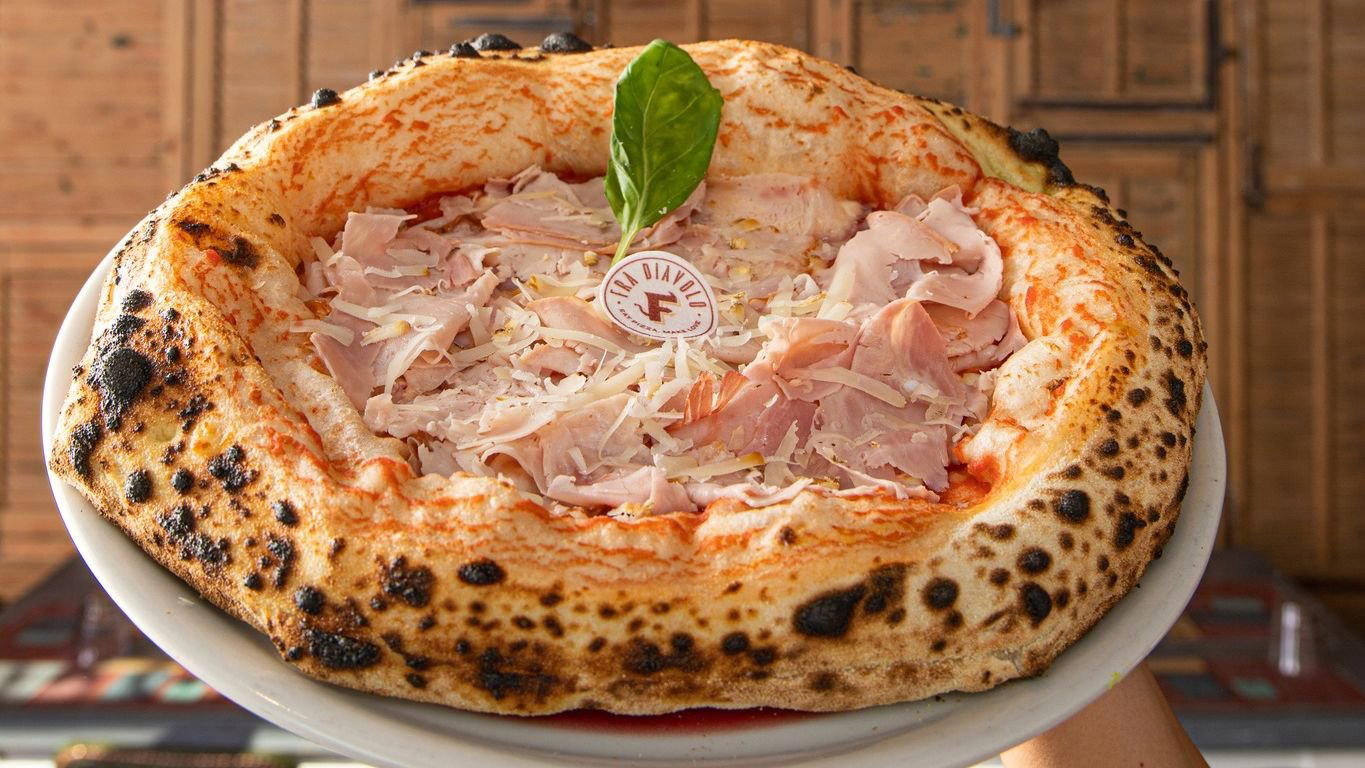
Ostiense and the Rome That Visitors Rarely Find
Rome's dining geography has always been stratified. The centro storico holds the grand institutions, places like La Pergola, Il Pagliaccio, and Enoteca La Torre, each operating at the upper register of creative Italian cooking, while neighbourhoods like Ostiense, Pigneto, and Testaccio have quietly built their own identity: less ceremony, more specificity, and a kitchen culture rooted in what actually grows, swims, and grazes in the surrounding region. Ostiense, specifically, carries the remnants of its industrial past in its bones. The wide streets, repurposed warehouses, and proximity to the Tiber's old working ports give the area a texture that the Tridente or Trastevere cannot replicate. It is in this context that Fradiavolo Roma Ostiense, on Via del Porto Fluviale, makes its case.
The address is not incidental. Porto Fluviale, the old river port, is a street that draws a mixed crowd of locals, university students from nearby Roma Tre, and the kind of traveller who does their research before arriving. Restaurants that succeed here do so without the support of foot traffic from tour groups or proximity to a major monument. That structural reality tends to filter the offering: what survives in Ostiense tends to survive on merit.
Fra Diavolo: The Name as Cultural Declaration
The name Fradiavolo is not decorative. Fra Diavolo, literally Brother Devil, is among the more loaded figures in southern Italian folk memory: Michele Pezza, the early 19th-century brigand from the Campanian interior who became simultaneously a symbol of resistance, outlawry, and the kind of fierce regional pride that the Italian south has never entirely put down. In culinary terms, the name has long been associated with a style of cooking built around aggression and heat, particularly in the Neapolitan-American tradition where fra diavolo sauce became a byword for spiced shellfish and bold tomato. A Roman restaurant bearing the name is making a statement about its reference points, southern Italy's cooking traditions, their heat and depth, and a certain refusal to soften the edges for broader palatability.
This matters because Rome's own culinary identity, rooted in cucina romana and the quinto quarto tradition, offal, slow-cooked cuts, and the cooking of necessity, already sits at some distance from the refined creative menus found at addresses like Acquolina or Achilli al Parlamento. Fradiavolo Roma Ostiense appears to operate in the space where those two traditions, Roman directness and southern Italian heat, can coexist without either being diluted.
Where This Sits in the Broader Italian Conversation
Italy's restaurant scene at the upper end has never been more internationally scrutinised. Addresses like Osteria Francescana in Modena, Piazza Duomo in Alba, and Le Calandre in Rubano have set a global benchmark for what Italian fine dining can mean when it takes its own traditions seriously rather than borrowing from French architecture. Elsewhere, Uliassi in Senigallia and Quattro Passi in Marina del Cantone have demonstrated that coastal Italian cooking, taken seriously, can compete with any European reference point. Even in the mountains, Atelier Moessmer Norbert Niederkofler in Brunico has shown what happens when a kitchen commits completely to its own geography.
At a different register, Reale in Castel di Sangro and Dal Pescatore in Runate represent the depth of Italy's regional cooking when it refuses to be flattened by trend. Fradiavolo Roma Ostiense sits in a different tier, neighbourhood-rooted rather than destination fine dining, but the conversation it enters is the same one: what does serious Italian cooking look like when it takes a specific place and a specific culinary lineage as its starting point, rather than a globalised idea of what a restaurant should be?
For comparison, creative Italian at the formal level in Rome, think Enoteca La Torre or Il Pagliaccio, both operating at €€€€ price points with full tasting menu formats, occupies a different structural position. The restaurant, set in Ostiense rather than the historic centre, and drawing on a folk tradition rather than a fine dining lineage, is asking a different question of its diners.
The Ostiense Dining Circuit
Via del Porto Fluviale and its surrounding blocks have developed a quiet density of serious eating over the past decade. The area benefits from lower rents than the centro storico, which historically allows kitchens to take risks that high-overhead addresses cannot afford. The neighbourhood also sits within reach of the Testaccio market, one of Rome's most consequential sources of seasonal produce and the quinto quarto ingredients that define the city's cooking identity, which gives restaurants in the zone a logistical advantage in sourcing. Getting to Ostiense from central Rome is direct: the Ostiense train station and Piramide metro stop (Line B) place the area within 15 to 20 minutes of Termini, and the neighbourhood is well-served for those arriving from Trastevere on foot or by tram.
For readers building a wider Italian itinerary that moves beyond Rome, Enoteca Pinchiorri in Florence and Enrico Bartolini in Milan represent the upper register of Italian dining in those cities, while international reference points like Le Bernardin in New York City and Lazy Bear in San Francisco offer a sense of where Italian-influenced precision cooking sits in a global frame.
Know Before You Go
- Address: Via del Porto Fluviale, 7, 00154 Roma, Italy
- Neighbourhood: Ostiense, Rome
- Getting There: Piramide (Metro Line B) or Ostiense train station, approximately 15-20 minutes from Termini
- Price Range: About $19 per person
- Hours: Mon to Thu and Sun 12:30 to 3 PM, 7 to 11 PM; Fri and Sat 12:30 to 3 PM, 7 PM to 12 AM
- Booking: Reservations are recommended
The Quick Read
Comparable venues nearby, for context on price, style, and recognition.
| Venue | Cuisine | Price | Notes |
|---|---|---|---|
| Fradiavolo Roma OstienseThis venue — the venue you are viewing | Ostiense, Contemporary Italian Pizza | $$ | Not listed |
| Gelateria La Romana | Sallustiano, Artisanal Italian Gelato | $$ | Not listed |
| Papa Giovanni | Not listed | $$ | San Eustachio, Traditional Roman Trattoria |
| Osteria Navona | Ponte, Traditional Roman Osteria | $$ | Not listed |
| Hostaria Romana | Colonna, Traditional Roman Trattoria | $$ | Not listed |
| Da Benito e Gilberto | Borgo, Italian Seafood | $$ | Not listed |
Continue exploring
More in Rome
Restaurants in Rome
Browse all →
Bars in Rome
Browse all →
Hotels in Rome
Browse all →



At a Glance
- Modern
- Trendy
- Casual Hangout
- Family
- Open Kitchen
- Local Sourcing
Current opening hours
- Monday
- 12:30–3 PM, 7–11 PM
- Tuesday
- 12:30–3 PM, 7–11 PM
- Wednesday
- 12:30–3 PM, 7–11 PM
- Thursday
- 12:30–3 PM, 7–11 PM
- Friday
- 12:30–3 PM, 7 PM–12 AM
- Saturday
- 12:30–3 PM, 7 PM–12 AM
- Sunday
- 12:30–3 PM, 7–11 PM
Hours can change for holidays and private events. Last verified .
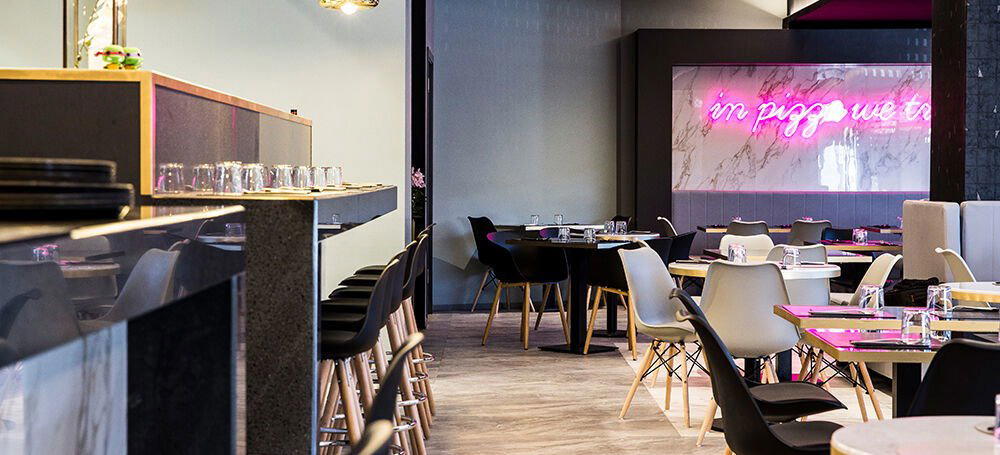
Casual and modern atmosphere suitable for everyday dining.